How smart stores improve employee satisfaction with technical scenarios


You lose valuable shopping time looking for keys, waiting for tech help, and searching by hand for products. Modern smart store technology replaces this old struggle with smooth digital systems. Smart automation handles repetitive physical tasks right away. This speed improves job happiness, daily output, and workplace culture for all your store workers. Smooth digital processes allow your employees to spend less time on hard physical work. As a result, new workers learn daily tasks faster with very little training stress. Happy and involved employees directly create much better customer service on the sales floor. In the end, smart store tools increase overall employee satisfaction while giving customers a great shopping experience that keeps them happy.
Key Takeaways
Smart access systems swap out physical keys for phone passes to save time for store employees.
Automated RFID inventory tools speed up stock counts and reduce heavy physical fatigue for employees.
Smart AI chatbots instantly give training help right to the mobile devices of employees.
Smart support systems fix tech problems right away so store workers can stay focused on helping customers.
Predictive AI tools balance work schedules evenly to stop staff burnout and reduce job stress.
Improving Employee Satisfaction with IoT Tools
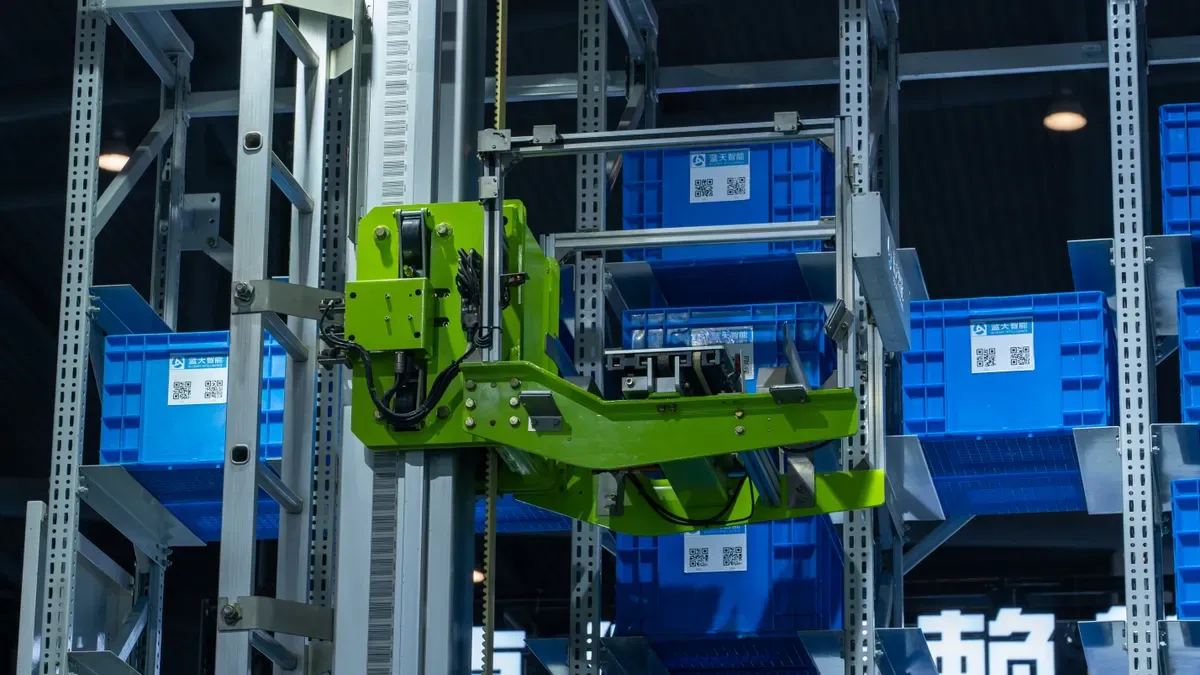
You can change daily store operations by using modern smart retail tech. Linked Internet of Things (IoT) devices remove annoying delays for front-line workers. These tools quickly handle repetitive physical tasks, helping your staff focus on valuable customer interactions. By simplifying store activities, modern equipment removes extra stress and creates a much better work environment.
Streamlining In-Store Access Control
Managing physical keys creates constant daily friction on the sales floor. Staff members waste valuable working hours looking for shared keys, waiting for manager approvals, and doing manual night door checks. Smart access systems completely swap these physical keys for digital access passes. Store managers give role-based access directly to employee phones, letting staff enter only needed cabinets, drawers, and stockrooms. In the RedPeak project, 60 employees managed 900 units centrally from one main system. Centralized platforms keep clear access records to support rules and allow instant removal when roles change. This remote control removes key handling, lock swaps, and expensive rekeying jobs after lost key events.
In addition, smart locks with built-in sensors, timed magnetic locks, and digital help buttons simplify store communication across teams. Workers get instant alerts through call-button lights or floor radios when shoppers need access. Systems like QR-code lock boxes let buyers reach staff directly and get help in under 90 seconds on average. Self-service options and short-term passcodes move the unlocking work away from store associates. Shift changes also get easier because smart keys reset daily or turn off remotely. These automated features remove safety worries, stop code sharing, and end daily staff frustration.
Accelerating Inventory Tracking
Looking for lost items during basic stock checks causes heavy worker fatigue. Old-style manual counting pulls workers away from shoppers and into dusty backrooms. Hidden labor costs for these manual tasks often run 300–500% higher than visible labor costs. Using RFID inventory tech removes manual scanning by gathering data automatically across large distances. Stock counts with handheld RFID scanners take minutes instead of long hours or days. In a clothing store example, RFID cut manual counting time from two full days down to two hours.
Retailers typically report inventory accuracy of 65–75% before RFID; with RFID, accuracy jumps to 93–99%.
This total stock clarity changes daily store operations and supply chain work. Incoming stock processing moves 35–50% faster, while shelf stock levels improve by 25–30%. Most retail stores reach full ROI within 3–6 months. Connected inventory management software sends automatic low-stock alerts and live order updates straight to mobile devices. Real-time tracking ends duplicate count checks and cuts repeated status calls from shoppers.
Workers find products right away without searching through backroom shelves or fixing annoying stock mistakes. Removing repetitive counting tasks stops job burnout and boosts employee interest. Simplified workflows raise overall job satisfaction by making daily store shifts smooth and easy. Team members spend much less time on manual stock checks and give more effort to great customer care. Happy store workers bring better overall results. In the end, these smart tools create an efficient workplace where front-line retail workers succeed.
Empowering Employees Through Smart Workflows
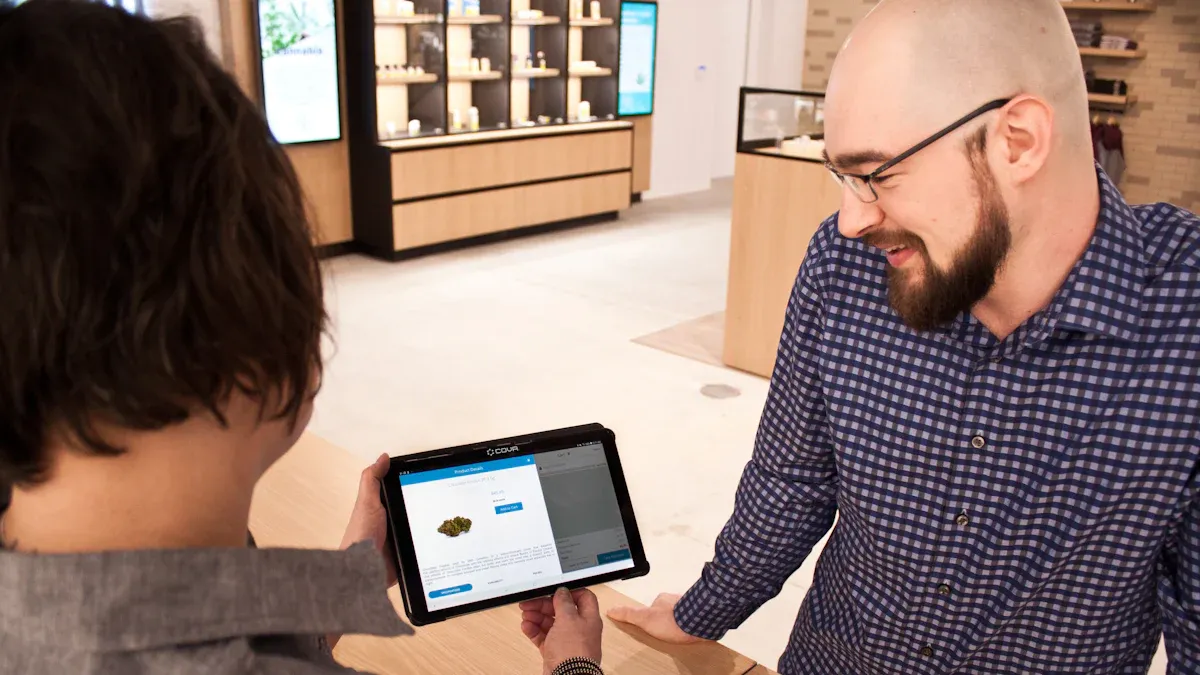
Modern in-store digital systems change daily retail work completely. Deploying easy tools on familiar mobile devices speeds up daily shifts and lowers learning effort. For instance, Target's Store Companion generative-AI chatbot provides real-time guidance directly on the sales floor. In-app walkthroughs and Smart Tips inside point-of-sale software give associates clear, role-based instructions. This immediate guidance removes long classroom sessions, avoids printed manuals, and cuts training time. Equipping associates with self-paced mobile platforms helps new staff reach full output on day one. Your employees complete tasks faster because guidance sits right inside their handheld devices.
Automated Internal Support Ticketing
Manual IT requests and slow internal help tickets often stall store operations, creating extra workplace frustration. Routine password resets account for 20–50% of internal helpdesk calls. AI-powered virtual agents perform identity checks and execute password resets or account unlocks immediately without human help. Gartner analysts predict automated self-service tools resolve 30–50% of routine issues on their own. Resolving technical issues in seconds keeps staff focused on shoppers. Removing repetitive firefighting boosts team morale, saves work hours, and builds employee confidence in store systems.
Automated internal support workflows resolve operational challenges quickly across major retail organizations:
Retailer | Automated internal workflow | Impact on staff and workplace culture |
|---|---|---|
L'Oreal distribution center | Internal help desk with ticket tracking and reporting | Health and safety issues stay visible instead of getting lost in email; clear status updates increase management openness and build workplace trust. |
John Lewis Partnership | Self-service help center for internal benefits | The help portal receives 28,000 views per month; only 1 in 192 searches creates a ticket; a six-person team resolves 88% of issues in one reply, driving measured employee happiness above 90%. |
Automated ticketing routes technical questions and facility issues to the right workers instantly. Centralized dashboards show live updates, so teams never worry about lost requests. Clear communication keeps employees informed about system fixes and policy updates. As a result, your team members feel truly supported, which strengthens overall workplace culture across every shift.
Intuitive Digital Knowledge Platforms
Centralized digital knowledge portals give frontline teams immediate self-service access to training materials, product guides, standard operating procedures, and company rules. Staff members no longer search through scattered emails, shared drives, or old binders. Short, mobile-first training modules lasting 3–5 minutes fit naturally into normal daily routines. These quick micro-learning lessons build individual skills, product knowledge, and confidence without pulling staff away from customer care.
Centralized knowledge hubs improve day-to-day store execution across several key areas:
Faster onboarding: New hires access onboarding checklists, digital handbooks, and policy FAQs directly on mobile devices from day one.
Daily task efficiency: Single trusted sources for pricing, promotions, and product details allow employees to answer customer queries instantly.
Stronger team unity: Interactive news feeds, digital forms, and two-way communication tools connect store staff with corporate leadership.
Deploying easy technology solutions directly onto mobile devices respects staff time and removes daily work friction. Delivering real-time answers directly to mobile screens drives higher employee interest by making store duties simple, clear, and rewarding. Consequently, stores reduce training costs, lower errors, and maintain a driven frontline workforce.
Preventing Burnout via Predictive AI
Predictive analytics and smart tech help managers spot store problems before workers get tired. Systems study sales logs and shopper habits using simple data patterns. Bosses check these live updates on main screens to keep daily work smooth.
Forecasting Workload Bottlenecks
Smart tech continuously checks store data to catch early signs of worker stress. Bosses spot sudden staffing gaps, slow task speeds, and busy crowds before team morale drops.
Metric | Early workload-bottleneck signal |
|---|---|
Overtime rates | High overtime shows your store needs more workers or better task sharing. |
Schedule adherence | Missing shift times creates extra work for the rest of your store team. |
Task completion rates | Unfinished jobs show your staff has too much work or bad schedules. |
Traffic-to-staff ratio | Too many shoppers with few workers strains your store team quickly. |
Smart programs predict busy store hours and warn managers about upcoming work rushes. Retailers like Zebra Technologies use smart cameras to track shoppers moving through aisles. Accurate planning cuts stress-related absences by 18% and improves work-life balance by 30%.
Brenton Thomas, CEO of Twibi, says smart data helps bosses spot stressed workers early. Systems analyze work reviews, hours, and messages to flag burnout risks. Stores then use simple dashboards to track their progress and help staff.
Optimizing Task Distribution
Smart task tools split store chores fairly among workers using live store updates. Modern software checks worker skills, job roles, and current tasks to prevent extra stress.
Smart scheduling uses past hours and worker choices to build fair weekly shifts.
Automated tracking sends rest reminders to make sure employees take their planned breaks.
Balanced work plans cut staff quit rates by 20% by easing daily stress.
Clear mobile messages keep store workers updated about their daily tasks and plans. Fair schedules raise individual worker output by 12% by cutting daily physical tiredness. Smart scheduling boosts employee happiness by over 15% while building strong work interest. Modern tools create a helpful workplace, boosting overall job happiness across every shift.
Modern tech removes daily friction using IoT tracking, automated workflows, and smart predictive AI. Helping your frontline team with these new store tools directly speeds up daily work. Staff complete tasks much faster when they do not deal with tedious manual steps or hard software. Losing an employee costs your store $3,000 to $10,000, so keeping staff saves money. Workers with real learning options are 15% more likely to stay, driving up long-term team spirit and job happiness. Less training time saves useful manager hours while shopper happiness goes up during every shift. You should review your current store tools right now to improve the overall daily worker experience.
FAQ
How does smart store technology reduce frontline employee burnout?
Smart tech handles easy stock chores and makes entry simple. AI tools predict busy times to share daily work evenly. These clean digital setups lower store stress, dropping sick days by 18% and raising home life peace by 30%.
How much does lost employee turnover cost your retail store?
Losing a sales worker costs your shop $3,000 to $10,000 to hire someone new. Fast digital steps and quick phone lessons make staff feel sure, keeping your floor workers happy while saving big hiring money.
How fast do digital access systems assist shoppers on the sales floor?
Self-serve tools like QR code lock boxes link buyers right to your team. Workers get easy calls on their small phones. These cool tools let your crew help buyers in under 90 seconds while stopping long key hunts.
How do automated tools improve internal store team communication?
Single news hubs send quick phone notes, real updates, and easy job lists right to worker tools. Good talk stops dropped help notes, links floor staff with bosses, and fixes tech problems fast on every work shift.
See Also
Boost Small Office Output Using Smart Automated Vending Systems
How Artificial Intelligence Is Transforming The Future Of Retail
Evaluating Convenience And Operational Obstacles In Walgreens Self Checkout
How Cloudpick Checkout Computers Elevate Speed And Customer Service
Comparing Micromarkets And Smart Stores In Global Automated Retail
