Turning Airport Retail Outage Metrics Into Operational Resilience Strategies

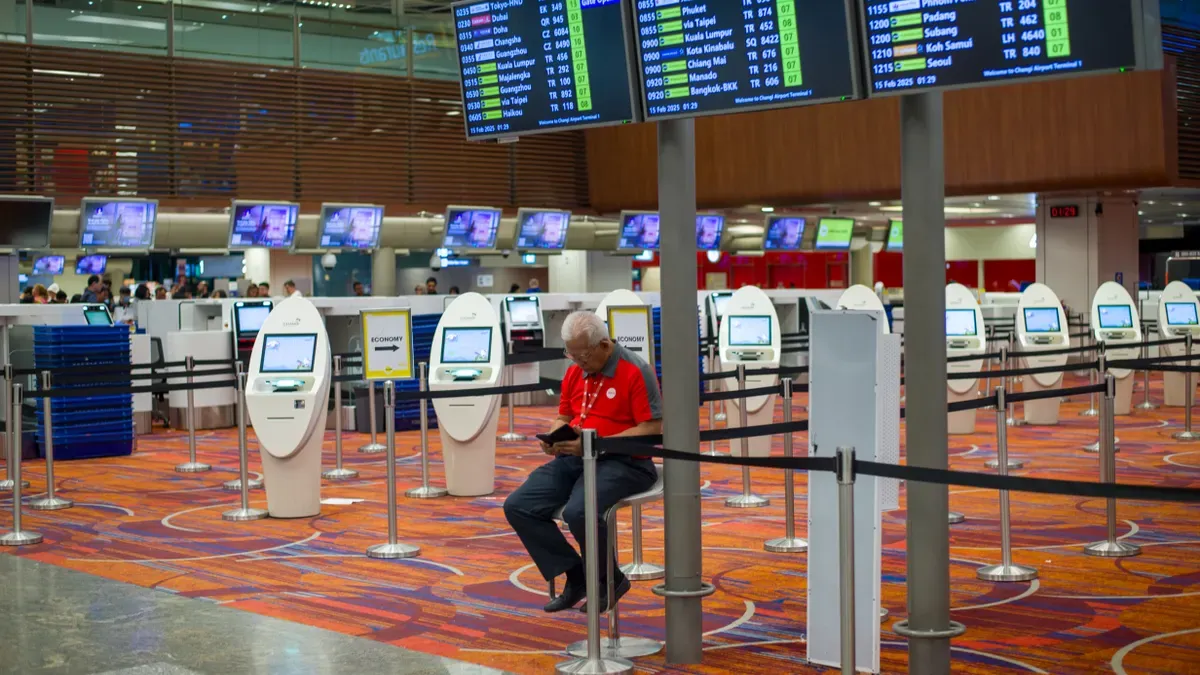
Standard IT reliability targets often fall short inside busy 24/7 airport terminals. A basic system uptime goal of 99% still allows 87.6 hours of yearly outage time. This lost time disrupts non-stop airport work, harms the passenger experience, and weakens terminal safety. Airport retail stores need constant uptime and smooth daily operations to earn money from travelers without stopping.
Managers track key performance metrics by using continuous digital network monitoring. They can quickly turn technical tools like MTTR, MTTD, and SLA drift into useful health checks. Today, modern airport retail teams change quick emergency fixes into smart, long-term preparation. They easily meet strict system uptime requirements and defend vital airport business day and night.
Key Takeaways
Normal goals for 99% system working time still permit 87 hours of yearly shutdown, creating major store delays at airports.
Constant digital network monitoring helps tech teams find hidden problems quickly and prevents major store shutdowns.
Offline-first POS systems save purchase data on the device during internet outages to keep checkout lines moving smoothly.
Automatic backup systems quickly switch store data to secondary internet lines when primary networks stop working.
System Uptime Requirements in Airport Retail
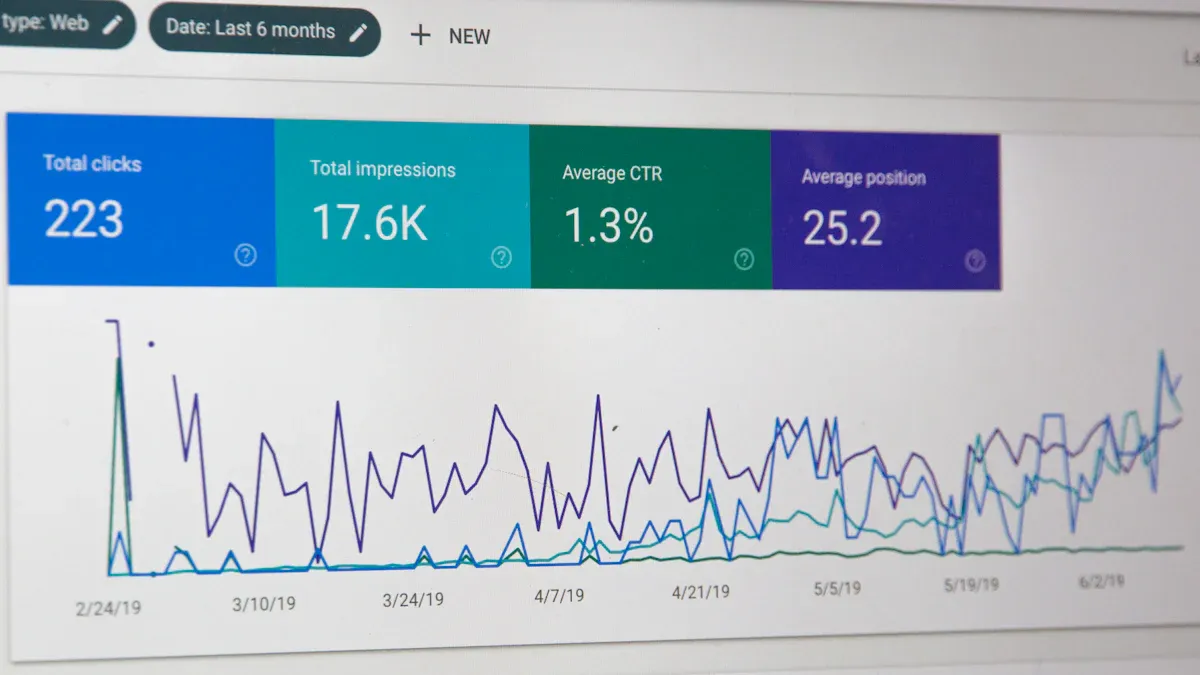
Modern airport stores need constant network access to function properly. Terminal shops stay open constantly to serve endless streams of travelers. Regular retail stores can handle short service breaks during late-night hours. However, airport stores must stay connected for registers, inventory tracking, and pickup orders. Safe daily operations depend heavily on steady digital networks throughout every terminal. A single network crash stops sales lines right away. This problem delays flights, crowds the terminal, and causes sudden safety risks for travelers. Modern airports need strict uptime goals to keep shops open and move people quickly.
Core Availability Metrics and SLA Drift
Engineers track system availability by setting precise uptime targets. Standard tech guidelines often treat 99% uptime as a good goal. Yet this level causes huge operational problems inside a busy airport terminal. The table below shows common uptime targets and their matching downtime impacts:
Uptime Percentage | Annual Downtime | Assessment for Airport Context |
|---|---|---|
99% | 87.6 hours / year | Over 3.5 days of blind spots annually — unacceptable for critical infrastructure |
99.9% | 8.76 hours / year | A full shift of lost telemetry — risky for safety-critical systems |
99.99% | 52.6 minutes / year | Under an hour — acceptable for most airport monitoring zones |
Reaching high system uptime protects non-stop store sales. Service level agreement drift happens when real uptime slowly drops over time. Tech teams must spot small connection losses before minor SLA drift leads to complete store outages.
Measuring the Financial Cost of Outages
System downtime causes instant money loss for airport retail sellers. Payment systems fail as soon as internet connections drop. Unfinished store sales quickly destroy revenue during busy flight departure times. Additionally, checkout delays hurt the customer experience severely. Travelers drop their shopping items and leave when register lines freeze. This annoyance ruins the shopping trip and permanently hurts customer trust. Unexpected outages also disrupt vital safety tracking tools in store areas. Store managers must focus on system uptime to protect steady sales, secure airport spaces, and maintain strong business results.
Analyzing Downtime and Root Causes
Today, airport stores fight a constant battle to stay fully online. Network tech teams need to uncover the reasons behind broken systems fast. Quiet digital failures hurt passenger security, freeze register checkouts, and disrupt entire terminal workflows. Regular equipment checkups and proactive watching lower the number of store outages throughout busy airports.
Telemetry Analysis in Airport Stores
Tech experts rely on smart tracking tools to check network health across store locations. Modern live-watching software spots hidden device bugs before big system crashes happen. Smarter platforms swap old paper records for constant monitoring and automatic warning alerts. These streamlined processes boost everyday store productivity. IT workers use these forward-looking numbers to stop store network slowdowns during sudden computer crashes.
Non-stop live monitoring keeps digital spaces safe and maintains high system uptime goals across all terminal areas.
Setting up automated data checks changes system uptime results in a big way:
Metric | Before Implementation | After Implementation | Reduction |
|---|---|---|---|
Mean Time to Detect (MTTD) | 42 minutes | 7 minutes | 35 minutes (83%) |
Key System Feature | Traditional, manual correlation | AI-powered semantic correlation | Automated alert generation |
Old-style tracking software slows down fixes in crowded airport shop setups. These older tools depend heavily on people writing rules by hand and checking data manually:
Legacy SIEM Performance: Speed gains happen very slowly in a straight line. Tech workers must learn new skills and tweak rules by hand, slowly bringing detection times down from 42 minutes to 31 minutes.
ATHA System Performance: Smart data platforms drop fix times on a steep downward line. The automated tool cuts out long delays caused by waiting for human help.
Core Mechanism: A smart computer model uses extra context to spot hidden errors instantly across systems. The connected setup fires off instant action plans to keep equipment running safely across every linked store device.
Tech teams save shop uptime by fixing network breaks right away. Quick problem detection keeps card readers working during busy plane takeoff times. Constant system watching stops major store crashes when big crowds arrive. Computer admins review old error logs to fix repeating hardware bugs, lowering outage dangers inside airport shops.
Retail Middleware and Payment Gateway Timeouts
Store apps use digital connecting software to send purchase details safely. Card systems send transaction data through online cloud networks. Unsteady airport Wi-Fi leads to long computer waiting delays. These tech delays ruin the buyer experience during busy airport departure times. Dependable software links keep store sales running smoothly during heavy flight takeoff hours, stopping costly outage losses.
Delays lasting 30 to 60 seconds on slow networks make shoppers walk away from purchases quickly. Crowded shopping rushes lead to huge checkout cancellation rates near 78 percent at card readers. Everyday tech glitches, like text-code delays on old networks or bank server crashes, regularly cause 20 to 30 percent of buyers to leave.
Airport shops lose crucial sales income when card systems stop working suddenly, creating expensive outage problems. Airport store leaders must enforce tight system waiting limits. Short time limits clear stuck card charges fast without freezing up checkout registers. Systems then push payments through secondary backup network lines automatically. Extra network paths protect card processing when main internet connections fail. High system uptime prevents screen freezes at checkout desks during busy flight boarding times.
Shop managers run constant safety reviews on local airport store equipment. Good preventative care stops software crashes before busy travel times start. IT teams enforce strict uptime rules across all shop payment tools. Stable system uptime protects steady airport store income, keeps inventory records accurate, and ensures easy travel experiences.
Resilient Infrastructure for Airport Stores

Modern terminal stores need constant network strength to keep up with tight flight schedules. Traditional cloud systems often fail when local connections drop. Therefore, terminal locations must adopt local edge computing and smart point-of-sale setups to guarantee service and transaction reliability.
Offline POS and Edge Architecture
Edge hardware processes sales data locally inside the shop instead of sending every request to remote servers. An offline-first register saves transaction logs directly onto local memory when a internet connection breaks. This architecture prevents terminal sales from freezing during wide network drops. Store staff continue scanning items and accepting payments without interruption. Once the primary link returns, the store register automatically syncs offline records back to central inventory systems. Local processing speeds up store operations, boosts shop efficiency, and satisfies safety standards for customer data protection.
Failover solutions detect outages automatically and reroute traffic to backup within seconds, ensuring continuity.
This approach protects high system uptime across every shop register. Edge nodes also take over local store processing, maintaining peak register performance during sudden flight delays. Continuous uptime protects store income when heavy crowds fill the terminal corridors.
Automated Failover and Redundant Networks
Airport network managers deploy hardware redundancy strategies to eliminate single failure points across terminals. Dual core switches provide physical redundancy by running active backup links for local store networks.
Auto-pathing flips data away from dead links straight onto working backup lines fast.
Matching systems mirror store logs so no orders get erased during sudden hardware crashes.
SD-WAN setups group MPLS, internet, and cellular connections to trim retail web costs.
Engineers implement automated failover technology to maintain strict operational requirements. SD-WAN routers test primary links continuously using active network monitoring. The system reroutes store traffic to secondary cellular links within seconds when a primary fiber connection drops.
Protocol | Ideal Use Case | Key Characteristics |
|---|---|---|
ERPS (Ethernet Ring Protection Switching) | Ring-based network architectures common in airport layouts | Faster, deterministic failover times |
RSTP (Rapid Spanning Tree Protocol) | General Layer 2 topologies, widely adopted in enterprises | Flexible, suited for complex mesh or tree structures |
Proactive server health monitoring allows IT teams to spot connection issues before whole networks fail. Switches validate server health at set intervals to lower mean time to resolution metrics. Automatic failover protects pre-order sales and live inventory updates for airport retail operators.
Continuous infrastructure checks reduce unplanned downtime across terminal shops. Scheduled system maintenance keeps edge processors updated and prevents sudden hardware failures during peak hours. Furthermore, dual wireless channels offer extra network redundancy for mobile terminal devices.
Airport operators use always-on technology to maintain consistent operational safety across public spaces. Uninterrupted retail uptime preserves a pleasant shopping experience for passengers waiting near departure gates. Strong redundancy strategies also protect critical airport safety systems by isolating store traffic from flight control networks. Ultimately, investments in network uptime increase daily retail revenue and enhance overall traveler safety inside terminal spaces.
Operationalizing Retail Resilience
Predictive Maintenance for Terminal Hardware
Tiny digital monitors check the physical tools inside each airport store day and night. Heat meters and movement readers send live hardware updates every 15 seconds to 5 minutes. This live tracking replaces old paper checks in crowded terminal areas where travelers gather. Tech workers build steady health reports for main store tools through simple routine fixes. Fixed repair schedules defend system uptime across active checkout networks, keeping equipment running smoothly without stopping.
Smart computer tools check incoming sensor details against regular daily activity levels. The program spots small setup bugs and gives workers nearly two weeks of early warning before equipment breaks down. Using this smart planning platform helps staff catch over two hundred growing tech issues across key store systems. This quick repair strategy cuts total gear breakdown hours in half. Adding smart maintenance tools helps managers save system uptime, stop sudden register crashes, improve work output, and shield store uptime with continuous checks.
Rapid Incident Response Standards
Airport managers run main control centers to handle terminal problems around the clock. This single team blends risk detection, live tracking, and quick problem sorting in one central office. The hub maintains constant watching across busy terminal shops, luggage zones, and parking garages in crowded airport buildings. Constant watching protects physical safety for visitors while improving general work flow across the building. Simple reaction plans meet tough business survival goals while keeping travelers safe across terminal gates.
Fast sorting steps let IT experts fix small issues before broken gear ruins the traveler experience. Automatic action plans block broken network gear and move shop registers to backup systems right away. This quick response stops expensive store outages and protects full system uptime. Early danger tracking boosts traveler safety through crowded terminal halls. Dependable gear work secures regular store income. Fast problem solving maintains high register uptime, improves shop performance, lowers overall downtime, and guards long-term terminal safety.
Retail bosses change plain outage numbers into smart plans for keeping systems online by checking live network data early. Busy airport shops must meet tough connection goals that stay above 99.9% uptime. Smooth internet speeds protect the traveler experience while cutting down on sudden system breaks. Modern offline tools keep store registers running even when online payment systems crash suddenly.
A regular signal checks vital shop gear every 10 seconds to spot broken connections fast.
Store managers should review backup register setups inside every terminal across all airport locations. Strong digital networks guard daily airport tasks while boosting safety for every traveler. Steady system uptime protects total store safety, improves shop output, guards terminal areas, and builds strong long-term work plans.
FAQ
Why is 99% system uptime insufficient for airport stores?
An uptime target of 99% allows more than 87.6 hours of network downtime every year. Busy, non-stop airport spaces can never handle such long work breaks. Sudden system outages disrupt steady traveler foot traffic, lock up sales registers, slow down advance pickup orders, and trigger huge money losses across open terminal areas.
How does offline-first edge architecture protect retail sales?
Edge systems handle sales on local shop computers during internet network crashes. Store registers save locked payment logs right into local computer memory whenever main online links drop. The computer software automatically sends these saved records back to central inventory databases after primary internet access turns back on, keeping checkout lines moving smoothly.
What is SLA drift in airport retail environments?
Service level agreement drift happens when real network health slowly drops over many days. Small connection losses build up quietly before tech workers ever spot total system crashes. Smart tracking tools catch these tiny data gaps fast, stopping small connection drops from growing into major storewide network outages across the airport.
How do automated failovers improve incident response times?
Automated backup systems watch main network connections day and night without stopping. Smart SD-WAN routers spot line drops instantly and flip shop data over to backup cellular networks in a few seconds. This automatic switch cuts out slow manual repairs, shielding active payment systems and dropping average fix times across all location monitors.
See Also
How Smart AI Tools Revolutionize Everyday Online Store Management
What Modern Retailers Should Learn About Automated Corner Stores
Converting An Old Container Store Into A Vibrant Community Hub
Examining The Key Benefits And Hurdles Of Walgreens Self-Checkout
Understanding Essential Corner Store Fundamentals And Their Lasting Value
