How to Implement AI-Powered Automation for Material Management on Construction Sites

Poor material management costs large construction sites millions every year. Companies like VINCI, Skanska, and Bouygues deal with lost supplies, too much paperwork, and compliance problems all the time. You need a better solution. This guide gives you a clear plan. You will find problem areas, choose the right ai tools, connect them easily, and grow your results. Real projects show that ai-powered material management construction removes manual mistakes and increases efficiency by 80%. With ai, robotics, and smart scanning, your team gets full tracking from start to finish. Ai in construction is no longer a choice. Robotics and ai now do what spreadsheets cannot. This method works for any construction project. Robotics, ai, and steady effort change how you handle materials.
Key Takeaways
Find your material management problems first. This step shows where AI can help most.
Choose AI tools that fit your site. Infrared scanning and smart shelves track materials without contact.
Connect AI to your workflows. Workers swipe a pass and AI records everything automatically.
Train your team in small steps. Most workers learn the system in one shift.
Track your results. AI cuts errors and boosts efficiency by 80%.
Assess Pain Points in Construction Material Management
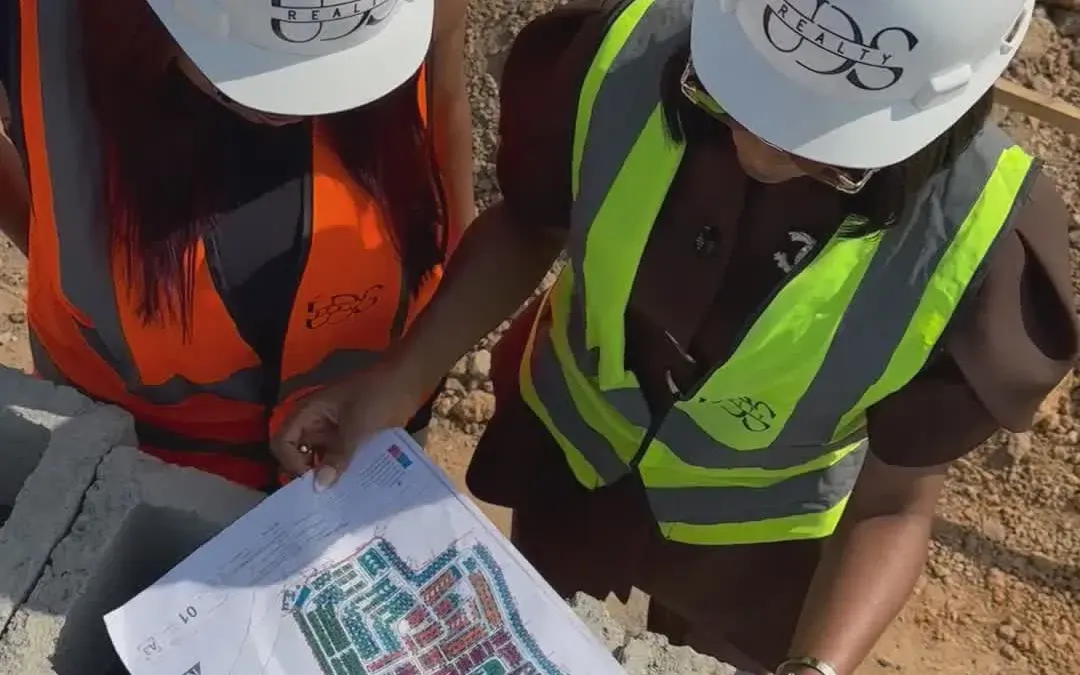
Before you start any solution, you must know your current problems in construction material management. Big construction leaders like VINCI, Bouygues, and Skanska face common challenges on sites: traceability gaps, too much paperwork, safety compliance issues, and low productivity. These problems drain resources from every construction project. Start by checking your workflows. Find where manual steps cause errors. This review shows where robotics and ai give the best return on investment.
Identifying Traceability and Distribution Bottlenecks
Start with a planned audit of your construction workflows. Pick the 3-5 most important processes to check first. Write down every step from start to finish. Note who starts each action, each handoff between teams or systems, and where data gets entered or re-entered. Include decision points and paper documents. This current-state map shows hidden waste.
Gather performance data for each workflow. Measure average cycle time, handoff count, error rates, and manual effort hours.
Find specific waste types. Look for waiting time, duplicate entries, rework from errors, over-processing, and motion where people chase approvals or materials.
Turn waste into real costs. Calculate labor hours, delay costs from approval bottlenecks, rework expenses, and compliance penalties from missing documentation.
Make a clear audit report. Include current-state maps, waste analysis, cost figures, and priority rankings by improvement potential.
This process shows repeated errors. Lost materials and wrong counts often show up at certain handoff points. Poor tracking systems fail to record item movements. Construction management software gaps create data blind spots. Robotics and ai solutions like infrared scanning replace manual registration with zero-contact verification. You get full traceability without human data entry.
Quantifying the Cost of Manual Errors and Compliance Gaps
Once you find bottlenecks in your construction processes, figure out their financial impact. Manual logging errors cause rework and delays. Safety compliance gaps lead to fines and project shutdowns. Every wrong inventory count triggers costly emergency orders. Lost consumables like bolts, fasteners, and safety gear add up to big losses over a project timeline.
Design your audit to capture these specific costs. Record labor hours wasted on manual inspections and corrections. Write down delays caused by missing materials. These errors directly affect project productivity. Find compliance documentation gaps that put your site at risk for penalties. This cost data builds your business case for ai automation with complete material tracking. Robotics and ai systems remove these expenses by automating traceability from start to finish. Your construction management software should connect directly to these automated systems for real-time synchronization.
After you assess these pain points, you can calculate the ROI for ai-powered automation with robotics. The next section guides you through picking the right technologies for your specific site conditions.
Selecting AI-Powered Material Management for Construction Automation

After you find your pain points, you must pick the right tools for your site. The market has many choices for construction automation. You need systems that match your site conditions and give real results.
Running AI Infrared Scanning for Zero-Contact Tracking
Think about this workflow. A worker swipes a work pass to enter a smart material station. AI infrared scanning records every item taken without any manual sign-in. The data syncs right away to the engineering material management platform. Items include safety helmets, belts, gloves, goggles, scaffolding fasteners, and bolts. This zero-contact process cuts administrative work and removes human error. Workers just swipe and take. The AI tracks materials quietly in the background.
This method changes how you handle construction materials. Old methods make workers log each item by hand. That causes delays and mistakes. AI-powered material management construction removes these steps completely. You get full traceability without burdening your team. The system records who took what, when, and from where. This data goes straight into your construction management software for real-time visibility.
Check different scanning technologies for your site conditions. Infrared scanning works well in dusty places and low-light areas. Some sites need radio-frequency identification for bulk items. Others gain from computer vision for high-value equipment. Test each option in your real site conditions before you commit. Think about things like weather exposure, material types, and worker traffic patterns. The right technology for construction automation depends on your specific needs.
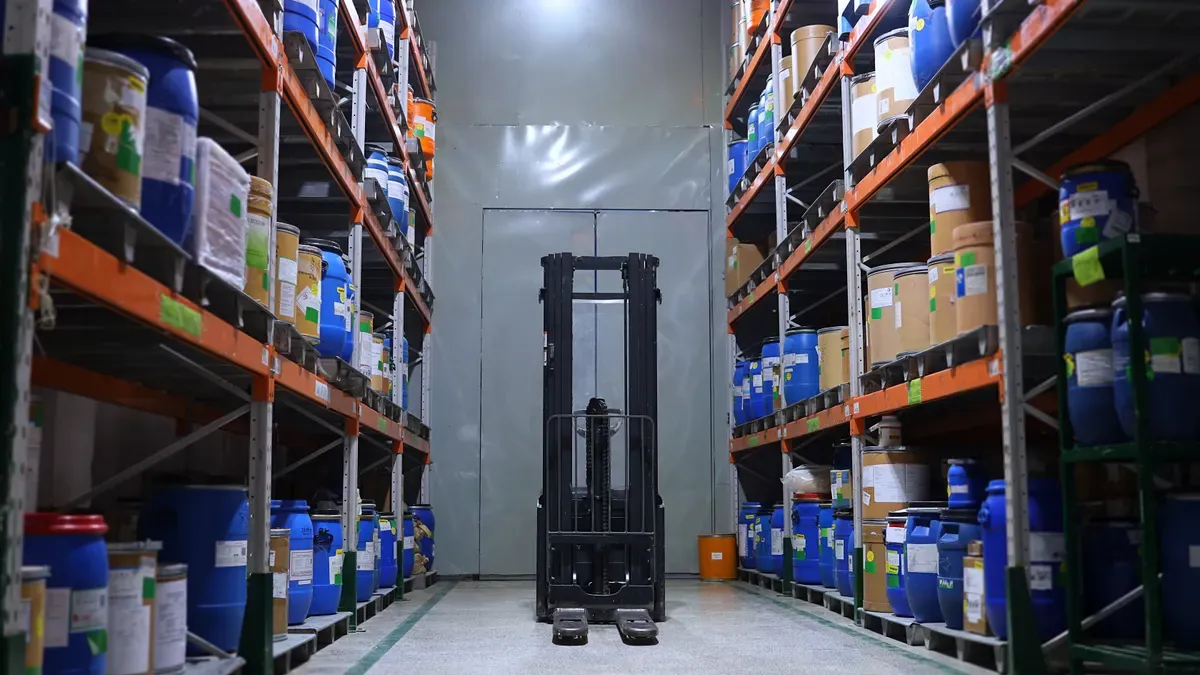
Organizing Materials with Intelligent Shelving
Intelligent shelving brings material management to the next level. AI-powered shelf intelligence uses cameras and sensors to constantly scan and check inventory. The system reads barcodes and text on labels, counts cases and pallets, and finds discrepancies on its own. Computer vision and machine learning track inventory with very high accuracy. This almost removes errors from manual counts.
Instead of periodic spot-checks, you get constant monitoring. The platform makes a real-time digital record of each item's location and status. Managers can instantly look up any SKU to see what is in stock and where it sits. The system flags any discrepancy between physical inventory and your records. It alerts staff right away to missing or misplaced items. This real-time insight allows proactive management, like triggering a restock for a near-empty bin.
Shelf intelligence finds which products are not on the shelf and those with low stock levels based on a customizable threshold. Machine learning models recognize packaging, logos, and different SKUs. The system makes a digital twin of the shelf and compares it to the ideal layout. This ensures up-to-date stock visibility and helps remove stockouts and phantom inventory. According to IHL Services, inventory mismanagement costs retailers $1.7 trillion annually. By reducing out-of-stock scenarios, retailers have increased store revenue by up to 2.5%.
The system connects directly with inventory management systems and ERP software. Data captured on the floor is at once reconciled with inventory records. When the AI finds a discrepancy, it automatically logs an exception and notifies the right personnel. This level of construction automation boosts productivity and cuts waste. You gain full control over your material management processes.
Robotics and AI work together in these systems. Robotics handle physical movement while AI manages the data. This combination gives the accuracy your construction projects demand. The next section shows you how to integrate these tools into your existing workflows.
Integrate Construction Automation Into Site Workflows
You have picked your new AI material management system. Now you link it to your site work. This step decides if you succeed. Good setup and training help it work smoothly. Workers swipe a pass and take materials. AI keeps track of everything without extra work.
Building Seamless Data Integration
Your AI scanner must link straight to your material system. This link lets data update as it happens. Each swipe of a pass changes your records right away. Each scanned item shows up in seconds. You no longer need to upload batches or check by hand.
First, map how information moves. List key details: worker ID, item type, amount, time, and place. Your AI records all these during each swipe. Team up with IT to set up an API link between the scanner and your software. This lets data flow without people doing anything.
Test the link with sample swaps before you go live. Make sure each detail is correct. Look for lag. Real-time means seconds, not minutes. Your team needs up-to-date stock and tracking info to make good choices.
The setup helps automation by starting actions. When stock gets low, the system makes a restock request. When a worker takes a helmet, AI updates the safety log with no paper. Robots get and sort materials on smart shelves. Data flows from scanner to system to robots and back. This loop cuts out all hand entry. Your software always matches real life. AI shows its worth through this behind-the-scenes work. Your people no longer type numbers or write notes. AI records it all.
Training Staff and Piloting the New System
Start the system in a test zone. Pick one storage area or one team's station. This small test checks the workflow without messing up your whole project.
Train your logistics team first. They learn how the AI scanner works. They learn to read data in your software. The training is easy: swipe a pass, AI scans each item taken, and data syncs on its own. No hand entry. No paper.
For site workers, show the swipe-and-collect steps. Give each worker a pass. Show them how to use the scanner. Tell them that the system tracks items. Most workers get used to it in one shift. AI needs no tech skills from your people.
Use the test to measure results. Compare times to get materials before and after. Check for mistakes in records. Track how fast your team works. The system shows quick wins. Share these numbers with your team to build trust and use.
Roll out the full system after the test works. Add it area by area using the automation workflow. Use AI to plan the rollout steps. Add one team at a time. Have support staff ready during the switch. Within two weeks, most workers use it without help.
Next, add robots. Bring in smart shelves and robots to get materials. AI tells the robots which items to fetch. Workers get materials faster. Robots do the heavy work while the system tracks each item. This mix gives you full automation: no touch, no mistakes in material handling.
Your team feels less frustrated. They spend less time looking for supplies. They focus on the real work. The system handles the paperwork load. Your project gets faster, more trackable, and in control. Automation becomes a way to beat competitors.
Measure Efficiency Gains and Scale Results
You need proof that your investment works. A recent use shows clear results. Material distribution efficiency got better by about 80%. Manual logging errors and missing items dropped to zero. You get full material tracking for every item. These results give you the numbers to justify growth.
Tracking Key Performance Indicators
You must track the right metrics to prove success. Focus on these key performance indicators for your ai-powered material management construction system:
Material Yield Variance measures the gap between real and standard material use.
First Pass Yield counts items built right the first time with no rework.
Cycle Time tracks how fast you fill material requests.
Machine Downtime Rate captures equipment availability.
Production Attainment shows your ability to meet target production levels.
An automotive supplier used a similar approach. They cut inventory by 30% and raised availability to 99.2%. Capital tie-up dropped by €2.1 million within 18 months. Order frequency fell by 40%. These results show that distribution efficiency, error reduction, and traceability are real success signs. Your construction management software should feed this data into dashboards. You then spot trends and fix problems fast.
Expanding the Digital Foundation
Use these proven metrics to scale your system. Start with one pilot project for 3–6 months. Define clear success metrics before you begin. Involve operations leaders, field supervision, IT, and subcontractors. Connect ai data with your current inventory and procurement platforms. Do a formal review of pilot results. Then decide whether to expand.
Many firms start with one pilot project to quantify benefits before scaling AI tools across their portfolio.
Digital traceability builds your base for broader transformation. Every material gets a digital passport with its full history. Real-time validation flags problems right away. This approach shifts compliance from looking back to ongoing. The dataset you create supports predictive analytics and machine learning models. These models predict defects before inspection. Your construction automation investment then spreads across transport, energy, and civil engineering sectors. You build safer, smarter construction projects with data-driven insights. This base also supports sustainability goals through better material reuse and tracking.
Start by assessing, selecting, integrating, and measuring. Workers swipe a pass to get materials, and the ai handles tracking. This approach works for your construction site and changes every phase of the project.
Your construction management software connects to ai, tracks all movements, and pulls data from sensors. Ai checks every transaction to make sure it's correct. Robotics takes care of handling by moving items, cutting wait times, and removing the need to search for materials, creating a smooth workflow.
Results speak clearly: You achieve 80 percent efficiency with zero manual errors. Tracking supports sustainability goals. Ai records every movement and powers your foundation, enabling data-driven decisions that drive your advantage.
Start today by scheduling a consultation to transform your next construction project with ai-powered automation.
FAQ
How does AI infrared scanning work on a construction site?
A worker swipes a work pass at a smart material station. AI infrared scanning records every item taken without manual sign-in. The system notes who took what, when, and from where. Data syncs right away to your engineering material management platform. This zero-contact process removes human error and administrative work.
What materials can the AI system track?
The system tracks safety helmets, belts, gloves, goggles, scaffolding fasteners, and bolts. Smart shelving uses cameras and sensors to check inventory all the time. Machine learning models recognize packaging, logos, and different SKUs. You get full visibility across all consumables and high-value equipment on your construction project.
How long does it take to train workers on the new system?
Most workers learn the swipe-and-collect workflow in one shift. Training is simple: swipe a pass, AI scans each item taken, and data syncs on its own. No manual entry or paperwork is needed. Your team needs no technical skills. AI handles all tracking quietly in the background.
What results can I expect from AI-powered material management?
A recent deployment showed about 80% better material distribution efficiency. Manual logging errors and omissions dropped to zero. You get end-to-end material traceability for every item. These metrics justify scaling the system to more construction projects across transport, energy, and civil engineering sectors.
How does the system support sustainability goals?
AI records every material movement and makes a digital passport for each item. This base supports better material reuse and tracking. You cut waste through real-time validation and proactive restocking. The dataset you build also powers analytics and predictive analytics models for smarter, data-driven decisions on future construction sites.
See Also
Ways AI-Driven E-Commerce Solutions Are Changing Online Shop Operations
Reasons AI-Enabled Retail Shops Represent The Coming Future
AI-Enhanced Combo Vending Machines: Key Features And Advantages For Today's Retail
Growth Of AI-Driven Neighborhood Stores: Essential Information For Retail Business Owners
Steps To Launch An AI-Enabled Corner Shop With Very Low Investment
