Key benefits of deploying an autonomous micro store in Hospitals & healthcare facilities

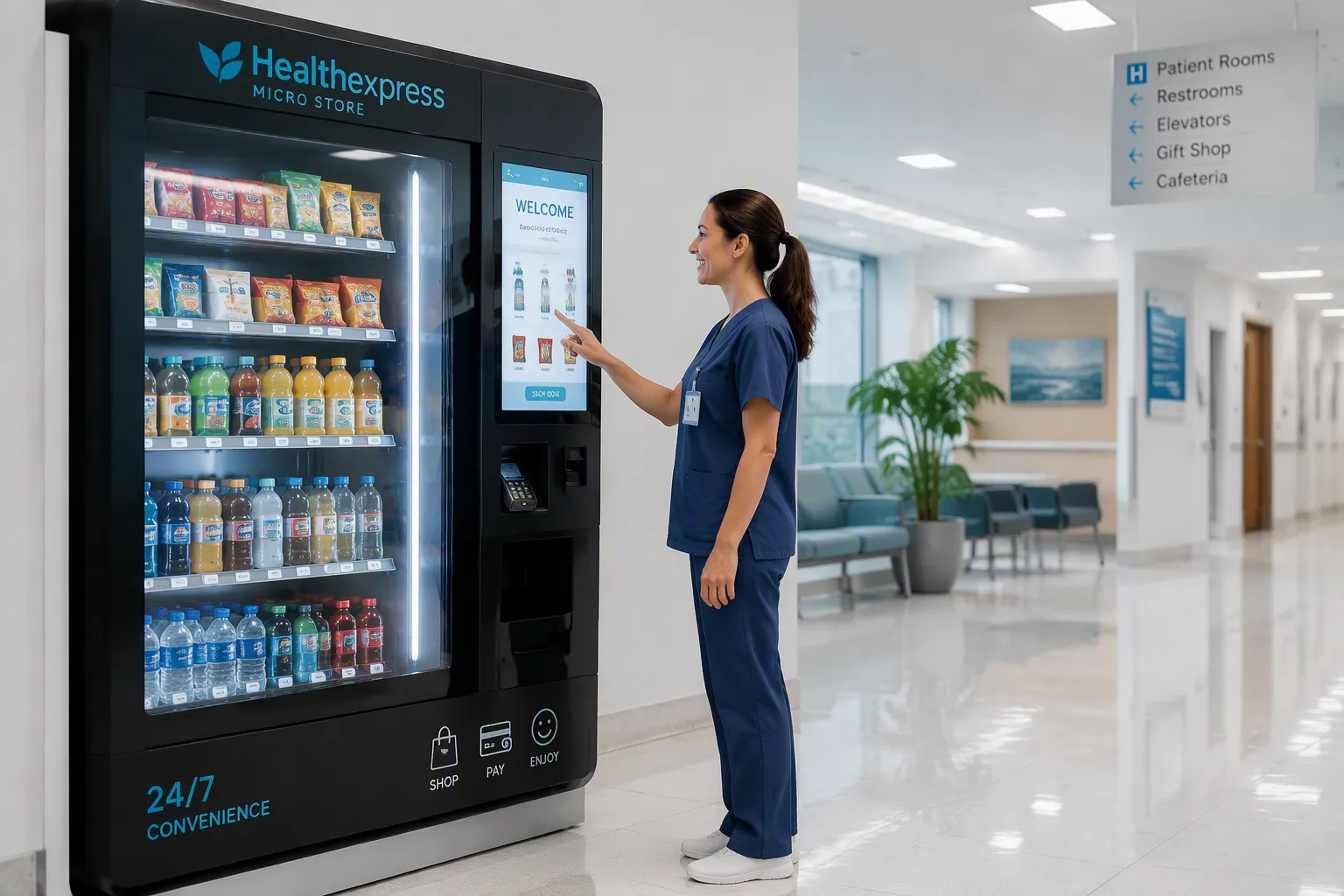
Hospitals face constant pressure. 24/7 demand, strict hygiene rules, and big staff shortages strain all resources. The national nursing shortage in 2026 reaches 8.06%, with 263,870 registered nurse jobs unfilled. Licensed practical nurses have a 14% shortage. How can hospitals give access to food, supplies, and medicine without adding to staff workload? The autonomous micro store offers a practical solution. These small, automated retail units work 24/7 without human supervision. Key benefits include smoother operations, less staff burden, better experience, safety, and strong return on investment.
Key Takeaways
Autonomous micro stores run around the clock with no staff, so supplies and medicines are always ready.
These stores cut down staff work by automating deliveries, so nurses can spend more time caring for patients.
They boost patient and visitor happiness by giving easy access to food and basics around the clock.
Automated systems help stop the spread of germs by reducing how much people touch things and each other.
Micro stores give a strong return on investment by cutting labor costs and managing inventory better.
Key Benefits for Making Hospital Work Run Smoother
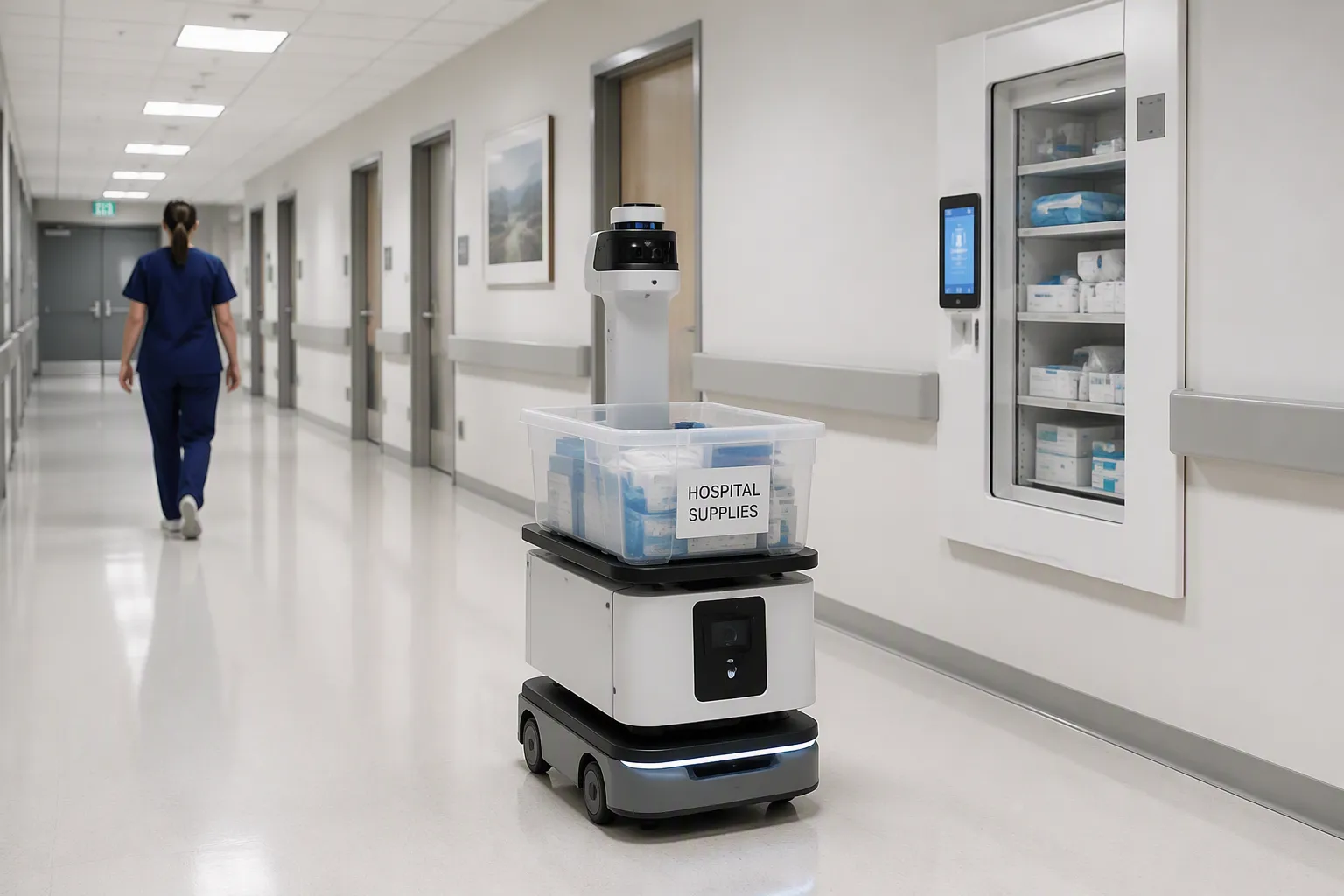
Hospitals work like big, busy shipping centers. Supplies, medicines, and equipment need to keep moving from one department to another. Old ways of moving things take up a lot of time and worker energy. Autonomous micro stores change how this works in a big way.
Allowing 24/7 Automated Supply Handling
Autonomous micro stores act as mini supply hubs that work on their own. They run all day and night without any people helping. These systems link directly to the hospital's supply tracking computers. They watch how much stock is left in real time and order more when needed.
The improvements can be measured. A study checked by other scientists in Scientific Reports compared robot delivery to people delivering items. The robot group got items to places 32% to 36% faster than the people group. This difference was shown to be real, with a p‑value under 0.001. Faster delivery helps patients get better care. Nurses get the supplies they need right away, not only when someone can step away from other jobs.
AI‑driven stock systems add extra smartness. These systems keep an eye on supply levels all the time. They spot problems before supplies run out. They order more on their own, acting like a helper that keeps things in stock without bothering doctors or nurses. Hospitals that use these systems report 15‑20% lower costs for supplies. Some top‑performing setups never ran out of stock, showing that automated supply moving is reliable.
The money part is worth noting. Paying workers to move supplies takes up a big part of a hospital's budget. Automation cuts this cost a lot. The system takes over routine deliveries that used to need staff time. Those staff members can then spend their time on patient care and other important tasks.
Moving Through Busy Hospital Hallways
Hospital hallways have special challenges. They are crowded, tight, and full of surprises. Staff members move fast. Patients ride on gurneys. Visitors walk between units. Equipment blocks paths. Old‑style delivery carts have a hard time in these spaces.
Autonomous mobile robots (AMRs) get around these areas very easily. Their small size lets them go through narrow gaps. Their sensors spot obstacles and change the route right away. They move safely around people without blocking traffic. This skill is especially helpful for small but urgent items. A single dose of medicine, a specific lab sample, or an urgent item arrives fast without needing a staff member to leave their station.
The gains go beyond just speed. Hospital managers watch several key numbers to see how well the supply process works. These numbers give a clear look at how the hospital is doing:
Metric | Description |
|---|---|
Inventory Turnover | Measures how fast supplies are used and restocked. A high number means supplies are managed well and less money is tied up in storage. |
Fill Rate | Percentage of requested items that are delivered. A high fill rate means supplies are always available for patient care. |
Cost Per Patient Day | Total supply and equipment costs for each patient each day. A lower cost means resources are used well and spending is controlled. |
Autonomous systems make all three numbers better. Real‑time tracking gives a constant view of stock levels across departments. This view allows supplies to be ordered just in time and cuts down on waste. Computer vision removes the need for manual counting and reduces mistakes. AI systems spot possible shortages before they happen.
The key gains from this method go beyond simple ease. They are a big improvement in how hospitals handle their internal supply chains. Places that set up autonomous micro stores get a lead in running things efficiently. They give better care at lower cost while putting less strain on their workers.
Reducing Staff Burden and Physical Strain
Nurses and other staff have a hard physical job. They walk many miles each shift. They push heavy supply carts. They move medicines between departments. This work wears them out. It also steals time from patients. Autonomous micro stores fix this problem.
Automating Medication and Supply Deliveries
Pharmacy teams spend hours each day moving supplies. They get medicines ready. Then they take them to hospital units. This takes pharmacists away from patient care. It also slows down medicine delivery. Autonomous mobile robots do this work instead. The robots take medicines from the pharmacy to nursing units. They move through hallways without help. They arrive on time. They deliver without mistakes.
The earlier study in Scientific Reports found robot deliveries were 32% to 36% faster than human ones. Faster delivery means patients get medicines sooner. It also means pharmacy staff stay in the pharmacy. They focus on checking prescriptions. They look for drug interactions. They prepare doses correctly. The transport job is gone from their daily work.
Supply deliveries work the same way. Central supply staff no longer take small items to each unit. The autonomous system does those trips. Staff avoid the repeated lifting and walking that cause injuries. Hospitals report fewer body pain complaints from support staff. The work gets easier.
Freeing Clinical Time for Patient Care
Nurses are interrupted all the time. One patient needs pain meds. Another needs clean sheets. A third needs a blood pressure cuff. Each request makes the nurse search for supplies. These trips waste precious minutes. They stop clinical focus. They cause more tiredness.
Autonomous micro stores put needed items near care areas. Nurses grab what they need in seconds. They don't walk far. They don't search storage rooms. They go back to the patient fast. This speed leads directly to better care. Nurses spend more time watching patients. They react faster to changes. They give more comfort and attention.
The main benefits go beyond convenience. Staff feel happier when their work is meaningful. Nurses become nurses to care for people. They quit when supply jobs take over their shifts. Automation takes away that frustration. It brings back the human connection at the center of healthcare. Hospital leaders see the difference in how many staff stay and how happy patients are.
Improving the Healthcare Experience
A hospital stay is about more than just medical care. The food quality, access to basic items, and overall comfort shape how patients and families feel about their time there. Setting up an autonomous micro store directly improves these comfort areas. This technology creates a warmer, more inviting space for everyone in the building.
Offering On-Demand Items for Everyone
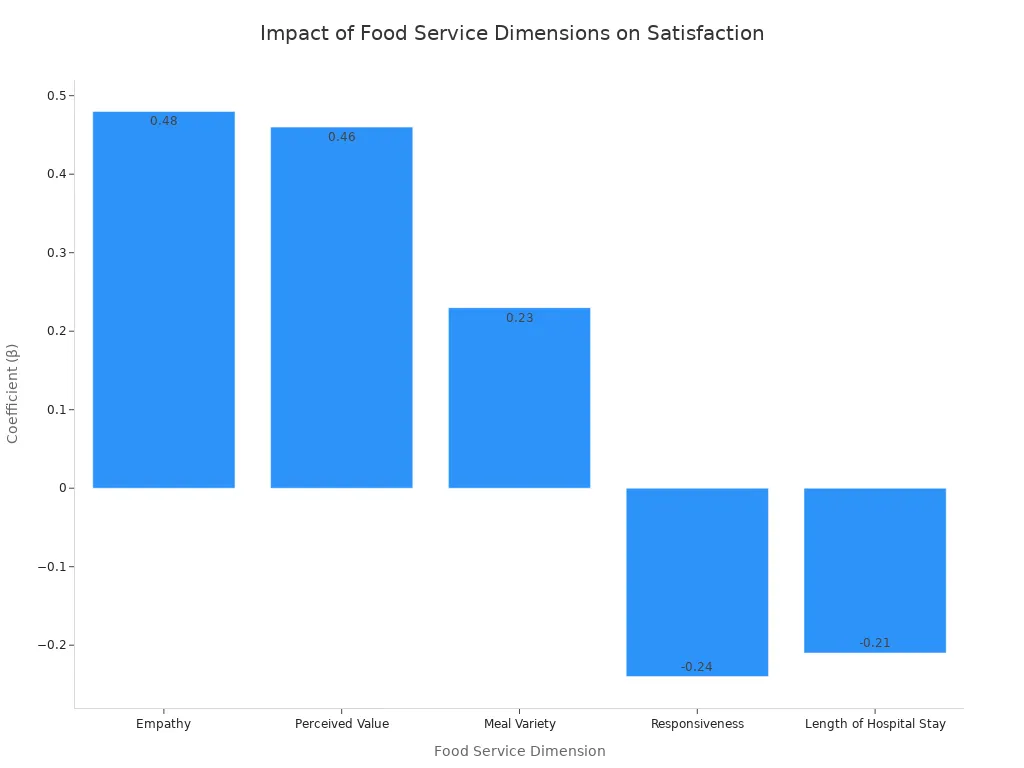
Having steady access to different foods and shopping choices leads to happier visitors. Data shows that empathy (β = 0.48, p < .001) and perceived value (β = 0.46, p < .001) are the strongest positive factors in satisfaction with hospital extras. Meal variety also helps (β = 0.23, p < .05).
“Patient satisfaction scores overwhelmingly reflect patients’ satisfaction with hotel-like amenities and hospitality services, such as quiet rooms, better food and friendly nurses. … Interpersonal communication by nurses – such as their responsiveness and compassion (not their technical skill) – was a far bigger factor in patient satisfaction, with scores varying by nearly 27 percentage points. In contrast, death rates affected satisfaction by only 2 percentage points.”
An autonomous micro store delivers these key comfort features every time. It offers round-the-clock access to healthy quick meals, boutique-style gifts, logo clothing, and useful items like warm jackets or tote bags. This range turns a simple shop into a positive stop that boosts satisfaction scores. Staff, patients, and visitors all gain from having these choices open at any hour.
Helping Families and Caregivers
Families often spend long, tough hours at the hospital. Leaving the building to grab a snack, a phone charger, or fresh clothes adds worry and takes them away from their loved one. An autonomous micro store fixes this by putting needed retail options right inside the care area.
Popular buys include hoodies, jackets, handbags, jewelry, scarves, gloves, and fun gifts like 'Proud Grandpa' hats. Having these ready 24/7 without walking through a busy shop or leaving the unit brings real relief. Working with local sellers, like featuring a favorite neighborhood coffee brand, shows community support and builds stronger trust with families.
The main gains for families are less stress, easier access, and a greater feeling of support during hard times. Onsite activities, such as healthy cooking demos or local farm pickups, can also boost a food-as-medicine approach. By improving the full experience for everyone who walks in, the autonomous micro store turns a simple purchase into a moment of real care and connection.
Ensuring Safety and Financial Viability
Enhancing Infection Control Measures
The COVID-19 pandemic showed serious problems in hospital stores and supply chains. Surfaces that people touch a lot spread germs. Staffed kiosks needed constant human contact. Every time someone bought something, germs could pass. Autonomous micro stores remove all these risks.
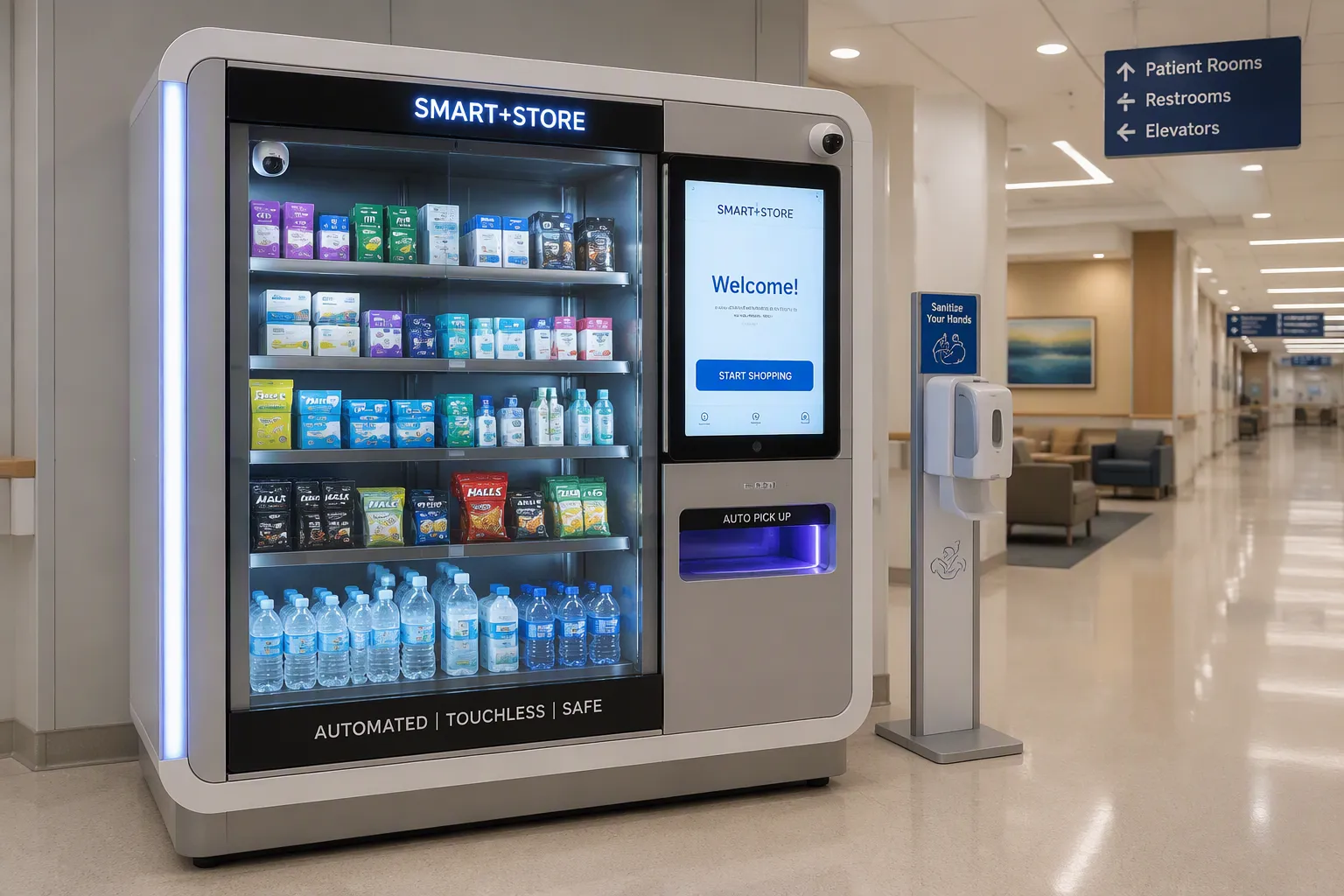
These systems work without cashiers or helpers on the floor. Customers use touchscreens and machines that give out items. The technology cuts down on people-to-people contact in busy areas. Hospitals can put these units in lobbies, waiting rooms, and hallway corners where infection risk is highest.
Autonomous systems also help with strict cleaning rules. The units have surfaces that fight germs and clean themselves. Items move through sealed spaces, so they are less likely to get contaminated. During outbreaks, hospitals can lock access from far away but still keep the store open. This flexibility was very useful during COVID-19 surges when there were not enough workers.
The infection control benefits go beyond customer safety. Supply chain workers no longer touch items over and over. Medicines and supplies go from storage to patient units through automatic channels. Every time you remove a touch, you lower the chance of spreading germs. Hospitals that used autonomous systems during COVID-19 reported fewer supply-related infections among staff.
Delivering a Strong Return on Investment
Hospitals always deal with tight budgets. Every department must show that its costs are worth it. Autonomous micro stores give clear money returns that regular stores cannot match.
Hospitals need important items all day and night. But the number of shoppers is often not high enough to run a staffed store 24/7. An automated kiosk fills this gap with much less cost. The system gets rid of cashier pay, floor staff wages, and extra costs like benefits. Regular stores also have ongoing labor costs that can go up and down. Autonomous systems remove this cost completely.
The starting price for autonomous technology is higher than for regular kiosks. But the return on investment grows quickly with more sales. Busy hospital areas generate steady sales all day and night. The automated model makes money faster than stores with staff in these places.
Inventory management saves more money. AI-powered tracking stops overstocking and cuts down waste. Real-time data shows exactly which items sell and which do not move. Hospitals keep improving their product choices. Supply costs drop because they do not hold onto items that do not sell. The mix of lower labor costs, less waste, and better stock levels makes a strong money case.
The main benefits of this model are clear when you compare total running costs. Autonomous systems run all the time without breaks, overtime pay, or extra shift costs. They never call in sick. They need very little maintenance compared to paying workers. For hospital leaders watching every dollar, the money argument gets stronger every year the system operates.
These four benefit areas work together. Operational efficiency reduces staff strain. Staff relief improves patient experience. Safety measures protect everyone. Financial viability sustains the entire system. Together, they create a resilient, patient-centered facility.
Autonomous micro stores represent a strategic investment, not a convenience. They address staffing shortages, infection control mandates, and budget pressures simultaneously. Hospital administrators should evaluate their unique operational needs. A pilot deployment offers measurable insights without major commitment. Automation will define healthcare's future operations. Facilities that adopt this technology now position themselves for long-term success. The evidence supports action. The time to explore this solution is today.
FAQ
How much floor space does an autonomous micro store require?
Most units take up about the same space as a group of vending machines, typically fitting into a small footprint. Makers offer different setups that fit into corners, alcoves, or wall nooks. Buildings can change the layout to match the space they have without blocking the normal flow of people.
What security measures protect medications and controlled supplies?
Access control systems keep sensitive items only for approved workers. Staff use badges, PIN codes, or fingerprint scans to unlock restricted products. The system logs every action, noting who got what and when. This gives a full record to meet rules and regulations.
How do these systems handle power outages or network failures?
Autonomous micro stores have battery backups that keep them running during short power cuts. The systems save transaction data on the spot and update the hospital network when it comes back. Units still give out important items even if central servers are down, so critical supplies stay available.
Can the store integrate with existing hospital inventory systems?
Yes. The micro store connects through standard computer links to major hospital supply and ordering platforms. Inventory data flows in both directions in real time. This lets the system order more items automatically when stock gets low. It stops workers from entering data twice and gives managers a clear view of all supply points.
What maintenance do these units require?
Routine upkeep means restocking products, cleaning screens, and running regular checks. Most makers use remote monitoring that tells staff about problems before they cause a breakdown. For busy spots, service happens frequently. Full maintenance is performed periodically.
See Also
Global Automated Retail: Micromarkets Versus Smart Stores Explained
The Future of Retail: The Rise of AI-Powered Stores
Modern Retail Benefits: AI-Enabled Combo Vending Machines Features
Retailers' Guide: The Emergence of AI-Driven Corner Stores
Transforming Online Store Management With AI E-Commerce Tools
