Operational challenges of autonomous stores in Airports & transportation hubs and how to solve them.

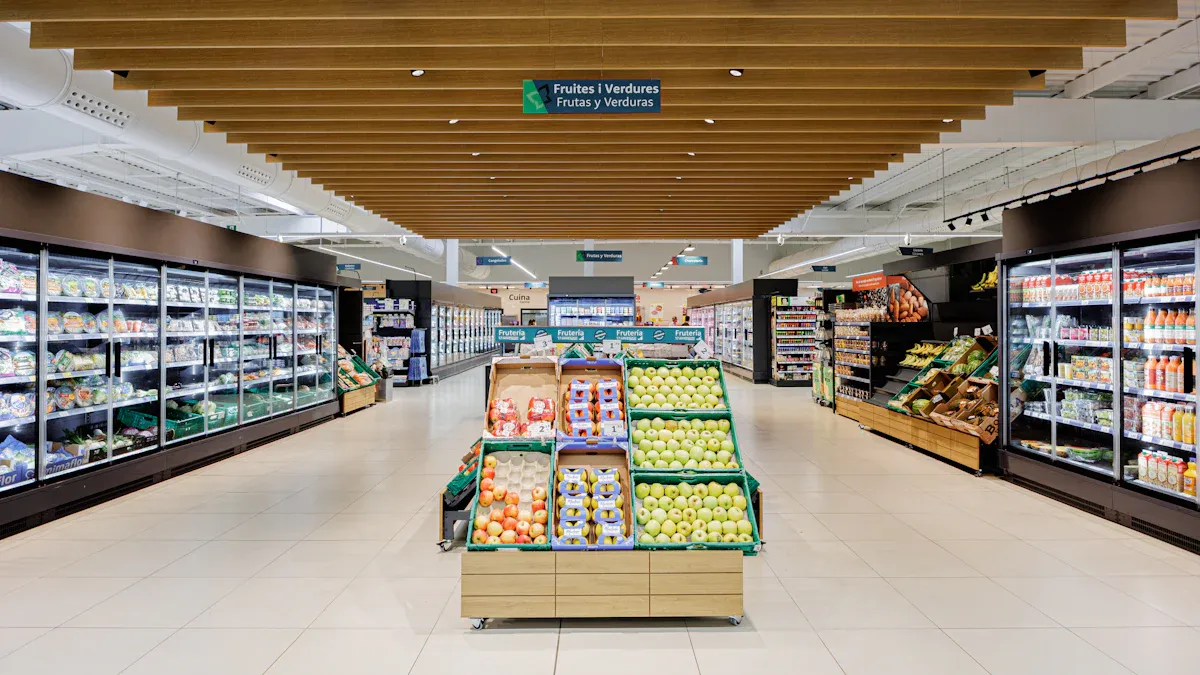
You face some of the toughest operational challenges when running autonomous stores in airports and transportation hubs. You must prove that your systems work safely in busy and unpredictable environments. People need to trust your technology and accept its presence. You also have to make sure your store connects smoothly with airport networks and meets strict cybersecurity rules. Improving operational efficiency matters because smart lane management, AI queue monitoring, and self-service options can reduce delays and keep everything moving smoothly. To succeed, you need new technology and creative solutions.
Key Takeaways
Manage passenger flow effectively to prevent long lines and improve customer satisfaction. Use real-time analytics to predict busy times and adjust operations accordingly.
Prioritize data privacy and security by implementing strong cybersecurity measures. Follow regulations to protect customer information and build trust.
Utilize smart automation to streamline operations. Automate routine tasks like restocking and inventory management to enhance efficiency and allow staff to focus on customer service.
Adopt user-friendly interfaces in your store. Clear signage and touchless payment options make shopping easier and faster for all travelers.
Gather and respond to customer feedback quickly. Use technology to collect insights and make improvements, ensuring a better experience for everyone.
Operational Challenges in Airport Environments
Passenger Flow Management
You face one of the most significant operational challenges when you try to manage passenger flow in busy airports. People move in waves, and their numbers change quickly. You must keep your autonomous store running smoothly even when crowds surge or thin out. This makes passenger flow management a top priority. If you do not control the flow, lines can form, and customers may leave. You need to predict and respond to these changes to keep your store efficient and welcoming.
Data Privacy and Security
You must protect customer data and store information at all times. In the airport sector, strict rules demand that you keep personal and payment data safe. Hackers and cyber threats target these environments because of the high volume of sensitive information. You need strong security systems to prevent breaches. You also have to follow privacy laws that change from place to place. This adds another layer to your operational challenges.
Logistical Complexity
You deal with complex logistics every day. Autonomous stores in airports must handle inventory, restocking, and supply chain disruptions. The unpredictable nature of consumer demand, driven by trends and seasons, makes it hard to keep the right stock levels. If you run out of products, you lose sales. If you overstock, you waste resources. Disconnected systems can cause inaccurate inventory data, and global disruptions make things even harder.
Here is a quick look at the main logistical challenges you face:
Challenge | Description |
|---|---|
Optimal Stock Levels | Balancing stock to meet demand while avoiding overstock and stockouts. |
Multiple Fulfillment Centers | Managing inventory across different locations for availability and efficiency. |
Visibility Across Inventory | Keeping real-time insights to prevent stockouts and overselling. |
Rising customer expectations put pressure on delivery times. You must also manage inventory across multiple fulfillment centers and keep visibility across all stock. These operational challenges require you to use advanced systems and real-time data.
Cargo and Goods Handling
You must handle cargo and goods with care and speed. Airports often have capacity constraints, especially during peak times. Labor shortages can make it hard to find skilled workers for complex cargo operations. You also face supply chain disruptions from weather or global events. You need to follow strict safety rules, especially when handling special items like lithium batteries or pharmaceuticals. The rapid growth of cross-border e-commerce increases cargo volumes, making your job even harder. You must balance speed, accuracy, and compliance with many regulations.
Key cargo and goods handling challenges include:
Labor shortages and the need for skilled personnel.
Supply chain disruptions from weather and global events.
Special handling for hazardous or sensitive goods.
Compliance with changing airline and safety regulations.
Increased cargo volumes from e-commerce growth.
You must use automation and digital coordination to improve efficiency and meet these operational challenges. Automated sorting and robotic systems can help, but you need to integrate them with your overall operations for the best results.
Solutions for Passenger Flow and Congestion
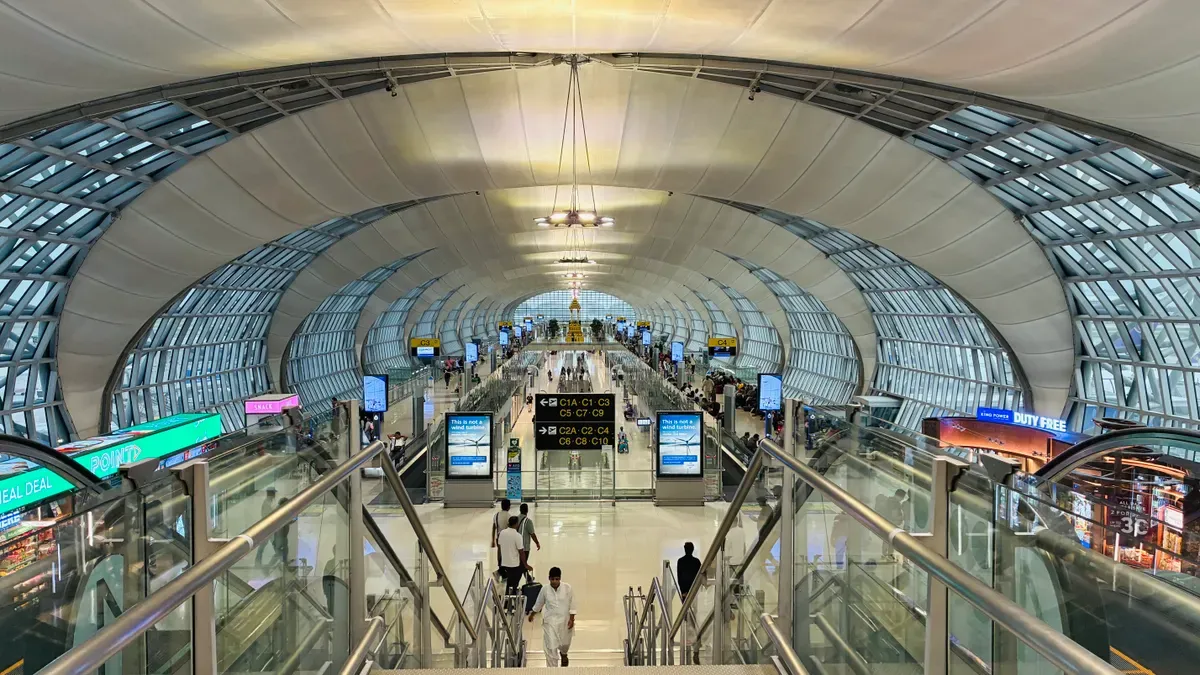
Real-Time Analytics for Passenger Flow
You can use real-time analytics to manage passenger flow and reduce congestion in your autonomous store. These systems collect and analyze data from sensors, cameras, and smart devices. You get instant updates on how many people enter, exit, and move through your store. This helps you spot busy times and adjust your operations quickly.
Real-time analytics can improve your store’s performance in several ways:
Predict when crowds will form and prepare staff or resources.
Adjust store layout to keep traffic moving.
Alert you to bottlenecks before they become a problem.
When you use predictive maintenance analytics, you can keep your equipment running longer. Airports that use these systems see equipment uptime rise to 97%, compared to only 82% with reactive maintenance. You also see 34% fewer delays caused by equipment problems. Passenger satisfaction scores can improve by 22% when you use analytics to keep everything running smoothly.
Outcome | Measurement |
|---|---|
Uptime Improvement | 97% vs 82% equipment uptime with predictive maintenance analytics vs reactive maintenance alone. |
Delay Reduction | 34% fewer equipment-caused passenger delays with analytics-connected CMMS. |
Satisfaction Improvement | +22% improvement in passenger satisfaction scores with equipment analytics and predictive maintenance. |
You can use these insights to keep queues short and improve operational efficiency. Real-time data helps you make decisions fast, which is important during peak travel chaos.
Queue and Peak Demand Management
You must manage queues and peak travel chaos to keep your store running well. Queue management tools help you track how many people wait in line and how long they wait. Automated queue monitoring uses cameras and sensors to measure wait times and alert you when lines get too long.
Here are some technology-driven strategies you can use for queue management:
Use biometric technology to speed up security screening processes and reduce wait times.
Install IoT devices to connect your store systems and share information about passenger flow.
Set up AI-powered monitoring to give you real-time updates on queues and help you respond quickly.
Place sensors at entrances and exits to track how many people enter and leave.
These tools help you handle sudden surges in customers, especially during peak travel chaos. You can open more self-checkout lanes or direct people to less crowded areas. This keeps queues moving and improves the customer experience.
Key performance indicators for queue management include:
Description | Requirement | |
|---|---|---|
KPI06 | Uplink throughput per user | ≥30 Mbps |
KPI08 | Application round-trip latency | ≤800 ms |
KPI15 | Service reliability | ≥99.99% |
KPI17 | Service availability | ≥99.99% |
You should also focus on trust, user experience, and digital inclusion. Make sure your systems are easy to use and work for everyone, no matter their digital skills.
Smart Automation for Airport Efficiency
Smart automation can transform your store’s operations and boost airport efficiency. You can use automation to handle routine tasks, such as restocking shelves, managing inventory, and even controlling energy use. This lets your staff focus on helping customers and solving problems.
Many airports have already seen the benefits of smart airport technology and automation. For example, Amsterdam Airport Schiphol uses OTISS to coordinate vehicles and improve traffic flow. Frankfurt and Dubai Airports use AI-driven systems to speed up turnaround operations. Incheon Airport uses automation to handle baggage more efficiently. Delhi and Rajiv Gandhi International Airports use smart systems to save energy.
Case Study | Contribution to Airport Efficiency |
|---|---|
Amsterdam Airport Schiphol | OTISS for orchestrating airside traffic, improving coordination between vehicles. |
Frankfurt Airport | AI-driven turnaround operations for better efficiency. |
Dubai Airports | AI-driven turnaround system to optimize ground handling. |
Incheon Airport | BOOST program to enhance baggage handling efficiency. |
Delhi Airport | Automation of HVAC systems for energy efficiency. |
Rajiv Gandhi International Airport | Intelligent energy management systems for sustainability. |
You can use these examples to guide your own automation efforts. Smart automation helps you respond to changes in passenger flow, manage queues, and keep your store running smoothly during busy times. It also supports resource optimization and improves overall efficiency in aviation environments.
By combining real-time analytics, queue management tools, and smart automation, you can solve the biggest challenges of congestion and unpredictable passenger flow in your autonomous store. This approach keeps your operations agile and your customers satisfied.
Enhancing Security and Data Privacy

Secure Integration with Airport Systems
You must connect your autonomous store systems with airport infrastructure in a secure way. IT security experts recommend several best practices to keep your operations safe:
Integrate cybersecurity into your daily routines to protect all systems.
Create documented processes so your team knows what to do in emergencies.
Change default settings and customize your technology for your store’s needs.
Check vendor access and make sure outside partners do not create extra risks.
Work with ISO 27001 certified suppliers for reliable systems.
Use IEC 62443 standards to boost your cybersecurity.
These steps help you build a strong foundation for security and keep your store running smoothly.
Automated Surveillance and Access Control
You can use advanced surveillance and access control to protect your store. New technology makes it easier to spot threats and control who enters your space. The table below shows some of the latest advancements:
Advancement Type | Description |
|---|---|
Enhances real-time monitoring and threat detection capabilities. | |
Automated Patrol Route Optimization | Improves efficiency by dynamically adjusting patrol schedules based on risk assessments. |
IoT-Enabled Smart Access Control | Centralizes security management and automates access control processes for better security coverage. |
Smart airport access control platforms use IoT to connect devices and improve security management. Next-generation AI-based biometric authentication makes access faster and more adaptable. Multi-factor access control supports secure digital travel credentials for travelers. These tools help you maintain safety and keep your store secure at all times.
Regulatory Compliance and Privacy Protection
You must follow strict rules to protect customer data and privacy. Different regulations affect how you collect, store, and use information. The table below highlights key requirements:
Regulation Type | Description |
|---|---|
Sets international standards for aviation security, impacting data handling in autonomous stores. | |
GDPR and CCPA | Data privacy laws that require strict compliance regarding personal data collection and processing. |
Biometric Data Regulations | Specific rules governing the use of biometric data, crucial for stores utilizing such technologies. |
Emphasize transparency, accountability, and human oversight in AI systems used in store operations. | |
Proposed AI Act | Categorizes AI systems by risk, imposing requirements for high-risk systems like those in aviation. |
You need to stay updated on these laws to avoid penalties and build trust with travelers. Following these guidelines ensures your store respects privacy and operates within the law.
Improving Operational Efficiency in Airports
System Reliability and Redundancy
You need strong system reliability to keep your autonomous store running, even when things go wrong. In an airport, disruptions can happen at any time. You must use advanced threat detection and intrusion prevention to protect your operations. Continuous monitoring of network traffic helps you spot problems before they cause chaos. A high-speed network gives you secure access to important applications and databases. Real-time insights into performance help you keep everything working smoothly. AI-driven analytics let you fix issues before they grow. You also need to make sure your IT and OT systems stay secure. Combining cybersecurity with physical security keeps your store safe in the busy aviation environment. Reliable operations mean travelers get a seamless experience, even when flight schedules change or baggage gets delayed.
Remote Monitoring and Maintenance
Remote monitoring helps you keep your store efficient without always being on site. SCADA systems collect and process data from many control points in real time. Cloud computing lets your team work together from anywhere, making your operations more flexible. Advanced analytics and IoT integration help you make smart decisions quickly. These tools support operational efficiency and help you avoid downtime. When you use remote monitoring, you can spot issues early and fix them fast. This leads to faster turnaround times and better airport efficiency.
Adapting to Disruptions and Regional Constraints
You must prepare for unexpected events like weather changes or regional rules. Simulation and systems-based planning help you see risks before they happen. Working with other airport stakeholders lets you manage climate disruptions better. Climate-risk assessments show you where your store is vulnerable. You can then invest in solutions that keep your operations running. By planning ahead, you avoid chaos and keep your store open, even during tough times. Automation and smart planning help you adapt to local needs, whether you handle baggage, manage turnaround, or face new regulations.
Optimizing Customer Experience
User-Friendly Store Interfaces
You need a store interface that is easy to use. Clear signs and simple screens help you find what you want quickly. Touchless payment options make checkout fast and safe. You can scan items with your phone or use self-checkout kiosks. Large buttons and readable fonts help everyone, including travelers with vision problems. When you use a user-friendly interface, you spend less time shopping and more time enjoying your trip. This boosts airport efficiency and keeps you happy.
Tip: Choose store layouts that guide you smoothly from entrance to exit. This reduces confusion and keeps traffic moving.
Multilingual and Accessible Support
You travel through airports with people from many countries. You need support in your language and help if you have special needs. Multilingual and accessible support improves your experience and makes you feel welcome.
The WHILL Autonomous Service at Narita International Airport offers support in six languages. You can get directions and help, no matter where you come from.
The Tensator Virtual Assistant at London Stansted Airport provides multilingual support. It also assists travelers with cognitive disabilities and vision loss.
These services help you navigate the airport easily. You get answers to your questions and support for your needs. Accessible support ensures everyone can use the store, which is important in aviation environments.
Feedback and Rapid Response
You want your voice heard. Feedback tools let you share your thoughts about the store. You can use touchscreens, QR codes, or mobile apps to leave comments. Staff can see your feedback right away and fix problems fast.
Feedback Method | How It Helps You |
|---|---|
Touchscreen | Quick surveys after checkout |
QR Code | Easy access to feedback forms |
Mobile App | Share ideas anytime, anywhere |
When you get a rapid response, you feel valued. Stores that listen to you improve their service and make your experience better. This leads to higher satisfaction and greater efficiency for everyone.
You face unique operational challenges in autonomous airport stores. You solve these with real-time analytics, automation, and secure systems.
Autonomous robots reduce lost property recovery times by over 60%.
Automation improves first-contact return rates and boosts passenger satisfaction.
IoT sensors optimize cleaning schedules, making facilities cleaner and more welcoming.
You see higher efficiency and happier travelers. As technology evolves, you will shape the future of airport retail with smarter, safer, and more customer-focused solutions.
FAQ
What makes passenger flow unpredictable in airports?
You see passenger numbers change quickly due to flight schedules, delays, and special events. This unpredictability can cause sudden crowds or empty periods. You must use real-time data to adjust your store operations and keep everything running smoothly.
How do autonomous stores protect customer data?
You use strong encryption and follow strict privacy laws. Your systems monitor for threats and block unauthorized access. You also update software often to fix security gaps. This keeps customer information safe and builds trust.
Why is automation important for airport stores?
Automation helps you handle tasks like restocking, cleaning, and checkout. You save time and reduce errors. You also keep your store open during busy or slow periods. Automation lets you focus on helping travelers and improving their experience.
What should you do if a system fails during peak hours?
You need backup systems and remote monitoring. These tools help you spot problems early and switch to backup quickly. You keep your store running and avoid long delays for travelers.
How can you make your store accessible to all travelers?
You offer multilingual support and easy-to-use interfaces. You provide large buttons, clear signs, and touchless payment options. You also listen to feedback and make changes to help everyone shop with ease.
See Also
Navigating Walgreens Self-Checkout: Benefits and Hurdles in Shopping
The Future of Retail Lies in AI-Enhanced Stores
Comparing Micromarkets and Smart Stores in Global Retail Automation
Understanding the Growth of AI-Driven Corner Stores for Retailers
Transforming Online Store Management with AI-Driven E-Commerce Solutions
