Integrating AI with POS Platforms for Synchronized Supply Chain Analytics

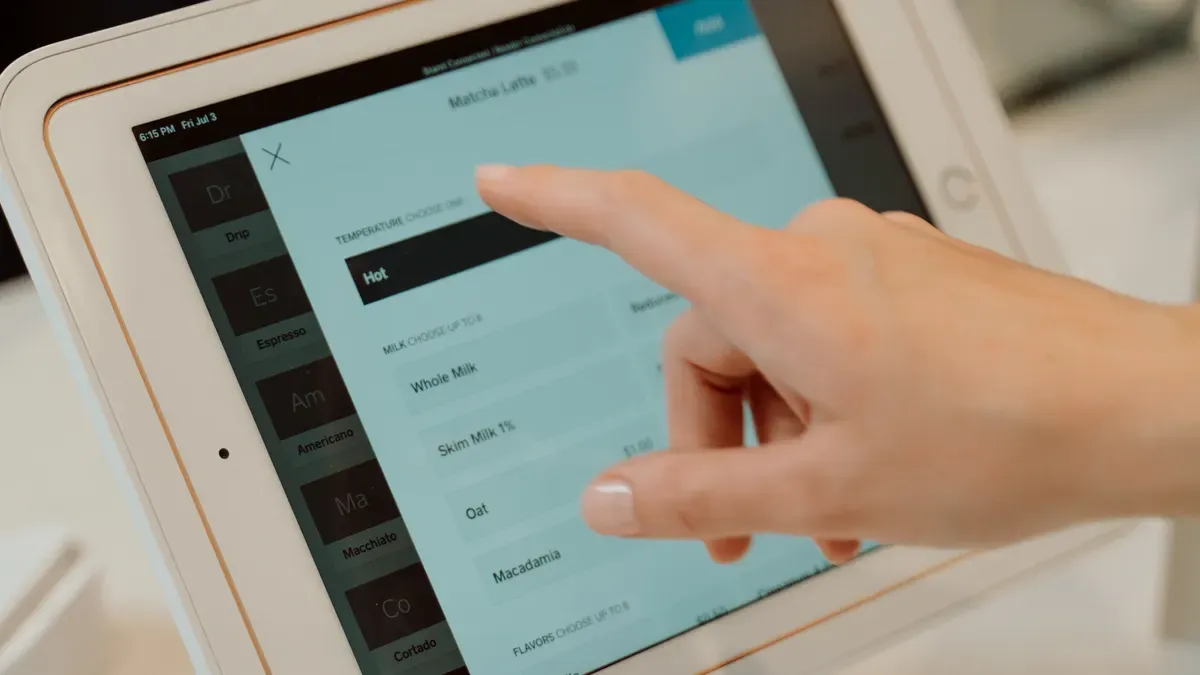
Modern retail registers handle large amounts of sales every second. Tech systems quickly change this raw checkout data into live streams of information. This update replaces slow, old scheduled processing with instant, event-driven pipelines.
Aspect | Legacy Batch ETL | Event-Driven POS-to-Cloud |
|---|---|---|
Data Latency | 12-24 hours | Milliseconds to seconds |
Processing Model | Scheduled intervals | Continuous streaming |
Two-way data synchronization links local POS platforms straight to cloud networks. Smart algorithms instantly study these incoming sales numbers. As a result, smooth AI integration sends helpful predictions directly back to store managers. This non-stop loop helps inventory tools update product orders without any delay. Automated AI systems calculate exact restock needs, while other AI models improve overall supply chain operations.
Key Takeaways
Modern POS systems send live sales information straight into cloud networks.
Clever AI systems monitor stock right away so stores do not run out of items.
Smart tools order new supplies on their own without human delays.
Offline backup registers save checkout data securely during internet outages.
Data Synchronization Architecture for AI in POS Systems

Modern point-of-sale platforms work as networked decision engines. These systems feed real-time cloud data pipelines continuously. Store registers capture customer data at every checkout lane. Modern software streams these individual store events directly to centralized cloud networks. Advanced algorithms analyze continuous transactional telemetry to generate data-driven insights. This architecture connects physical stores to cloud resources, which improves overall business performance.
Streaming Pipelines with Change Data Capture
Change Data Capture tools track database changes without slowing down registers. Debezium reads transaction logs directly from databases like PostgreSQL or MySQL. This software captures sales updates quickly without heavy database load. Kafka Connect runs these connectors reliably across server nodes.
Debezium reads database change logs to turn finished actions into quick data updates.
Kafka Connect guides worker jobs while spreading data pipelines across connected server nodes.
Transaction logs send organized JSON or Avro updates right into specific Kafka topics.
Log-based processing creates almost no extra system load while delivering messages in milliseconds.
These streaming pipelines move data rapidly. AI in POS systems requires this continuous stream of sales records. Automated machine learning pipelines process incoming transactions instantly to evaluate store stock. Specialized algorithms also analyze incoming activity for immediate fraud detection.
Ingesting Telemetry into Cloud Data Lakes
Cloud networks ingest stream messages through services like Azure Event Hubs. Cloud architectures use semi-structured formats like JSON for incoming sales records. Flexible formats allow systems to update field structures without breaking downstream processing. Engineers use Synapse Pipelines and Mapping Data Flows to transform streaming feeds in Azure Data Lake Storage Gen2. Teams also use BigQuery to handle real-time streaming ingestion directly.
A medallion architecture organizes streaming records into structured layers for cloud analytics.
Medallion layer | Lakehouse state | Consumption for analytics and AI |
|---|---|---|
Bronze | Raw, unprocessed Delta tables with full fidelity | Source for reprocessing and lineage |
Silver | Cleaned, deduplicated, standardized Delta tables | Stable input for repeated analytical workloads |
Gold | Curated, business-ready datasets | Power BI for reporting, MLflow for training models, and APIs for operational systems |
Centralized systems push updated model calculations back to physical store registers. This complete loop uses specific mechanisms for data synchronization.
Synchronization mechanic | Bidirectional alignment role |
|---|---|
Event-sourced inventory ledger | Stores transactions as immutable events, giving predictive models consistent history across stores. |
WebSocket/Redis real-time updates | Pushes sales through Redis pub/sub within 5 seconds to keep registers and storefronts aligned. |
AI inference pushback to PostgreSQL | Microservices run models, writing predicted demand to databases where POS APIs serve stores. |
Offline queued sync and reconciliation | Registers write local transactions during outages, replaying them chronologically after reconnecting. |
Background job queue for AI inference | BullMQ processes inference jobs asynchronously without blocking live store sales. |
Effective ai integration keeps inventory balances accurate across thousands of physical locations. Modern ai integration empowers business managers to optimize daily store operations. Reliable data synchronization architecture makes AI in POS systems essential for enterprise retail operations.
Case Study: Real-Time Inventory Management in High-Volume Retail
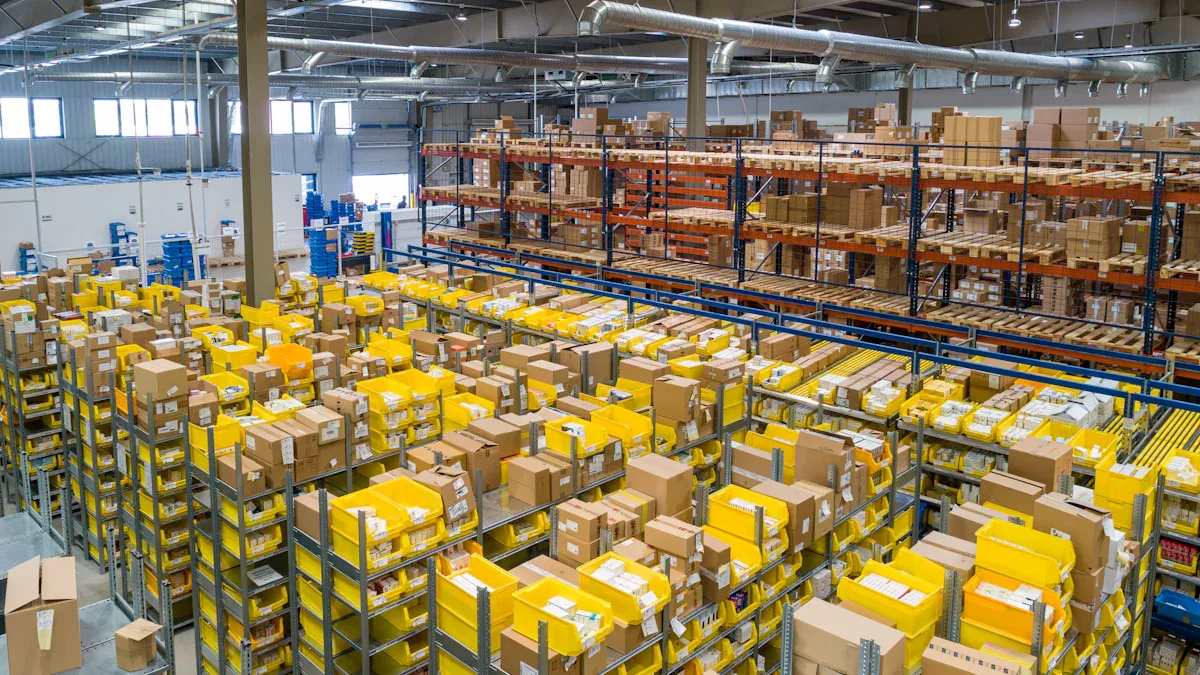
Real-Time Inventory Management and Dynamic Replenishment
Busy retail stores use smart messaging networks to prevent empty shelves during sudden sales rushes. Store registers send purchase updates instantly during checkout to track stock across physical lanes and websites. Linked online stores use these live updates to create a smooth shopping experience across all channels. Smart algorithms constantly study sales speed, local store promotions, and vendor delivery schedules. These automated tools calculate new order times and place purchase orders without any manual delay.
Major global retailers show clear financial gains by using live inventory tracking on a massive scale. Walmart added smart supply chain prediction tools across 10,500 stores in several countries. This upgrade reduced empty shelves by 16% while boosting total inventory turnover by 10%. Additionally, mid-sized online sellers reduced key product shortages by 90–95% and improved staff productivity. Automated restocking systems save store buying teams 15 to 20 hours of manual work every week.
Preventing Data Corruption in High-Throughput Pipelines
Fast data networks need strong technical shields to keep damaged streams from breaking main databases. Data transfer systems compute digital checks on every update, dropping bad sales records before saving them. Processing tools use unique identification keys to block duplicate sales when network hiccups trigger retry attempts. Real-time checks confirm customer and item numbers against main files, keeping broken link data out of live systems.
Tech teams use schema management tools to maintain clean data formats across connected cloud servers. Kafka Schema Registry enforces strict formatting rules, stopping bad data packages from reaching downstream software applications. Update routines save sales records as conditional updates instead of blind entries to keep databases stable. Custom business rules restrict specific data fields to correct numbers and proper date formats. Ultimately, strong data synchronization guards working databases while predictive ai solutions assist store managers.
Case Study: Predictive AI Analytics for Perishable Restaurant Goods
Synchronizing POS Register Events with AI Models
Modern restaurants lose millions of dollars yearly when fresh ingredients spoil before sale. Linking register purchases directly to smart forecasting tools fixes this business problem completely. Every sale at the counter instantly lowers raw ingredient stock levels. Smart system pipelines constantly check physical supply against expected recipe usage.
Register Order Event -> Deduct Raw Ingredients -> Recalculate Expiration Risk -> Trigger Auto-Replenishment
Restaurant managers use smart algorithms to stop unnecessary food waste. Machine learning models study sales history along with local weather patterns and neighborhood public events. These smart forecasting tools update store inventory goals automatically.
Restaurant Chain Implementation | Metric | Actual Result Achieved |
|---|---|---|
Single High-Volume Location | Prep Waste Reduction | |
Goop Kitchen | Bottom-Line Profit Margin | |
Three Barbecue Restaurant Brands | Ingredient Waste Reduction |
Enterprise Implementation Insights from Starbucks Deep Brew
Global beverage operations require high reliability across thousands of store registers. Starbucks built Deep Brew on Microsoft Azure to process high-throughput store activity. Their Enterprise Data Analytics Platform collects live register records, order preparation speeds, and ingredient reduction rates. The system combines customer data with store queue traffic to refine supply chain routines.
This platform powers customer personalization across drive-thru displays, mobile apps, and localized digital menus. Dynamic algorithms adjust store product recommendations while managing local inventory levels simultaneously. Smart systems suggest customized items based on immediate ingredient availability.
Combine all store sales records into one central cloud storage system.
Teach AI models using local weather reports, neighborhood events, and buying trends.
Automatically update inventory orders and employee schedules using flexible sales forecasts.
Seamless POS synchronization drives personalized shopping experiences while preventing expensive product shortages. Real-time customer preferences shape physical store operations smoothly. Automated restocking tools reduce manual workload for frontline store workers. Consequently, successful AI integration improves profit margins across complex restaurant networks. Enterprise business teams depend on robust AI in POS systems to maintain long-term market competitiveness. Enterprise deployment of dynamic ai-powered solutions transforms traditional food service management. Strategic POS customization elevates both staff productivity and end customer satisfaction.
Overcoming Engineering Bottlenecks in POS Integrations
Linking old store registers with modern cloud systems creates major technical problems. Older hardware traps sales records in isolated local storage. These separated systems block the smooth flow of store transactions to newer platforms. Poor data quality causes inaccurate sales predictions in later steps. Connecting an existing pos infrastructure straight to cloud analytics raises security threats and setup costs. Systems slow down when data streams try to handle huge sales surges during busy hours.
Managing Schema Evolution and Legacy APIs
Engineering teams use central schema registries to handle changing data layouts safely. These registries enforce basic compatibility rules across older and newer file formats. Software pipelines check incoming JSON or Avro files against active lists before saving them.
Developers create firm data rules that set file formats, quality standards, and timing goals.
Automated system checks run during testing to catch bad code updates before public releases.
Applying these early rules helped a software analytics team cut main system errors by 70%.
Ensuring Local Offline Resilience During Stream Outages
Offline-ready design keeps store registers working normally whenever local web connections drop. Terminals save local checkout records directly into an encrypted backup log file. Devices store customer sales safely without needing an active internet connection.
Register Event -> Local Write-Ahead Log -> Reconnection -> Background Sync Queue -> Cloud AI Model
Reconnected systems run background syncing routines to upload all saved store sales. Local databases handle automatic socket reconnects to start sending data streams again. Systems check distinct transaction tracking codes to avoid creating duplicate sales logs. Built-in sync protocols finish merging saved store events in under 60 seconds. Strong data synchronization protects ongoing store sales through sudden cloud connection outages. Store registers transmit checked records to secondary tools right after reconnecting to web services. This constant pipeline feeds live predictive ai engines without missing sales updates. Successful ai integration protects store earnings while delivering precise supply forecasting. Modern ai in pos systems helps retail store owners through dependable local design. Smart ai tools study store actions continuously. Smooth ai integration improves big business decision-making across all shopping locations.
Enterprise platforms require robust streaming architectures to convert live sales events into actionable predictions. A Kappa stream processing design feeds raw transaction events directly into a cloud lakehouse. AI feature stores process these incoming event streams instantly. A decentralized data mesh structure manages inventory information across all retail domains efficiently.
Technical teams must evaluate existing infrastructure today. Engineers should audit legacy register export latencies and schema stability across all store locations. Modernizing these endpoints accelerates pipeline delivery times. System administrators can then deploy log-based change data capture connectors. Engineering teams must also establish automated validation guardrails. Successful ai integration secures inventory forecasting systems and improves supply chain responsiveness across physical stores.
FAQ
How do modern retail platforms process customer records for advanced analytics?
Change data capture tools send customer data from store checkout systems straight into cloud storage. Machine learning models study these live streams right away. This workflow protects sales files while giving buyers custom shopping options at checkout.
How does ai in pos systems prevent stock shortages during peak hours?
Smart systems update stock counts instantly as each buyer finishes checking out. Embedded ai tools track buying speed and store delivery schedules together. This non-stop analysis orders new items automatically before stock gets too low for customers.
How do retail stores connect streaming analytics to an existing pos terminal?
Engineers attach log connectors to existing pos setups without slowing down local store registers. These light tools stream sales logs right to cloud pipelines. Smart microservices read incoming streams to create quick business forecasts across all store sales channels.
Why is customer personalization vital for modern store registers?
Automated systems show targeted choices to every buyer using smart customer personalization tools. Live personalization updates digital menu boards as customers place their orders. Smart ai engines check store stock continuously, helping register screens show the best product options.
See Also
Discover Why Smart Artificial Intelligence Stores Represent The Future
Essential Retailer Insights On The Rise Of Smart Stores
Revolutionizing Digital Shop Management Using Intelligent Automated Commerce Tools
Exploring Key Advantages Of Smart Combination Vending In Retail
Launching A Budget Friendly Automated Neighborhood Shop Step By Step
