Retail AI Ecosystem Strategy: Transform Your Grocery Operations


Grocery store managers face constant stress. Their profit margins are very small. Shopping habits are also changing fast. Making software yourself costs too much money. It delays new upgrades. Smart grocers build retail AI ecosystems. This speeds up digital transformation.
Key Takeaway: Modern retail companies stop building all technology internally. They manage smart networks of expert providers.
Strategic ai partnerships help grocers use smart tools. They improve inventory management, supply chain logistics, and store operations. Company leaders must combine ready-made vendor tools, joint development, and shared data. This strategy lowers money risks. It also gives grocers strong advantages in tough markets.
Key Takeaways
Stores build smart AI systems to save money fast.
They share data to make tools without big risks.
Cameras and price tools cut waste and stop theft.
Robots and AI speed up deliveries to lower costs.
Safe data rooms protect privacy while helping stores learn.
Navigating Retail AI Ecosystems
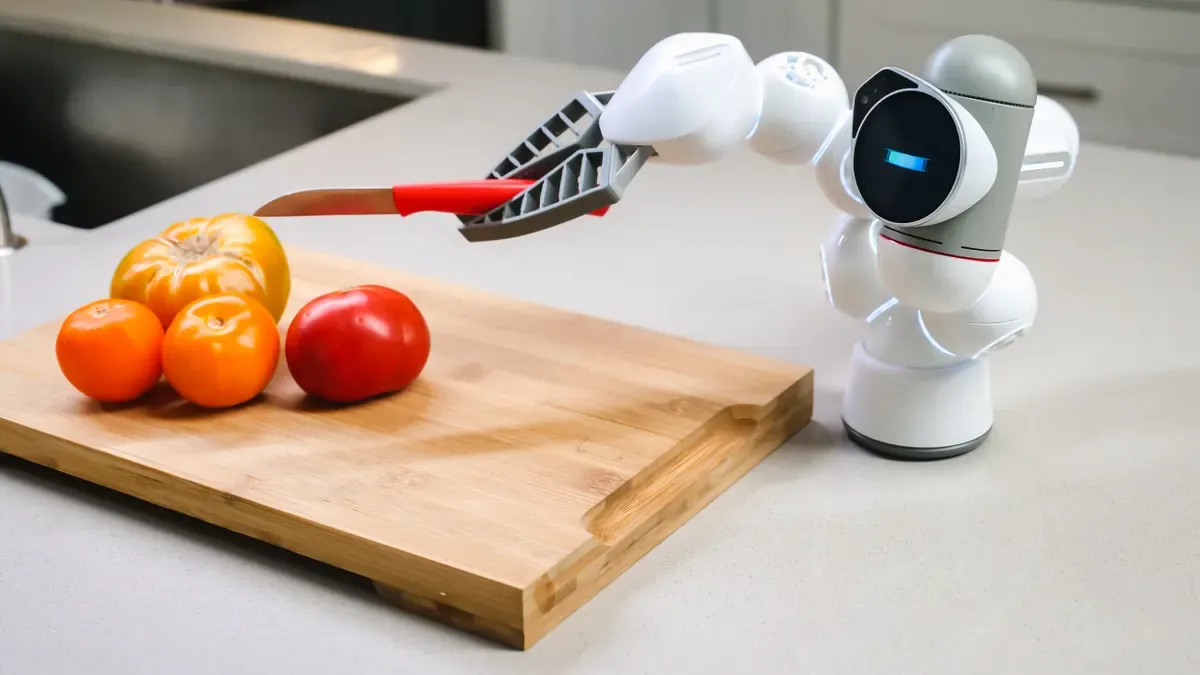
Old contracts lock food store bosses in rigid software. Markets now move very fast. Top stores pick flexible retail ai ecosystems. These smart networks change fast.
Stores make big gains faster. Tech providers work together directly.
Stores build brand new deal styles. Tech teams and grocers share cash. They sell smart tools together. They go far past old tools. They grow deep store value everywhere.
Evaluating Core Partnership Models
Store leaders check three smart software setups. Ready software gives quick tools now. Shared creation builds unique store features. Data teams gather broad group intelligence.
       [ Core Partnership Models ]
                  │
   ├──────────────┼──────────────┐
   ▼              ▼              ▼
[ SaaS ]   [ Co-Dev ]     [ Data Cooperatives ]
(Speed)    (Custom Advantage)  (Shared Intelligence)
Ready software fixes easy daily problems. It handles work shifts or simple counts. These cloud tools cost small cash. But standard tools give no special edge. Rivals buy the same computer program.
Co-Development for Proprietary Advantage
Great stores team with top tech firms. They build special private software tools. Store workers make unique math steps. These steps fix hard supply problems.
Grocers use special math to fix local needs:
Smart math keeps fresh food safe
Auto maps guide local delivery trucks
Camera models help store packing robots
Shared creation lowers big tech risks. Partners share key costs with grocers. Teams test tools in real stores. Chains own the key custom code. This team path speeds new retail tech. It keeps software costs very low.
Strategic Alliances and Data Cooperatives
Data groups let stores share buyer trends. Stores protect shopper privacy at all times. Grocers trade data with local gas stops. Pharmacies and delivery teams share insights. These groups help stores see shoppers better.
Data groups keep buyer names fully safe. They create strong sales plans using clear steps:
Secure Universe Matching: Stores send safe data with hidden IDs. Systems find matching buyers and drop others.
Aggregated Insights Delivery: Systems show big sales reports. They keep buyer names fully hidden.
Anonymized Record-Level Targeting: Systems update data with old hidden IDs. Stores target shoppers safely without revealing real names.
Store leaders use safe tech setups now:
Mechanism | Privacy Preservation Approach | Real-World Example |
|---|---|---|
Federated Analysis Systems | Keeps raw store data locked inside local boundaries. It shares big group trends only. | LiveRamp's Data Marketplace shows shopper trends. It hides clear purchase facts. |
Clean Room Cooperatives | Runs code in safe isolated computer spaces. It blocks raw data access completely. | The Trade Desk's Unified ID 2.0 initiative. |
Industry Data Commons | Shares safe industry trends to build group facts. | Trustworthy Accountability Group's Data Transparency initiative. |
Homomorphic Encryption | Runs smart math on locked data sets. It needs no secret unlock keys. | Google's Privacy Sandbox targeting techniques. |
Zero-Knowledge Proofs | Checks true data facts using deep code. It hides secret store metrics fully. | Mastercard's Tourism Insights platform. |
Synthetic Data Generation | Uses AI to make fake buyer data sets. These work great for smart tests. | Microsoft and NHS cooperative health data initiative. |
Hybrid Models for Scalable Growth
Store leaders combine all these smart setups. They run ready software for basic tasks. They spend money to build custom tools. These tools manage fresh food well. They join safe groups for local market insights.
Winning stores build clean modular tech systems. They choose expert teams for single jobs. They scale top software to stores fast. This mixed plan brings smart tools fast. Flexible networks give grocers quick operational moves. Smart partners help grocery stores grow big. Good use of retail tech boosts profit margins. It drives steady long term grocery success.
Operationalizing Strategic Partnerships in Grocery
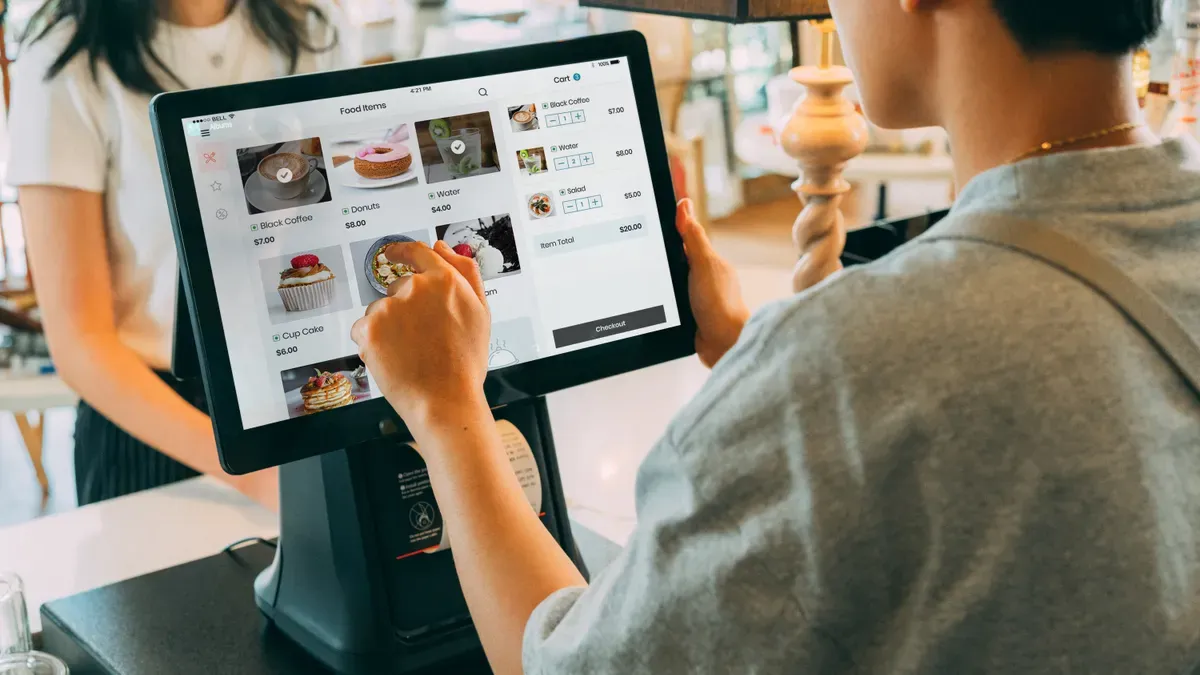
New tech changes old grocery store work. Grocers build fast supply networks now. Smart code checks live store facts quickly. It checks traffic jams and daily weather. It checks truck power and gas use. Tools fix delivery paths instantly. Smart routing lowers store expenses fast. Gas use drops by 25 percent. Last-mile costs fall 40 percent. Trucks deliver food much faster now. Stores hit on-time delivery goals often. Smart partners make these updates work.
Real-Time Demand and Inventory Forecasting
Smart tools change old store stock work. Stores use smart code to guess shoppers. Systems study past sales and local events. Weather facts feed into these math models.
Smart tools stop empty store shelf spots. Auto steps order food with zero delay. Stores drop extra backroom food stock. Smart tools align fresh food orders. Stores cut food waste and fill shelves.
Dynamic Pricing and Shrinkage Control
Price tools change item tags fast. Smart cameras check shelf stock levels. Camera networks show shelf facts live. Code calculates best prices for old food. Quick markdowns sell old food fast. This automation cuts food waste quickly.
Grocers use cameras to stop register loss. Systems offer strong safety steps now:
Prevention Mechanism | Operational Detail | Shrinkage Impact |
|---|---|---|
High-Precision Item Recognition | Spot distinct brands, sizes, and item angles. | Stops false alerts and bad item sorting. |
Real-Time Barcode Validation | Checks camera scans against barcode facts fast. | Catches wrong scans and fake tags fast. |
Edge AI Processing | Runs smart code on checkout screen gear. | Gives fast alerts with zero cloud lag. |
Full Environment Surveillance | Watches carts and basket spots near registers. | Finds missed cart items and scan tricks. |
Ceiling camera networks build strong store security:
Continuous 3D Tracking: Watches shopper moves to fix cart errors fast.
Psychological Theft Deterrent: Visible ceiling cameras scare bad actors away.
Bias-Free Behavioral Analytics: Checks anonymous shopper moves to spot theft patterns.
Workforce Optimization: Moves workers from registers to store floor safety.
Proven Shrink Reduction: Systems cut retail store loss by 70 percent.
Hyper-Personalized Customer Promotions
Loyalty apps collect big shopper facts fast. Smart systems study buying habits now. Stores send personal deals to shoppers. Smart engines build coupons from past buys.
Grocers build strong digital shopping networks. Apps send live list ideas to phones. Smart deals boost buyer interest everywhere. Stores grow cart sizes with good ideas. This path keeps shoppers loyal for long.
Automated Store Operations and Fulfillment
Mini hubs turn backrooms into fast centers. Stores use robots to check shelf stock. Robotic tools build big store work gains:
Efficiency Category | Performance Gain / Metric |
|---|---|
Order Processing Speed | Robots pick 50 items under 5 minutes. |
Overall Fulfillment Efficiency | Auto work beats manual steps by 20 times. |
Storage Space Density | Robotic designs cut store space by half. |
Supply Chain & Waste | Smart tools lower food rot in stores. |
Robots fetch heavy items with high care. Workers help customers inside stores now. Smart platforms link online orders to stock. Stores process online orders very fast. Smart tools protect store profits daily.
Data Governance and Infrastructure Integration
Secure Cross-Enterprise Data Sharing
Grocery chains work with product companies. They boost digital sales. Clean room spaces let partners join insights safely. Salesforce Data 360 Clean Rooms match store sales. They compare ad views without data leaks. Encrypted tools measure ad success on real buys. Raw buyer facts stay safe. This path protects customer privacy. Stores earn higher total sales.
Mitigating Vendor Lock-In Risks
Store bosses protect tech investments. They avoid restrictive software. Tech teams lock store facts safely. They build open systems using simple code links. Software coders link smart tools to inventory data. Grocers switch software partners very fast. Standard data forms make switches very smooth. Store networks stay free across all sales channels.
Regulatory Compliance and Privacy
Profiling tools must follow strict privacy laws. Store managers protect private buyer facts carefully. Laws like GDPR and CCPA bring big rules:
Algorithmic Transparency & Interpretability: Explaining complex smart code to satisfy clear laws.
Automated Decision-Making Controls: Following strict legal rules on automatic choices.
Data Governance Standards: Using strict consent, data limits, and safe storage.
Consumer Rights & Bias Mitigation: Handling opt-out needs while stopping unfair math.
Integrating Modern AI with Legacy POS
Old cash registers block digital sales upgrades. Old systems lack power for live store data. Tech workers build middle software tools. Edge devices pull live sales facts instantly. These smart hubs convert old data formats fast. Grocers upgrade stores without buying new register hardware.
Strategic Partner Onboarding Roadmap
Assessing Internal AI Maturity
Grocers need clear tests first. Store bosses check readiness fast. They use scorecards for networks.
Framework / Scorecard Component | Key Evaluation Criteria / Focus Area | Strategic Assessment Question |
|---|---|---|
Intent Amplify Execution Framework | Operational Prioritization | Do key tasks trigger big metrics? |
Intent Amplify Execution Framework | Workflow Intelligence | Is code built inside store tools? |
Intent Amplify Execution Framework | Human-AI Collaboration | Can busy staff use clear outputs? |
Intent Amplify Execution Framework | Governance | Are safe rules set up early? |
Intent Amplify Execution Framework | Outcome Measurement | Does code show real store gains? |
Executive Retail AI Maturity Scorecard | Data Readiness | Is local sales data very clean? |
Executive Retail AI Maturity Scorecard | Associate Adoption & Governance | Do workers know how to override? |
Chains build modern tech in steps:
Granular Demand Baseline: Save 24 months of sales logs daily.
Promotional Context Tracking: Log past store sales events to track surges.
Foundational Data Investment: Spend cash on data quality to prevent crashes.
Defining ROI and Performance Metrics
Bosses set clear goals for tech. Stores calculate exact financial gains everywhere. Teams track shelf stock and worker hours. Clean data guides daily choices well. Good metrics lead to store success.
Vendor Due Diligence and Audits
Leaders test tech vendors with reviews. Security teams check code and rules. Chains check past work results carefully. Good audits protect stores from failure.
Executing Agile Pilot Programs
Grocers test tools in live stores. Teams run tests during store hours. Workers send quick feedback to coders. Fast tests fix small bugs fast.
Scaling Successful AI Alliances
Stores roll out working tools fast. Main teams train store workers well. Strong partners help businesses grow fast. Flexible stores grow across all areas. Good teamwork helps smart stores succeed.
Modern retail AI networks help grocery stores move fast. Supermarkets must stop using old, rigid tech vendors now. Smart leaders join team networks to beat tough competition. Big study numbers show huge growth for this market:
Metric | Forecast Value |
|---|---|
Projected 2025 Market Size | $3.5 billion |
Projected 2030 Market Size | $13.4 billion |
Compound Annual Growth Rate (CAGR) | 30.8% |
Bosses get store software ready using three main steps:
Assess AI Integration Capabilities: Check if current software tools add smart tools easily.
Verify System Flexibility and Scalability: Make sure current store systems adjust and grow.
Map Current vs. Future Capabilities: List store tech assets now to build a clear plan.
FAQ
What are the main money perks of retail AI networks?
Grocers use smart tech networks to join expert partners. These team plans stop costly custom code work. Smart tools manage daily store moves fast. So, food stores cut spending and shield small profits.
How does smart math cut store food waste?
Smart code studies past sales and local weather. Next, smart math guesses fresh food needs well. Stores get right food amounts automatically. This clean setup stops extra stock and cuts rot.
How do store partners share buyer facts safely?
Grocers use safe data rooms and locked code. These safe tools study buying habits without showing names. Partners trade helpful facts safely. They follow all strict privacy rules fully.
See Also
Essential Retailer Insights On The Growth Of Automated Local Markets
Transforming Digital Shop Operations Through Advanced Artificial Intelligence Tools
Understanding Why Smart Automated Outlets Represent Tomorrow Of Retail
Launching A High Tech Convenience Shop On A Limited Budget
Comparing Global Unmanned Micro Markets And Intelligent Self Service Retailing
