How to scale autonomous retail from one site to many in corporate offices and tech parks


You can scale autonomous retail across multiple sites by focusing on strong infrastructure, process standardization, and careful planning. A shared AI platform layer lets you manage many locations with ease. Standardized processes help you save time and maintain control. Strategic planning allows you to spot services that work across all sites. You need the right technology to support growth. Employee retention and a unified shopping experience also play a key role.
The table below shows how each key aspect supports scaling:
Key Aspect | Description |
|---|---|
Infrastructure | A shared AI platform layer is essential for efficient deployment and management across multiple sites. |
Standardization | Standardized processes reduce implementation time and improve control as more units adopt AI. |
Strategic Planning | A prioritized use-case roadmap helps in identifying common services that can be standardized. |
Cost Management | Modeling usage scenarios and defining service tiers align model selection with business value. |
Governance | Ensures that integration, monitoring, and management are consistent across all retail environments. |
Key Takeaways
Establish clear business objectives to guide your autonomous retail expansion. This helps in selecting the right technology and planning your budget effectively.
Invest in a robust IT infrastructure to support real-time data transmission. A stable network is crucial for the smooth operation of multiple autonomous stores.
Standardize processes across all locations to maintain quality and efficiency. This reduces confusion and enhances the customer experience.
Empower local teams with training and tools to handle daily operations. Engaged employees contribute to better service and higher retention rates.
Utilize data-driven strategies to select optimal store locations. Analyze traffic patterns and customer behavior to ensure successful deployments.
Strategic Growth Plan for Scaling Autonomous Retail

Infrastructure and Financial Foundation
You need a strong foundation to scale autonomous retail from one site to many. Start by setting clear business objectives. Decide if you want to reduce labor costs, offer 24/7 service, or gain better data insights. These goals will guide your planning and help you choose scalable solutions.
Next, secure enough capital for your project. Autonomous retail systems need a large upfront investment. You will buy hardware like cameras, sensors, and servers. You will also need software licenses and integration services. Plan your budget to cover these costs and avoid delays during deployment.
A robust IT infrastructure is key. Make sure you have a stable, high-bandwidth network. This allows real-time data transmission between your autonomous stores and your central system. Choose between cloud infrastructure or on-premise servers based on your needs. Both options must handle large amounts of data and support smooth execution.
Store layout matters. Design each location with open spaces and clear lines of sight. This helps sensors and AI vision work well. Adjust shelving and product displays to fit the technology. Integrate your inventory management system so stock levels and pricing stay accurate across multiple locations.
You must also set up a secure payment gateway. This ensures customers can pay quickly and safely. Follow all legal and regulatory rules, especially those about data privacy. Laws like GDPR and CCPA protect customer information and must guide your operations.
As you scale autonomous retail, build a skilled workforce. You may need fewer cashiers, but you will need more IT support, AI monitoring, and data analysis roles. Train your team to handle these new tasks. Plan how you will teach customers about the new shopping experience. Address their privacy concerns and explain how the technology works.
Tip: Start with a phased rollout. Launch in smaller, high-traffic locations first. This helps you manage costs and show a return on investment before expanding further.
Process Documentation and Business Dynamics
Documenting your processes is vital for smooth expansion. Write clear guides for every step, from deployment to daily operations. This helps new teams follow best practices and reduces mistakes. Use checklists and flowcharts to make instructions easy to follow.
Work with cross-functional teams. Bring together people from IT, operations, marketing, and legal. When you break down silos, you share knowledge and solve problems faster.
Cross-functional collaboration involves individuals from diverse functional backgrounds working together towards a shared goal or project, breaking down traditional departmental silos. It requires team members to step outside their primary roles, collaborate across functional boundaries, and share knowledge and expertise.
Pay attention to business dynamics. Market conditions can create both opportunities and challenges. As more autonomous stores open, customer expectations rise. You must keep up with new technology and changing consumer needs. Advancements in AI and robotics make autonomous systems more affordable and effective. Use the data from your stores to improve operations and stay ahead of competitors.
Watch out for common pitfalls. AI and sensor systems can make mistakes, like misidentifying products or billing errors. Technical glitches may cause downtime. Train your AI models often and update your software to keep systems accurate. Some customers may worry about privacy or miss human interaction. Offer clear communication and in-store support to help them adapt.
High initial costs can slow your expansion. Manage your budget by rolling out in phases and focusing on high-traffic sites first. This approach helps you scale autonomous retail with less risk and more control.
Checklist for Successful Expansion:
Set clear business objectives
Secure capital investment
Build robust IT infrastructure
Design store layouts for technology
Integrate inventory and payment systems
Follow legal and regulatory rules
Train and support your workforce
Document all processes
Foster cross-functional collaboration
Monitor market trends and customer needs
Address technical and customer adoption challenges
By following these steps, you create a roadmap for scaling autonomous retail that supports growth, reduces risk, and ensures smooth execution across multiple locations.
Standardization and Empowerment in Multi-Site Retail Rollouts
Unified Operations for Autonomous Stores
You need to create unified operations when you scale autonomous retail across many locations. Standardized processes help you keep quality high and make your work easier. When you use the same rules and systems in all autonomous stores, you can manage them better and avoid confusion.
Here is a table that shows the main benefits of unified operations:
Benefit/Component | Description |
|---|---|
Brand Consistency | All stores follow the same standards, so customers trust your brand. |
Centralized management and clear rules make work faster and smoother. | |
Performance Enhancement | Customers get better service, which can lead to more sales. |
Vendor Management | You use trusted vendors for all stores, so service stays reliable. |
Emergency Services | You can respond quickly to problems and keep stores running. |
You can use automated tools like robots and AI to help with daily tasks. Automated mobile robots move goods safely. Storage and retrieval systems keep inventory organized. These tools reduce mistakes and save time. When you use an orchestration layer, you can control how people and machines work together for better execution.
Standardization also brings measurable benefits. You see fewer stockouts, better labor productivity, and faster decision-making. Real-time tracking helps you know what is in stock and what needs restocking. This planning helps you avoid waste and improve financial results.
Local Team Empowerment and Retention
While you use standard rules, you also need to empower your local teams. Give them the tools and training to handle daily tasks and solve problems. When you automate repetitive jobs like order routing and inventory updates, your staff can focus on helping customers.
Let your teams use AI tools to create local content and run campaigns that fit their store. Make sure they understand how new technology changes their work. This helps them feel confident and stay engaged.
Employee retention matters for multi-site retail rollouts. When you support your teams and give them clear roles, they are more likely to stay. Good oversight and regular feedback help you spot issues early and keep your stores running well. You need both strong leadership and local empowerment for successful deployment and execution in autonomous stores.
Tip: Balance standardization with local flexibility. This approach helps you scale autonomous retail while keeping teams motivated and customers happy.
Technology and Unified Shopping Experience
Leveraging Edge Computing in Autonomous Stores
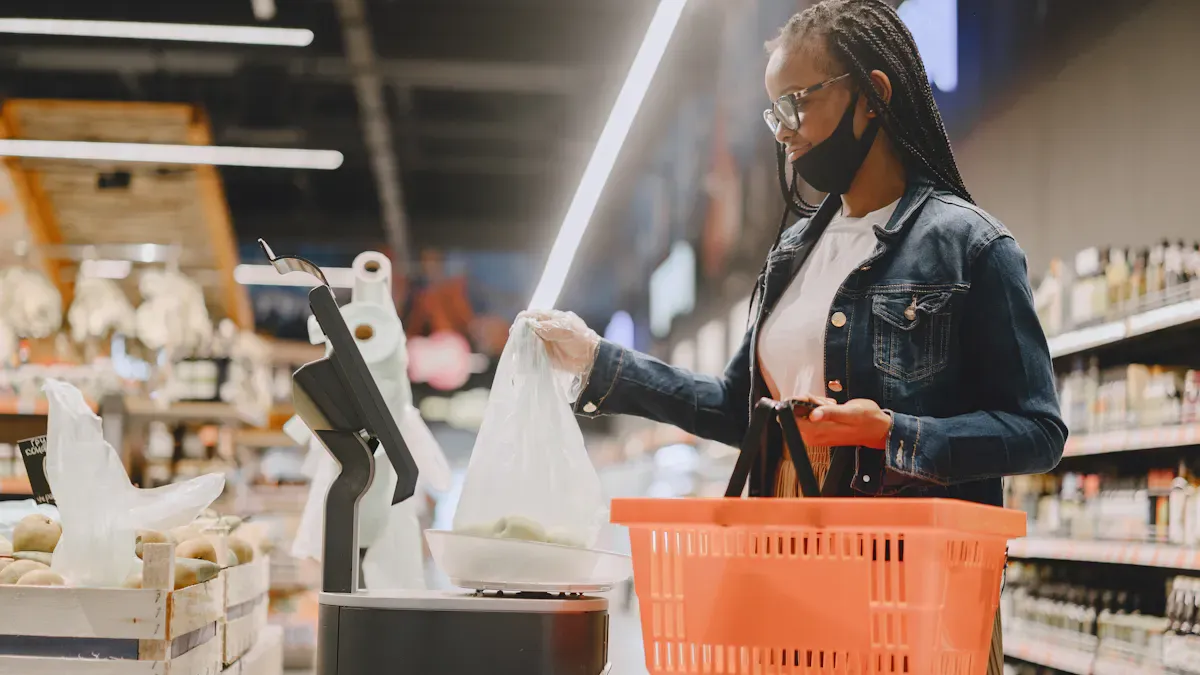
You can boost the efficiency of autonomous stores by using edge computing. Edge computing processes data right where it is collected, so you get faster results. This technology helps you respond quickly to inventory needs and customer actions. You see less delay in decision-making and daily tasks. Customers enjoy smoother shopping, which leads to higher satisfaction and loyalty.
Here is a table showing how edge computing improves operational efficiency:
Benefit | Impact on Operational Efficiency |
|---|---|
Real-time data processing | Enables faster responses to inventory needs and customer interactions |
Reduced latency | Minimizes delays in decision-making and operational tasks |
Enhanced customer experiences | Leads to improved satisfaction and loyalty among shoppers |
Lower operational costs | Reduces inefficiencies and downtime, contributing to cost savings |
Proactive monitoring | Allows for quicker identification of issues and better resource use |
You may face some challenges when you scale autonomous retail with edge computing:
High initial investment for servers and smart devices
Complex infrastructure across many locations
Data management issues, like deciding what to process locally or in the cloud
Integration with existing systems, such as POS and analytics
Careful planning and deployment help you overcome these challenges and support smooth execution.
Ensuring Consistent Customer Experience
You need to create a unified shopping experience across all autonomous stores. Technology helps you personalize customer journeys and resolve issues quickly. AI collects and analyzes customer data, so you can tailor inventory and messaging. Automated checkout systems reduce wait times. Smart shelves track inventory in real time, preventing stockouts.
Best practices for consistent customer experience include:
Autonomous marketing: AI creates and optimizes content based on shopper behavior.
Autonomous commerce: Personalizes shopping journeys for each customer.
Autonomous customer care: Handles routine issues automatically and escalates complex cases with full context.
Unified orchestration: Coordinates all interactions across channels for efficiency.
A unified commerce strategy tailors the shopping experience to customer needs. Omnichannel services, like Click and Collect, combine online and offline shopping. Retail spaces become areas for social interaction and product testing, increasing engagement. Technology integration streamlines operations and supports seamless execution across multiple sites.
Tip: Invest in payment integration and real-time inventory management to enhance convenience and loyalty.
Data-Driven Location Strategy and Optimization
Location Strategy for Multi-Site Retail Rollouts
You need a strong location strategy to expand your retail footprint. Start by using data to find high footfall locations. Look at traffic patterns, employee density, and nearby services. This helps you choose sites where your autonomous stores will succeed.
Network kernel density estimation (NKDE) helps you optimize pick-up and drop-off points for shared autonomous vehicles. NKDE adapts to real-world movement and distance, making your location strategy more accurate for your retail footprint.
You should build a location portfolio that balances high footfall locations with sites that support rapid deployment. Use data from your current stores to predict demand and spot gaps in your coverage. This approach lets you scale to multiple locations with confidence.
Track key performance indicators to measure the success of your location strategy:
KPI | Description | Formula |
|---|---|---|
Inventory Optimization | Reduces costs and lost sales by predicting demand accurately. | N/A |
Labor Efficiency | Automates tasks so staff can focus on value-added work. | N/A |
Sales Per Square Foot | Shows how well you use store space. | Total Sales ÷ Store Area in Sq. Ft. |
Inventory Turnover | Measures how often you sell and restock items. | Cost of Goods Sold ÷ Average Inventory |
Customer Retention Rate | Tracks loyalty and repeat business. | ((End Customers - New Customers) ÷ Starting Customers) × 100 |
Conversion Rate | Reveals how well you turn visitors into buyers. | Transactions ÷ Foot Traffic × 100 |
Average Transaction Value | Encourages bundling and upselling. | Total Sales ÷ Number of Transactions |
A smart location strategy uses these KPIs to guide execution and improve results.
Continuous Monitoring and Feedback
You need continuous monitoring to keep your autonomous stores running well. IoT systems track inventory in real time and help you respond to changes in demand. This reduces errors and keeps your shelves stocked. You can avoid stockouts and overstocking, which improves your execution.
Continuous monitoring systems reduce human error and manual checks.
Real-time tracking with RFID improves stock accuracy.
IoT systems make your supply chain more responsive to demand changes.
Feedback loops drive ongoing improvement. You can use in-store surveys, online reviews, and social media to learn what customers want. AI tools analyze reviews and social posts to find trends and areas for improvement. In-store sentiment analysis helps you spot problems with products or the shopping experience.
Customer feedback shows you what shoppers like and dislike.
Analyzing feedback helps you stay flexible and meet new needs.
Product feedback tools on your website or app collect insights for future upgrades.
Mystery audits and compliance checks also support your location strategy. Mystery shoppers give you unbiased feedback on every part of the store. Compliance audits make sure you follow rules and keep customers safe.
By using data, monitoring, and feedback, you can optimize your location strategy and keep your retail footprint strong.
Scaling autonomous retail requires you to follow clear steps:
Set up infrastructure and integrate systems.
Calibrate sensors, train staff, and test operations.
Launch stores and optimize performance.
Factor | |
|---|---|
Infrastructure | Quick deployment and flexible reach |
Standardization | Consistent customer experience |
Empowerment | Efficient operations with fewer staff |
Technology | Better inventory and customer interaction |
Data Optimization | Improved inventory control and sales |
Focus on a unified shopping experience and keep your employees engaged. Apply these strategies for successful growth.
FAQ
What is the first step to scale autonomous retail in offices or tech parks?
You should start by setting clear goals for your retail rollout program. This helps you choose the right technology and plan your budget. Clear goals guide every decision you make during expansion.
How do you keep operations consistent across multiple sites?
You can use standardized processes and unified technology platforms. These tools help you manage inventory, payments, and customer service. Consistency builds trust and makes your stores easier to run.
Why is employee retention important in autonomous retail?
You need skilled staff to support technology and help customers. When you keep your team happy, you reduce training costs and improve store performance. Happy employees create a better shopping experience.
How does technology improve the customer experience?
You use AI and smart devices to speed up checkout and track inventory. These tools help you offer fast service and keep shelves stocked. Customers enjoy a smooth and easy shopping trip.
What data should you track to measure success?
You should track sales, inventory turnover, and customer feedback. These numbers show what works and what needs improvement. Data helps you make smart choices for your retail rollout program.
See Also
Comparing Micromarkets And Smart Stores: Global Retail Automation Insights
Launching An AI-Driven Corner Store On A Budget
Enhancing Office Efficiency Through Smart Vending Machines
Reimagining The PARC At Tysons: A Community Space Evolution
Understanding The Growth Of AI-Driven Corner Stores For Retailers
