How Smart Store Design Impacts Employee Satisfaction and Loyalty

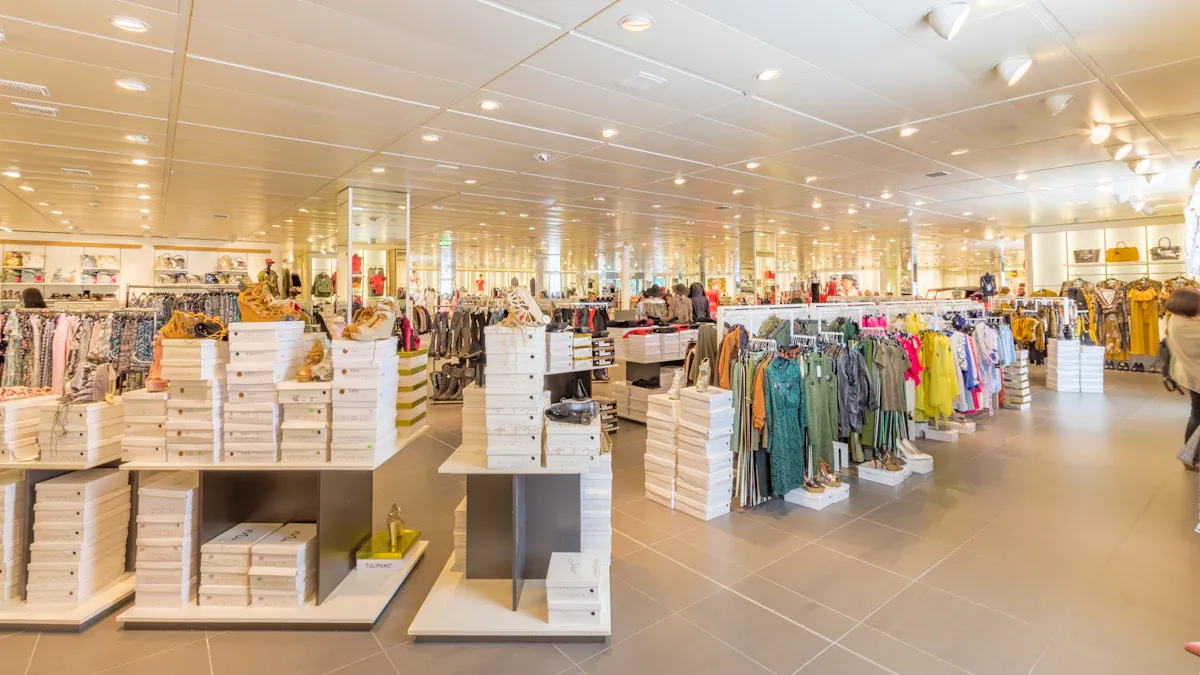
Smart store design can greatly improve employee satisfaction and loyalty. It cuts down on hassle, makes work safer, and gives staff more power. Retail managers and HR leaders get real benefits: better morale, lower turnover, and a stronger store culture. Replacing one retail employee costs $2,000 to $10,000, according to McKinsey's State of Fashion 2025 report. That number makes design-driven retention a business priority. Three levers matter most: less hassle, safer work, and greater employee empowerment. Each lever shapes a positive work environment and culture. Consider how smart stores improve employee satisfaction – scenario [Commercial: a remodel that removes repetitive strain and adds real-time support. Satisfaction then becomes a measurable retention asset.
Key Takeaways
Smart store design cuts down on everyday problems and physical stress for workers.
Helpful machines and comfortable workplace designs make work safer and faster.
Letting frontline workers help with design builds trust and makes them more loyal.
Use surveys to check retention, and change designs based on the data.
Begin with one change that makes a big difference, so you can see quick gains in satisfaction.
Key Smart Store Design Elements
Supportive Automation
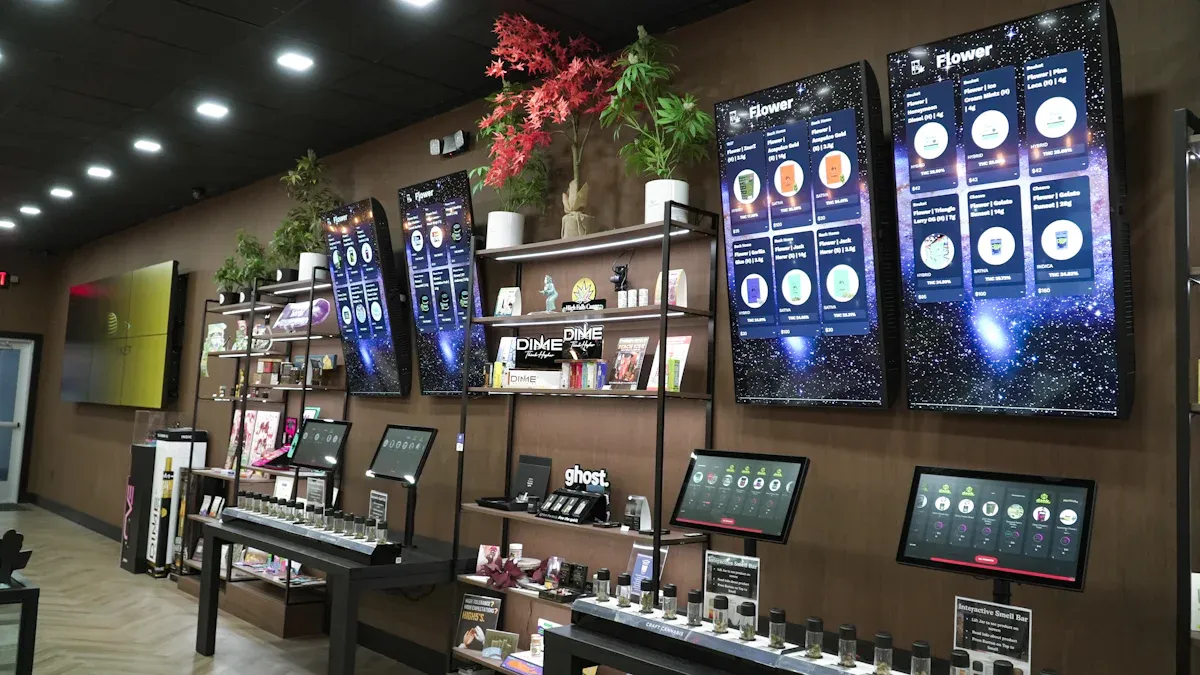
Smart store automation should help workers, not take their jobs. IoT shelf scanners notice when an item runs low, send a reorder through the ERP system, and alert staff. Workers then help customers find other options, so the system supports their customer-facing role. CRM automation gathers customer data from all channels and tells employees about specific customer activities. A store worker may get an alert about a high-value customer's likes before that customer walks in.
Smart scheduling belongs in any workplace design plan. Self-service tools let employees swap shifts, ask for time off, and update availability without a long approval chain. Managers post open shifts, and employees sign up under set rules for skill needs, total hours, and fairness. This structured power boosts morale and cuts manager workload. Being open also matters. Frequent last-minute changes and uneven shifts cause frustration, and unhappy workers are more likely to quit. A formal request system with rule-based decisions gives every employee a voice.
Ergonomic Layouts and IoT Sensors
Ergonomic layouts reduce physical strain through careful choices, a core part of workplace design strategy. Adjustable workstations and chairs fit different body sizes and tasks. Pick-to-light systems guide operators to the right bin, which cuts errors and repeated looking. A 15° forward tilt of bin openings reduces the reach needed to pick from the back of a bin and improves visibility. Lift-assist devices, ergonomic pallet jacks, and conveyor systems make material handling easier. Proper shelving and rack heights cut bending, and anti-fatigue mats reduce discomfort for workers who stand for long periods.
IoT sensors turn these layouts into a real example of workplace strategy and design. Sensors track equipment use and environmental conditions, and they flag problems before strain builds. Smart glasses give real-time guidance and improve decision-making. Wearable RF devices with finger scanners boost accuracy in inventory and order picking. These smart office capabilities go beyond the back room. They give managers data to refine layouts over time, and they show workers that the company invests in their comfort. Retention technology solutions work best when they remove friction from daily tasks.
How Smart Stores Improve Employee Satisfaction

A store remodel changes more than fixtures and floor plans. It changes how people feel at work. Retail leaders who study how smart stores improve employee satisfaction – scenario [commercial see the same pattern again and again. Staff face less stress, fewer frustrations, and lower burnout. The physical environment shapes the employee experience every shift.
Cutting Repetitive Tasks and Strain
Repetitive work wears people down. Smart retail technologies take over old mechanical processes, such as cashiering and sales help, that involve a lot of unskilled, non-creative, low-value, and repetitive human labor. This shift replaces those repetitive tasks that retail salespersons used to do.
Smart store design element | Mechanism reducing repetitive work | Impact on retail employees |
|---|---|---|
Task automation | Routine tasks are automated so staff can move their effort to higher-value activities | Employees move from repetitive chores to customer help and shelf restocking, improving store operations |
Many barcodes are captured at once instead of scanning item by item | Inventory counts that used to take hours are done in minutes, cutting repetitive scanning labor |
Digital workers add another layer. Autonomous shelf management watches shelf sensors, POS sales rates, and camera feeds to predict stockouts and create restock tasks on its own. Digital-worker-driven task management assigns to-dos through a store app by urgency and impact, checks compliance, and offers chatbot help. Workforce reallocation then frees human staff for strategic, growth-oriented work.
Ergonomic improvements target physical strain. Padded mats and adjustable-height cashier counters reduce standing fatigue. Carts with easy-to-maneuver wheels reduce effort during transport. Storing heavier items at waist level prevents unnecessary bending. These changes matter because employees doing repetitive tasks, such as cashiers, face a higher risk of carpal tunnel syndrome, tendonitis, and lower back injuries. A remodeled space improves functionality, so employees work efficiently with fewer frustrations. Optimizing backroom setups, reorganizing cashier counters, or adding break room facilities can improve morale and performance. A thoughtful ergonomic design boosts productivity and reduces workplace fatigue.
Safety and Real-Time Support
Safety and instant help protect employee wellbeing. Guided self-service tools give associates a unified one-device, one-app experience. Associates resolve common issues confidently on their own. Manager involvement in issue resolution drops by more than half, which reduces complexity and frustration. An AI-driven Retail Floor Assistant helps locate products, check availability, navigate promotions, and complete service tasks. Service quality holds during peak periods or staff shortages, and associates focus on higher-value customer interactions instead of feeling overwhelmed.
Frictionless experiences, enabled by computer vision and other retail AI applications such as self-checkout, automated curbside pickup, grab-and-go, smart vending, and self-service options, free employees to focus more on enhancing the in-person customer experience. This support builds improved employee satisfaction across the team.
A remodel also lifts employee morale and engagement. Outdated, poorly maintained equipment harms morale, especially for front-line staff, because employees identify with their physical work environment. Workplace remodeling serves as a morale-building and communication opportunity. Research by Pearce et al., "What Happened to My Office? The Role of Place Identity at Work," shows that perceiving agency to adapt a space and leaders' positive attitudes influence employees' workplace identity. Including employee input during design helps remove chronic annoyances and streamline systems. Employees feel pride working in attractive, updated stores. A Save A Lot franchisee reported staff expressed pride in the renovated environment. Well-designed, properly equipped stores enable employees to work with more efficiency, comfort, and safety. The right blend of function and form can reduce turnover. Remodels act as an employee engagement and retention strategy, not just a brand update. Leaders who ask how smart stores improve employee satisfaction – scenario [commercial find the answer in daily operations. How smart stores improve employee satisfaction – scenario [commercial starts with less strain. How smart stores improve employee satisfaction – scenario [commercial continues with real-time support. How smart stores improve employee satisfaction – scenario [commercial ends with a stronger employee experience and lasting satisfaction.
From Satisfaction to Employee Retention
Why Satisfied Associates Stay
How happy and involved employees are directly affects whether they stay. Recognition shows this clearly. Workers who hear praise from leaders once a month or more are 13.45% less likely to think about quitting. Praise from coworkers at the same pace leads to an 8.82% lower chance of thinking about leaving. When recognition goes from low quality to high quality, the plan to quit drops by 42.40%.
Recognition Source / Condition | Effect on Turnover Intention |
|---|---|
Recognized monthly or more by leaders | 13.45% less likely to think about quitting |
Recognized monthly or more by peers | 8.82% less likely to consider leaving |
Shift from low-quality to high-quality recognition | 42.40% decrease in turnover intention |
Frequent, high-quality recognition lowers turnover intent, burnout, and disengagement across retail settings.
Retail turnover is over 60%, while the average for all U.S. industries is about 19%. That gap makes keeping employees a daily concern for store operations. Engaged staff also help the customer side of the business. Stores with high engagement post 70% higher net sales, 6.25% higher operating margin, and 20% lower shrink. A Harvard Business School study found that a one-point rise in employee satisfaction matches a 0.1-point rise in customer satisfaction. Attentive associates who are easy to see deter theft just by being there and talking with shoppers.
Employee Retention Analysis
Employee retention analysis turns feelings into action. Begin with retention surveys. Mark workers who answer "somewhat agree" or "somewhat disagree" on key items, since unsure answers signal turnover risk. Break survey and exit data into demographic groups to show where gaps differ. Share turnover trends with supervisors, who are closest to the staff. Present each retention strategy as a direct result of survey data, then give the survey again to confirm that employee retention rates improved.
Retention theme | Example survey item |
|---|---|
Intent to stay | "I plan on working here a year from now." |
Growth/development | "I am given ample growth and career development opportunities." |
Fair pay | "I am paid fairly." |
Recognition | "If I contribute to the organization's success, I know I will be recognized." |
Wellbeing | "I am able to balance my work and personal life." |
Resources | "I am given the resources I need to succeed." |
Alignment/communication | "When leadership makes decisions, I understand why." |
Key metrics for effective employee retention analysis include the employee retention rate, absence rate per manager, and retention rate of top performers. Set alert thresholds. A voluntary turnover target of 12% triggers a full audit at 18%. Ninety-day attrition above 15% triggers an onboarding review. These employee retention metrics guide retention strategies before disengagement becomes departure. Only 77% of employees say it would take a lot to make them leave, so nearly one in four carries retention risk today. Thirty-five percent say their organization ignores survey feedback, yet employees who see action taken are 12x more likely to be engaged. Sound retention analysis closes that loop and protects the employee experience.
Challenges and Mitigations
Smart store design brings efficiency, but efficiency can push out human connection. A self-checkout lane that runs smoothly still needs an associate nearby to greet shoppers and answer questions. Leaders must protect that human layer during every rollout. Poorly planned deployments hurt employee engagement and satisfaction fast. Staff who meet new tools without warning or training often resist them. The result is a weaker employee experience and a slower return on the investment.
Change Management and Training
Change management belongs in the plan from day one. It ranks as a key part in omnichannel retail implementation, alongside program management, technical architecture, and design governance. Teams should pilot before scaling. Pick one or two pilot sites and test new workflows there. Capture what worked and what did not, then use those lessons to guide the wider rollout. Phased waves by store cluster keep small issues small and make wins easy to repeat.
Training must match the tasks each role performs. Cover technical skills and soft skills such as adaptability and resilience. Offer ongoing support through clear documentation, dedicated help channels, and coaching. Set realistic expectations by acknowledging the learning curve and temporarily adjusting performance metrics. Create psychological safety so employees can ask questions and make mistakes without punishment. Well-trained teams boost results, and 42% of companies report higher revenue after e-learning adoption. Structured models such as Prosci ADKAR, paired with coaching and change agents, reduce resistance over time.
Employee Engagement and Satisfaction Risks
Rollouts fail when leaders treat adoption as a technical event. Not enough resources relate to ineffective change management. Employees who feel unheard disengage, and disengagement spreads through a store team. Feedback loops matter here. Surveys and forums give staff a channel to share concerns and feel valued. Recognition of change champions sustains momentum after launch.
Leaders should watch for warning signs. Rising questions, quiet compliance, and falling participation all signal risk. Address these signals early with listening sessions and visible follow-through. Strong employee engagement and satisfaction come from trust, not from speed alone. A steady cadence of communication protects both.
Best Practices for Employee Loyalty
Co-Designing with Frontline Staff
Frontline employees know the most about daily friction. Leaders should bring them into design decisions early. This step builds trust and strengthens loyalty. A practical process starts with empathy maps or persona stories. These tools show how staff experience the current process before anyone designs a change. Teams then brainstorm without limits and prototype promising ideas with paper sketches or role-plays. Feedback loops follow, and employees outside the design team react to each prototype. Inclusive facilitation matters here. Anonymous idea submissions and round-robin turns draw out quieter voices.
Frontline teams often create informal knowledge networks to fill gaps left by official systems. Smart retailers treat these workarounds as design input rather than a problem. The strongest employee experience platforms were co-designed with store teams, not deployed to them. Leaders should also build in reflection points and resist over-steering. Rollout comes last, with a shared story of co-creation and an advisory group that monitors results. These retention strategies turn staff into partners. Strong engagement follows, and engagement anchors every sound employee retention strategy.
Measuring and Iterating
Start with one high-impact design change. Measure the result through employee retention surveys. Track the employee retention rate and watch for unsure survey answers, which signal risk. Compare results across demographic groups and share trends with supervisors. Sound retention analysis links each change to survey data, then repeats the survey to confirm progress. This approach belongs among the best practices for improving employee retention.
Leaders should treat retention metrics as a feedback loop, not a scorecard. Set alert thresholds and review employee retention metrics each quarter. Solid retention analysis guides the next design tweak. Repeated retention analysis keeps workplace design strategy honest. Careful retention analysis protects employee satisfaction over time. Ongoing retention analysis supports career development opportunities for retention. Regular retention analysis sharpens turnover and retention strategies. Honest retention analysis improves employee retention rates. Each round of retention analysis refines retention strategies further. Good retention analysis pairs with clear retention strategies. Smart retention strategies rely on steady retention analysis. These retention strategies build lasting loyalty.
Smart store design boosts employee satisfaction through three levers: less friction, safer work, and real empowerment. That satisfaction turns into measurable employee retention gains. Associates who face fewer repetitive tasks and get real-time support stay longer. Employee retention analysis confirms the shift. A store that invests in its people earns their loyalty in return.
The answer is simple. Design shapes how people feel at work every shift. Retail leaders should start with one high-impact change, such as ergonomic workstations or supportive scheduling. Then measure the employee retention rate through employee retention surveys. Sound retention strategies grow from that data. Each cycle of employee retention work strengthens the store culture. Employee retention improves when leaders listen, act, and repeat.
FAQ
What does smart store design mean in practice?
Smart store design mixes the physical layout with connected technology. It includes ergonomic workstations, IoT sensors, helpful automation, and self-service scheduling tools. Each part targets a specific source of daily hassle. The goal is a store that helps associates work with less strain and more control over their shifts.
Does automation in smart stores replace associates?
Helpful automation handles repetitive work and frees associates for customer-facing tasks. Shelf scanners and digital workers manage restocking alerts and routine counts. Associates then spend more time helping shoppers and solving problems. Designers should present automation as assistance, not replacement, to protect morale and trust.
How fast can a remodel affect employee morale?
Morale shifts often show up soon after a remodel, especially when leaders involve staff in the design. Employees feel pride in updated, well-equipped spaces. A Save A Lot franchisee reported staff expressed pride in the renovated environment. Retention surveys then confirm whether the change holds over time.
How should leaders measure the impact on retention?
Leaders start with one high-impact change and track the employee retention rate through retention surveys. They watch for unsure survey answers, which signal risk. They compare results across demographic groups and share trends with supervisors. Repeating the survey confirms whether satisfaction gains turn into measurable retention improvement.
Where should a retail team begin?
Start with a single high-impact design change, such as ergonomic workstations or supportive scheduling. Involve frontline staff early to build trust. Measure results through retention surveys and adjust based on the data. Each cycle strengthens store culture and lowers turnover cost, which ranges from $2,000 to $10,000 per replacement.
See Also
Boosting Staff Efficiency Using Intelligent Vending Machines In Small Offices
Comparing Micromarkets And Smart Stores: Global Automated Convenience Retail Explained
Electronics Vending Machines Transforming Retail Through Innovative Smart Technology Solutions
Understanding Why Artificial Intelligence Powered Stores Represent The Future
Discovering The Sophisticated Appeal Of The Classic Corner Store
