Technical scenarios for inventory management in corporate micro stores

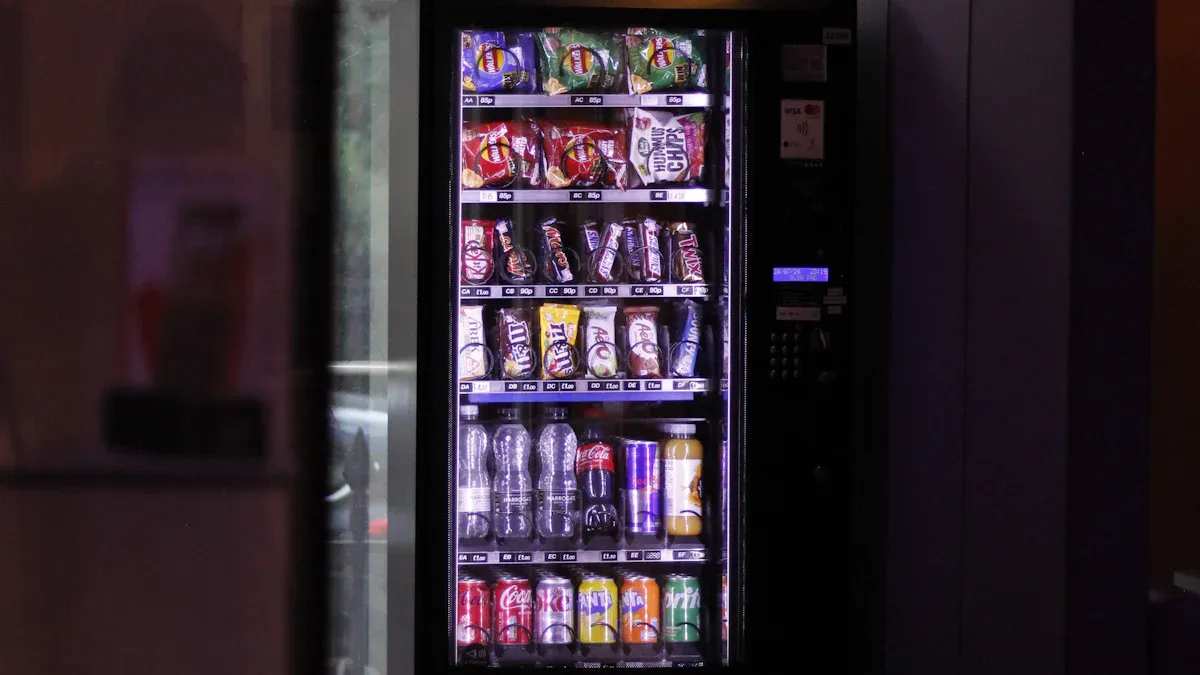
Modern company micro stores manage their stock accurately by using connected technology. Passive RFID tags, IoT weight sensors, and AI computer vision track inventory in real time. Business planners use these tools for effective inventory management to lower high labor costs, avoid empty shelves, and prevent theft. New stock systems record product movement right away on physical shelves. Special inventory management software uses these constant signals to keep shelves full. Accurate stock tracking makes daily store tasks much easier. This setup improves supply chain speed while keeping exact product counts through automated inventory management. Dependable stock control ensures items are always available. Smart inventory management tools make local order filling faster and better. As a result, good company inventory management helps the business grow.
Key Takeaways
Smart hardware tracks store stock automatically in real time using RFID tags, weight sensors, and ceiling cameras.
Stock control programs link shelf monitors straight to central business files to handle self-driven supply orders.
Local edge computers quickly process store data so kiosks keep working without internet delays.
Smart cameras with AI and digital door trackers keep expensive store products safe from stealing and tracking mistakes.
Automated Hardware Scenarios for Real-Time Inventory Management
Passive RFID and Digital Cataloging Systems
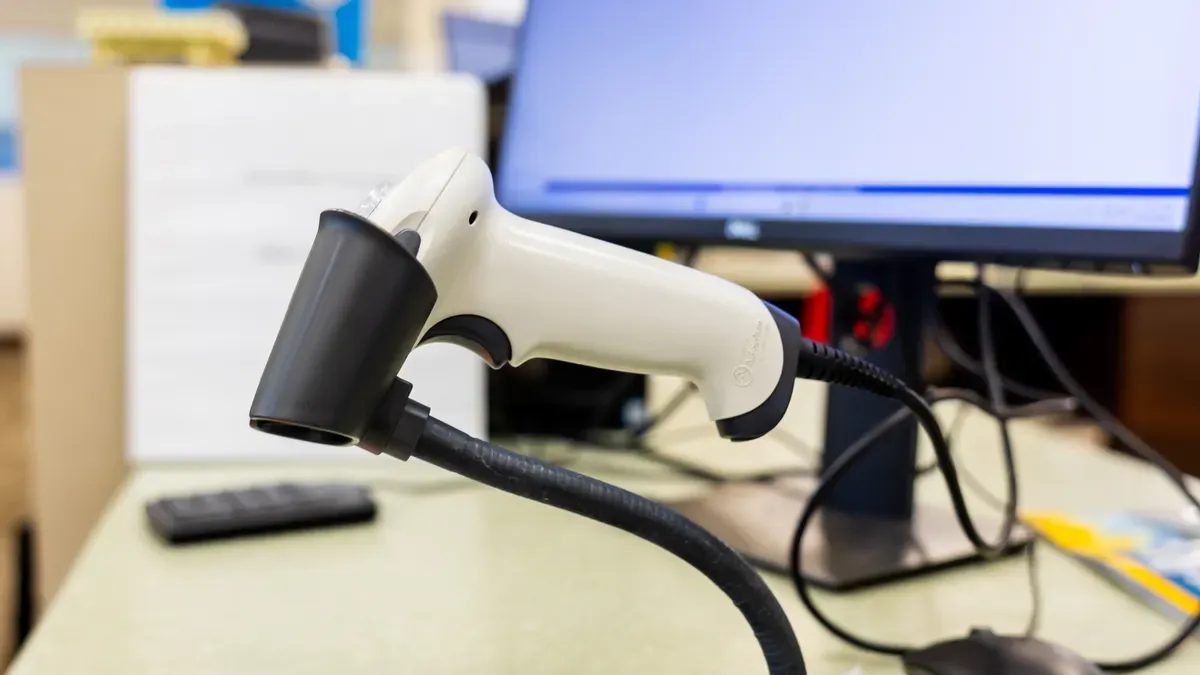
Modern micro stores use Ultra-High Frequency passive RFID tags to monitor stock across store layouts. Fixed RFID readers send radio signals that power passive tags on individual items. Continuous asset tracking replaces manual store audits completely. This hardware setup connects directly with company inventory management software to track item movement. Supply chain managers get instant updates when stock moves between different store zones. Improving corporate inventory management increases overall stock visibility. Digital cataloging platforms link each tag to specific product info. This connection improves inventory control and boosts supply chain speed.
Smart cataloging tools organize product details continuously. Tag readers scan thousands of items every second with high accuracy. The main inventory management software records product entries automatically. Corporate inventory management depends on steady data updates from physical tags. Business inventory systems process tag signals right away. Staff members monitor item counts on main dashboards. Better tracking removes work delays across the supply chain. Digital tools simplify daily store checks for workplace teams.
Smart Shelves and Weight Sensor Arrays
Weight-based smart shelves track item removals directly from micro store displays. Precise load sensors change shelf weight into electric signals. The hardware sends these signals right to main inventory management software. The system finds item counts by dividing total weight by the average item weight. High accuracy sensors spot missing items right away. This automated inventory hardware offers dependable inventory control for micro store setups. Modern corporate inventory management depends on these exact hardware signals. Active inventory management helps maintain clear stock visibility across shelves.
Weight sensor arrays monitor products by using distinct hardware methods:
High-precision force sensors guess item type, location, shape, and count.
Built-in scales measure unit weight changes to track stock usage.
Camera-equipped smart shelves add product recognition for items with similar weights.
Smart shelf arrays track item removal by exact shelf position. However, weight arrays alone cannot identify a similar-weight product placed on the wrong shelf. Specialized hardware tools fix stock errors by reading raw sensor data. Connected inventory systems save sensor data to keep counts correct. Good inventory management prevents sudden out-of-stock events. Advanced inventory management software makes store restocking tasks much easier.
Enterprise ERP Integration and Inventory Management Software
Event-Driven ERP and Restocking Webhooks
Modern stock tracking software links shelf sensors straight to company databases. Automatic webhooks send instant product updates. Enterprise stock management software removes manual work across local supply chains.
Area | Recommendation | Result |
|---|---|---|
Payload | Send JSON payloads to REST endpoints. | Ensures continuous data accuracy. |
Security | Use OAuth 2.0 access tokens. | Protects overall supply chain security. |
Reliability | Implement middleware retry logic. | Maintains operational efficiency. |
Smart programs clean up raw sensor data before sending it out. Main tracking systems fix data errors to help control current stock. Special counting software checks every record to keep information accurate. Connected stock systems sync product counts with main warehouse databases. Strong tracking software makes supply chain operations run faster and smoother. Local store systems send updates without any issues.
Demand Forecasting and Stock Optimization
Smart forecasting tools study past sales, store locations, and daily weather patterns. Computer programs update shopping predictions every fifteen minutes. Smart computer networks track replacement products to improve planning. Simple math models protect inventory plans from sudden changes in buying habits. Combined stock solutions connect small company stores right to main delivery networks. Strong tracking software stops empty shelves by constantly balancing inventory levels. Business supply planners use automatic management software to speed up customer orders.
Connected stock software follows first-in, first-out rules without human help. Automatic systems match product movement with expiration dates. Special store tools tell workers to sell older items before newer ones. Smart inventory planning cuts down on food waste on small display shelves. Flexible warehouse settings change product orders as shopping habits shift. Company teams control all inventory using easy technology systems. Custom planning models help stores make the most money possible. Special stock software improves overall business success. Tailored management tools make daily store chores much easier to do. Smart inventory planning keeps store supply matching local shopping needs. Focused stock management helps growing businesses expand quickly. Nonstop inventory tracking keeps daily operations running smoothly. Automated stock systems stop store rooms from getting overloaded. Dependable inventory tools help businesses sell more products. Exact stock tracking gets rid of costly count mistakes. Organized inventory systems help store managers place better product orders. Complete stock tracking makes the whole supply chain move much faster. Good inventory planning helps expand supply networks around the world. Advanced management software handles stock balance automatically. Modern computer tools upgrade daily store work. Local sales planning guides how big warehouses operate every day. Central planning teams decide where to send new products. Digital demand tools make restocking shelves simple. Connected stock management software supports company growth everywhere.
Architecture Scalability and Small Business Inventory Management Models
Edge Computing for Low-Latency Kiosks
Edge processing brings constant tracking to small store networks. On-site kiosks use local mini servers to run super fast. This setup cuts down on internet data use across the network. Local devices analyze video feeds right inside the building. Therefore, good small business inventory management uses fast local computers to keep store items safe. Local hardware keeps running smoothly even when internet service cuts out.
On-site equipment links right to central inventory management software. Small store systems pack essential tools into a small setup with a basic network switch. This simple build runs stock programs without annoying system delays. Local computers send vital updates to main supply offices. Business managers set up reliable inventory management software at every store location.
Architecture Type | Latency Range | Primary Fit |
|---|---|---|
Edge-based | Real-time apps, IoT, local inventory systems | |
Cloud-based | General compute, central storage, batch analytics |
Multi-Location Network Synchronization
Multi-store setups link separate kiosks to central cloud systems. Modern inventory management software sends local store data back to main servers. Timed updates automatically start background data sharing across every store computer. Connected locations collect local changes to improve main warehouse management. This automatic sharing updates item records across the entire supply chain.
Good small business inventory management depends on strong database sharing. Multi-store networks use two-way sync models to balance item counts. Every local computer uses digital tags to find matching record conflicts instantly. Central systems fix data mistakes using set business rules. Automated inventory management software matches local stock totals with main corporate databases.
Growing networks follow simple small business inventory management methods. Special software tools link sales kiosks directly to main warehouse management tasks. Modern inventory management software improves product delivery times across different areas. Store leaders pick smart small business inventory management habits to keep exact stock counts. Technical staff run focused tools to make supply chain tasks easier.
Loss Prevention Tech and Smart Access Controls
AI Computer Vision for Automated Auditing
Ceiling cameras scan product displays all day long. Smart computer programs watch store actions to help track stock on every shelf. These camera tools check real shelf items against official product lists. Automated tools help store teams get exact product counts every single day. Workers use these clear visual scans alongside store software to spot lost items right away. Security cameras send updates to the main tracking system without any extra work. Teams use these computer tools to fix simple scanning mistakes quickly.
Visual sensors check shelf edges day and night. The system flags stolen items right as they happen. Smart image tools help the store run much better every single day. Engineers link these smart cameras straight to main company databases. Daily camera checks keep better order in tiny store spaces. Modern security mixes smart tracking tools with real locks and doors. Constant camera checks help workers prove real stock numbers right away.
Smart Access Logging and Token Security
Smart doors help track store stock by saving worker badge scans at every entrance. Secure keys protect doors while keeping good control over store items. Digital passes check worker names before unlocking heavy doors. Computerized doors save entry times straight into tracking program files. Safety studies show that alert workers help technology work much better:
When workers feel ready to check worker badges, illegal entry drops by 70%. A 2021 test showed people carrying coffee snuck past doors 40% of the time, and quick reports cut break-in damage by 60%.
Good entrance records help protect store stock by following simple safety steps:
Every door swipe, good or bad, goes into a list to trace illegal entries.
Managers check door records for odd habits to spot sneaky intruders.
Quick alerts warn security guards about late night visits or wrong codes.
Security videos connect clips to door swipes to catch uninvited guests.
Linking door records to stock tracking tools keeps company products much safer. Smart checks help prevent count errors across all connected store sites. Safe login steps protect computers across the entire business network. Small store setups use extra safety steps to protect valuable stock. Strong rules help managers maintain complete control over local products. Workers count on good tracking tools to follow item moves correctly. Modern shops run special tracking software to see every single product. Constant door records help managers track current stock without stopping. Digital tools make product tracking easier for every shop location. Ongoing safety checks help large companies manage big stock networks.
Expanding company micro stores takes modern inventory management tech. Dependable local devices improve site-level stock handling. Simple RFID tags, weight pads, and smart cameras refine everyday stock tracking. Custom inventory management software links local gear right to main company cloud platforms. Instant data paths join store hardware with central inventory systems smoothly. Effective inventory management software speeds up the whole supply chain. Company teams reach top working speed through automated inventory management. Tech leads should pick flexible inventory management solutions now. Modern inventory management ensures exact product counts across every small store. Adaptable company tools drive long-term business growth. Modern enterprise inventory management supports growing micro store networks easily.
FAQ
How do passive RFID tags improve stock tracking?
Passive RFID tags track items constantly on store shelves. Fixed readers scan thousands of tags every second. This automatic gear makes store product lists much more accurate. Store managers rely on inventory management to stop item loss and keep exact stock numbers.
What role does dedicated software play in micro store operations?
Automatic hardware needs inventory management software to read shelf signals. The system cleans up basic sensor data right away. Special inventory management software links store display shelves directly to central databases. Bosses make daily inventory management tasks easier and keep inventory management processes the same at every location.
How do restocking webhooks support enterprise ERP integration?
Restocking webhooks send quick updates to main computer systems whenever shoppers pick up items. Automatic webhooks eliminate the need for typing in data by hand. Fast inventory management makes shelf filling much quicker. Modern enterprise inventory management keeps products on shelves while making the supply chain work better.
How does smart hardware prevent stockouts in micro stores?
Smart shelves check small weight changes to spot missing items instantly. Smart math models study shopping habits to help with store reordering. Enterprise inventory management cuts down on empty shelves very well. Dependable tech tools keep up great inventory management in tiny office shops. Modern inventory management keeps shoppers happy.
See Also
Comparing Micromarkets And Smart Stores In Global Automated Retail
Boosting Small Office Staff Productivity With Smart Vending Solutions
Space Saving Tabletop Snack Vending Machines For Modern Workplaces
Transforming Online Store Management Using Powerful Artificial Intelligence Tools
