Unmanned Retail Solutions for Cultural Tourism and Vacation Experiences

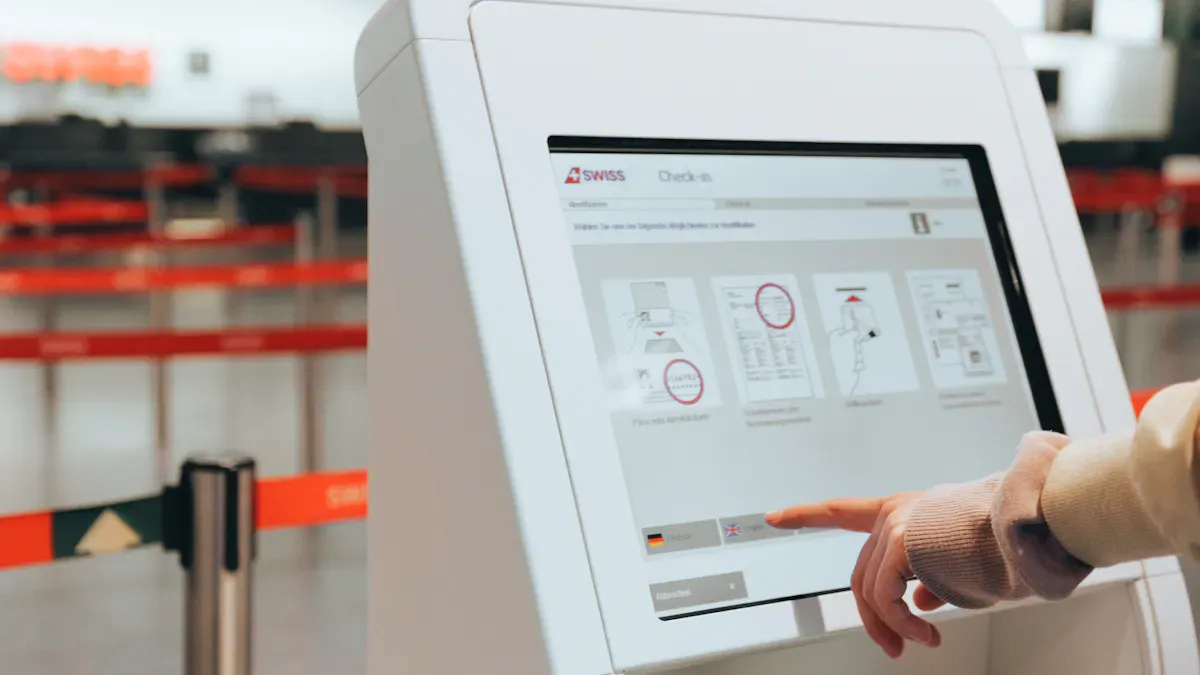
Unmanned retail in cultural tourism changes how visitors enjoy local attractions. Operators have problems like not enough staff and short open times. Unmanned stores give steady access to important goods and services. These unmanned solutions start as simple supply spots and become strong service centers. Automated kiosks, unmanned vending machines, and unmanned mini-markets make shopping easy. Unmanned systems need less workers and help things run better. Guests think unmanned choices are quick and easy. Unmanned technology fits different tourism needs. Unmanned operations help save money and protect the environment. Unmanned retail keeps changing how people travel.
Key Takeaways
Unmanned retail lets people shop all day and night. Visitors can buy things anytime. This makes their visit better.
Automation means stores need fewer workers. This helps owners save money. It also makes service faster.
Unmanned stores use technology to fit different places. They meet the special needs of each area.
Data analytics helps owners watch sales. They can change what is in stock. This keeps popular items ready for customers.
Unmanned retail can cut down waste. It helps stores reach environmental goals by managing stock better.
Stores can change products and layouts for visitors. This makes shopping more fun and easy.
Unmanned solutions work in faraway places. They give important goods where regular stores are not found.
Owners should try unmanned systems in certain spots. This helps them find the best ways to succeed.
Challenges for Unmanned Retail in Cultural Tourism
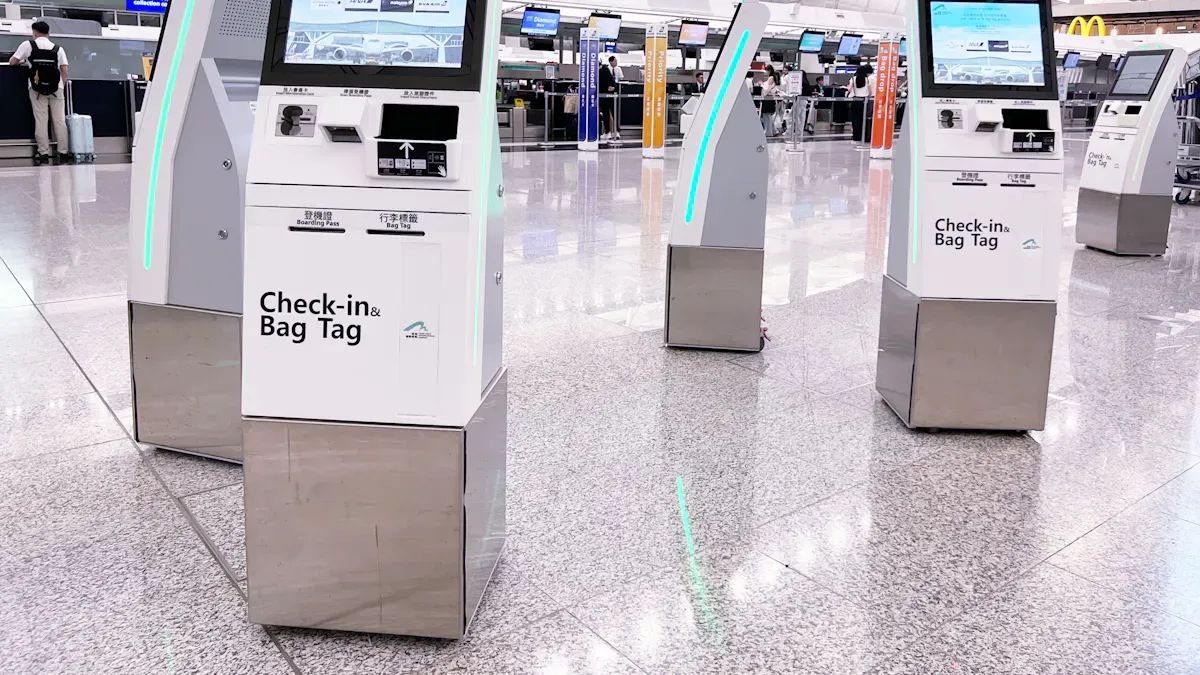
Unmanned retail has special problems in cultural tourism. Operators need to fix service gaps and high labor costs. They also must build business models that last. These problems change how tourist spots work and feel. Moving from regular stores to unmanned ones needs careful planning. It also needs money spent on digital infrastructure.
Service Gaps and Limited Hours
Tourism shops often have broken service. Many stores close early or stay shut during slow times. This leaves visitors without help when they need it. Busy tourism can change neighborhoods and push out locals. Shops may only care about tourists, not residents. This lowers shop variety and hurts small businesses. Both social and money balance in the area can suffer.
Nighttime and Remote Area Issues
Nighttime brings extra problems for unmanned retail. Many tourist places do not offer goods all day. Remote spots lack strong digital systems. This makes it hard to keep stores running well. Unmanned stores use smart technology to keep visitors safe. They also make shopping easy at any time. Serving guests at night can help profits. But stores must have good business plans to do this.
Seasonal and Off-Peak Challenges
Tourist spots see visitor numbers change with seasons. During slow times, regular stores lose sales but still pay big bills. Unmanned stores can change what they sell and use digital tools to track needs. Business models must be flexible to keep money steady. They also need to protect the environment. Operators must think about running stores all year, even when fewer people visit.
Labor Costs and Sustainability
Labor costs are a big problem for tourism shops. Scheduling workers during busy times wastes money. Young part-time workers leave often, so training costs go up. Sometimes, labor costs take more than half of profits. This lowers the money operators make.
Staffing Difficulties
Unmanned stores have trouble with staff because they need constant watching and help for customers. Many operators use AI robots instead of regular workers. These robots cost less and help visitors better. Digital systems support these new ways of working. They also help stores last longer.
Long-Term Viability
Stores need to spend money on digital systems and build strong business models to last. Hospitality and tourism companies must use digital tools to stay ahead. Unmanned stores in Japan use smart security and cashless payments. Some stores let people rent clothes with phones or take photos to share online. These ideas bring in younger visitors and help tourism goals. Operators must care about the environment and keep their stores strong as things change.
Unmanned Retail in Cultural Tourism: Solutions and Insights
Unmanned retail in cultural tourism helps solve old problems in new ways. Operators use unmanned stores to fix service gaps and save money. These stores also make shopping better for visitors. Automation and data analytics help stores run well in many places. Shoppers can buy things without touching anyone or waiting in line. Stores can change what they sell to match what people want. The next parts show how unmanned stores fix problems and add value in different places.
24/7 Service and Flexibility
Unmanned retail in cultural tourism lets visitors shop any time. Automation keeps stores open all day and night. This helps operators serve more people and meet their needs.
Stable Operations in High-Traffic Areas
Unmanned stores work well in busy places like airports and train stations. Automation and data analytics help these stores handle big crowds. Bingobox uses smart technology like facial recognition and self-checkout. This lets shoppers buy things at any hour. Haloo’s 3-in-1 Ice&Water Vending Machine gives cold drinks in hot outdoor spots. Qian Dama’s "Cai Bar" cabinets offer fresh food after normal hours. BIG FISH · Smart Store uses AI vision so shoppers can grab items and go. These models use automation and data analytics to keep things running smoothly.
Operators use different ways to keep unmanned stores working in busy places:
Strategy | Description |
|---|---|
Smart Vending Machines | Made for high demand, with fast cooling and two systems. |
Market Research | Finds the best places, like malls and stations, for more shoppers. |
Remote Management | Uses data analytics to check stock, sales, and temperature for smooth work. |
Adaptation to Special Environments
Unmanned retail in cultural tourism must work in many places. Automation helps stores run in tough weather or with few workers. Data analytics lets operators change what they sell based on what people need. For example, unmanned stores in remote parks use solar power and cloud management. These stores can work with little help from people. Operators use data analytics to guess busy times and restock before things run out. This keeps shoppers happy and cuts down on waste.
Scenario-Based Product and Space Design
Unmanned retail in cultural tourism uses special designs for each place. Operators use automation and data analytics to pick the right products and store layouts. This makes shopping easy and matches what shoppers want.
Hotels and Resorts
Unmanned stores in hotels and resorts make things easy for guests. Automation lets them buy snacks, drinks, and travel items any time. Data analytics helps operators see what guests buy and restock as needed. Stores use small designs to fit in lobbies or hallways. The table below shows how unmanned stores change in hotels and resorts:
Adaptation Strategy | Description |
|---|---|
Hyper-Localized Placement | Stores sit in busy spots like halls and lobbies for easy access. |
Ultimate Accessibility | Guests get what they need outside normal hours, making their stay better. |
Tailored Product Offerings | Stock matches the place, like fancy items in hotels or snacks in offices. |
Reduced Footprint | Small designs fit well in stylish or sensitive places. |
Parks and Scenic Spots
Unmanned retail in cultural tourism helps visitors in parks and scenic spots. Automation lets stores run in far or outdoor places. Data analytics tracks what people buy in different seasons. Operators use this data to stock water, sunscreen, and souvenirs. Stores use weather-proof designs and solar power to stay open in all weather. This gives shoppers more choices and helps local tourism.
Ski Resorts and Hot Springs
Unmanned stores in ski resorts and hot springs use automation to help guests in cold or wet places. Data analytics helps operators know when more people will come. Stores sell gloves, snacks, and hot drinks. Automation keeps stores open early and late. This helps guests enjoy their trip without leaving the resort.
Airports and Transportation Hubs
Unmanned retail in cultural tourism makes travel shopping fast and easy. Automation and data analytics let stores stay open all the time. Travelers can buy things like snacks, electronics, and gifts any time. AI checks sales and restocks popular items. Operators use data analytics to learn what shoppers like and change ads. This means shorter lines and lower labor costs. Travelers get a quick, contact-free shopping trip.
Unmanned stores at airports and hubs give:
24/7 access to medicine, hygiene items, and snacks.
Special ads based on data analytics.
Fast checkout with automation and no lines.
Operators get these benefits:
Quick sales from automation and mobile payments.
More money from spaces that would be empty.
Unmanned retail in cultural tourism uses automation and data analytics to meet what modern shoppers want. Operators can change products, store design, and ads for each place. This makes shopping better for everyone and helps tourism grow.
Case Studies of Unmanned Stores in Tourism
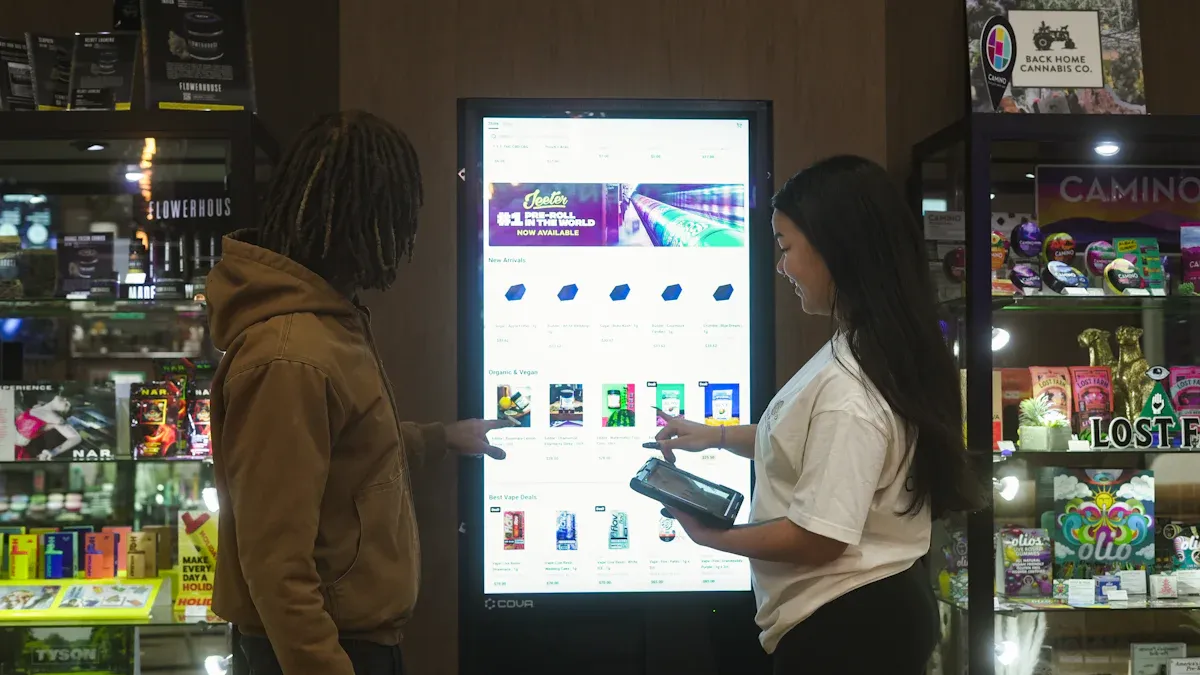
Hotels and Resorts
Nighttime Retail Solutions
Hotels and resorts have trouble meeting guest needs at night. Many guests come after regular stores close. Unmanned stores stay open all night to help. These stores use smart shelves and self-checkout. Guests can buy snacks, drinks, or travel items any time. Some hotels put unmanned kiosks in lobbies or near elevators. These kiosks give quick access to important things. Operators say there are fewer complaints about store hours. Unmanned technology means fewer night staff are needed. This saves money and makes service better.
Guest Convenience
Unmanned stores in hotels and resorts make shopping simple for guests. Travelers sometimes forget things like chargers or toiletries. Unmanned mini-markets have these items in stock. Guests pay with mobile phones or room cards. The buying process is quick and easy. Operators use data to see what sells and restock fast. Some hotels have vending machines with local souvenirs. This helps guests find special gifts without leaving the hotel. Unmanned solutions make guests happier and help hotels earn more.
Parks and Complexes
Visitor Flow Management
Parks and big complexes get crowded at certain times. Unmanned stores help control these busy times. Operators put kiosks near entrances and exits. These kiosks sell water, snacks, and maps. Visitors can buy what they need without long waits. Unmanned systems use sensors to count visitors. Operators use real-time data to restock shelves. This keeps products available during busy hours. Unmanned stores also help reduce litter with recycling bins. Park managers see smoother crowds and better service.
Customized Offerings
Unmanned retail in parks and complexes fits local needs. Some parks use vending machines for sunscreen and hats. Others sell rain ponchos or bug spray. Operators watch what visitors buy to pick the right items. Unmanned stores can change products for events or seasons. For example, parks sell cold drinks in summer and hot drinks in winter. Unmanned technology lets operators update product lists fast. This makes visits better and helps local tourism.
Ski Resorts and Hot Springs
Seasonal Adaptations
Ski resorts and hot springs see visitor numbers change a lot. Unmanned stores help operators keep up with these changes. In winter, kiosks sell gloves, scarves, and hand warmers. In hot spring areas, stores offer towels, swimsuits, and water. Operators use data to guess busy weekends or holidays. Unmanned systems make it easy to switch products for each season. This keeps guests happy and helps stores sell more.
Stable Operations
Unmanned stores give steady service in ski resorts and hot springs. These places often have bad weather or are far away. Unmanned technology works well in cold or wet places. Stores use weather-proof designs and remote checks. Operators can see sales and stock from far away. Unmanned systems mean fewer workers are needed on site. This cuts costs and keeps stores open even in storms. Guests always have what they need during their stay.
Tip: Operators should try unmanned systems in different seasons before using them everywhere. This helps find the best products and store spots.
These case studies show how unmanned retail makes tourism better and more efficient. Operators can use these ideas to make their own sites work well.
Airports and Subways
High Traffic Solutions
Airports and subways are busy every day. Many people travel through these places. They need fast shopping choices. Unmanned retail stores use smart technology and automation. Operators put kiosks and mini-markets in busy spots. These stores have self-checkout systems. Travelers can buy things quickly. They do not wait in long lines. Self-checkout helps stop pricing problems. This keeps shopping easy.
Unmanned stores use contactless payment systems. Travelers pay with phones or cards. This makes shopping fast and safe. Sensors and AI track what people buy. They help restock shelves before items run out. Operators use data to see what sells best. They change stock to match traveler needs. Unmanned stores sell snacks, drinks, travel accessories, and gifts.
Key features of unmanned retail in busy areas include:
Self-checkout for quick buying and fewer problems.
Contactless payment for speed and safety.
Sensors and AI for real-time stock and restocking.
Stores near gates and exits for easy access.
Travelers like unmanned stores because they can grab things and go. Operators see more sales during busy times. Unmanned technology helps serve more people without extra staff.
Seamless Travel Experience
Unmanned retail stores make travel easier for everyone. Travelers often have little time between flights or trains. Unmanned kiosks let them buy food, drinks, or travel items fast. Contactless kiosks mean no waiting in line. Shoppers use phones or cards to pay and leave quickly.
Unmanned stores use AI to suggest products based on time or season. For example, they may offer umbrellas when it rains or pillows during holidays. Operators use data to change product displays and ads. This makes shopping feel personal and efficient.
Benefits of unmanned retail for easy travel include:
Fast shopping with no lines.
Personalized product suggestions using AI.
24/7 access to travel essentials.
Lower labor costs for operators.
Note: Unmanned retail in airports and subways saves time and lowers stress. Operators can keep stores open all day and night, even during holidays or late hours.
Unmanned retail stores in airports and subways show how technology solves real problems in busy travel hubs. Operators can use these solutions to make shopping better for travelers and more efficient for their business.
Replicable Strategies for Unmanned Retail Integration
Scenario Assessment and Customization
Operators must check each tourism spot carefully. They look at how many visitors come and what they need. They also think about local culture. This helps them pick the right unmanned solution. Some places need small kiosks. Others need bigger automated stores. Operators use data to see busy and slow times. They change store hours and products to match these patterns.
Customization is very important. Operators choose products that fit the place. Ski resorts need gloves and hot drinks. Beach areas need sunscreen and water. Operators also follow local rules and safety needs. This makes sure unmanned stores help both tourists and locals.
Tip: Operators should try unmanned solutions in one spot first. This helps them find out what works best.
Space and Product Optimization
Space is important in unmanned retail. Operators use every inch smartly. They pick small shelves and good layouts. This makes shopping quick and easy. In busy places, stores go near entrances or exits. In quiet spots, they use smaller kiosks to save space.
Product choice depends on guest needs and season. Operators use data to see what sells well. They change products for holidays or special events. Dynamic pricing helps them change prices when demand goes up or down. This keeps sales strong in busy times and cuts waste in slow times.
A simple table shows how operators use space and products:
Location Type | Space Strategy | Product Focus |
|---|---|---|
Airports | High-traffic zones | Travel essentials |
Parks | Weather-proof kiosks | Snacks, souvenirs |
Resorts | Lobby mini-markets | Local specialties |
Operation Mode Differentiation
Unmanned retail uses different ways to run stores. Some places need stores open all day and night. Others only need daytime hours. Operators pick between fully automated stores and hybrid models with remote help. They use AI cameras and sensors to watch stores. This keeps things safe and smooth.
Operators also use dynamic pricing to boost sales. Prices change with time, weather, or events. This helps stores make more money. The omni-channel experience links unmanned stores with online platforms. Guests can order online and pick up in person. This gives more choices and makes shopping easier.
The omni-channel experience also helps operators manage stock and ads. They use digital tools to track sales and update ads. This keeps the unmanned store fresh and interesting.
Note: Operators should check operation modes often. They must change with new trends and guest feedback to stay ahead.
Reference Frameworks
Operators in cultural tourism need strong reference frameworks to help with unmanned retail. These frameworks help teams plan, start, and run unmanned stores with confidence. They also help stores last longer and change when needed.
A reference framework begins with clear goals. Operators decide what they want from unmanned retail. They set targets for happy visitors, good sales, and smooth work. Teams use these goals to check progress and make things better.
Frameworks have step-by-step guides for setting up unmanned stores. Operators use checklists for picking sites, setting up digital systems, and finding products. They use templates for store layouts and planning what to stock. These guides help avoid mistakes and make setup faster.
Operators use best practices to manage unmanned stores. They track sales and visitor numbers with real-time data. Teams watch store performance with dashboards and alerts. They change products based on seasons and what guests say.
Reference frameworks also help with risk management. Operators look for problems like security, tech failures, or supply chain issues. They make backup plans for store operations. Teams train staff to handle emergencies and keep unmanned systems working.
A simple table shows the main parts of a reference framework for unmanned retail:
Framework Element | Description |
|---|---|
Goal Setting | Set targets for unmanned store success |
Site Selection | Pick places for unmanned stores |
Digital Infrastructure | Set up networks and payment systems |
Product Planning | Choose items for unmanned retail |
Risk Management | Get ready for security and tech problems |
Tip: Operators should update reference frameworks often. They check store data and industry trends to keep frameworks useful.
Reference frameworks help with customization. Operators change unmanned store plans for hotels, parks, resorts, and airports. They use local data to pick products and design stores. Teams share store results with partners and others.
Operators use reference frameworks to grow unmanned retail in more places. They compare how stores do and share what they learn. Frameworks help teams build strong, efficient, and guest-friendly unmanned stores.
Unmanned retail in cultural tourism gets better with reference frameworks. Operators get more organized, lower risks, and make visits better. Teams use these frameworks to guide every step of unmanned store setup.
Unmanned retail changes how cultural tourism works by fixing big problems. Operators use unmanned systems to keep stores open longer. This helps them spend less money on workers and give better service. Unmanned technology makes sure hotels, parks, and airports have steady places to shop. These unmanned solutions can change for different places and seasons. Unmanned stores bring in younger people who like using new technology. Unmanned kiosks let people shop fast and try new things. Unmanned automation lets workers help guests more. Unmanned retail gives tourists new and special choices. Unmanned models help operators grow their business with less risk. Unmanned retail is a smart way to make tourism better for guests and operators.
Give visitors new and special shopping choices
Make work easier and faster with automation
Bring in young tourists who like technology
Operators should think about unmanned retail to work better and make travel more fun for visitors.
FAQ
What is unmanned retail in cultural tourism?
Unmanned retail uses technology to run stores without workers. Operators put these stores in hotels, parks, airports, and resorts. Visitors buy things from self-service kiosks or vending machines. Unmanned retail lets guests shop anytime and makes tourism better.
How does unmanned retail improve visitor experience?
Unmanned retail gives visitors snacks, drinks, and travel items all day. Guests do not stand in long lines. They pay with simple methods. Unmanned stores give fast service and make travel easier.
Where can operators use unmanned retail in tourism?
Operators can put unmanned stores in hotels, resorts, parks, ski areas, airports, and subway stations. These places have lots of visitors. Unmanned retail works well in busy or faraway spots.
What products do unmanned stores usually sell?
Unmanned stores sell snacks, drinks, travel essentials, souvenirs, and local specialties. Operators use data to pick the best things for each place. Unmanned retail changes to fit guest needs and seasons.
How do unmanned stores handle security and payments?
Unmanned stores use cameras, sensors, and cashless payment systems. Operators watch stores from far away. Guests pay with cards or mobile apps. Unmanned technology keeps shopping safe and simple.
Are unmanned stores good for the environment?
Unmanned retail helps cut waste and save energy. Stores use smart systems to manage stock and power. Operators often pick eco-friendly designs. Unmanned solutions help green tourism goals.
What challenges do operators face with unmanned retail?
Operators must spend money on technology and digital systems. They need strong internet and power. Unmanned stores need regular checks and updates. Operators must plan for security and supply chain problems.
Can unmanned retail work in all tourism locations?
Unmanned retail fits many places, but not every spot. Operators must check visitor needs, local rules, and tech limits. Unmanned stores work best where guests want fast and easy shopping.
See Also
The Growth of 24-Hour Vending Cafes: A Blend of Convenience and Creativity
Comparing Micromarkets and Smart Stores in Global Retail Automation
Creative Vending Machine Sites: Expanding Beyond Conventional Locations
Find One-of-a-Kind Vending Machines in Your Area
Modern Vending Machines for Home: Advantages and Key Features
