Comparing vending machines vs. autonomous micro stores in Airports & transportation hubs.

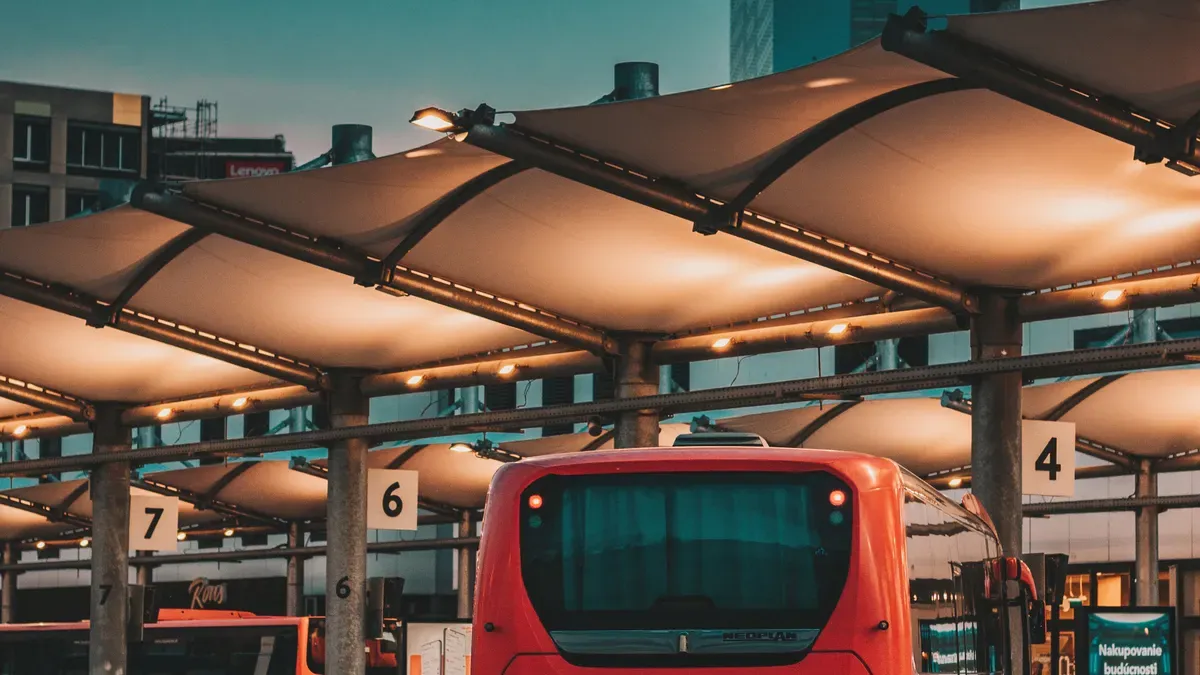
You need to choose the best retail solution for airports and transportation hubs. Autonomous micro stores often outperform vending machines in busy locations. High foot traffic boosts sales and increases brand visibility. You want a wider product range and a better customer experience to drive revenue. See how these factors compare:
Factor | Vending Machines | Micro Markets |
|---|---|---|
Cost | Lower upfront costs, often zero installation fees | Higher initial investment, requires infrastructure |
Product Range | Limited to shelf-stable items, fewer healthy options | Wider variety including fresh and healthy choices |
Customer Experience | Basic interaction, limited engagement | Enhanced experience with self-checkout and variety |
Revenue Potential | Generally lower, passive income | Higher potential due to premium pricing and variety |
More foot traffic means more sales and stronger brand recognition.
Understanding customer behavior helps you offer the right products.
Key Takeaways
Autonomous micro stores offer a wider product range, including fresh and healthy options, enhancing customer satisfaction.
Vending machines are cost-effective and easy to manage, making them suitable for small spaces and quick purchases.
High foot traffic areas benefit most from micro stores, while vending machines work well in locations with unpredictable traffic.
Technology integration in both solutions improves customer experience, with features like cashless payments and real-time inventory tracking.
Choosing the right retail solution depends on your goals, available space, and the needs of travelers.
Quick Comparison: Which Retail Solution Wins?
Summary Verdict
You want to know which retail solution works best in airports and transportation hubs. Autonomous micro stores often deliver a stronger customer experience and higher revenue potential. These stores offer a wider range of products, including fresh and healthy options. They use advanced technology to make shopping fast and easy.
Vending machines still play an important role. They cost less to install and maintain. You can place them almost anywhere, even in small spaces. The global vending machine market continues to grow. Experts predict the market will reach $36.12 billion by 2035. This growth comes from new technology, cashless payments, and a demand for quick, convenient shopping.
Year | Growth Rate (%) | |
|---|---|---|
2025 | 21.55 | - |
2035 | 36.12 | 5.3 |
You should choose autonomous micro stores if you want to maximize product variety and customer engagement. If you need a simple, low-cost solution, vending machines remain a solid choice.
Key Decision Factors
When you compare vending machines and autonomous micro stores, several key factors help you decide:
Revenue Potential
Autonomous micro stores can increase your sales. They let you offer premium products and healthy snacks. Vending machines usually bring in less revenue, but they provide steady, passive income.Customer Engagement
Micro stores use self-checkout and interactive displays. These features make shopping more enjoyable. Vending machines offer basic service, but new models now use AI and touchscreens to improve the experience.Operational Complexity
You will find vending machines easier to manage. They need less space and fewer staff. Micro stores require more setup and ongoing support. They use computer vision and real-time sales data to track inventory and suggest restocking.Product Variety
Micro stores win when you want to offer many choices. You can stock fresh food, drinks, and snacks. Vending machines limit you to shelf-stable items.Technology and Trends
Both solutions now use advanced technology. AI vending machines track products and predict restocking needs. Cashless payments and interactive screens attract more customers. People want fast, easy, and healthy options when they travel.
Tip: Think about your location and customer needs. High-traffic areas benefit most from micro stores, while smaller spaces may suit vending machines better.
Increasing demand for convenience and on-the-go shopping shapes both solutions.
New technology, like cashless payments and AI, makes both options more efficient.
Travelers now look for healthier snacks and fresh food, not just candy or soda.
You should weigh these factors before making your choice. The right solution depends on your goals, space, and the type of travelers you serve.
Vending Machines in Airports & Hubs
How Vending Machines Work
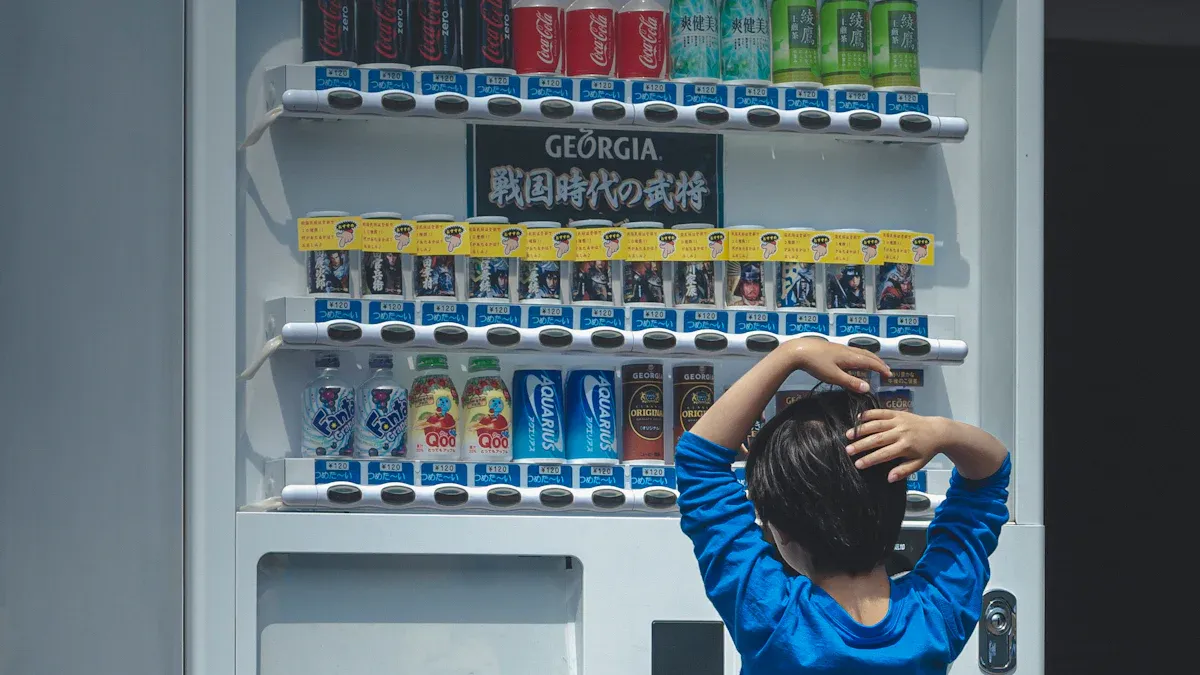
You see vending machines almost everywhere in airports and transportation hubs. These machines use simple technology to give you quick access to snacks, drinks, and other items. Traditional vending machines work by letting you choose a product, pay with cash or a card, and then collect your item from a slot. Newer models use touchscreens and accept mobile payments, making the process even faster.
You can find different types of vending machines in these busy places. Each type offers products that match the needs of travelers. Here is a table that shows the most common types and what they usually sell:
Vending Machine Type | Typical Products Offered |
|---|---|
Snack & Beverage Combo Vending Machine | Bottled drinks, canned beverages, packaged snacks, convenience food |
Outdoor Cold Drink Vending Machine | Chilled beverages for outdoor areas |
Elevator Vending Machine | Boxed food, bottled beverages, dairy products |
Refrigerated Food & Drink Vending Machine | Chilled drinks, sandwiches, salads, packaged meals |
Traditional vending machines keep things simple. You get what you need quickly, and you do not have to wait in line. These machines use strong materials and secure locks to keep products safe.
Note: Traditional vending machines often work 24/7, so you can buy snacks or drinks at any time, even late at night or early in the morning.
Common Use Cases
You will find vending machines serving many roles in airports and transportation hubs. Traditional vending machines do more than just sell snacks and drinks. Here are some common ways you might use them:
Ticket sales for buses, trains, or airport shuttles
Extra services, like phone chargers or travel-sized toiletries
Cross-selling tickets for museums or sporting events linked to your trip
Traditional vending machines help you save time. You do not need to visit a store or wait for staff. These machines give you fast service and make your travel experience smoother. Many airports use traditional vending machines to meet the needs of busy travelers who want quick and easy options.
Autonomous Micro Stores & Micro Markets
How Autonomous Micro Stores Operate
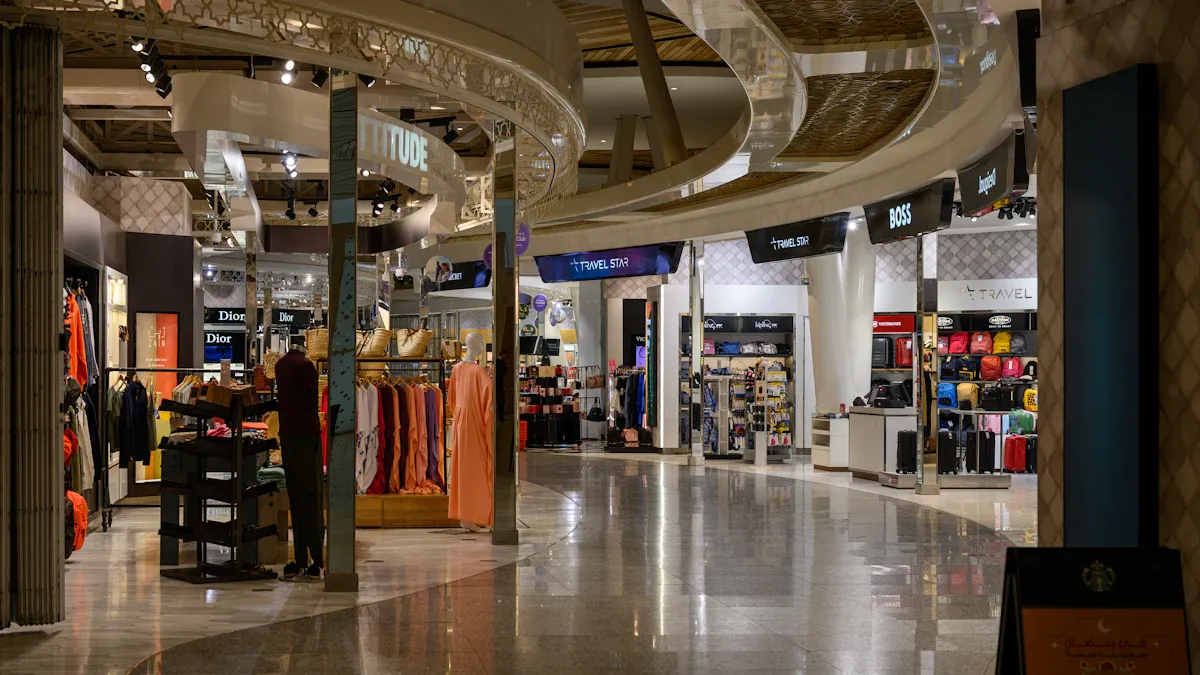
You see autonomous micro stores changing the way people shop in airports and transportation hubs. These stores use advanced technology to make shopping fast and easy. You do not need a cashier. Instead, you walk in, pick up what you want, and leave. The store tracks your purchases automatically.
Here is a table showing the main technologies that power these stores:
Technology | Function |
|---|---|
AI | Automates checkout and reduces the need for human staff. |
Computer Vision | Helps kiosks and cafes track what you take, making shopping quicker for busy travelers. |
RFID Technology | Lets you shop with a 'Just Walk Out' system, so you can buy items without waiting in line. |
You benefit from these features because you spend less time shopping and more time traveling. Autonomous micro stores use these tools to keep lines short and shelves stocked.
Micro Markets vs. Vending Machines
You might wonder how micro markets compare to vending machines. Micro markets give you a more interactive and personal shopping experience. You can scan several items at once and use promo codes for discounts. Vending machines do not offer these options.
Micro markets let you see product details and choose from a wider selection.
You can buy fresh food, snacks, and drinks in micro markets, not just shelf-stable items.
Customers usually spend more in micro markets, often between £4 and £6 per visit. In vending machines, the average is only £1.50 to £2.50.
Micro markets make shopping feel more convenient and personal.
You can pay quickly and even get special offers in micro markets.
Micro markets use technology to track inventory and suggest restocking, so you find what you want more often.
Vending machines offer a simple, quick purchase but lack the variety and engagement of micro markets.
Micro markets often use self-checkout, which saves you time.
You get a sense of control and choice in micro markets.
Micro markets help airports and transportation hubs boost sales and improve customer satisfaction.
You see that autonomous micro stores and micro markets both use technology to make shopping better for travelers. They help you save time, enjoy more choices, and have a smoother experience.
Product Variety & Flexibility
Range of Offerings
You want to give travelers more choices. Micro markets help you do this. They offer a much wider selection than vending machines. You can find fresh salads, fruits, and sandwiches in micro markets. These stores also stock healthy snacks and drinks. Most micro markets carry between 150 and 400 items. Vending machines usually hold about 40 products. This means you get more variety and healthier options in a micro market.
Here is a quick look at how the product range compares:
Factor | Micro Markets | Vending Machines |
|---|---|---|
Product Range | Broader range including fresh and nutritious items | Limited inventory, primarily snacks and drinks |
Micro markets let you choose from many different foods. You can pick up a fresh sandwich or a piece of fruit. Vending machines often limit you to chips, candy, or soda. If you want to meet the needs of health-conscious travelers, micro markets give you the flexibility to do that.
Micro markets offer a wider selection of healthier items.
You can find fresh options that fit many diets.
Travelers get more choices for nutritious eating.
Merchandising Adaptability
You need a retail solution that adapts to different spaces and customer needs. Autonomous micro stores and micro markets show strong flexibility. You can set up these stores in areas that were not used before. This helps you turn empty spaces into places that make money.
You also see these stores working well in many settings. For example, in busy airports, micro stores can reduce theft and keep products safe. In hospitals, they provide 24/7 access to snacks and essentials. You can change the products quickly to match what travelers want.
You can use autonomous micro stores in new or unused spaces to increase revenue.
These stores help reduce product loss in high-theft areas.
You can offer round-the-clock service in places like airports or hospitals.
Tip: Choose a solution that lets you adjust your product mix and store location as customer needs change. This keeps your retail space fresh and profitable.
Customer Experience in Automated Retail
Convenience & Speed
You want to move quickly through airports and transportation hubs. Automated retail solutions help you save time. Vending machines give you fast access to snacks and drinks. You make a selection, pay, and take your item in seconds. Autonomous micro stores take convenience to the next level. You walk in, pick up what you need, and check out with a simple tap or scan. This frictionless process means you spend less time waiting and more time on your journey.
Micro stores use technology to speed up shopping. Touchscreen interfaces let you browse products easily. Multilingual options help travelers from around the world. You can find what you want without confusion. These features improve the customer experience by making shopping quick and stress-free.
Engagement & Personalization
You notice a big difference in customer experience when you use autonomous micro stores. These stores offer a retail-like environment. You see clear displays and can browse a wide range of products. The touchscreen interface feels modern and easy to use. You can check product details and even get special offers.
Here is a table that shows how features compare:
Feature | Autonomous Micro Stores | Traditional Vending Machines |
|---|---|---|
Product Assortment | Narrow assortment from one cabinet | |
User Interface | User-friendly touchscreen interface | Basic interface with limited interaction |
Shopping Experience | Retail-like experience with clear product browsing | Limited browsing experience |
Checkout Process | Frictionless checkout encouraging multi-item purchases | Standard checkout process |
Touchscreen interfaces allow for easy product browsing and checkout.
Multilingual and accessible layouts improve usability for diverse customers.
Autonomous micro stores encourage higher transaction volumes, with an average of 1.9 items per transaction.
You get a more engaging customer experience in micro stores. You feel in control and enjoy shopping. Vending machines offer a basic experience, but micro stores make you feel valued as a traveler. You remember the convenience and personal touch, which makes you want to return.
Technology: AI Vending Machines & Autonomous Systems
Payment & Integration
You see technology changing how you pay for products in airports and transportation hubs. AI vending machines and autonomous micro stores now support many payment methods. You can use credit or debit cards with tap-to-pay for fast transactions. Mobile payments like Apple Pay and Google Pay make purchases even easier. Some machines let you scan QR codes or use app-based loyalty wallets. In select locations, you can even pay with cryptocurrency.
Payment Method | Description |
|---|---|
Credit and debit cards | Tap-to-pay functionality for quick transactions. |
Mobile payments | Supports Apple Pay and Google Pay for convenience. |
QR code payments | Allows scanning for easy payment. |
App-based loyalty wallets | Integrates loyalty programs for user benefits. |
Cryptocurrency | Available in select markets for tech-savvy users. |
Touchless purchasing is now expected. You want quick and hygienic options, especially in busy places. These payment choices improve user experience and increase customer satisfaction. Operators also benefit from less cash handling and lower theft risks. AI vending machines integrate smoothly with airport systems, making operations more efficient.
Maintenance & Support
You rely on technology to keep ai vending machines and autonomous micro stores running smoothly. Modern machines connect to the Internet. They send real-time updates about inventory and performance. If a machine needs restocking or repair, you get alerts right away. This helps you keep popular products available and reduces downtime.
As technology advances, you need strong technical support. AI vending machines require ongoing software updates and maintenance. You may not have a traditional vending operator on-site, so remote support becomes important. IoT features help you monitor machines and solve problems quickly. This technology improves operational efficiency and ensures a better user experience.
AI vending machines use analytics to optimize product placement and engage customers. They personalize recommendations and adjust pricing based on what travelers buy. You see faster transactions, better inventory management, and higher satisfaction. Technology makes shopping easier for you and more profitable for operators.
Security & Operations
Theft Prevention
You want to keep your retail solutions safe in busy airports and transportation hubs. Theft and vandalism can hurt your business. Vending machines and autonomous micro stores use several tools to stop these problems. You often see surveillance cameras watching over machines. Cameras help you monitor activity and scare off thieves. Tamper-proof locks make it hard for anyone to break into the machines. You can place machines in well-lit, secure areas to lower the risk of theft.
Autonomous micro stores use even more advanced technology. Weighted shelves can sense when someone removes a product. Machine learning helps spot unusual patterns, like repeated attempts to take items without paying. Cashless payment systems also help because they reduce the need for cash, making theft less likely.
Here is a quick look at the main security technologies:
Technology | Purpose |
|---|---|
Cameras | Monitor activity and deter theft |
Weighted shelf technology | Detect product removal and prevent shrinkage |
Machine learning | Analyze patterns to enhance security measures |
Cashless payment systems | Reduce cash handling and associated theft risks |
Barrett Vending in Houston increased revenue after adding advanced theft prevention. Their average transaction value rose to $5.53, compared to $2.18 for traditional vending machines.
Inventory & Loss Control
You need to manage inventory and control losses to keep your business running smoothly. Vending machines and micro markets handle this in different ways. Vending machines use remote monitoring. You can check stock levels from your phone or computer. This means you only restock when needed, saving time and money. Micro markets need daily on-site management. Staff check inventory, restock shelves, and keep the area clean every day.
Here is a table that compares the two:
Aspect | Vending Machines | Micro Markets |
|---|---|---|
Management | Remote monitoring | Daily on-site management |
Inventory | Simple, less frequent | Complex, frequent restocking |
Staff | Minimal | Team needed for oversight |
Operating Costs | Lower | Higher |
Maintenance | Infrequent visits | Daily upkeep required |
You see that micro markets need more attention but offer more control. Vending machines cost less to operate but give you fewer options for loss control. Choosing the right system depends on how much time and staff you can dedicate to operations.
Costs & Revenue Potential
Setup & Operating Costs
You want to know how much it costs to set up and run different retail solutions. Vending machines usually have lower upfront costs. You can often install them with little or no fee. They need less space and fewer changes to the building. You pay for the machine, stock, and basic maintenance. Operating costs stay low because you do not need staff on-site.
Micro markets need a bigger investment at the start. You must set up shelves, coolers, and self-checkout kiosks. These stores use more space and require power for fridges and lights. You also need to pay for daily cleaning and restocking. Self-checkout kiosks add to the cost, but they help you serve more customers at once. Over time, micro markets can cost more to run, but they offer more features and choices.
Tip: If you have a small budget or limited space, vending machines work well. If you want to offer more products and a better experience, micro markets with self-checkout kiosks are worth the investment.
Sales Volume & Profit Margins
You want to earn more from your retail space. Micro markets help you do this. They let you sell a wider range of products and use self-checkout kiosks to speed up sales. Customers spend more per visit in micro markets than at vending machines. The average transaction size in vending machines is between $1.30 and $2.10. In micro markets, customers spend $4.00 to $7.00 each time.
Profit margins also look better for micro markets. You can expect margins of 30% to 40%. Vending machines have lower margins because they sell fewer items and offer less variety. Micro markets can stock over 200 products, while vending machines have a limited selection. High customer engagement and loyalty programs in micro markets boost repeat sales. Some case studies show that micro markets can double sales compared to vending machines. Waste also drops by 32% in micro markets, which helps you save money.
Feature | Vending Machines | Micro Markets |
|---|---|---|
Average Transaction Size | $1.30 - $2.10 | $4.00 - $7.00 |
Profit Margin | Lower | 30% - 40% |
Product Variety | Limited | 200+ SKUs |
Customer Engagement | Minimal | High (loyalty programs) |
Sales Increase | N/A | 2.2x (case study) |
Waste Reduction | N/A | 32% (case study) |
Self-checkout kiosks in micro markets help you serve more people quickly. You see higher sales and better profits. If you want to grow your revenue, micro markets with self-checkout kiosks give you the best chance.
Space & Location Strategy
Footprint & Flexibility
You want to make the most of every square foot in an airport or transportation hub. Vending machines and autonomous micro stores give you flexible options for using space. Vending machines need very little room. You can fit them into spaces as small as 1 square meter. Some setups can stretch up to 100 square meters if you want a larger selection. This small footprint lets you place vending machines almost anywhere, even in tight corners or busy walkways.
Autonomous micro stores, like interactive kiosks, also use space efficiently. Most of these stores take up less than 30 square feet. You can set them up in premium spots, such as near gates or in main terminals. Their compact size means you do not need a large area to offer a wide range of products. You can use these stores in places where traditional shops would not fit.
Interactive retail kiosks use less space than regular stores.
You can place them in high-traffic areas for maximum visibility.
Both vending machines and micro stores adapt to different locations and needs.
Tip: Choose a solution that matches your available space and the flow of travelers. Small footprints help you reach more customers without blocking walkways.
Placement in Airports & Hubs
You need to think carefully about where you put vending machines and micro stores. The right spot can boost your sales and improve customer satisfaction. Place vending machines in high-traffic areas like gates, baggage claim, and lounges. These spots help you catch the attention of travelers who want quick snacks or drinks. You can also use data analytics to track which locations get the most use. This helps you adjust your strategy and keep machines stocked during busy times.
Managing logistics is important in secure airport environments. You must make sure machines stay full and work well. Stocking seasonal items, like holiday gifts or summer essentials, can attract more buyers. Understanding what travelers want helps you design vending strategies that meet their needs. You can use impulse buys to your advantage by placing machines where people wait or feel stressed.
Place machines where travelers pass by often.
Use data to decide which products to stock and when.
Keep machines running smoothly with regular checks.
Note: Smart placement and flexible footprints help you serve more travelers and increase your revenue.
Choosing the Right Solution
Best Scenarios for Vending Machines
You should consider vending machines when you need a quick and simple setup. These solutions work best in areas with limited space or where you expect short stops. You can place vending machines in hallways, near gates, or by waiting areas. Travelers often want fast access to snacks or drinks, and these machines deliver that speed. You do not need much staff to manage them, which keeps costs low.
Vending machines also fit well in locations with unpredictable foot traffic. If you want to test new products or serve basic needs, these solutions give you flexibility. You can move them easily if you see changes in customer flow. When you want to offer basic customer interaction without a large investment, vending machines are a smart choice.
Tip: Use vending machines for essential items and quick sales in busy but small spaces.
Best Scenarios for Autonomous Micro Stores
You should choose an autonomous retail store solution when you want to boost customer interaction and offer a wide range of products. These solutions shine in high-traffic zones like main terminals or near lounges. You can provide fresh food, healthy snacks, and even travel essentials. Customers enjoy browsing and self-checkout, which makes the experience feel modern.
Industry reports show strong results. In July 2022, Puente Enterprises opened an autonomous retail store solution at DFW International Airport. The store saw a 47% increase in average transaction value. Payroll costs dropped by 25%. Revenue jumped by 33% in just one quarter. These numbers show how well autonomous retail store solution can perform in busy hubs.
You get better customer interaction because shoppers can explore more products and use touchscreens. These solutions also help you reduce labor costs and keep shelves stocked with real-time data. If you want to create a premium experience and drive higher sales, autonomous retail store solution is the way to go.
Choose autonomous retail store solution for:
High-traffic locations
Expanded product variety
Enhanced customer interaction
Lower payroll costs and higher revenue
Note: Autonomous retail store solution gives you a future-ready approach to automated retail in airports and transportation hubs.
Operator Decision Guide
Checklist for Selection
You need a clear checklist when deciding between vending machines and autonomous micro stores. This helps you make the best choice for your airport or transportation hub. The table below shows important items you should review:
Checklist Item | Description |
|---|---|
Technology Setup | Use AI, computer vision, and automated checkout systems to create a fast and easy experience. |
Site Selection | Choose high-traffic areas and make sure all customers can reach your retail solution easily. |
Customer Trust | Build confidence by ensuring safe and accurate transactions in your automated systems. |
Operational Efficiency | Use remote monitoring and predictive analytics to keep inventory stocked and reduce costs. |
You should also consider advanced features. AI and computer vision speed up shopping. RFID and facial recognition improve security. IoT sensors help you manage inventory and keep shelves full.
Tip: Review each checklist item before you decide. This helps you avoid mistakes and keeps your operation running smoothly.
Key Questions to Consider
You need to ask the right questions before you choose a retail solution. These questions guide your decision and help you match your goals with the best option.
Does your location have enough foot traffic to support a micro store?
Can you invest in technology like AI, RFID, or IoT sensors for better efficiency?
Will your customers trust automated checkout and security features?
Do you have staff to manage daily operations or will you rely on remote monitoring?
What product variety do your travelers expect?
How much space can you dedicate to retail solutions?
Are you ready to handle maintenance and support for advanced systems?
You answer these questions to find the best fit for your airport or hub. This process helps you create a successful and profitable retail environment.
You need to match your retail solution to the unique needs of your airport. The table below shows key comparison points that shape the shopping experience for travelers:
Comparison Point | Impact on Shopping Experience |
|---|---|
Technology Integration | Streamlines shopping experience |
Customer Experience | Enhances shopping experience |
Omnichannel Strategies | Expands shopping experience |
Loyalty Programs | Rewards shopping experience |
Local Flavor | Personalizes shopping experience |
Real-time Data Utilization | Optimizes shopping experience |
Innovative Payment Options | Simplifies shopping experience |
Memorable Experiences | Elevates shopping experience |
You should focus on creating a shopping experience that feels seamless and memorable. Choose vending machines for quick shopping experience in small spaces. Select autonomous micro stores for a richer shopping experience with more choices. You can improve the shopping experience by using real-time data and new payment options. Look ahead to trends like automation and robots, which will change the shopping experience in airports. For deeper research, explore Manhattan Associates and the Kiosk Industry's Ultimate Guide to retail automation. You can build a shopping experience that meets traveler needs and boosts your revenue.
FAQ
What is the main difference between a vending machine and a cashierless store?
You use a vending machine for quick, single-item purchases. A cashierless store lets you walk in, pick up multiple items, and leave without waiting in line. Both offer self-service, but cashierless stores provide a wider product range and a more advanced shopping experience.
How do smart retail systems improve service in high-turnover locations?
You benefit from smart retail systems because they track inventory, monitor sales, and use ai vending machine analytics. These systems help you restock popular items quickly. They also keep service running smoothly, even when you see strong demand for fresh food.
Why should you choose a cashierless store if you want better customer service?
You get a modern shopping experience in a cashierless store. These stores use ai-driven retail store technology and cashless payment options. You enjoy fast service, more choices, and less waiting. Customer behavior analytics help operators improve service based on your needs.
How does ai vending machine analytics help with service and inventory?
You see ai vending machine analytics track sales and product trends. This data helps operators restock items you want most. The vending machine monitoring system alerts staff when service or maintenance is needed. You always find fresh products and working machines.
What role does retail data analytics play in improving service?
You see retail data analytics and ai retail analytics used to study what you buy. These tools help operators adjust product selection and service. Smart retail systems use this data to predict trends and improve your shopping experience in airports and transportation hubs.
See Also
Exploring Benefits of AI-Enhanced Vending Machines in Retail
The Emergence of 24-Hour Vending Cafes: Innovation and Ease
Unique Vending Machine Locations: Expanding Beyond Conventional Areas
The Evolution of Fast Food: Vending Machines Leading Automation
Grocery Vending Machines: Transforming Accessibility in Retail Spaces
