Which smart checkout innovation will prevail in upcoming grocery trends?

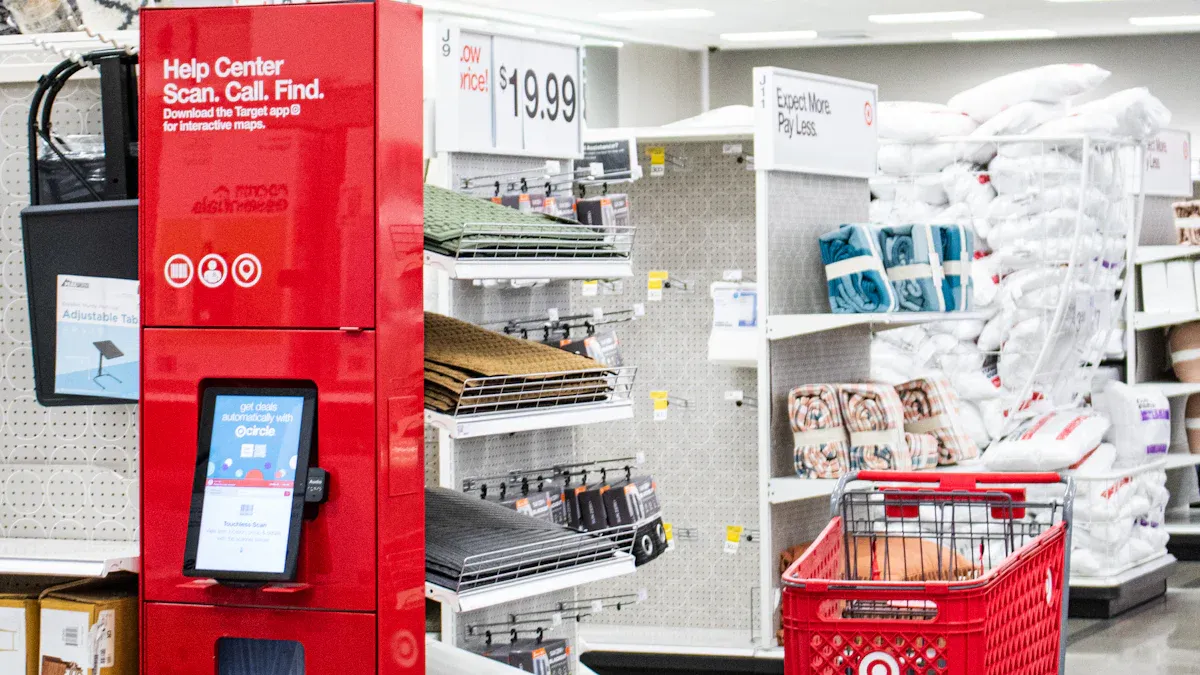
Modern retail technology shapes the way people shop. A mixed approach powers grocery checkout technology. Computer-vision self checkout improves busy city stores. Smart carts make long shopping trips much easier. Mobile self-checkout tools and mobile self-checkout apps speed things up. Retail innovations like scan and go features improve every self-checkout purchase. Regular scan and go updates help customers accept this new method. Direct scan and go tools create a better overall shopping experience. Flexible scan & go systems make buying easier and lower store labor costs. Smooth scan & go options offer better service. Meanwhile, scan & go integration supports modern self-checkout trends. Leaders balance CapEx against loss prevention as scan & go deployments expand. Scalable scan & go hardware wins.
Key Takeaways
Store owners choose the right register technology based on store size and how much customers buy.
Small neighborhood grocery stores use self-running cameras and phone apps to make quick shopping trips even faster.
Big grocery stores use high-tech carts and phone scanning apps to handle large shopping trips easily.
Grocery stores use exit gates, weight sensors, and surprise checks together to stop people from stealing.
Stores update their internet connections and checkout computers to help new payment software work without any problems.
Evaluating Modern Grocery Checkout Technology
Evaluating Autonomous Vision and Mobile Self-Checkout
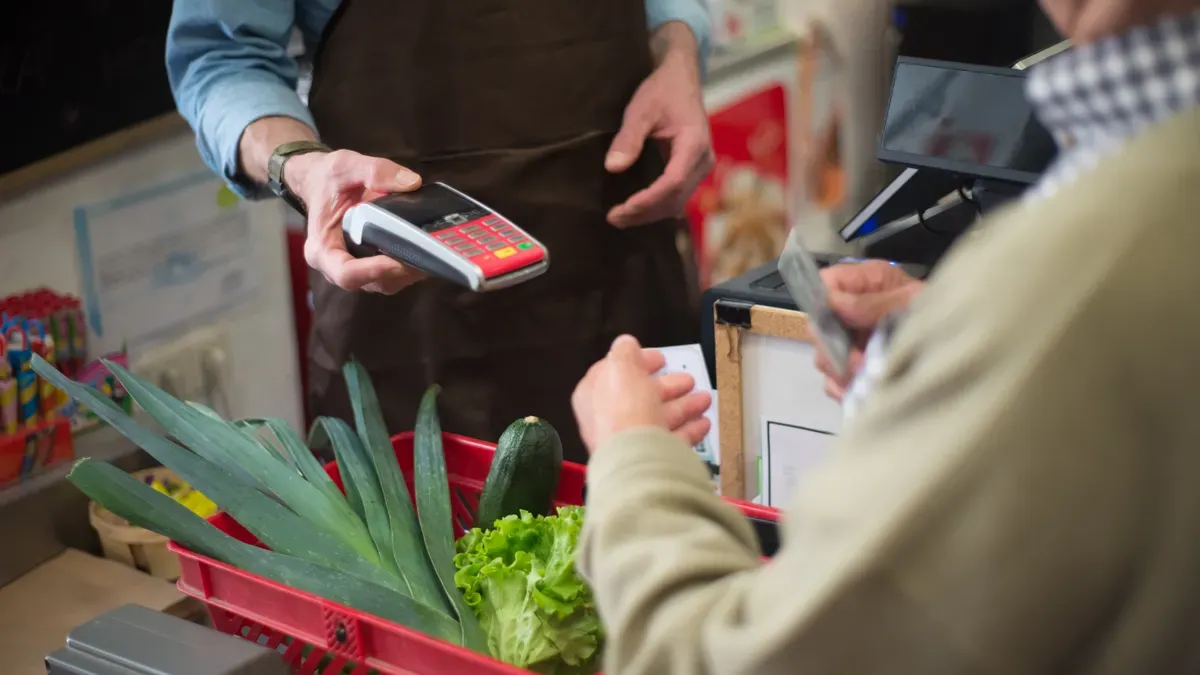
Today's retail leaders compare advanced tech to boost performance. Smart computer-vision systems offer unmatched ease for everyday shoppers. People walk in, grab items, and leave without stopping. This clean setup improves customer satisfaction in a big way. On the other hand, a mobile self-checkout app uses personal smartphones. Using these mobile self-checkout tools removes common buying hassles. These mobile self-checkout systems lower gear costs and boost store efficiency. Store owners choose mobile self-checkout to make shopping easier.
Computer-vision autonomous self checkout removes traditional checkout lines completely. Overhead cameras monitor stock levels and prevent theft.
Beck on Amazon Go: "There's no malicious theft in those stores... they said we really don't have any loss."
Still, mobile self-checkout rollouts risk more loss than camera setups. People miss items during rushed self-checkout trips. Stores need to balance theft control with quick self checkout speeds. Smart plans pair mobile self-checkout software with exit gates to offer more self-checkout choices. Store managers set up mobile self-checkout terminals.
The Future of Scan and Go in Retail
The future of scan and go depends on balancing expenses with theft prevention. Scan and go deployments let shoppers scan products themselves. Modern scan and go tools give buyers full control over their whole trip. Supermarkets use scan and go features to update self-checkout habits. Scan and go adoption leads to larger store purchases. Also, scan and go models work well with smart carts. Smooth scan and go rollouts update self-service tech for all age groups. Stores add scan and go technology to boost self-checkout speed.
Store owners watch key money metrics during this setup.
Store format | Reported loss finding |
|---|---|
Industry average shrink | About 1.4% of product stock per year, representing more than $50 billion. |
Mobile self-scanning stores | Added product loss of up to 10 basis points for every 1% of sales made via scan-and-go; at 10% scan-and-go sales, additional loss could reach 1 percentage point. |
For this reason, grocery checkout technology requires extra security checks. At the same time, scan & go app solutions shorten long lines. Teams use scan & go random audits to stop theft. Quick scan & go exit checks confirm that buyers pay correctly. Store owners review scan & go investments with great care. Store managers improve scan & go routines to protect profit margins. New scan & go systems keep shoppers coming back, and scan & go training cuts mistakes. Bosses track scan & go adoption rates every day. In the end, scan & go infrastructure delivers reliable grocery checkout technology efficiency. These mobile self-checkout systems help scan & go growth stay safe.
Operational Hurdles in Scan & Go Adoption
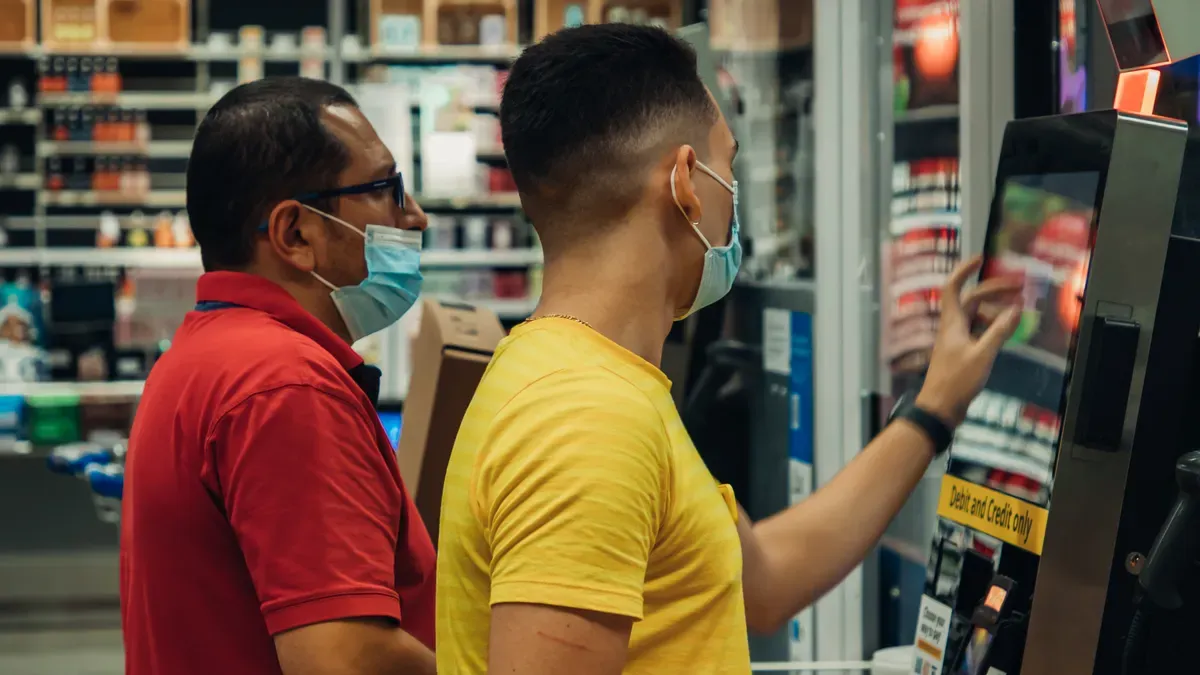
Retail leaders face distinct challenges during scan and go rollouts. Inventory shrink limits profitability when stores deploy a mobile self-checkout program. Unintentional scanning errors and deliberate customer theft create inventory gaps. Therefore, security teams implement smart physical controls to protect store assets.
Managing Loss Prevention and Shrinkage
Modern loss prevention strategies protect revenue without frustrating honest buyers. Retailers combine AI weight sensors with continuous software auditing. Random re-scan audits verify basket accuracy before shoppers leave the store. Computer vision verification at exit gates checks scanned items against actual cart contents.
Computer vision exit gates cross-check scanned items against physical cart contents, reducing loss without stopping shoppers.
These automated controls optimize overall store efficiency across busy retail locations. Smart risk checks protect margin targets during scan and go operations. Furthermore, smooth verification steps build public trust. Modern scan and go tools safeguard margins while maintaining shopper convenience.
Scaling Hardware ROI and Infrastructure
Upfront capital costs create barriers for new scan and go projects. Managers must calculate infrastructure upgrades, handheld scanner purchases, and POS integration expenses. Network hardware must support heavy mobile self-checkout usage during peak hours. A reliable self-checkout system requires strong cloud connectivity and stable store networks.
Hardware installation requires dedicated Wi-Fi access points and secure exit gate bays.
POS backend systems need instant database updates to show active product pricing.
Security software requires real-time transaction processing to detect scanning mistakes instantly.
Seamless integration of scan & go software reduces long-term operational costs. Modern mobile self-checkout systems allow fast software updates across entire store networks. Retailers drive customer adoption by offering fast mobile self-checkout options. Clear signage speeds up shopper onboarding for mobile self-checkout app usage.
Grocers evaluate the full lifecycle costs of self-service technology deployments. High adoption rates maximize the return on hardware investments over time. Successful scan & go programs boost throughput without adding headcount. Ultimately, strong scan & go infrastructure accelerates widespread scan & go usage. Executive teams evaluate scan & go performance metrics regularly. Structured scan & go workflows improve store profitability. Proper scan & go planning ensures scalable scan & go success across full-format stores. Balanced scan & go investments deliver long-term value.
Format-Based Dominance for Scan and Go and AI Systems
Retail leaders select checkout innovations based on physical layout and basket size. Different retail environments demand tailored technology deployments to maximize store efficiency. Small urban stores require fast processing speeds for instant item purchases. Conversely, large supermarkets require systems that handle high item volumes without causing delays. Executing the correct match improves long-term customer adoption across diverse store networks.
High-Density Convenience and Urban Stores
Urban shoppers value speed and convenience above all else during quick store visits. Dense city locations handle high foot traffic with small average basket sizes. Fully autonomous computer-vision systems suit these compact footprints perfectly. Overhead cameras and shelf sensors track picked items automatically in real time. Shoppers select their items and walk directly out of the facility. This seamless interaction elevates the consumer shopping experience while eliminating traditional waiting lines.
Small-format operators also deploy mobile self-checkout app solutions to reduce store congestion. Customers use personal smartphones to complete every self checkout transaction instantly.
Shoppers open the store application upon entering the sales floor.
Customers scan item barcodes directly using their smartphone cameras.
Shoppers approve digital payments and receive instant electronic receipts.
Users scan terminal QR codes at designated exit gates to leave.
These mobile self-checkout tools allow small locations to process dozens of customers simultaneously. Store managers maintain high throughput without adding extra cash registers. Autonomous camera setups and flexible mobile self-checkout systems deliver superior physical traffic flow in crowded spaces.
Full-Format Supermarkets and Hypermarkets
Large supermarkets face different operational realities than small urban sites. High item counts make overhead camera installations extremely complex and expensive. Therefore, full-format grocers prioritize smart carts and mobile self-scanning applications for full-basket trips. These tools accommodate evolving shopping trends across large retail spaces.
Aspect | Ceiling-mounted computer vision | Smart carts |
|---|---|---|
Infrastructure | Ceiling cameras across the store, shelf sensors, central shopper-tracking systems | Intelligence embedded inside the cart; no ceiling cameras or shelf sensors |
Cost and disruption | High installation cost and long setup time; many existing supermarkets cannot support it | Lower rollout complexity and cost; can be deployed gradually while stores remain open |
Store integration | May require layout or fixture changes | Works with existing layouts, lanes, lighting, checkout, and payment systems |
Large-format fit | Not mentioned in the source | Each cart operates independently, so store size is not a limit; suitable for high-traffic, multi-aisle supermarkets |
Adoption path | Feels like a full-store rebuild or experiment | Operational upgrade that can be rolled out gradually and scaled based on results |
Smart carts bring modern self-service technology directly to heavy shoppers. Built-in scales and scanners process goods as customers select products from shelves. Meanwhile, scan and go mobile tools offer maximum flexibility. Shoppers use scan and go features to track running totals during long trips.
Grocers implement scan and go applications to boost overall customer retention. Moreover, scan and go technology helps shoppers organize large family purchases. Customers prefer scan and go software because it speeds up checkout lines. Supermarkets expand scan and go systems to modernize traditional aisles. Continuous scan and go usage yields larger average basket sizes. Robust scan & go integration supports broad retail trends.
Operations teams optimize scan & go hardware setups across all main aisles. Store staff monitor scan & go user activities using central security dashboards. Furthermore, custom scan & go notifications alert staff to unverified items. Reliable scan & go infrastructure keeps lane movement fast. Grocers prefer scan & go programs to lower labor demands. Everyday scan & go utility keeps shoppers loyal. Smart scan & go tools reshape how families buy groceries. Advanced scan & go software transforms modern grocery checkout technology.
Strategic Execution Roadmap for Retail Leaders
Bringing smart store technology to life requires a clear plan. Stores must link new software directly to their existing equipment.
Building Interoperable Smart POS Ecosystems
Old checkout systems create big problems during technology updates. Outdated setups trigger payment delays, setup mistakes, and stock tracking errors. Daily operations slow down when spotty Wi-Fi interrupts mobile payments. Tech teams build flexible systems that update inventory counts right away.
Adding new scan & go options successfully depends on having strong internet connections. Grocers link mobile self-checkout systems to cloud networks to confirm bought items instantly.
Tech teams update cash registers so they can easily accept payments from mobile self-checkout apps.
IT crews upgrade store Wi-Fi networks to prevent annoying scan & go payment errors.
Operations teams test mobile self-checkout tools during busy hours to make sure everything stays online.
Better setups improve the overall shopping experience across every store size. Modern self-checkout tools shorten waiting lines and give shoppers more ways to pay.
Optimizing Customer Data and Loyalty Programs
Detailed receipt records help power store reward programs. Smart carts and mobile self-checkout apps log every item as shoppers pick it up. Stores study these scanned goods to send out digital coupons and helpful recipe ideas. Built-in screen displays highlight instant savings to keep shoppers engaged. This simple setup creates a better shopping trip while boosting total store sales.
Store owners handle private customer details carefully as digital tracking grows. Right now, 20 U.S. states enforce strict data privacy laws. At the same time, government agencies closely monitor store cameras and face-scanning tools. Grocery leaders set up clear safety rules to protect customer data properly.
Strong safety rules build trust and keep customers happy. Grocers link reward programs across mobile apps, self-checkout lanes, and smart carts. Single profiles let shoppers earn points on any scan and go trip. Easy scan and go options make buying items much faster. Simple scan and go features put buyers in full control of their store visits. Fast scan and go choices keep shoppers coming back over time. Modern scan and go tools handle heavy foot traffic easily. Growing scan and go programs boost total cart values. Reliable scan and go technology keeps store operations running smoothly. Popular scan and go features bring high-tech choices to everyday aisles. Strong scan & go security safeguards profits. Well-planned scan & go systems deliver great results. Quick scan & go features move crowds faster. Regular scan & go updates keep tech working right. Fast scan & go checks speed up exit doors. Smart scan & go tools prevent costly scanning mistakes. Modern scan & go rollouts protect store income. Instant scan & go updates keep prices totally accurate.
Grocery stores do not use one single checkout plan for every location. Total item counts and local customer types determine how stores roll out self-scanning setups. Busy city shops focus on total speed, while larger supermarkets choose phone-based self-checkout apps. Store owners build better shopping experiences by using modern payment technology that fits their overall business needs.
Update store cash register systems to handle phone apps, which speeds up overall checkout times for shoppers.
Test new payment setups in select stores to track customer usage, sales trends, software speed, and safety features.
Protect checkout speeds and store profits by setting up strong computer networks and secure physical scan-and-go controls.
FAQ
How does scan & go technology reduce store labor costs?
A scan & go model lets shoppers scan their own items. Store workers can focus on helping customers and filling shelves instead of working registers. Because of this, scan & go tools lower overall labor costs and make checkout lines run much faster in big stores.
Which store formats benefit most from scan and go features?
Large supermarkets and superstores get the most value from scan and go tech. These big stores usually have trips with many items per cart. Using scan and go tools helps people finish shopping faster, which makes customers much happier when buying groceries in large stores.
How do retailers combat inventory shrink during scan & go trips?
Stores use smart weight sensors together with security gates at the exit. Overhead cameras double-check scanned items against what is inside the cart. Also, the store software calls for random item re-checks before people leave. These smart controls protect store profits without causing long shopping delays.
What infrastructure upgrades support reliable scan & go software?
Stores update their Wi-Fi networks and fast online computer systems. Strong internet setups process item sales right away during busy shopping hours. Also, modern register software connects scan & go phones directly to reward programs, which makes the whole checkout process work much better.
Why do retail executives favor modular scan & go systems?
Flexible scan & go software connects easily with older cash register systems. Store owners do not need to replace all their equipment at once. These adaptable scan & go tools let managers send out quick security updates and adjust to new shopping trends easily.
See Also
Upcoming Changes To Walmart Self Checkout Rules In Year 2025
How Automated Self Checkout Systems Have Transformed Modern Retail Shopping
Analyzing Walgreens Self Checkout Pros And Cons For Daily Shoppers
Smart Electronics Vending Machines Are Transforming The Modern Shopping Industry
Comparing Global Micromarkets And Smart Stores In Automated Convenience Retail
