From Vending Machines to Smart Stores AI Convenience on Campus

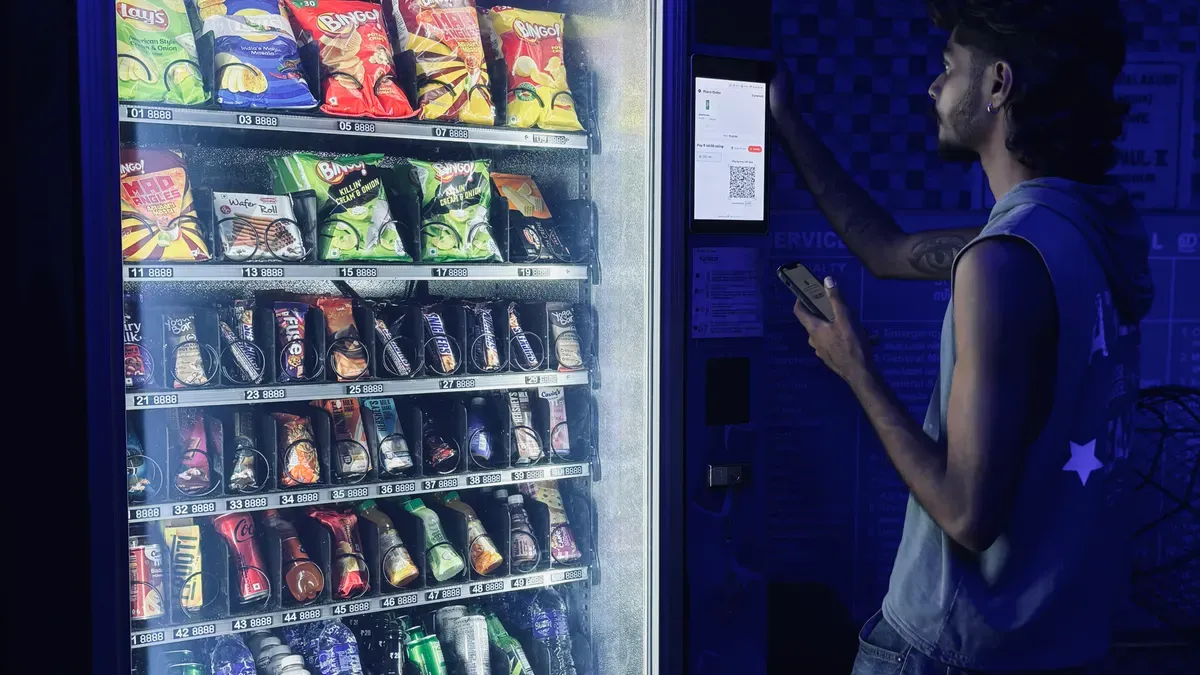
You find a broken vending machine. An AI convenience store offers a better solution. It uses video cameras to track items you grab. This video feed sends information to a central video system. The video system processes your selections. Video analytics identify each product. Video recognition ensures accuracy. Video surveillance prevents theft. Video monitoring provides real-time updates. Video checkout charges you automatically. This video technology improves your customer experience. This approach offers more convenience, variety, fresh food, and 24/7 access. Why should your campus upgrade? This blog explores the shift from vending machines to intelligent retail and how it benefits you.
Key Takeaways
AI convenience stores use cameras and sensors to track the items you take. This means you can grab what you want and go without waiting in line.
These stores have more kinds of products, fresh food, and are open all day and night, unlike old vending machines.
AI guesses what you need, so shelves stay full and less food is thrown away. This saves money and makes people happier.
Putting this in place takes planning, but a small test program can show the benefits and lead to a successful launch across campus.
Stores in the future will give you personal suggestions and connect with your work apps. This will make shopping easier and better for the planet.
The Rise of the AI Convenience Store

Why Vending Machines Fall Short
Old vending machines worked fine in offices for many years. They gave you an easy way to get a snack or drink without going outside. But their problems are now too big to ignore. One machine only holds a small set of products. You may see chips, candy, and soda, but nothing fresh or healthy. Items run out all the time. The machine is empty when you need it most. You learn nothing about what sells or what just sits there. You can only pay with coins, bills, or one card reader. These problems upset workers and waste good space.
How AI-Powered Convenience Stores Solve It
An ai convenience store fixes all of this. This self-service shop stays open all day and night with no workers. You walk in, take what you want, and leave. The system charges you on its own through an app. VenHub-style smart stores show how this works well. They run on their own and give you far more than any vending machine.
Product choices grow a lot. Compare the two:
Configuration | SKU capacity |
|---|---|
Single vending machine | Up to 60 |
Micro market | 150 or more |
Multi-machine cluster (2-3 units) | 120 to 180+ |
This ai-powered convenience store model gives you fresh food, healthier picks, and a much bigger selection. The ease goes way up when you find what you really want.
Predictive inventory management is another big plus. AI algorithms look at buying patterns and guess what people will want. Stores that use these systems report big drops in items running out:
Amazon: 15% reduction in stockouts (also reported a 35% drop)
Walmart: 15–25% reduction in stockouts
These gains mean fewer empty shelves and less waste. The ai learns what your campus needs and changes orders to match. You stop seeing bare shelves at busy times.
Stopping theft also gets better. Computer vision and shelf sensors watch every item. Proven drops in lost inventory include:
Reduction Area | Documented Reduction |
|---|---|
Overall shrinkage (Bomensoft) | 25% reduction |
Overall shrinkage (Trigo/IDC) | Up to 40% reduction |
Self-checkout theft | 35% reduction |
Perishable write-offs | 30–40% fewer |
This tech protects the owner and keeps prices fair for you. You get a smooth experience with no checkout lines. Grab-and-go shopping finally comes to the workplace. An ai convenience store does all this while running 24/7. Video monitoring adds more safety and useful information. Campus retail shifts from limited vending to smart, quick service. You get better choices, fresher food, and no wait time. The ai takes care of the rest.
How AI Convenience Stores Work
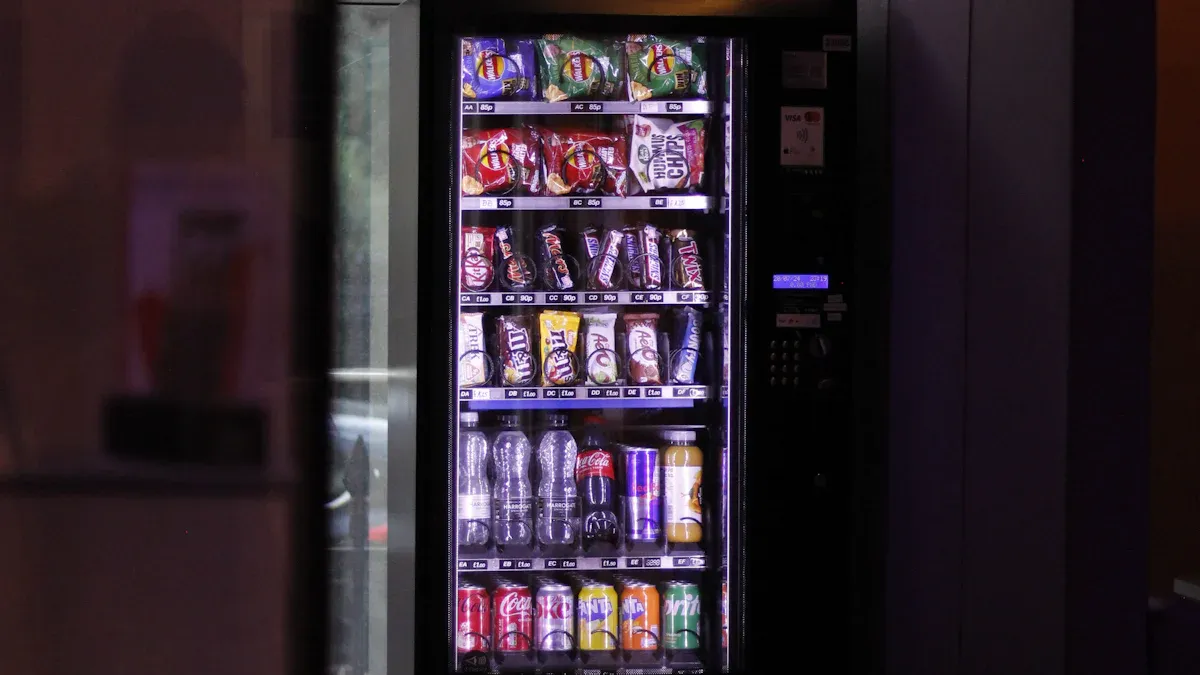
Core Technologies Behind the Experience
When you walk into an ai convenience store, the tech begins working right away. Computer vision cameras keep an eye on the shelves. Weight sensors sit under each shelf. Shelf sensors track every item you pick up or put back. Mobile payment connects to your app before you go in. Machine learning algorithms bring all these signals together.
Each kind of sensor has its own strengths. Shelf cameras spot shelf conditions with 89.6% accuracy. Weight sensors spot pickups and putbacks with 98% average accuracy. A combined system that merges both sensor types links weight events with customers at 79% overall recall. These numbers show why smart stores mix multiple sensors instead of trusting just one.
The ai convenience store uses this data to build a full picture of every purchase. You never scan a barcode. You never stand in line. The ai takes care of everything in the background.
Cloud Video Surveillance and the Customer Journey
Your customer experience follows a simple path. You enter the store. You grab the items you want. You walk out. The system charges your app on its own. No checkout line. No cashier. No waiting.
Cloud video surveillance makes this journey safe and smooth. A cloud-managed video solution streams footage to remote servers. Cloud video surveillance supports loss prevention. Cloud video surveillance gives real-time monitoring. Cloud video surveillance helps staff restock shelves at the right time. Cloud video surveillance also protects privacy when the vendor follows clear data policies.
Security matters at every step. Convenience store security depends on cameras that never blink. Convenience store security improves when the cloud flags unusual activity. Convenience store security also covers payment data. The cloud stores footage under strict rules. The video feed stays encrypted. The video system logs every access. The video analytics separate normal shopping from suspicious behavior. The video monitoring team reviews alerts. The video checkout confirms each item. This layered approach keeps the store safe for you and for the operator.
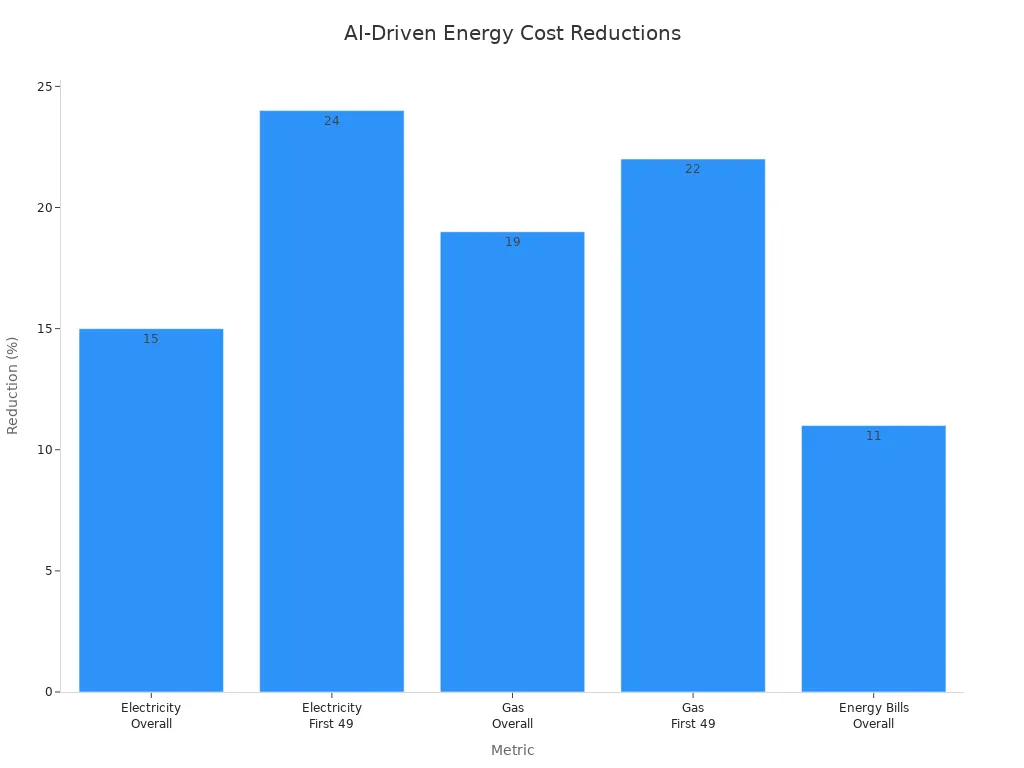
Operational enhancements go beyond cameras. AI-powered HVAC systems cut energy use in small-format stores. The table below shows the results.
Metric | Value |
|---|---|
Reduction in HVAC electricity use | 15% (overall) / 24% (first 49 stores) |
Reduction in HVAC gas consumption | 19% (overall) / 22% (first 49 stores) |
Annualized electricity cost reduction | CAD $4,850 |
Reduction in energy bills (overall) | 11% |
Generative AI also helps with assortment and planogram recommendations. The system studies what sells and suggests new layouts. You see better product mixes on every visit. The convenience of grab-and-go shopping improves with each update. The customer gains a faster trip. The customer gains fresher food. The customer gains a store that adapts to real demand.
Benefits for Corporate Campuses
Convenience, Satisfaction, and Productivity
An AI convenience store makes your workday easier. You get access to snacks and fresh meals all day and night. The easy access saves you a few minutes each time you go. Those minutes add up over a week of work. You spend less time away from your desk. No checkout line makes you wait. This easy access helps you stay focused on your work. You enjoy this easy access every day. Your store fits your schedule.
Your employer sees clear benefits too. Workers are happier with better food choices nearby. Higher satisfaction means more workers stay. You are happy when you find what you need. Your shopping experience gets better with every trip. The experience feels smooth and easy.
The system keeps track of which items sell best. It puts more of those items on shelves more often. You never see empty shelves at busy times. The system works to make your shopping better at every step.
Revenue and Data Insights
Opportunities to make money grow with this model. A vending machine only lets you buy one or two items at a time. A smart store helps you buy more items. You grab a drink, a sandwich, and a snack in one trip. The average amount spent goes up. Facility operators make more money from the same space.
Data insights are a strong tool. The system automatically records each purchase. You see busy times clearly. You know which products sell fastest. Store operations get better with this information. You waste less by ordering the right amounts. You save money on stock you do not need.
The system makes operations work better across the campus. Your model gets smarter each time someone buys something. Data goes back to it. The AI makes better predictions. This efficiency changes how you run campus stores. You make decisions using facts, not guesses. The store gives each customer better choices. Each customer finds what they want.
Implementation and Challenges
Planning, Integration, and Adoption
You begin with a clear plan. First, check what your campus needs. Count how many people work in each building. See where they buy food right now. Then pick a technology vendor that has done smart stores before. Ask about their cloud video surveillance rules and their safety record. Next, connect the store to your current payment systems and work apps. Workers should use one app to enter, pay, and get receipts. Run a test program in one building before you grow. Last, start a campaign to get employees on board. Show workers how the store works. Share how easy grab-and-go shopping is. Your first users will become your biggest supporters.
Adoption grows when you make the first visit easy. Put up clear signs at the entrance. Explain the app download in one step. Give a small discount on the first purchase. Track usage during the test. Ask workers which items they want. Change the product mix based on what they say. This cycle builds trust and brings people back.
Privacy, Cost, and Maintenance
You will run into real problems. Privacy worries about cloud video surveillance are at the top. Workers fear being watched. Fix this with open data rules. Explain what the cameras record and why. Say how long the cloud keeps footage. Let only approved staff see it. Convenience store security relies on this trust. Without it, adoption stops.
Upfront technology costs are high. Sensors, cameras, and software add up fast. Ongoing upkeep and restocking also need attention. Fix this with a step-by-step rollout. Start small and prove the model works. Build an ROI model that shows payback over time. Sign vendor support deals that cover repairs and restocking. Convenience store security also means guarding payment data. The cloud must encrypt every transaction. The video system must log every access. The video analytics must flag strange behavior. The video monitoring team must check alerts fast. The video checkout must confirm each item. The video feed must stay private. The video cameras must follow local laws. The video records must stay safe. This layered approach protects everyone. It also boosts operational efficiency across your campus.
The Future of AI Convenience on Campus
Personalization, Sustainability, and Integration
Tomorrow's AI convenience store will know what you like before you enter. It looks at what you bought before and suggests items you may enjoy. You get a personal suggestion through your work app. This makes shopping feel made just for you instead of one-size-fits-all. Sustainability gets better too because smart ordering cuts waste. The store orders only what your campus needs. Fewer items go bad on shelves. This helps your company meet its green goals.
Integration with workplace apps makes everything smooth. You use one app to enter the building, book meeting rooms, and buy from the store. Smart lobby stores become a normal part of your office. You pick up a fresh meal on your way to a meeting. The store fits into your daily routine without any trouble.
New ideas will go even further. Robot food makers like Nala Robotics could bring fresh-cooked meals to your campus. AI-powered virtual kitchens might run next to smart stores. These systems make food when you want it. You order through an app and get a hot meal in minutes. The AI handles cooking, serving, and cleaning. Campus dining changes from fixed cafeterias to flexible, on‑demand service.
Next Steps for Decision‑Makers
Start with a test program in one building. Keep track of specific numbers during this time. The table below shows what to measure.
Recommended Pilot Metric | What It Measures |
|---|---|
Return on Investment (ROI) | Measurable gains such as increased revenue, cost savings, or improved efficiency |
Adoption Rate | How well the AI solution meets real business needs and integrates into existing workflows |
Outcome Clarity | Whether pilot objectives were defined upfront and impact on KPIs is quantifiable |
A test of AI demand forecasting in a big Australian supermarket chain gave strong results. The system cut stockouts by 22%, reduced overstocking by 15%, and raised overall sales by 8%. These gains came from past sales data, promotional calendars, and real‑time stock updates.
You should also track revenue growth, profit improvement, and customer experience. Revenue growth comes from personal marketing and smart pricing. Profit improvement comes from better inventory and demand guesses. Customer experience gains come from suggestion engines and personal shopping. Ask employees for feedback during the test. Measure your return carefully. Grow slowly based on proven results. This method builds trust and ensures long‑term success for your campus store plan.
The change from vending machines to AI convenience stores is a normal next step. Technology now meets what you expect for convenience at work. You get fresh food and faster purchases. Your employer gets steady income and useful data for campus operations. Starting up needs money upfront and careful planning. A pilot program in one building proves long-term ROI. The ease of grab-and-go checkout removes friction from your day. Cloud monitoring and smart inventory make operations run smoothly. This kind of convenience changes workplace amenities. You stay ahead with retail that adapts. Future workplace retail will learn what you like and respond right away. Accept this convenience to stay ahead of the curve.
FAQ
How does an AI convenience store charge you without a checkout line?
You download the store app before you enter. The app links to your payment method. Video cameras and shelf sensors track each item you grab. When you walk out, the system charges your app automatically. You never stand in line or scan a barcode.
What keeps your payment data safe in these stores?
The cloud encrypts every transaction. Video monitoring flags unusual activity at checkout. The system logs every access to your records. Vendors must follow clear data policies. This layered security protects your payment information and builds trust with every visit.
Can you still shop if the internet goes down?
Most smart stores keep a local backup system. Video analytics run on-site during outages. The store saves your purchase data. It syncs with the cloud when the connection returns. You still grab items and leave without waiting.
How does the store know when to restock shelves?
AI algorithms study your buying patterns. The system predicts what your campus needs. It orders more of the popular items. Video monitoring shows empty shelves in real time. This predictive approach cuts stockouts and reduces waste.
What happens if the system makes a mistake on your bill?
You report the issue through the app. The cloud stores video footage of your visit. Staff review the video to confirm what you took. The system corrects your charge. This process keeps your experience fair and accurate.
See Also
Exploring AI Combo Vending Machines And Their Retail Advantages
The Future Of Retail Lies In AI-Powered Stores
Smart Fridge Vending Machines Transforming Round-The-Clock Fresh Food Access
Comparing Micromarkets And Smart Stores In Global Automated Retail
AI-Powered Corner Stores Rising: Essential Insights For Retailers
