AI-powered autonomous retail transforming Hospitals & healthcare facilities

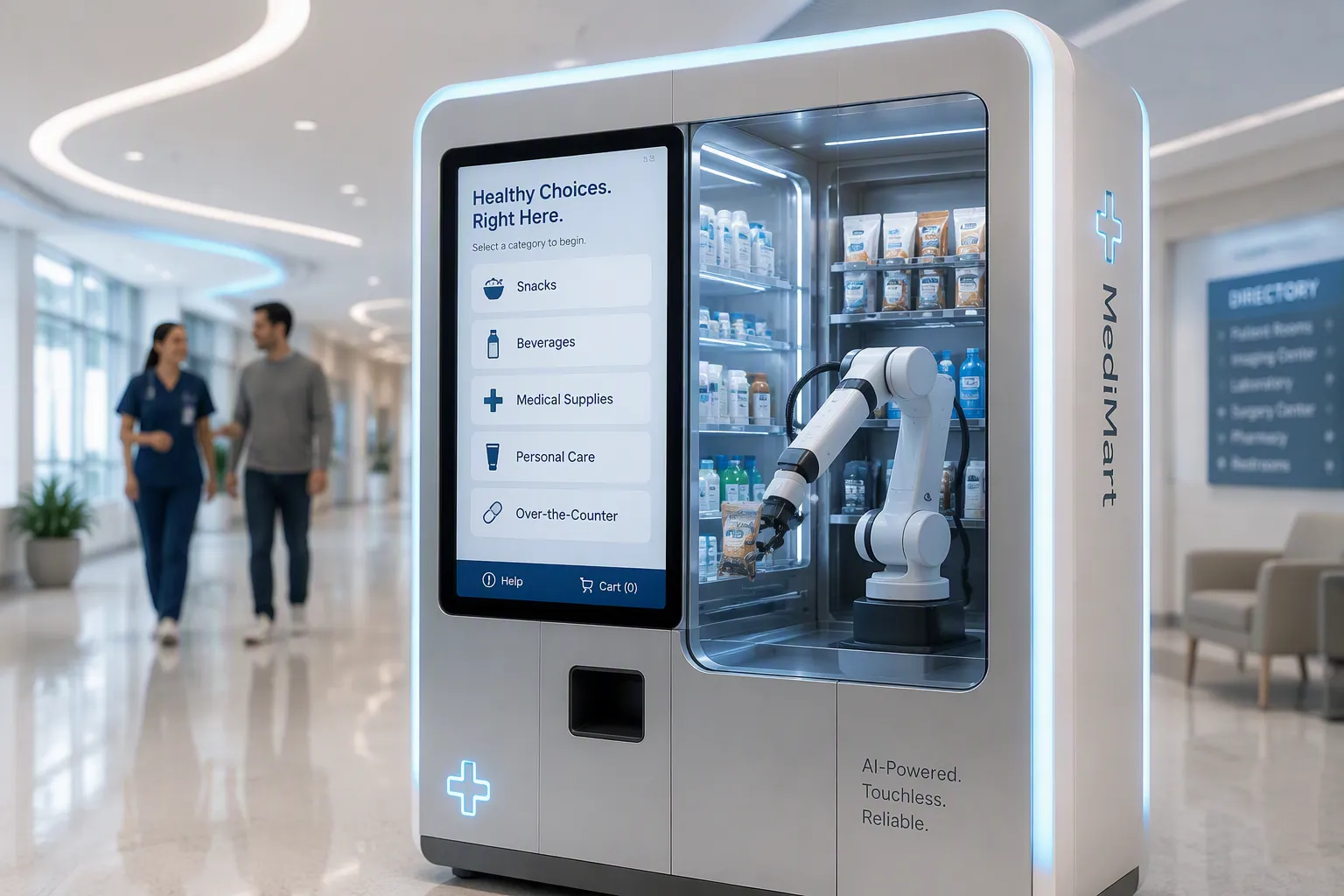
Nurses spend a significant portion of their shifts on non-clinical tasks like stocking supplies and managing inventory. This burden drains resources and pulls caregivers away from patients. Today's patients expect more than treatment. They want convenience, quality, and 24/7 access to essentials like snacks, toiletries, and coffee.
What if your hospital's retail spaces could run without checkout lines or manual restocking? Imagine a system that predicts what shoppers need before they even reach the shelf. That system exists now. AI-powered autonomous retail transforms gift shops, cafeterias, and vending areas into self-service hubs. You can eliminate friction, reduce waste, and boost revenue. This article explores how this technology solves chronic inefficiencies while improving patient experience and your facility's bottom line.
Key Takeaways
AI-powered autonomous retail eliminates checkout lines and manual restocking, offering 24/7 access to essentials for patients, visitors, and staff.
This technology reduces inventory shrinkage by up to 70% and cuts labor costs by automating inventory tracking and freeing staff for patient care.
Real-time data and predictive analytics prevent stockouts and overstocking, minimizing waste of perishable goods and boosting revenue.
Autonomous stores enhance patient and staff satisfaction by providing quick, frictionless access to items, which supports better care and reduces burnout.
The system integrates with existing hospital IT and can expand to manage medical supplies, making it a scalable solution for future healthcare needs.
The Retail Efficiency Gap in Hospitals
Manual Inventory and Staffing Burdens
You see stockouts of essential items every day. A patient needs a toothbrush at 10 PM. The gift shop is locked. A nurse wants a quick snack during a night shift. The vending machine is empty. Staff must manually check shelves and place orders. No one has time to monitor every item in every location.
Overstocking creates a different problem. Perishable goods in the cafeteria rot before anyone buys them. Consider a typical mid-sized hospital. Its cafeteria loses thousands of dollars every year. The cause? Expired inventory. Nobody tracked or sold the items in time. Fresh sandwiches expire. Salads wilt. Pre-made meals go to waste. The labor cost of 24/7 staffing compounds this waste. You pay employees to stock shelves, ring up sales, and manage inventory. These tasks pull them away from direct patient care. Your nursing staff spends a significant portion of their shifts on non-clinical work. This inefficiency drains your budget and your workforce.
Long Queues and Limited Access Hours
Hospital retail hours follow a traditional schedule. The gift shop operates on a limited schedule. The cafeteria shuts down after dinner. Your facility never sleeps. Patients arrive at all hours. Family members stay overnight. Nurses work through the night. These people need access to food, drinks, and toiletries. The retail areas close when they need them most. This gap creates frustration. It also creates lost sales.
Long queues during peak hours create another bottleneck. A visitor waits in line to buy a coffee. A tired parent stands in line for a snack. Their child recovers in a room down the hall. Every minute spent waiting feels like a failure. Your staff feels the same frustration. A nurse on a short break cannot afford to wait in a checkout line. They skip the purchase. They return to their unit without a meal. People skip purchases entirely. Your hospital loses revenue. More importantly, you miss a chance to comfort families and support your staff. Limited hours and slow checkout processes hurt the patient experience. They also hurt your reputation.
How AI-Powered Autonomous Retail Works
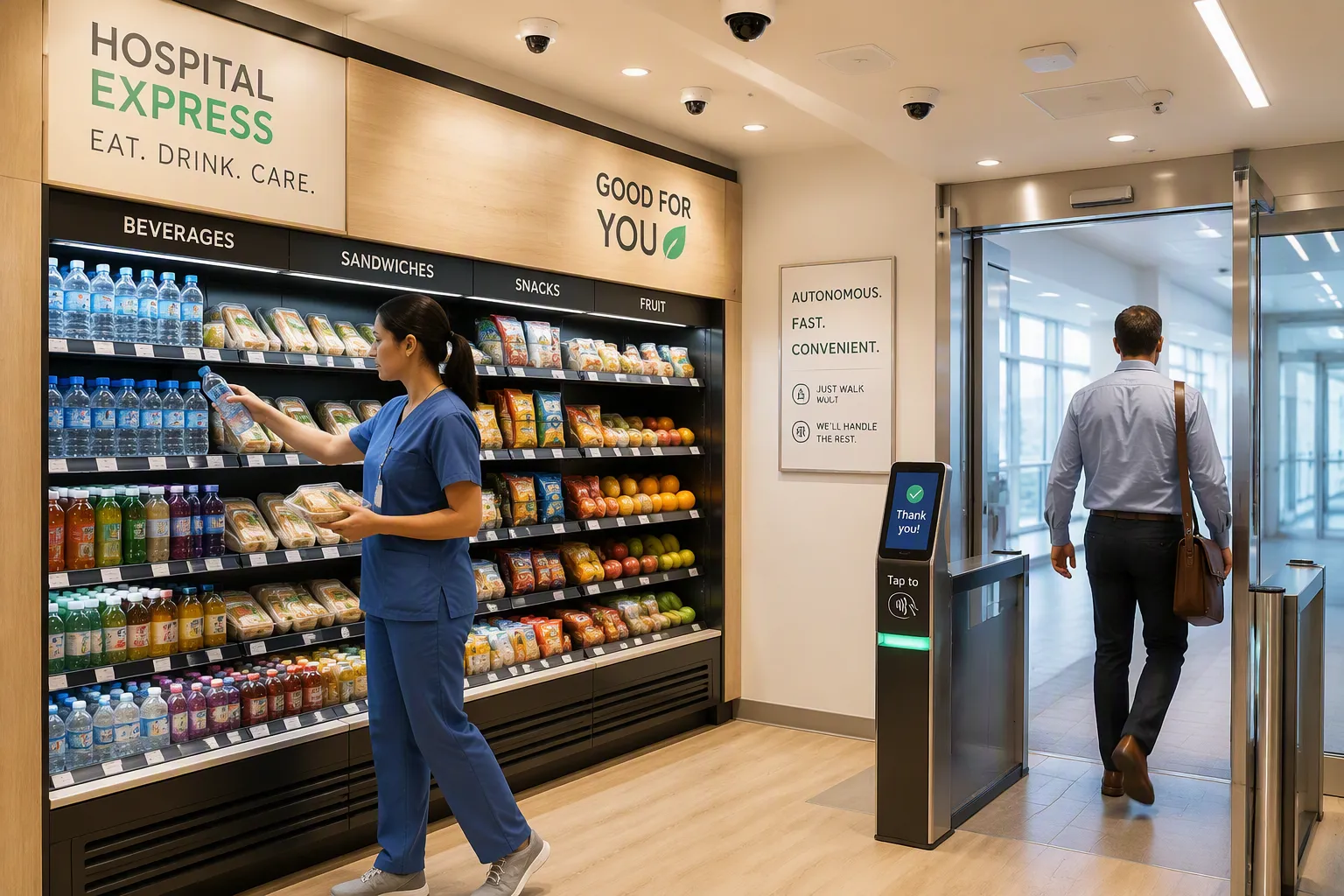
You step into a hospital store. You grab a bottled water and a sandwich. You walk out. No checkout line. No scanning. No waiting. AI-powered autonomous retail makes this possible. Cameras and sensors track every item you pick up. The system identifies what you take. It charges your account automatically upon exit. You experience zero friction. You never pause your day. This efficiency matters greatly in a hospital environment. Every second counts for nurses on break and visitors supporting loved ones. You get what you need without delay.
This technology relies on several key components working together. Spatial intelligence maps the entire store layout. It knows where every shelf sits. It tracks your movement through the space. Automatic item detection watches each product. The system sees when you remove an item from a shelf. It sees when you return it. Credit card tap entry lets you enter the store. The system links your payment method to your visit. It charges you for exactly what you leave with. In-store iPads capture your email address. You receive digital receipts automatically.
Computer Vision and Frictionless Checkout
Computer vision powers the entire experience. Ceiling-mounted cameras capture video of every shopper. AI algorithms analyze the footage in real time. They identify each item you pick up. They confirm which items leave the store with you. The system tallies your total. It processes payment through your linked card. You never reach for your wallet. You never wait for a receipt.
AiFi stands as a leading provider of this technology. The company has deployed autonomous stores in hospitals across the country. Staff members and visitors grab items and leave instantly. Steve Carlin, CEO of AiFi, explains the value:
Hospitals are among the most time-sensitive environments, and our autonomous store solutions are designed to remove friction and offer real-time access to essentials. The team at Lori's Gifts shares our commitment to creating seamless, accessible retail experiences, and together, we're making it easier for hospital visitors and staff to find what they need—anytime, with zero friction. This collaboration represents a meaningful step in expanding the impact of cashierless technology where it can truly make a difference.
Twenty-four-seven accessibility changes the hospital retail experience. The store never closes. You can buy a toothbrush at three in the morning. You can grab coffee during a night shift. You can purchase snacks after visiting hours end. The system operates around the clock. No staff required. No locked doors. No limits on when you can shop.
Real-Time Inventory Tracking and Demand Prediction
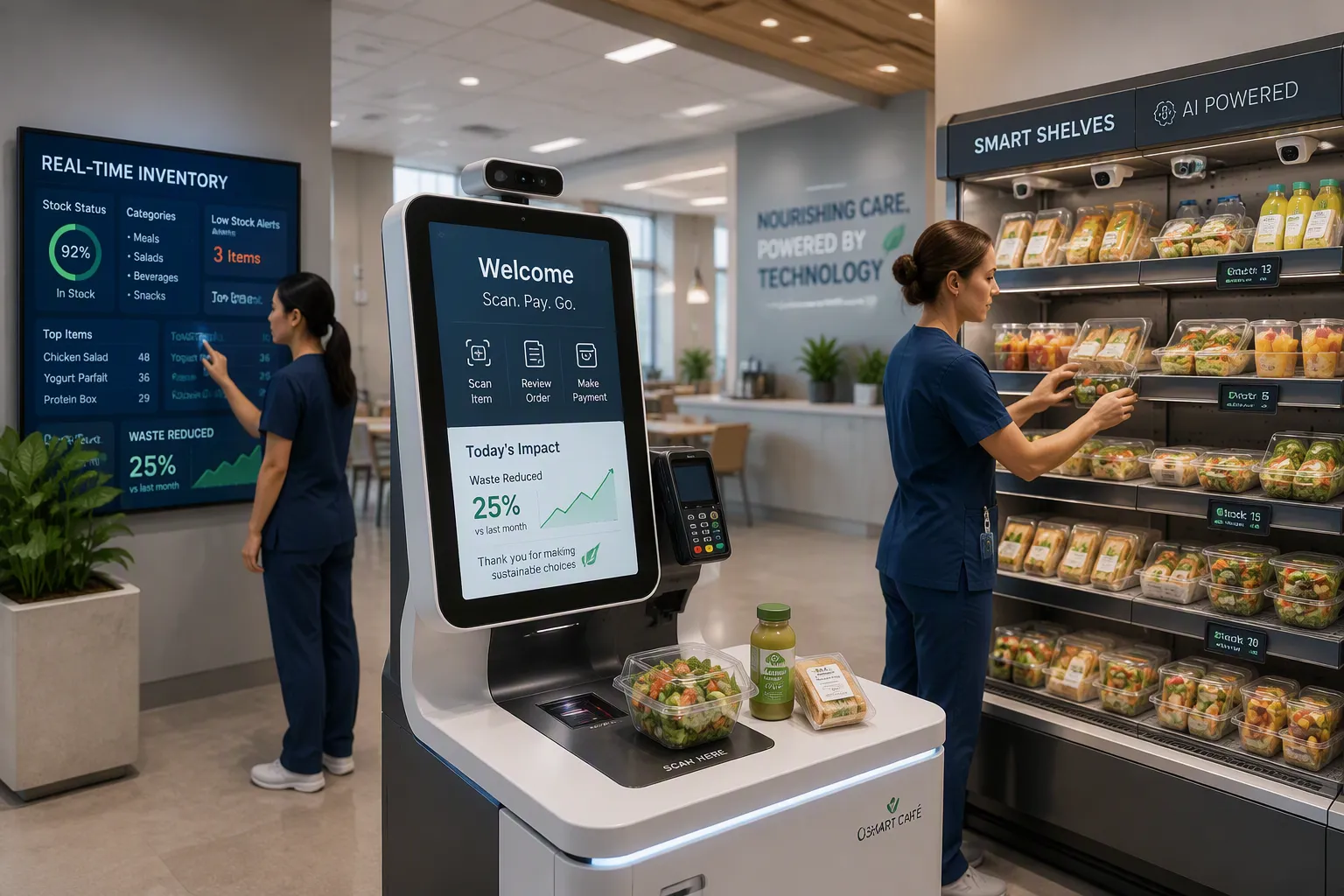
The same AI that enables frictionless checkout tracks your inventory in real time. Every item you remove from a shelf updates the system instantly. You see exact stock levels on a dashboard. You know which products sell fast. You know which items sit untouched. You make informed decisions based on facts instead of guesses.
This data prevents stockouts of essential items. It prevents overstocking and waste of perishable goods. Real-time sales data syncs with your ERP system. Your procurement team sees what you need immediately. They place orders based on actual demand. You eliminate manual inventory counts. You save valuable labor hours. You reduce expired goods that drain your budget.
Predictive analytics takes this capability further. The AI studies sales patterns over extended periods. It learns which products sell more during certain hours of the day. It identifies seasonal demand changes automatically. It predicts which items will be needed most tomorrow or next week. You anticipate needs before they arise. You stock the right items at the right time. You never run out of essential supplies. You never waste money on products nobody wants. Your inventory aligns perfectly with actual demand.
The technology creates a seamless operational loop. Computer vision captures every transaction. Inventory tracking updates every shelf. Predictive analytics guides every restocking decision. You operate with precision. You optimize your operations continuously. AI-powered autonomous retail delivers efficiency, convenience, and control all at once.
Key Benefits for Healthcare Operations
Cutting Costs and Minimizing Waste
The financial impact reaches far beyond the checkout experience. Industry data shows that AI-powered autonomous retail can significantly reduce inventory shrinkage. Shrinkage includes theft, damage, and administrative errors. These losses quietly drain hospital retail budgets every month. The technology eliminates most losses through continuous monitoring. Every item stays tracked from shelf to exit. You know exactly what leaves your store and when.
Labor costs represent another major saving. Your staff currently spends hours on manual inventory counts and shelf stocking. The system handles these tasks automatically. You reallocate those employees to patient-facing roles. A nurse who once managed the gift shop can return to direct care. A technician who tracked cafeteria stock can focus on equipment maintenance. Your payroll stays the same. Your clinical capacity grows. This reallocation improves patient care without adding a single new hire.
Waste reduction delivers immediate financial returns. The cafeteria at a mid-sized hospital loses significant revenue annually on expired inventory. Fresh sandwiches, salads, and pre-made meals rot when nobody tracks them. Predictive analytics solves this problem. The system studies sales patterns and forecasts demand. You stock the right quantity of perishable items. You prepare meals based on actual consumption data. You stop throwing money into trash bins.
The savings compound across every retail location. Gift shops maintain optimal stock levels. Vending areas never sit empty. Cafeterias reduce food waste dramatically. Your procurement team receives accurate data for bulk purchasing decisions. They negotiate better prices with suppliers. They order precisely what patients and staff will buy. Your entire retail operation transforms from a cost center into a revenue generator.
Enhancing Patient and Staff Satisfaction
The human benefits matter as much as the financial gains. Consider a father whose child stays overnight in the pediatric unit. He needs coffee at 3 AM. The traditional gift shop sits locked. The vending machine offers only stale chips. With autonomous retail, he walks into an open store. He grabs a fresh coffee and a sandwich. He returns to his child's room within minutes. That experience shapes his perception of your entire facility.
Nurses face similar challenges during night shifts. A nurse on a short break cannot wait in a checkout line. She skips the purchase entirely. She returns to her unit hungry and frustrated. Autonomous retail eliminates this problem. She grabs a yogurt and a granola bar. The system charges her card automatically. She returns to patient care quickly. This convenience supports your clinical workforce.
Staff satisfaction improves through reduced non-clinical burdens. Your nurses spend a significant portion of their shifts on tasks like stocking supplies. Autonomous retail removes these responsibilities. Your team focuses on patient care instead of inventory management. This shift reduces burnout and improves retention. Healthcare facilities face severe staffing shortages. Every tool that keeps nurses at the bedside strengthens your workforce.
Visitors and patients notice the difference immediately. A hospital that offers 24/7 access to essentials feels modern and caring. The facility communicates respect for people's time. This positive perception extends beyond the retail experience. Patients rate their overall care higher. Families share their experiences with friends. Your reputation grows stronger with every frictionless interaction.
Operational efficiency and human-centered design create a powerful advantage. You cut costs while improving care. You reduce waste while increasing satisfaction. AI-powered autonomous retail delivers measurable returns and intangible benefits simultaneously.
Integration and Future Scalability
Seamless Fit with Hospital IT Systems
You might worry about adding new technology to your existing infrastructure. These systems integrate cleanly with your current ERP and point-of-sale software. The autonomous store connects through standard APIs. Your procurement team receives real-time sales data without manual exports. They see exactly which items move and which ones sit idle. This information flows directly into your purchasing workflow. You make bulk buying decisions based on actual consumption patterns. You negotiate better supplier contracts with precise demand data. The system also syncs with your accounting software. Every transaction records automatically. You eliminate manual reconciliation errors. Your finance team gains accurate revenue tracking without extra effort.
Implementation requires minimal disruption. The hardware installs in a short time. Your existing staff needs only brief training. The dashboard interface mirrors common inventory tools. Your team adapts quickly. The technology handles the complexity behind the scenes. You focus on patient care, not system maintenance.
Expanding Beyond the Gift Shop
The same AI infrastructure extends far beyond retail spaces. You can apply this technology to medical supply cabinets. Nurses access essential supplies instantly. The system tracks every item they remove. You maintain optimal stock levels automatically. Expired supplies become a problem of the past. The technology also supports patient meal delivery tracking. You monitor which meals reach which rooms. You identify patterns in patient preferences. You reduce food waste across every unit.
Pop-up retail in outpatient clinics becomes practical. You deploy autonomous stores in temporary locations. The system operates without permanent infrastructure. You test new product offerings with minimal risk. You scale successful concepts across your facility network. The technology adapts to each environment seamlessly.
AI-powered autonomous retail creates a foundation for continuous innovation. You start with a gift shop or cafeteria. You expand to supply management and meal tracking. Each application builds on the same proven infrastructure. Your facility becomes more efficient with every deployment. The possibilities grow as the technology matures. You position your hospital at the forefront of healthcare innovation.
Hospital retail transforms from a manual, cost-draining afterthought into a smart, self-sustaining amenity. AI powers this entire change. You gain a powerful dual win. Operational efficiency lowers costs and minimizes waste. Human-centric benefits enhance patient experience and reduce staff burden. Every visitor finds essentials at any hour. Every nurse reclaims valuable time for direct patient care. Your bottom line strengthens. Your reputation grows significantly.
You should pilot an AI-powered autonomous retail solution in your lobby or cafeteria soon. Stay well ahead of the curve. Your facility truly deserves this upgrade. Your patients and staff deserve this convenience.
FAQ
How secure is the payment system?
The system links your payment method to your entry card. Cameras track every item you pick up. The AI charges you only for items you leave with. This continuous monitoring significantly reduces inventory shrinkage compared to traditional retail.
Will this technology replace my current staff?
No. The system eliminates manual checkout and inventory counting tasks. You reallocate those employees to patient-facing roles. A nurse who once managed the gift shop returns to direct care. Your payroll stays the same while your clinical capacity grows.
How long does installation take?
Hardware installation takes a short time. Your existing staff needs only brief training on the dashboard interface. The system connects through standard APIs to your current ERP and point-of-sale software. You experience minimal disruption to daily operations.
Can the system track medical supplies too?
Yes. The same AI infrastructure extends beyond retail spaces. You can manage medical supply cabinets with automatic tracking. Nurses access essential supplies instantly. The system monitors every removal and maintains optimal stock levels automatically.
What happens during a power or network outage?
The system operates on redundant power and network connections. Each store functions independently. Transactions store locally and sync once connectivity returns. Your retail operations continue without interruption, even during facility-wide technical issues.
See Also
The Future of Retail Belongs to AI-Powered Stores
Modern Retail Benefits from AI-Enabled Combo Vending Machines
AI E-Commerce Tools Revolutionize Online Store Management
The PARC at Tysons Evolves from Container Store to Community Hub
