AI-Powered Unmanned Line-Side Warehouses Revolutionize High-Value Consumables Management in Manufacturing

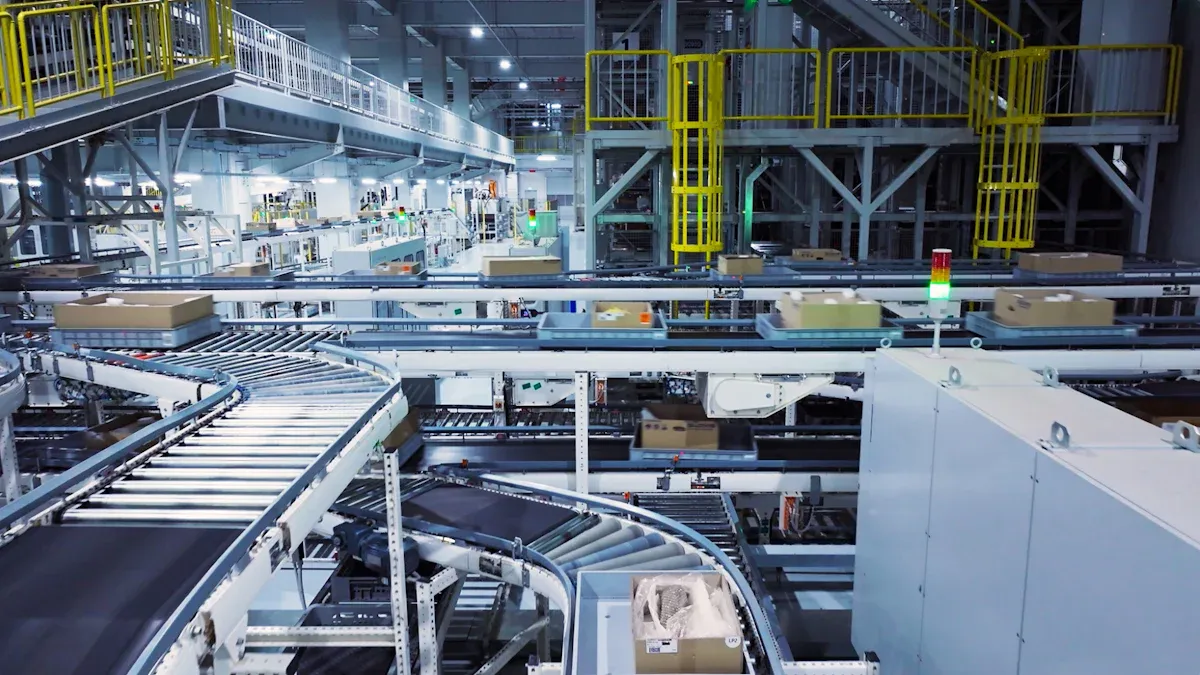
Manufacturers lose over 30% of high-value consumables every year because of manual errors and poor visibility. How can you cut waste in line-side consumables without slowing down production? AI-powered line-side warehouse management provides the solution. This innovation pairs autonomous systems with real-time tracking. You get full accountability for every item. The shift moves you from periodic checks to continuous digital control. Smart factories depend on this automation for steady material flow.
Reliable line-side replenishment, component sequencing, and work-in-process movement directly lower the risk of production stops caused by delayed or misplaced inventory.
This manufacturing method keeps schedules on track. You move from manual oversight to automated precision. The journey starts here.
Key Takeaways
Tracking by hand can lead to costly mistakes and wasted resources.
AI-powered systems show what is happening right now and keep track of who is responsible.
Automated identification and tracking cut down on mistakes a lot.
Data analytics help us keep improving and manage things before problems happen.
Using AI can cut waste by over 30% and improve ROI.
The Cost of Manual Management
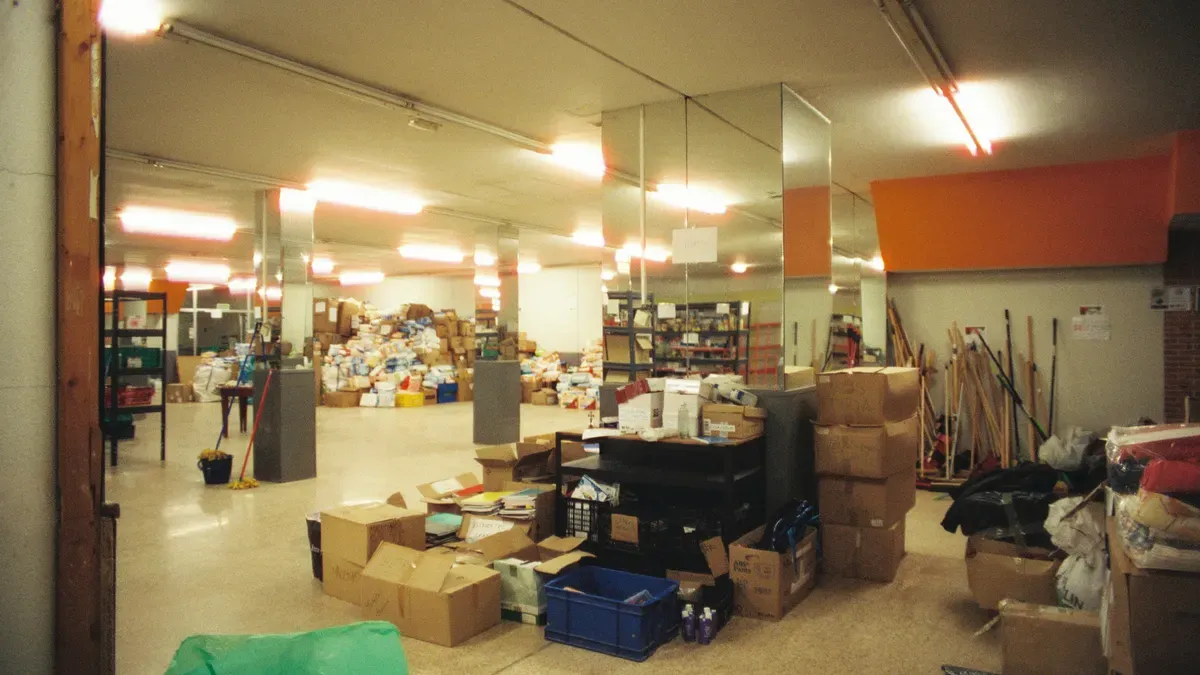
When you track consumables by hand, it creates costly blind spots on your factory floor. Items like cutting tools and tool heads vanish without a record. You can't tell who took them, when they left, or where they went. This lack of clear info directly hurts your profits.
Blind Spots and Loss
Your team makes mistakes when they use paper logs and memory. Workers grab the wrong part from a bin, and that part becomes waste. Materials sit past their use-by date because no one notices. Overfilled storage hides damage until you find broken items too late. Every one of these errors costs you real money.
The money lost goes beyond just the wasted parts. Think about what happens when inventory records don't match reality. You order replacements for items you already have, tying up cash in extra stock. Keeping overstocked consumables costs 15% to 30% of the product's value each year. Poor inventory management eats 10% to 30% of yearly profits across businesses. One case study showed Indorama saved $50M just by improving inventory workflows.
Manual tracking also creates specific blind spots you can't see. Data entry errors mess up your records. Returns and scrapped products go unaccounted for. You spend hours checking counts that never match. The whole process gives you unreliable info you can't trust for decisions.
Periodic Stocktake Burdens
You know the monthly inventory count routine. Your team stops production to count every item by hand. This process uses up valuable labor hours and still gives old information. The count shows yesterday's reality, not today's needs.
The costs add up when you think about urgency. Empty shelves force fast shipping, which costs 15% to 25% more than regular prices. Lost sales from empty shelves cost businesses $29.6 billion in North America in 2022 alone. Your periodic checks can't stop these losses because they only show problems after they happen.
Manual methods also create rework costs. Products made with wrong or missing parts need extra labor and materials to fix. You pay twice for work that should have been correct the first time. Without real-time monitoring, you find these issues late, when fixing them costs the most.
The answer is to move beyond periodic checks. You need constant visibility into every consumable item. You need to know who takes each one. The next part shows how AI-powered systems give you exactly this level of control.
AI-Powered Line-Side Warehouse Management
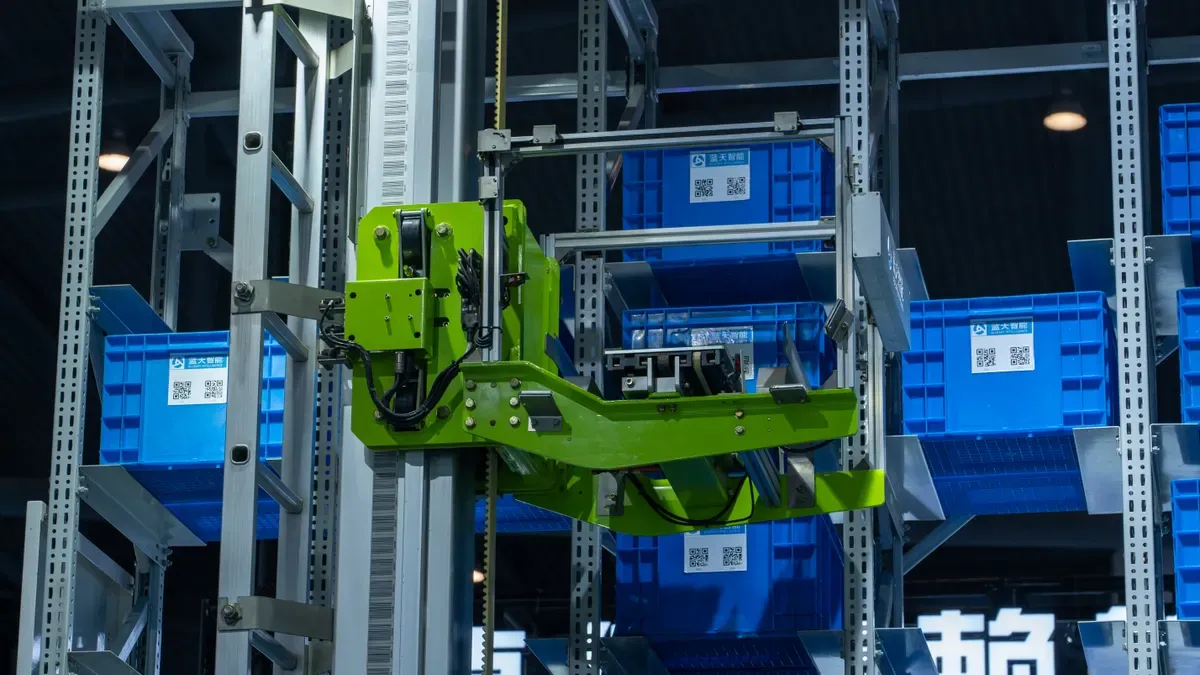
You set up an AI-powered line-side warehouse system step by step. First, you pick a space sized by the types of consumables and how fast they turn over. You put identity checks at the entrance. Next, you add shelves with sensors that feel when items are added or removed. You install ceiling cameras that watch worker movements live. Then you turn on the AI Manager, which checks identities, builds virtual shopping carts, and guides workers through shelf tasks. The ceiling cameras follow movements from the door, tracking many people at once. The sensor shelves notice every pick-up and put-down. The AI Manager checks appearances and updates virtual carts right away. Workers take items without signing out; the system makes collection lists and updates stock automatically. When restocking alerts go off, managers verify identity, follow guided lights to restock spots, and the AI Manager creates restocking lists on its own.
Manufacturing uses include line-side delivery, raw-material movement, work-in-process transfers, finished-goods warehousing, and syncing with production schedules.
Automated Access and Identification
Facial recognition checks each worker at the warehouse door. The system works even when workers wear helmets or masks, which is common on factory floors. It stays accurate in changing light and when faces are partly covered. The table below shows the performance you can expect.
Metric | Value | Context |
|---|---|---|
False Acceptance Rate | < 0.001% | Under production conditions |
Identification Accuracy | > 99.7% | Under variable lighting and partial occlusion |
Once inside, AI vision identifies each item you pick. The system reads the type, spec, and amount of every consumable. Machine vision compares the item to its database. This removes manual entry mistakes completely. You no longer rely on barcode scans or paper logs. The AI recognizes tools, tool heads, and other high-value consumables with accuracy. This automation takes the guesswork out of your daily work.
Real-Time Data and Traceability
Every withdrawal links directly to the worker who took it. The system records who took what, when, and how much. This data syncs with your factory systems for full lifecycle tracking. You see each item's path from storage to use.
Real-time tracking creates a full chain of custody. RFID readers scan hundreds of tagged items at once without needing a direct view. This automated capture removes manual scanning errors. You get detailed, time-stamped data on item location and use. The system flags expired or recalled items immediately, stopping costly mistakes.
Real-time syncing benefits your whole operation:
Benefit Area | Practical Outcome |
|---|---|
Reduced production interruptions | Fewer unplanned line stops, faster response to material shortages |
Lower inventory carrying costs | Reduced safety stock levels, fewer overstock situations |
Increased picking accuracy | Fewer manual errors, less returns and rework |
Faster order fulfillment | Shorter order processing times, improved on-time delivery |
Improved compliance and traceability | More reliable batch/serial tracking, less audit prep time |
Real-time inventory visibility | Teams know what's available and where it is |
This digital approach changes how you manage. You move from periodic counting to constant visibility. The analytics platform processes data from every interaction. You spot patterns and problems before they grow. This data-driven method supports better decisions across your facility. The automation cuts manual overrides during live shifts. You see fewer late order releases during peak times. Pick-path congestion eases across zones. Reactive labor moves drop sharply. These signs show your operation running smoother.
Quality control improves because you catch issues instantly. Safety management benefits from knowing exactly where materials sit. The autonomous system works around the clock without getting tired. Your production schedule stays predictable because materials arrive on time. This optimization cuts waste and boosts accountability. The AI keeps learning from usage patterns, sharpening its predictions. You gain a partner that helps you run a leaner, more efficient operation.
AI and Analytics in Action
Over 30% Waste Reduction
Companies using AI-powered line-side warehouse management cut waste by more than 30% every year. Kitro found an average 30% drop in consumables waste, with some cases over 50%. Winnow saw a 53% average reduction. These results come from peer-reviewed research. The same ideas apply to high-value manufacturing consumables like cutting tools and tool heads.
Top manufacturers already use this tech. Toyota, Volkswagen, BMW, and Mercedes-Benz depend on AI-driven systems. Bosch, Continental, ZF Group, and Magna International use similar tools. These companies need precision. They get it from automated systems that track every item.
Moving from periodic counting to constant visibility makes this happen. A periodic system shows 5-10% error rates. A perpetual system with real-time tracking gets error rates below 2%. Fewer errors mean fewer over-ordering mistakes. You spot issues as they occur. Continuous monitoring cuts count time by 70-80%. Carrying costs drop by 15-25%. Cash flow improves by 10-20%. These numbers come from documented comparisons.
Real-time tracking gives you a live view of stock levels. You stop overstocking and spoilage. Automated alerts trigger reordering when inventory drops below a set point. Stockouts drop by 30%. Your production keeps running smoothly. This data feeds into your quality control process. The system flags expired items right away.
Data Analytics for Continuous Improvement
Data analytics turns raw information into useful insights. Your analytics platform processes data from every interaction. You see patterns that were hidden before. Fast-moving goods stored far from the assembly line become clear. You move them closer and cut picking time. This optimization reduces waste from unnecessary movement.
The Ubisense SmartSpace system uses real-time data analytics for dynamic layout optimization and predictive replenishment. It studies historical data and production patterns. It predicts material needs before you run out. It removes extra safety stock. These features support continuous improvement. The analytics platform also helps predictive maintenance at scale by studying equipment usage patterns.
Machine vision systems at the warehouse entrance check every incoming item. They perform steel defect detection on metal parts. They confirm that each part meets quality standards. This process catches defects before parts reach the line.
A mid-sized consumer goods warehouse used historical data analytics to predict demand and adjust stock levels. This data-driven choice reduced extra stock. Lean inventory practices with continuous monitoring kept inventory optimal. The company cut both waste and storage costs.
Order fulfillment analytics showed that 80% of late orders traced back to 15% of SKUs in a remote mezzanine. Re-slotting those items closer to the dispatch flow cut delays. This reduced waste from process inefficiencies.
You move from reactive to proactive management. The analytics dashboard gives you a single view of your operation. You see real-time data on stock levels and usage rates. You make decisions based on facts. This data-driven approach supports lean manufacturing. You optimize every process for higher yield. Robotics integration streamlines material movement. Autonomous guided vehicles deliver items based on analytics predictions. Safety management improves because you know where every material sits. Digital transformation in your warehouse becomes real. Automation of tracking and reordering cuts manual work. You gain continuous improvement that never stops.
You have seen the transformation. Manual, error-prone processes give way to automated, AI-driven management. The result is significant waste reduction—over 30% annually—with enhanced accountability. Production never slows.
Consider the return on investment:
Baseline: 40 pickers at $30/hour equals roughly $2,000,000 in annual picking labor.
A conservative 10% productivity gain yields $200,000 in yearly savings.
Compare that to first-year costs of $30,000–$150,000 for optimization programs.
Even a 5% gain justifies the investment.
Future trends point toward agentic AI for autonomous replenishment, AI-driven demand forecasting, real-time supply chain optimization, and sustainability-focused consumable management. These innovations make data analytics central to manufacturing. Your quality control improves through continuous monitoring. Robotics boosts yield and safety. This digital transformation, powered by an analytics platform, drives data-driven excellence. Explore how AI-powered line-side warehouse management fits your operations for immediate ROI.
FAQ
How quickly can I see results after implementing this system?
Most manufacturers notice improvements within the first quarter. The system starts tracking items immediately. You see waste reduction numbers within weeks. The full 30% annual reduction typically appears after three to four months of continuous operation.
What happens if the facial recognition system fails?
The system maintains a false acceptance rate below 0.001%. It works with helmets and masks. If identification fails, the worker can use a backup PIN code. The system logs every access attempt for security review.
Does this system work with existing factory management software?
Yes. The AI platform syncs with your current ERP and MES systems. It shares real-time inventory data through standard APIs. Your team keeps using familiar tools. The system adds visibility without replacing your existing infrastructure.
How does the system handle quality checks on incoming parts?
Machine vision inspects every item at the warehouse entrance. It performs steel defect detection on metal components. The system verifies each part meets your quality standards before storage. This catches problems before defective parts reach your production line.
What training does my staff need?
Workers need minimal training. The system guides them through shelf tasks with visual cues. Managers learn the analytics dashboard in about two hours. Most teams operate independently within one week. The system handles the complex tracking automatically.
See Also
Smart Vending Machines: Key Features and Advantages for Contemporary Retail
The Future of Retail: The Rise of Artificial Intelligence in Stores
Transforming Online Store Management with Artificial Intelligence Tools
Cloudpick Vending Machines: Revolutionizing the Energy Drink Industry
