Retrofitting existing infrastructure for autonomous retail in airports and transportation hubs

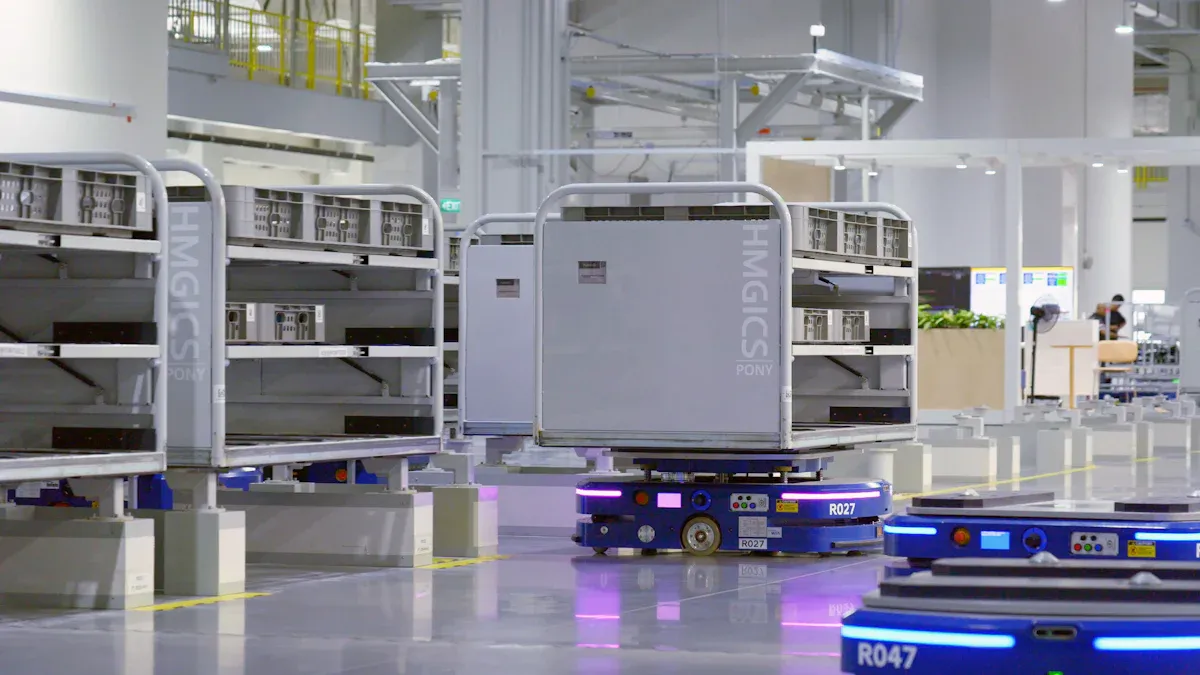
You can upgrade legacy terminal space into automated storefronts without closing operations. Modern airports operate as mini smart city ecosystems today. These facilities seamlessly pair destination shopping with connected ground transportation networks.
Key Takeaway: Upgrading your terminal retail drives higher non-aeronautical revenue while elevating the overall passenger experience.
To lead the aviation industry in this growing market, you must update your core infrastructure. Successful retrofits require four essential elements:
Spatial layout modifications for smooth shopper movement
Low-latency connectivity for instant transaction processing
Dedicated electrical utilities to power sensor arrays
Frictionless backend integration with current inventory systems
By deploying autonomous retail technology, your airport converts underutilized concourse areas into high-yield commercial space. You protect daily passenger flow while building a future-proof hub. Legacy airports now gain higher retail revenue and efficiency.
Key Takeaways
Modular store layouts allow quick overnight upgrades without closing airport terminals.
Local edge servers process purchase data instantly to prevent long checkout lines.
Private 5G networks keep store operations running smoothly during peak travel hours.
Backup battery systems protect continuous sales during unexpected power outages.
Connecting retail systems with airport shuttles encourages travelers to shop early.
Adapting Physical Footprints in Airports
Optimizing Layouts for Autonomous Retail
You can convert traditional airport storefronts into modern automated spaces without knocking down existing structural walls. Legacy spaces often present tight square footage and complex floor plans. However, modular store frameworks let you install sensor networks right over existing finishes.
To maximize commercial revenue, you must evaluate how travelers interact with store layouts. High-yield retail units in a busy airport hub depend on smooth product placement and instant item recognition. Lightweight shelf sensors and optical arrays attach directly to existing fixtures. This approach protects historical terminal architecture while bringing cutting-edge technology into old spaces.
💡 Operational Tip: Prefabricated modular display bays allow overnight installation. You can preserve uninterrupted passenger flow and protect store revenue during peak operational hours.
When you renovate spaces near ground transportation zones, layout flexibility becomes vital. Travelers stepping out of a rental car, a private vehicle, or a transit shuttle want immediate convenience. You capture instant retail revenue when you place grab-and-go food and quick travel accessories right near these transfer zones.
Store Zone | Recommended Modular Fixture | Core Sensor Array | Commercial Target |
|---|---|---|---|
Entrance | Low-profile overhead gantry | Optical depth cameras | Access validation |
Main Shelving | Smart gravity-fed racks | Weight sensors & vision fusion | Instant product pick verification |
Exit Lane | Clear virtual payment gate | Edge computing beacons | Automated account charge |
Camera Rigging and Sensor Network Placement
Low ceiling heights and historic ceiling tiles create mounting obstacles in older airport terminals. You cannot always drill directly into load-bearing beams or decorative structural panels. Instead, you can deploy lightweight truss systems and tensioned cable grids to hang overhead cameras safely.
[Ceiling Grid / Unistrut Support]
       │
       ├─── Light Fixtures & Utility Cabling
       │
       └─── Drop-Rod Camera Truss ───► [360° Vision Sensors]
                                   └───► [Overhead Depth Cameras]
These custom rigs overhead create optimal sightlines for shelf tracking technology. Sensor fusion combines multiple visual feeds into one precise tracking mesh.
Tension-Mounted Drop Rods: Secure sensors tightly without damaging ceiling plaster.
Unistrut Grid Networks: Distribute total equipment weight evenly across load-bearing points.
Concealed Cable Raceways: Hide power conduits to maintain clean terminal aesthetic standards.
By maintaining clear camera sightlines across every shelf, you eliminate visual dead zones. Reliable visual tracking directly protects your retail revenue by preventing inventory shrinkage. These smart spatial modifications lower maintenance costs and support long-term environmental sustainability.
Spatial Flow and Ingress Management
Clear spatial flow drives non-aeronautical revenue and directly enhances the overall passenger experience. Travelers rushing to catch a flight will avoid crowded or confusing store layouts. You must guide shoppers through wide store entrances using intuitive physical markers and illuminated digital signs.
Key Rule: Keep store ingress points at least ten feet wide. Clear pathways keep travelers moving smoothly between busy concourses and retail areas.
Install high-contrast floor graphics to direct initial pedestrian traffic into entry channels.
Position overhead digital LED screens above entry gates to announce frictionless checkout instructions.
Deploy illuminated floor beacons that guide shoppers straight to popular travel products.
A traveler parking a rental car or taking a ground transportation shuttle needs fast commercial service. When you combine clear physical signposting with real-time mobile app prompts, you accelerate foot traffic into your store. Smart spatial management transforms casual foot traffic into steady retail revenue.
[Concourse Traffic] ───► [10ft Wide Ingress] ───► [Smart Shelf Zones] ───► [Virtual Exit Gate]
Upgrading your physical space sets the foundation for future commercial growth. Leaders across the aviation industry recognize that frictionless retail improves passenger satisfaction. Modernizing existing infrastructure elevates your brand, boosts daily sales, and keeps your airport highly competitive.
Modernizing Airport Digital and Power Infrastructure
Low-Latency Edge Computing
You must upgrade the core digital infrastructure to run automated storefronts smoothly. High-definition camera arrays generate massive amounts of visual data every second. Sending this heavy data stream to distant cloud servers creates unacceptable lag. Instead, you should deploy local edge computing hardware right inside the terminal building.
Edge processing units aggregate visual data from multiple shelf sensors instantly. For edge systems handling real-time computer vision during self-checkout processing, hardware needs to achieve a target latency of under 200 milliseconds. This millisecond speed aligns with the speed of a human eye blink. Fast processing prevents long checkout queues and improves the overall passenger experience across the primary airport facility.
⚡ Performance Benchmark: Local edge servers must process visual frames in under 200 milliseconds. Rapid sensor fusion guarantees instant item detection for every rushing traveler.
Smart edge systems also support long-term environmental sustainability goals. Local data processing reduces energy consumption from long-distance data transmission. You cut computational overhead while protecting commercial store revenue. Choosing energy-efficient edge servers supports overall corporate sustainability across modern airports. This advanced processing technology forms the backhaul of modern autonomous retail deployments.
Network Upgrades with 5G and Wi-Fi 6E
Busy terminals present extreme wireless congestion during peak flight hours. Thousands of travelers stream videos while waiting at departure gates. Standard public Wi-Fi networks cannot handle critical store transactions under heavy traffic loads. You need dedicated network pipelines to connect commercial stores with ground transportation zones.
Private 5G networks maintain consistent, reliable connectivity during peak airport Wi-Fi congestion by offering dedicated network capacity and isolated infrastructure. This private setup isolates critical operations from public passenger traffic. The network ensures uninterrupted service for point-of-sale systems, real-time inventory tracking, and secure transactions even during heavy terminal traffic or flight delays. Major international airports rely on these cellular networks to maintain constant uptime.
[Public Passenger Wi-Fi]  ───► [Isolated Network Gateway] ◄─── [Private 5G Base Station]
                                              │
                                              ▼
                                 [Store POS & Inventory Data]
You can deploy Wi-Fi 6E routers inside storefronts to supplement private cellular bands. This dual-network approach links store systems directly to external transportation hubs. Travelers stepping off a shuttle bus or an electric rental vehicle demand instant retail service.
Network Type | Primary Usage Zone | Key Technical Benefit | Revenue Impact |
|---|---|---|---|
Private 5G | Terminal-wide & transit terminals | Isolated capacity & zero packet loss | Protects store revenue during peak delays |
Wi-Fi 6E | In-store sensor networks | High-bandwidth local camera streaming | Eliminates checkout lag |
Connecting store networks with rental car center systems expands commercial touchpoints. A traveler returning a rental car can order travel goods through a mobile app before arriving at the terminal. Real-time data syncs across terminal stores and parking car facilities automatically. Modern wireless upgrades help leaders across the aviation industry unlock new non-aeronautical revenue streams.
Redundant Power Utilities
Fully autonomous storefronts require continuous power to operate camera networks and smart locking doors. A sudden power outage brings checkout operations to a complete standstill. You must install redundant electrical utilities to protect daily sales across busy airports.
Dual Power Feed Connections: Route electrical lines from two separate substation grids directly to retail zones across the airport.
Uninterruptible Power Supply (UPS) Batteries: Battery backups maintain instant power to sensor arrays during utility switching in legacy airports.
Isolated Power Circuits: Separate high-draw store cooling units from sensitive computer vision hardware in modern airports.
[Main Grid Feed A] ──┐
                     ├──► [Automatic Transfer Switch] ──► [UPS Battery] ──► [Autonomous Store]
[Backup Grid Feed B] ┘
Stable power systems protect valuable commercial assets across secondary airports. Uninterrupted power guarantees continuous tracking accuracy when travelers grab items off smart shelves in any regional airport. Any failure in camera tracking creates stock loss and lowers total store revenue. Modernizing electrical hardware transforms a legacy transit hub into a resilient commercial ecosystem.
You should link retail power monitoring tools directly to airport operations control centers. Real-time power management software alerts maintenance teams before hardware issues disrupt retail store operations across busy airports. A shopper transferring from a parking shuttle car or a transit vehicle experiences flawless service. Reliable power technology elevates the overall passenger experience while protecting core retail store revenue.
Deploying smart power monitoring technology maximizes store revenue across primary airports. Upgrading power backups stabilizes store sales and increases retail revenue in every regional airport. Maintaining consistent power protects non-aeronautical revenue across the entire airport network. Implementing these physical power safeguards helps the aviation industry modernize legacy airport facilities safely.
Connecting Retail with Autonomous Vehicle Networks

Integrating Transit Hubs and Commercial Zones
Modern airports are transforming into mini smart cities. You can link commercial stores with an autonomous vehicle shuttle to boost passenger engagement across your terminal hub campus. Passengers riding an autonomous vehicle shuttle move quickly between terminal buildings, remote parking areas, and ground transportation terminals. You maximize non-aeronautical retail revenue when you connect store systems directly with ground transportation options.
[Rental Car / Bus Terminal] ──► [Autonomous Vehicle Shuttle] ──► [Retail Terminal Hub Zone]
Smart mobile applications send location-based promotions to travelers riding inside a transit car or electric shuttle car. A traveler returning a rental car receives instant notifications about retail offers near their departure gate. Connecting retail platforms with autonomous vehicle networks elevates the total passenger experience. You capture extra passenger spending before travelers board their flights. This smart integration drives core retail revenue across connected airports.
Transit Touchpoint | Integration Target | Key Operational Advantage | Revenue Target |
|---|---|---|---|
Rental Car Center | Pre-arrival mobile push | Captures early concessions spending | Incremental store revenue |
Terminal Shuttle Car | In-cabin digital displays | Promotes quick grab-and-go products | High-margin travel goods |
Transit Terminal | Real-time arrival alerts | Prepares retail order pick-up zones | Instant concession sales |
Managing Campus Traffic and Safety
You must implement strict safety protocols while upgrading campus infrastructure for self-driving shuttles. Busy airports host mixed traffic environments every day. Electric shuttle buses, private car traffic, and service vehicles share the same roadways. You need clear traffic management protocols to safeguard shoppers and vehicles.
⚠️ Safety Standard: Deploy physical lane barriers and digital monitoring beacons around transit zones. Clear zoning protects pedestrians walking between parking sites and store entrances.
Deploying electric shuttles supports environmental sustainability goals across modern airports. Electric transport options lower carbon emissions and strengthen your sustainability commitment. The aviation industry relies on these eco-friendly transport networks to improve daily operations.
Real-time traffic data bridges passenger movement from autonomous transport to friction-free store environments. You monitor vehicle movement to predict shopper arrival times at store entrances.
Sensor networks feed live traffic data to airport control rooms.
Smart algorithms adjust retail staffing levels during peak ground transportation arrivals.
Automated storefronts process high customer volumes without delay.
Upgrading your ground transportation infrastructure expands your commercial reach. Major airports use this connected technology to generate steady non-aeronautical revenue. Modernizing transit networks helps the aviation industry build an efficient, future-proof hub.
Operations, Compliance, and Data Security
ERP and Inventory Synchronization
You must connect automated store shelf arrays directly to central Enterprise Resource Planning systems. Deploying autonomous retail hardware requires real-time stock counting to track every item movement. When a shopper removes a snack, sensors inform inventory software within milliseconds. Instant data tracking prevents stockouts and protects your store revenue at the local airport.
Legacy systems often slow down stock processing in a busy transit hub. Modern edge technology updates central inventory logs across every major airport site immediately. You avoid missing sales during peak flight departure hours across busy airports. Accurate stock records also streamline warehouse deliveries from regional supply centers to your main airport store.
Integration Layer | Sync Mechanism | Target Operational Benefit |
|---|---|---|
Shelf Sensors | Weight-change trigger | Instant item depletion logging |
Central ERP | Restock alert automation | Zero missed sales opportunities |
Proper inventory synchronization boosts commercial revenue across modern airports. You track shopper demands across global airports while growing retail revenue.
ADA Accessibility and Payment Security
You must meet strict Americans with Disabilities Act standards across all physical storefronts. Every traveler needs equal physical access to shelves and payment touchpoints across legacy airports. You should install low-profile checkout gates for shoppers using a wheelchair or visiting from a rental car center.
📌 Compliance Tip: Keep aisle routes at least 36 inches wide. Position smart shelves between 15 inches and 48 inches from the floor for universal access.
Travelers arriving from a ground transportation point demand fast, secure checkout. You can place grab-and-go units near any car park or rental car facility. A traveler returning a rental car wants quick payment verification before boarding terminal shuttles. You protect total store revenue by encrypting payment data instantly at every primary airport store.
Contactless payment gates process encrypted credit cards safely. You can link payment tokens directly to a passenger experience mobile application. A passenger stepping off a shuttle car enters the store, grabs items, and leaves securely. Tokenized billing speeds up transactions and expands your reach in the growing retail market. Deploying accessible payment options elevates sales revenue across all connected airports. An autonomous transport vehicle or shuttle vehicle delivers steady foot traffic directly to your store doors.
Data Privacy in Public Spaces
Operating computer vision camera technology in public facilities requires strict data privacy protection. You must anonymize visual feeds on local edge servers immediately. Store software converts human images into anonymous spatial wireframes without delay. You never record or store personal biometric identifiers in any public airport space.
[Raw Camera Video] ──► [Edge Anonymizer] ──► [Wireframe Mesh] ──► [Data Storage]
You protect retail revenue when shoppers trust your privacy policies inside the local airport terminal. Clear digital signage tells travelers how local systems process visual store data safely across every secondary airport venue.
Blur facial features right at the camera level.
Purge raw video files automatically every twenty-four hours.
Comply fully with global data privacy regulations.
Upgrading digital infrastructure protects public trust while driving non-aeronautical revenue across legacy airports. Energy-efficient local servers lower power usage and advance long-term environmental sustainability goals. The aviation industry relies on these secure operational practices to modernize regional transportation facilities safely. Implementing robust data protection boosts daily revenue across every regional airport terminal. You build a safe, compliant, and highly profitable automated business in modern airports and active international airports.
Retrofitting legacy transportation assets transforms commercial spaces into high-yield environments. You adapt physical footprints, upgrade networks, and integrate ground transportation nodes. Connecting stores with a rental car center or passenger car terminal expands reach. An electric vehicle shuttle drives foot traffic. Smart spatial planning and low-latency technology unlock new non-aeronautical revenue per square foot. Robust connectivity future-proofs your central hub asset.
💡 Next Steps for Operators: Conduct a technical readiness audit across your primary airport venue before launching full autonomous deployments at your airport.
This upgrade elevates the passenger experience across modern airports. Forward-thinking leaders in the aviation industry drive commercial growth. Busy global airports generate higher daily revenue, while regional airports increase non-aeronautical revenue across connected airports. Modernizing your airport requires clear preparation. Audit your main airport today to maximize store revenue across your target airport.
FAQ
How do autonomous stores in airports increase airport non-aeronautical revenue?
💡 Quick Answer: Autonomous retail technology captures fast sales from busy travelers.
Autonomous setups boost store revenue in every airport terminal. You capture impulse purchases from rushing passengers. Continuous operations increase daily revenue from rental car centers to departure gates. Accurate systems track inventory inside an airport to prevent stockouts.
Can legacy airports install autonomous retail in an airport without stopping ground transportation services?
Yes, you can upgrade legacy airports overnight. Modular store frames let you install overhead sensors fast. You keep daily ground transportation routes open for every shuttle vehicle and passenger car. Busy facilities maintain uninterrupted operations while upgrading retail spaces near each electric vehicle pickup zone in modern airports.
How does connected transit link rental car facilities to airport stores?
Smart systems connect your rental car center directly with store app databases. You send location offers to passengers riding a transit vehicle or autonomous shuttle car. This integration elevates the passenger experience while boosting store revenue near every vehicle parking structure across primary airports.
Why does the aviation industry adopt autonomous store technology?
Leaders in the aviation industry want higher retail revenue per square foot. Automated stores turn quiet areas into commercial spots.
Asset | Benefit |
|---|---|
Secondary airport | Increases total revenue |
Connected airports | Maximizes vehicle hub sales |
You capture instant spending from every car driver across major airports.
What network upgrades support automated vehicle stores near an airport car park?
You need private 5G networks to connect terminal stores with outer campus transportation hubs.
Secure network links protect daily revenue.
Edge servers protect store revenue.
You route real-time data smoothly across every connected airport site, car park, vehicle shuttle line, and all regional airports.
See Also
How The PARC At Tysons Transformed Into A Hub
Key Benefits Of Smart AI Vending Machines In Retail
Comparing Micromarkets And Smart Stores In Global Automated Retail
Grocery Vending Machines Are Changing Everyday Access To Retail
