AI retail scenario analysis for transit stations

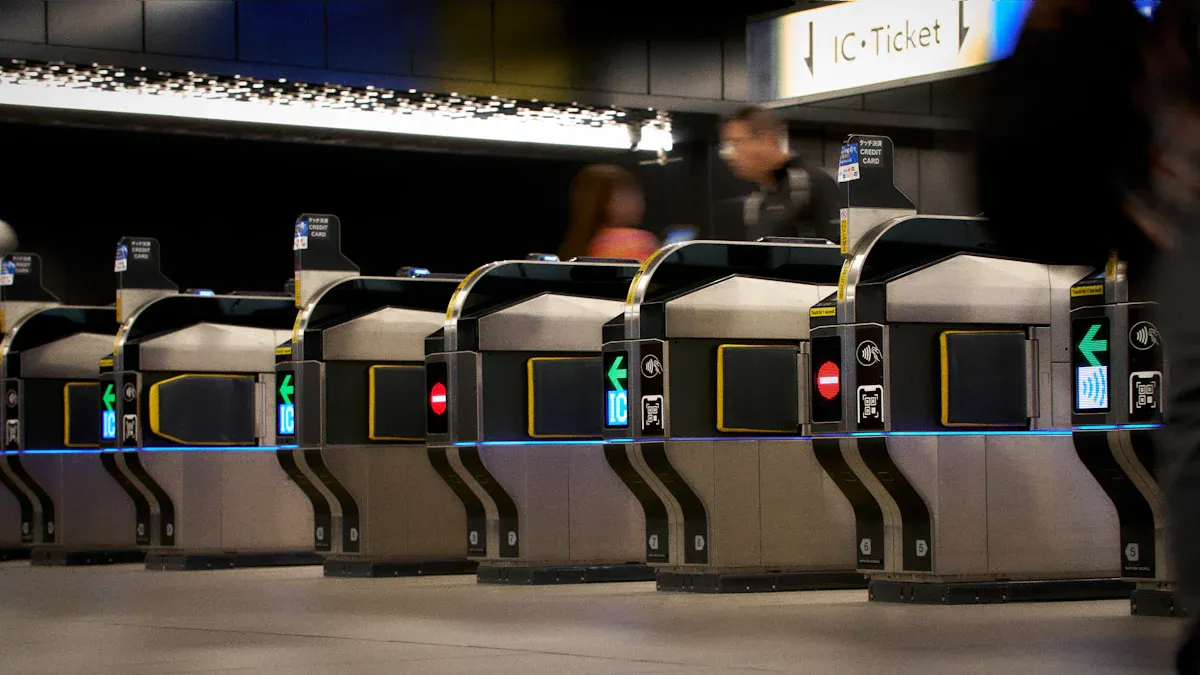
Busy travel hubs give great sales opportunities to store owners. Modern businesses use ai retail scenario analysis to make more money. This tool studies crowd actions, local weather, and event schedules. Station managers turn daily travelers into shoppers by using space better. Smart computer programs guide ai in retail strategies by predicting everyday passenger movement. Stores offer dynamic personalization to busy shoppers during their short wait times. Daily store data helps businesses make the most money from small spaces. Smart computer programs match product inventory with normal travel habits. Public transit authorities get more passengers to buy things in busy stations. Modern customers enjoy tailored experiences in every dynamic transit retail venue.
Key Takeaways
Smart AI systems watch how crowds move to put shops along busy walking paths.
Digital displays update shopping deals right away by using real-time train schedules and delay updates.
Smart vending machines help stores in busy train stations and airports make more money each month.
Privacy tools automatically hide human faces to keep passenger information safe while gathering data.
AI Retail Analysis in Transit Stations
Mapping Foot Traffic and Dwell Times
Smart computer programs drive ai retail analysis inside busy travel hubs around the world. Station management teams study complex crowd movements across open hallways by using special tracking systems. These tools measure the exact time travelers spend standing near store entrances. Predictive software reviews past movement records along with local event schedules. As a result, store managers prepare for sudden crowd surges caused by bad weather or train delays.
Clever ai tools turn simple location data into very efficient store arrangements. Station planning teams run crowd movement tests with digital maps of the terminal buildings. These tests demonstrate how smart layout planning stops dangerous foot traffic jams inside train stations. Store designers change shop details based on how fast passengers walk through the building. Ultimately, fast shopping trips help convert hurried travelers into paying customers.
Dynamic Mobility Scenario Analytics
Modern station managers use ai in retail areas to predict future store sales results. Advanced ai systems examine daily travel information to improve the use of available space. These smart programs connect public transit arrival times directly with real passenger location tracking. Automatic software changes complex operational numbers into simple business steps for station managers.
The table below outlines primary data inputs for operational intelligence:
Data Source Branch | Description | Specific Source |
|---|---|---|
Time-series passenger flow distributions | Information showing how crowd sizes change throughout the day. | Security video feeds set up across the main station building. |
Passenger mobility chain datasets | Information tracking the path and daily actions of individual travelers. | Movement tests carried out inside a digital model of the station. |
Public transport operational information | Information about train schedules, passenger limits, and railway operations. | The main electronic ticket system used at the station. |
System engineers review this gathered information with modern computer tools. Predictive data models show how schedule shifts change shopping habits across the station halls. Transit networks run ai scenario analysis before signing long-term store rental contracts. In addition, live data helps managers place digital display ads where they attract the most buyers. Store managers boost daily sales by showing helpful discount deals directly to active shoppers.
Predictive Spatial Optimization for Transit Retail
AI Models for Store Placement
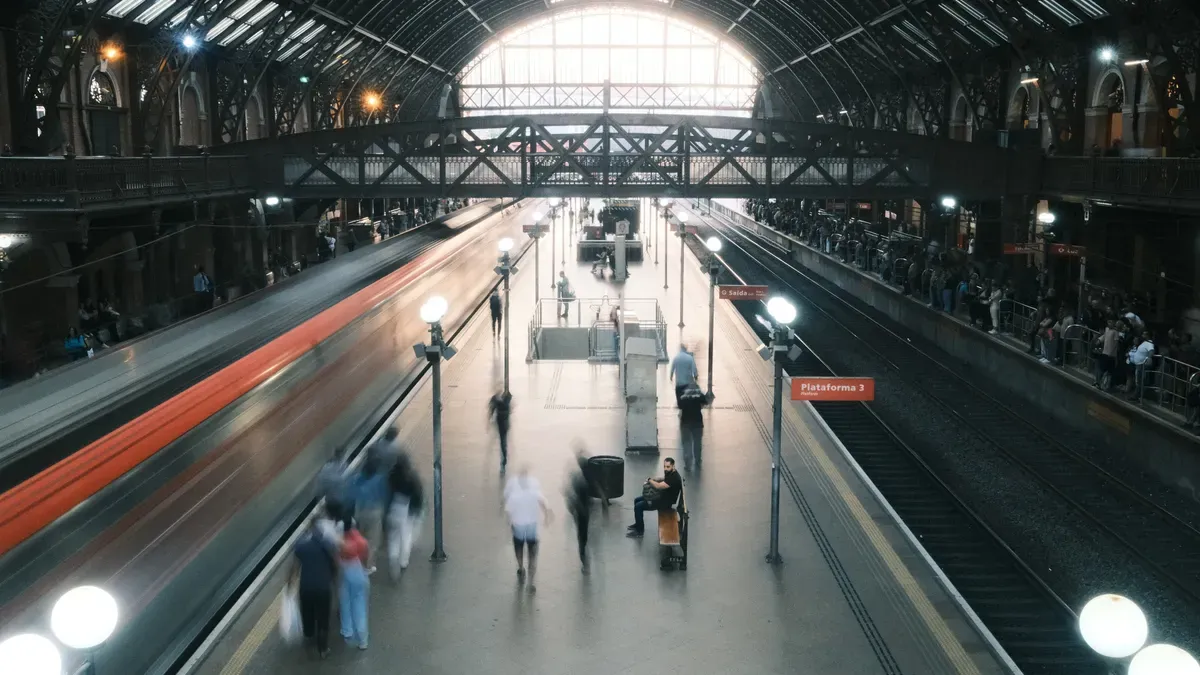
Transit leaders use smart computer codes to raise money inside station halls. Digital tools change simple location details into useful shop maps. System designers use these smart programs to organize available space:
Machine Learning (ML) Algorithms collect real foot step counts from sensors and phone applications.
Generative AI reads large travel records to make hard movement patterns easy to understand.
Dynamic POI Identification finds popular spots in crowded station halls as people walk by.
Heatmap Creation shows the exact number of walkers on specific station paths using colors.
Predictive Analytics checks old travel records to guess where crowds will go next.
Enhanced Spatial Analysis tracks how people walk between key spots to pick great store locations.
These software programs guide location choices without guessing how people move around. Managers place popular store types right next to natural walking paths. Smart computer codes check possible shop spots and stop nearby stores from selling the same items. This smart layout planning helps station shops turn more passing walkers into buying customers. Station leaders also use automatic systems to guess how much inventory stores will need every day. Accurate planning keeps store shelves full during unexpected train delays.
Commuter Demographics and Category Alignment
Station leaders match store items with walking crowds to sell more products. Advanced computer tools look at video from security cameras to learn about passing shoppers. AI tools guess customer details while keeping personal information completely safe.
Analysis Category | Operational Capability | Data Privacy Safeguard |
|---|---|---|
Demographic Profiling | Video tools guess age, gender, and group size by checking clothes and body shapes. | Systems run without using face scanning or phone tracking tools. |
Stream Processing | Cameras check if travelers walk by themselves or move together in larger groups. | Video programs blur human faces right away to follow strict privacy laws. |
Data Security | Local smart tools process video data directly without sending clips to outside clouds. | Routine security checks make sure systems follow all international privacy laws. |
Private customer details reveal what buyers like inside the main station hallways. Store owners get helpful tips to change their product displays during the work day. Morning travelers buy fast coffee drinks, but evening riders pick up ready dinner packages.
Smart inventory systems link daily store sales right to local storage buildings. Shop owners change product stocks when crowd sizes go up or down. Automatic programs send helpful stock lists directly to local store managers. Retailers match physical shop goods with what passengers actually want to buy.
Modern travel hubs improve daily work by using smart store systems. Matching products with nearby crowds helps store owners turn busy travelers into happy shoppers. Automatic systems show special digital store ads to matching customer groups. Using smart tools in station shops increases long-term building value for property owners. Smart space planning creates steady store growth across modern travel stations.
Real-Time Merchandising and Personalization
Schedule-Driven Merchandising Strategies
Busy train hubs give stores a chance to make extra money. Digital signboards show smart ads using live train arrival times to grab passenger attention. Electronic boards switch discount messages fast when delayed trains keep travelers waiting inside terminal lobbies longer.
Store owners use mobile plans to reach busy travelers during short breaks. Smart digital boundaries change shape based on live crowd shifts or local events. Detailed digital borders combine location info with customer habits to show very helpful deals. Timed digital boundaries launch special sales only during morning or evening travel hours. These smart methods send instant messages straight to active travelers.
Technique | Core Mechanism | Application to Commuters During Dwell Times |
|---|---|---|
Dynamic Geo-Fencing | Adapts boundaries based on real-time conditions. | Targets commuters waiting at transit hubs by activating offers precisely when dwell time occurs. |
Layered Geo-Fencing with Audience Insights | Combines location with demographic or purchase history data. | Delivers relevant offers by filtering commuters in a geo-fence based on known preferences. |
Time-Based Geo-Fencing (Dayparting) | Activates geo-fences only during specific hours or days. | Ensures offers load during relevant commute windows to maximize promotional relevance. |
Station bosses increase shop visits by linking electronic boards to phone apps. New touch screens show matching product ideas to nearby walking crowds. Instant smart deals bring quick help, changing rushed passengers into real store shoppers.
Automated AI-Powered Vending Systems
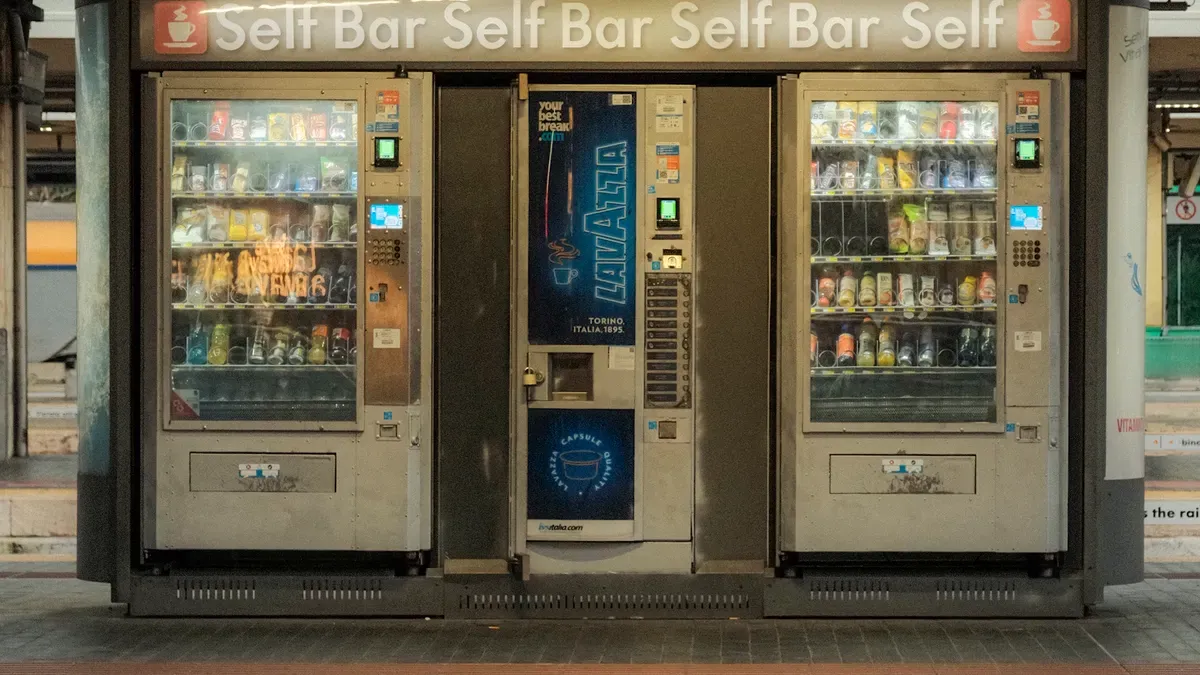
Newer stations install smart selling booths to handle endless daily crowds. Clever vending boxes use smart programs to change empty spots into active shopping areas. Computers constantly fix stock needs by studying local buying habits. Smart tools guess future sales using past buying trends and changing weather to stop empty shelves. Machine owners keep perfect supply counts across all selling boxes without making manual mistakes. Station planning programs use computer tools to watch supply shifts.
Top companies like PepsiCo use smart networks to arrange supplies while helping rushed shoppers. Modern machines show custom product choices right on touch screens. Smart machines change screen choices using customer details and past visit records. Buyers see tailored drink options based on their old shopping choices. Smart computer tools help store owners choose the best product mix for each spot. Busy stations depend on self-service shopping boxes to bring in steady profits.
Self-service sales tools bring proven money benefits compared to older options:
ROI Metric | Traditional Vending | AI-Powered Smart Vending (Transit Context) |
|---|---|---|
Initial Investment | $3,000 - $5,000 | $5,500 (for a typical model) |
Typical Payback Period | 12-18 months | 4-8 months for well-placed units |
Monthly Revenue Advantage | Baseline ($1,800) | 35-50% higher revenue per location |
Monthly Profit (Example) | $540 | $1,200+ |
3-Year Total Profit | $19,440 | $43,200 |
Daily Transactions | Not specified for transit | 50-100+ |
Average Sale Value | Not specified for transit | $5.50 |
Monthly Profit Potential (Transit) | Not quantified for transit | $3,000 - $6,000+ |
Station management teams set up smart vending groups to earn the most cash per floor space. Automatic boxes complete 50-100+ daily sales with a average spend of $5.50. Machines bring in $3,000 - $6,000+ monthly profit inside busy station halls. Smart computer systems figure out ideal prices and fix item counts automatically. Modern shoppers enjoy smooth buys, while station owners earn reliable income through non-stop sales. Automatic tools improve supply tracking across terminal paths to protect high earnings.
Implementation Roadmap and ROI Metrics
Phased AI Deployment Strategy
Transit managers add new computer tools in careful steps to reduce risks and protect daily train travel. Planning groups build strong basic setups before installing advanced tracking platforms.
Fix signs and station areas before buying expensive automated computer tools. Simple updates to station parking lots and road signs help smart systems work better in clean, clear spots. Keep personal data very safe to guard sensitive travel records. Use a long six to twelve month test period to spot and fix work problems easily.
Store owners use a clear schedule to add smart systems across all their shop locations:
Pilot Program (8–12 weeks): Special teams pick simple, useful tests to check smart computer programs during busy travel hours.
Key Pilot Activities: Workers complete helpful training, run real tests, improve daily plans, and save main computer notes.
Scaling Rollout (12–16 weeks): Property owners add working smart systems across whole station networks using set setup guides.
Critical Scaling Steps: Help groups offer expert training, open fast support lines, and add computer tools to daily jobs.
Continuous Improvement: Data groups run four checks a year to track work speed, watch store stocks, and update future plans.
Measuring Sales Conversion and ROI
Busy stations raise shop profits by connecting live computer data directly to automatic cash register tools. Station sensors count passing walkers, send location information to online databases, and track total sales right away.
AI-Driven Strategy | Core Mechanism for Improvement | Supporting Technologies & Examples |
|---|---|---|
Anticipate Store Traffic | AI analytics predict peak flow hours to optimize retail staffing schedules. | V-Count BoostBI increases conversion rates by roughly 10%. |
Reduce Queues and Wait Times | Real-time queue monitoring accelerates checkout processes for rushed passengers. | Frictionless checkout systems boost conversions by up to 20%. |
Improve Product Placement | Zone analytics identify high-traffic areas for strategic inventory forecasting. | Kroger AI layout planning increases cross-selling by 15%. |
Leverage AI for Personalization | Dynamic recommendations deliver tailored offers to shoppers during dwell times. | Personalized messaging platforms raise conversion rates by 5-15%. |
Shop owners watch product flow, space setup, and walker counts using connected computer screens. Smart data tools send automatic alerts for product stock needs, stopping empty shelves during major train delays. These helpful smart ideas raise buyer numbers, improve special deals for daily riders, and make future store planning much more accurate across all station shops.
AI retail scenario analysis bridges public transit operations with commercial revenue generation. Advanced ai software connects travel schedules directly to store foot traffic patterns.
Smart systems deliver essential business benefits for modern station owners:
Smart space plans turn unused terminal corners into high-earning store spots.
Precise choices match shop tenant groups with passing daily crowds.
Instant personal deals turn hurried travelers into regular store shoppers.
Transit operators and retail developers must adopt predictive AI frameworks today to maximize retail income and improve long-term passenger satisfaction across busy terminal networks.
Modern ai in retail tools guarantee superior station experiences for all traveling customers.
FAQ
How do computer vision models protect passenger privacy in high-traffic hubs?
Station video systems collect general crowd info without scanning faces or tracking personal phones. Local smart tools handle the video files on the spot. These tools cover up human faces instantly. This method guards traveler privacy while still giving clear details for store planning.
How does dynamic merchandising boost conversion during short dwell times?
Digital sign boards change special sales deals using live train schedules and delay updates. Linked phone apps set up smart location boundaries around station hallways. These systems send helpful personal deals right to waiting riders during short breaks, turning idle travelers into real store buyers before their train leaves.
What financial returns do automated selling kiosks generate for property developers?
Smart selling machines make thirty-five to fifty percent more monthly money per spot than older models. Well-placed machines pay back their full cost within four to eight months. Building managers use smart computer networks to increase extra income across open store areas.
What key data sources power predictive modeling in transit retail analytics?
Smart computer programs study security camera video streams, electronic ticket logs, and mock traveler movement tests. Modern analysis tools join old travel records with live schedule changes to help station teams pick store spots and handle product counts.
See Also
How The PARC At Tysons Turned Retail Into Community
Top Advantages Of Smart AI Combo Vending For Retailers Today
Comparing Micromarkets And Smart Stores In Global Automated Retail
How Time Out Corner Stores Change City Convenience Shopping
Discovering Top Neighborhood Corner Stores Just A Short Walk Away
