How AI Is Changing Consumer Behavior in Physical Stores

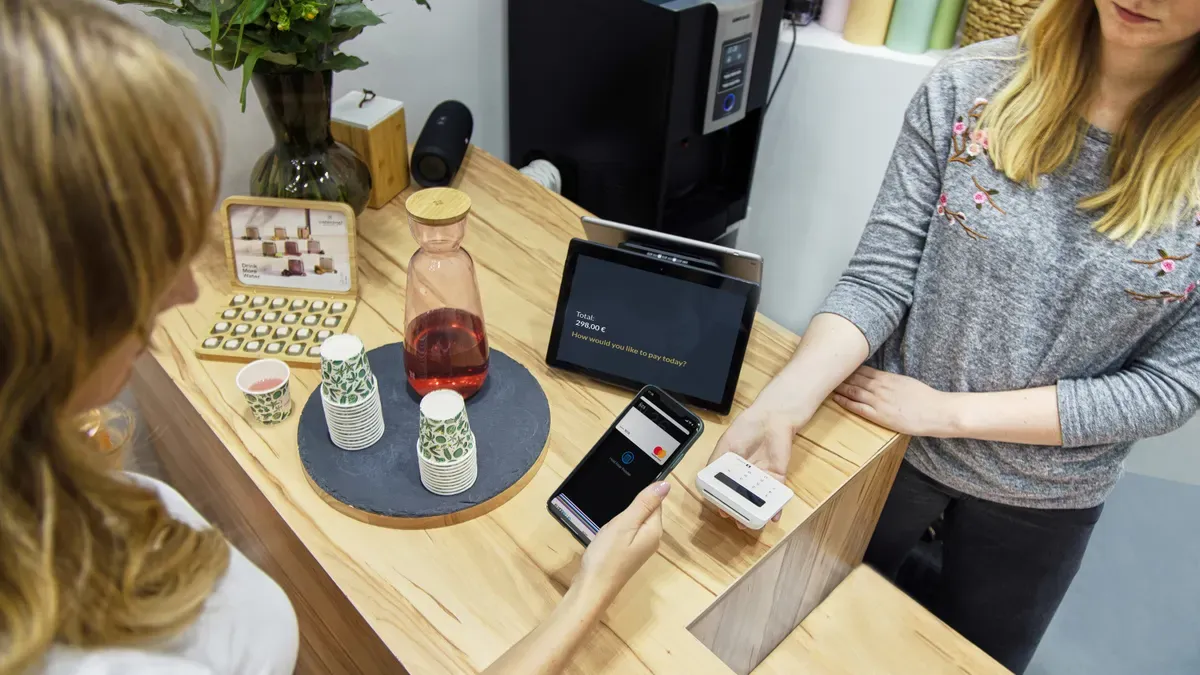
You stop by a shelf in 2026. Your phone buzzes with a special deal just for you. A store worker comes over, guided by an AI helper that already knows what you like. This is not a scene from a far-off future. It is happening right now in real stores.
One of the biggest AI trends is how AI is moving physical stores from fixed aisles to spaces that change. These spaces react to what each shopper likes, wants, and does. Two big changes shape how people shop today. You now expect in-store experiences made just for you. You also expect online and in-person shopping to feel smooth and linked.
In 2026, another key AI trend is that AI moves from testing to doing in regular brick-and-mortar retail. The stores that adapt will earn your loyalty.
Key Takeaways
AI makes stores react to you in real time. It sends deals to your phone based on what you touch and buy.
AI helpers answer your questions fast. They guide you to products and help workers serve you better.
Checkout becomes super quick with scan-and-go. You skip lines and often grab extra items.
AI keeps shelves stocked with your favorite things. It predicts what you need and avoids empty shelves.
Stores use AI to learn your habits. They change layouts and offers to make each visit smoother and more personal.
AI Trends in Retail in 2026: Personalized Store Visits
Walk into a store in 2026. Shelf sensors notice you pick up a jacket. Your loyalty app shares your size and past purchases. Your phone buzzes with a matching shirt at a small discount. This scene shows how artificial intelligence connects physical shelves to your digital profile. These ai trends reshape how retail works, and they change how you behave as a shopper.
Live Context Product Recommendations
Shelf sensors track which items you touch and how long you stand in one spot. The store's ai system combines that data with your loyalty app history. It then sends a real-time offer to your phone. You linger longer near the display. You compare options. You often buy more than you planned.
This approach powers personalized shopping experiences at scale. A shopper who pauses near running shoes might see a deal on socks. A parent near baby food might get a coupon for wipes. The store reacts to your live context, not a generic weekly ad. That shift is one of the top trends in retail & consumer goods. It turns browsing into a guided, personal journey.
Dynamic Pricing Aligned to Shopper Demand
Prices no longer stay fixed all day. AI-driven personalization lets stores adjust offers based on demand, time, and your loyalty tier. A quiet Tuesday morning might bring a deeper discount on fresh bakery items. A busy Saturday afternoon might show fewer markdowns. You see the price that fits the moment.
This is ai merchandising in action. The system learns from foot traffic, weather, and past sales. It sets prices that move inventory without training you to wait for clearance. For the retail industry in 2026, this means fewer wasted goods and happier customers. You feel rewarded, not manipulated, when the deal matches your needs. These retail tech trends and retail industry trends point to one clear lesson: personalization now happens in the aisle, not just online. That is why retail in 2026 looks so different from even a few years ago. The store watches, learns, and responds — and you feel the difference in every visit.
AI Assistants and Chatbots Improve In-Store Service
Agentic commerce changes physical retail. It removes the line between your phone and the store floor. AI agents act for you before you speak. They send product details to a store worker's tablet. They change a fitting room screen to match your size. The store becomes a place to try things. This is one of the biggest AI trends you will feel in 2026.
Virtual Assistants Help Shoppers in Real Time
You look for a laptop on your phone. The store's virtual assistant greets you by name when you walk in. A map opens on your screen. It points to the laptop you saw online. You follow the path to the display. A smart label shows a video review. You decide faster because the assistant takes away the guesswork.
Voice assistants answer while you stand in the aisle. You ask, "Do you have this in a smaller size?" The assistant replies through your in-app chat. It checks live inventory. It sends you to the right shelf or offers delivery to your home. Interactive kiosks show colors, stock, and a direct link to a store worker. These tools create in-store experiences that feel proactive. Agentic AI powers these virtual helpers. AI and agentic technologies turn your search into action. The result is personalized shopping experiences inside a physical store.
Conversational AI Answers Product Questions Right Away
Conversational AI handles questions you used to wait for a clerk to answer. You point your phone at a pair of sneakers. The chatbot compares material, fit, and price in seconds. It explains why one model suits wide feet. It tells you which aisle has your size. You simply ask, decide, and buy.
AI agents also help store workers. A worker gets an alert when you ask about a product online. By the time you arrive, the worker knows your question. The worker brings the right options. Bain & Company research shows that 30–45% of U.S. consumers use generative AI to research and compare products. Winning brands make themselves AI-discoverable. They structure product data so agentic technologies can recommend them. By 2030, agentic commerce could influence $1 trillion in U.S. retail spend.
Frictionless Checkout Becomes a Retail Standard
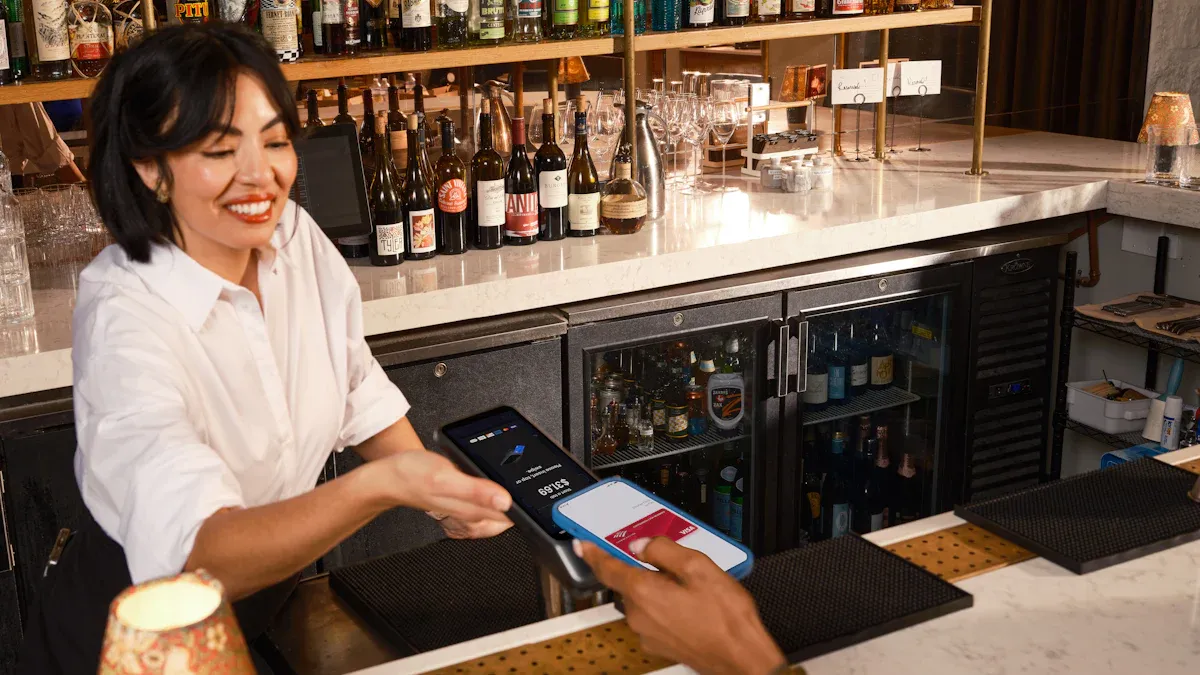
Checkout used to be the final waiting line. The retail industry in 2026 is investing heavily in artificial intelligence. This momentum fuels retail technology built to remove friction. These tools also change how you behave at the final step. Frictionless payment is no longer experimental. It is the new baseline for store visits.
Scan-and-Go Lanes Cut Customer Wait Times
Scan-and-go lanes put checkout in your hands. You scan items with your phone as you shop. You skip the staffed line entirely. Payment kiosks finish a transaction in approximately 15–20 seconds per shopper. A conventional staffed lane often needs 45 seconds or more. You pass through with near-zero perceived waiting time. This speed links to higher shopper satisfaction. It also drives more repeat visits.
This change affects your basket. Faster checkout frees you to add last-minute items. You grab a drink from the cooler. You toss a snack into your bag. Your basket ends up larger than planned. Basket composition shifts as shoppers feel less constrained by lines. Additional items appear in more store journeys. This is one way online and in-store customer experiences converge into a seamless omnichannel experience.
AI Payment Offers Boost Basket Size
Payment offers turn the final screen into a sales opportunity. The system reads your current cart. It suggests one complementary item before you pay. You see a coffee pod offer with a brewer. You accept a dessert discount with dinner ingredients. These AI trends make the last step feel helpful rather than rushed.
This approach reshapes what you expect from a store. Checkout becomes a moment of personalization. The same checkout tools that clear the lane also drive relevant offers. Each prompt stays simple. Each offer matches your cart. Payment now works as a loyalty tool, not a collection point. In-store experiences feel helpful from entry to exit. You leave with what you need. You also leave with one extra item that fits your trip. This is the new standard.
AI Inventory Management Strengthens Retail Operations
Good inventory control affects a store before you walk in. In 2026, AI trends make stock planning work in real time. You see fewer empty shelves, and your reserved item waits in the pickup locker. AI-driven inventory forecasting sits behind that experience. It learns from sales history, local events, and real-time demand.
Demand Forecasting Prevents Out-of-Stocks
Predictive models show retailers what you will buy next. They look at past purchases, weather, and local trends. They point out products that need more stock. McKinsey research shows the gains from this approach.
Metric | Improvement |
|---|---|
Supply chain errors | |
Lost sales and unavailable products | 65% fewer |
This accuracy also lowers running costs. Storage costs drop by 5–10%. Office costs fall by 25–40%. You notice it when the shelf has your size. The same prediction power stops over-ordering. Seasonal goods do not pile up in back rooms.
Automated Replenishment Syncs Store and Online Stock
Autonomous supply chains bring that accuracy to every aisle. They combine data from warehouses, trucks, shelves, and carts. Physical stores become fulfillment nodes. You buy online for pickup, or you ask the store to ship an item to your home. One shared stock view makes both options reliable.
Automated allocation rules choose where each order comes from. The system balances live store inventory, shipping costs, delivery speed, labor, and long-term goals. It may clear seasonal stock from one region or save stock for a channel that earns more. These choices repeat thousands of times each day. This is inventory management at scale.
AI tools also adjust restocking for each region. The same AI updates stock levels on its own. An East Coast store may keep winter coats longer. A West Coast store switches to lighter items sooner. You rarely see a “not available” message.
That combination changes how stores run. You shop with confidence because the store planned ahead for you. The store feels ready, and you feel cared for.
Immersive AI Experiences Redefine Store Discovery
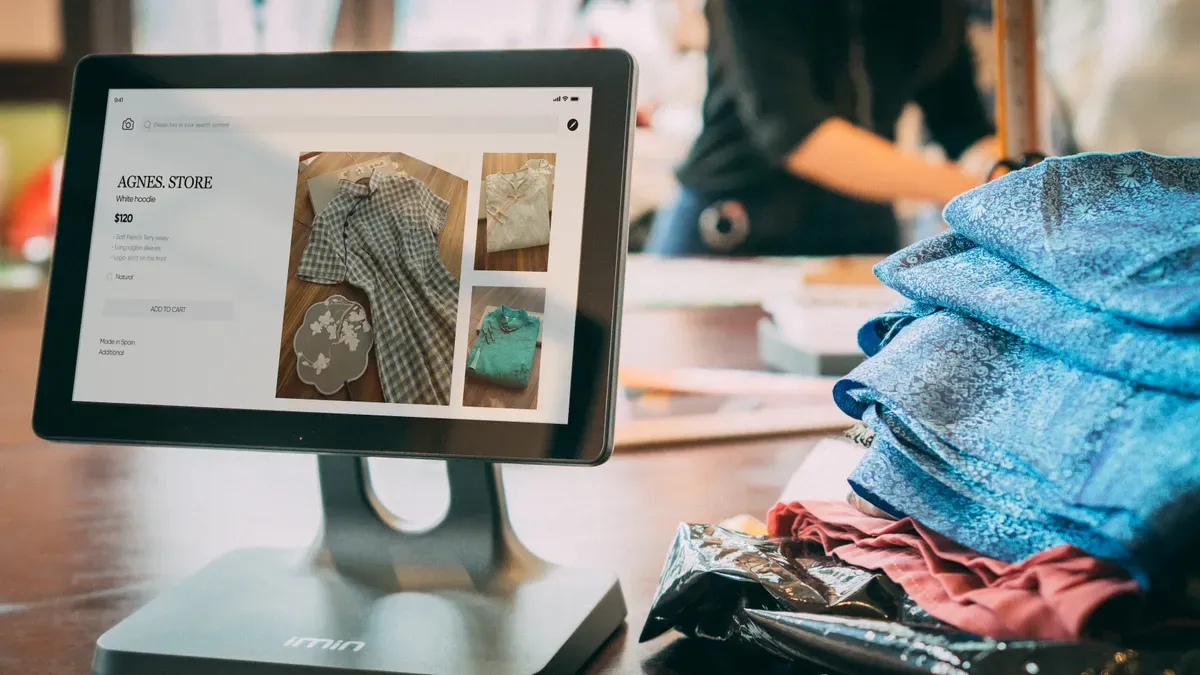
Looking at shelves no longer stops when you grab a product. Immersive tools let you explore a digital version before you buy. Stores with AR try-ons, smart mirrors, and interactive displays turn shopping into a journey of discovery. By 2026, these experiences shift from tech demos to normal store features.
Augmented Reality Try-Ons Speed Decisions
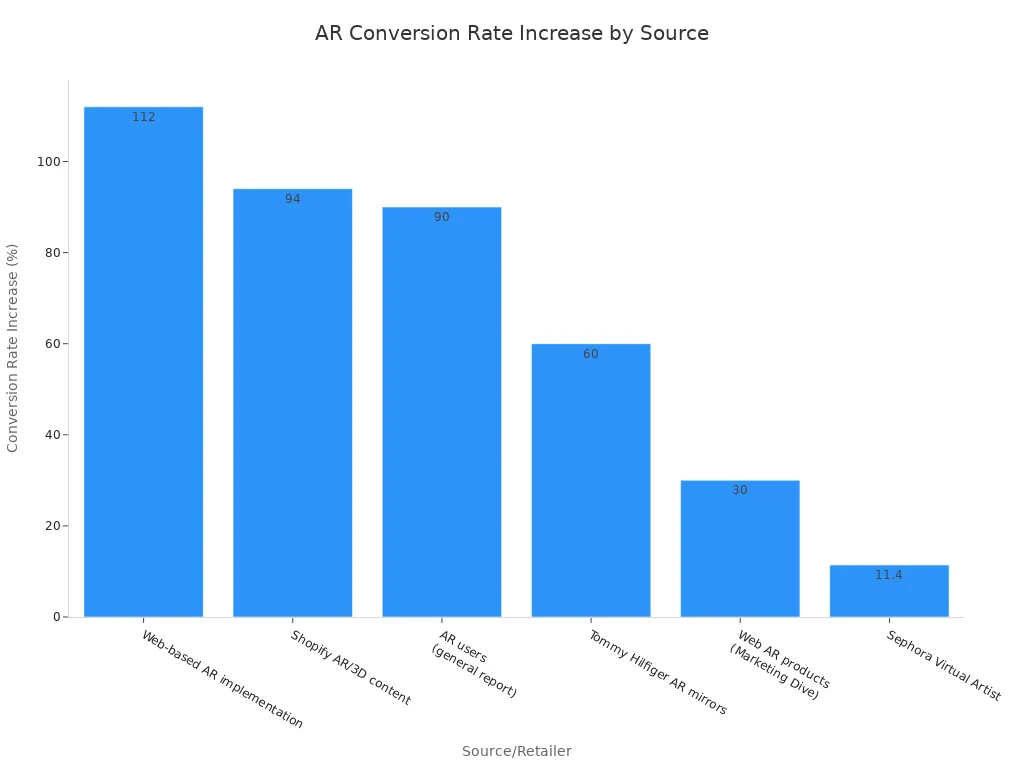
Augmented reality removes the biggest problem in physical retail: doubt. Sephora's Virtual Artist tool increased conversion rates by 11.4%. Tommy Hilfiger's AR mirrors drove a 60% rise in try-ons and foot traffic. The same pattern holds across retail: AR gives shoppers confidence to purchase without hesitation. You compare options in seconds and walk to the register with confidence.
Nike's AR-powered sneaker try-on shows the same idea. Point your phone at a shoe display, pick a model, and the app puts it on your foot. That mix of digital and physical shopping creates an interactive space. You spend less time guessing and more time deciding. This is AI at its most useful moment inside a store.
Interactive Displays Drive Spontaneous Purchases
Static shelves lose their pull over time. You walk past them without noticing. Interactive displays keep your attention at the point of sale. Short videos, QR codes to demos, and touchscreens invite you to take part. Investing in immersive experiences directly impacts key metrics: it increases store footfall, improves conversion rates, strengthens brand recall, and generates word-of-mouth marketing. Retailers like IKEA and Sephora use AR to let shoppers "try before they buy," giving them confidence to purchase without hesitation. These in-store experiences turn unplanned stops into regular habits. Product discovery becomes a two-way talk between you and the shelf. For retail leaders, every screen, mirror, and kiosk turns attention into action.
Predictive Analytics Shapes the Retail Industry in 2026
Predictive analytics is not stuck in test labs anymore. In 2026, it powers daily store work. Retailers use foot traffic heatmaps, past purchases, and behavioral data to change store layouts and product mixes right away. This change is a clear step from testing to real use in retail in 2026.
Store Layouts Adapt to Behavioral Data
Heatmaps show where shoppers walk, stop, and pass by. Stores use that data to put high-margin items on busy paths. They take away shelves in the way. AI-driven space planning in stores optimizes how and where products are placed within physical store layouts. Good floor planning can raise sales per square foot; better layouts can lift sales. Even moving shelves without changing products can increase sales. These gains add up across sections. You feel the result: a smoother, more helpful store visit.
AI Learning Loops Anticipate Shopper Preferences
An AI system creates feedback loops that learn from every visit. It tracks what you buy, what you skip, and when you return. Then it changes product placement and stock for your next trip. This is AI-driven personalization at the store level.
The business case is strong. McKinsey research shows AI-based demand forecasting reduces supply chain errors by 20–50% and cuts warehousing costs by 5–10%. With unified real-time stock management, inventory costs can fall by 20–30%. Companies with precise forecasts are more likely to grow revenue year over year. The same models deliver a 65% boost in efficiency by reducing lost sales and unavailable products.
Metric | Statistic |
|---|---|
Supply chain error reduction | 20–50% |
Warehousing cost reduction | 5–10% |
Inventory cost reduction with unified real-time stock management | 20–30% |
Efficiency boost (fewer lost sales and unavailable products) | 65% |
By 2026, 80% of marketing interactions are expected to be AI-driven, reflecting consumer expectations for personalized, seamless engagement. AI makes that expectation real inside physical stores. The store learns, adapts, and serves you better on each visit.
AI now shapes every part of your store visit. Finding products, getting help, checking out, tracking stock, and earning rewards all feel different. The physical store no longer stays the same. It learns and changes for you every time.
In 2026, retail keeps moving toward agentic ai. AI agents will do more tasks for you. Agentic technologies will run self-operating supply chains. Even deeper personalization will come next.
The future of retail comes down to one simple choice. Treat ai as a customer experience strategy. Do not treat it as a back-office tool. Stores that put shoppers first will always earn your loyalty for many years to come.
FAQ
How does AI personalize your store visit in 2026?
Shelf sensors and your loyalty app work as a team. They track what you pick up and how long you stay. Then the store sends a deal to your phone right away. You see offers that fit your size, your past, and your current trip.
What role do AI assistants play inside a physical store?
AI assistants help you while you shop. A virtual helper shows you the way to a product you looked at online. Voice tools and in-app chat answer your questions right away. Store workers also get AI alerts, so they meet you with the right choices ready.
Why does frictionless checkout matter for shoppers?
Scan-and-go lanes cut your wait down to seconds. Faster checkout lets you grab last-minute items, so your basket often gets bigger. Payment screens also suggest one extra item that fits. You leave fast, and you leave with more of what you need.
How does AI inventory management affect your shopping trip?
Predictive models keep shelves filled with your size and favorite items. Automated replenishment keeps store and online stock in sync. You almost never see a "not available" message. Pickup and delivery both work because one shared stock view powers every order.
What can you expect from predictive analytics on your next visit?
The store learns from every trip you take. Heatmaps and purchase history shape layouts and where products go. Over time, the store knows what you like before you ask. Each visit feels smoother, more useful, and more personal than the last.
See Also
Why Artificial Intelligence Makes Retail Stores Thrive In The Future
Exploring How Advanced AI Tools Reshape E-Commerce Store Management
Understanding Why Retailers Must Embrace AI Powered Convenience Stores
How Micromarkets And Smart Stores Shape Automated Retail Operations Worldwide
Electronics Vending Machines Transform Modern Retail Using Smart Technology
