The Next Era of Physical Stores: How Computer Vision AI Revitalizes Store Operations

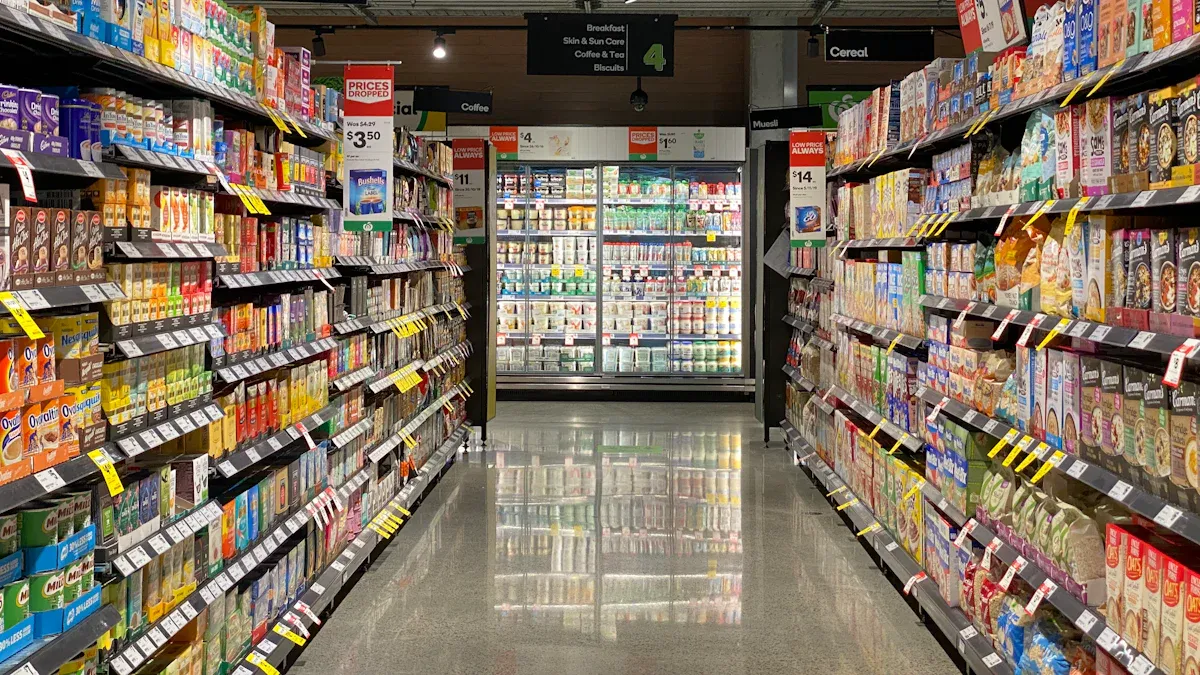
Physical store owners lose a lot of money daily. Out-of-stock items hurt sales all the time. Messy shelves ruin the look of the store. Extra workers raise costs without making more money.
New AI trends change how stores handle products. Computer vision turns simple cameras into smart tools. AI reads live video right from store cameras. These cameras spot empty shelves and missing items fast. Managers get quick alerts to restock items right away. This tech shifts store work from fixing to predicting. Stores earn more money by fixing labor and shelves.
Key Takeaways
Smart cameras scan shelves all the time. They tell workers to restock missing items fast.
Computer vision watches checkout lines automatically. The system tells managers to open new registers. This cuts down wait times for customers.
AI software catches unscanned items at checkouts. This smart tech stops store theft easily. It also protects store profits.
Local store servers process video data safely. The software hides faces to protect customer privacy.
Current AI Trends Restructuring Brick-and-Mortar Retail
Tech sales for physical stores are growing fast. Experts think sales will jump huge by 2030. New tech changes how physical stores run. Store owners use modern ai trends now. This helps fix store work and grow money. These ai trends change old stores into smart hubs.
AI Market Growth Projection (Retail Sector)
2024: $11.61 Billion  [████]
2030: $40.74 Billion  [███████████████]
New software links store items to video feeds. Bosses use ai to link store teams. Smart video data gives quick item updates to managers. So, these ai trends turn video into real tasks.
Edge Infrastructure for AI in Retail
Local tech checks video right inside the store. Store servers run computer vision models right there. They do not send video to distant clouds. This local setup saves time and speeds up work.
Key Operational Advantage: Local edge computing ensures instant processing, lowers bandwidth costs, and maintains operational uptime during internet outages.
Store owners use local devices to run stores smoothly. This tech setup boosts store power and saves work. Using ai in retail helps move data fast. Also, these new ai trends spot shelf problems fast. Local stores get full ai transformation by updating hardware.
Spatial Intelligence and Automated SKU Tracking
Spatial tech tracks every item on store floors. Smart cameras map shelf spaces using spatial intelligence. These tools spot misplaced items and bad prices fast.
Camera systems check each shelf unit all day.
Software spots wrong items on its own.
Phone alerts send staff to fix shelves fast.
Owners use ai-powered tools to check stock fast. Workers get phone alerts when stock gets low. This full ai-driven transformation upgrades old physical stores. Store teams skip manual checks using smart spatial maps. Finally, store owners keep total visual control over stock. Leaders use ai in retail to guide new trends. Normal brick-and-mortar retail stores earn more money today. Executives see visual tech as vital for brick-and-mortar retail work.
Computer Vision in Inventory and Shelf Management
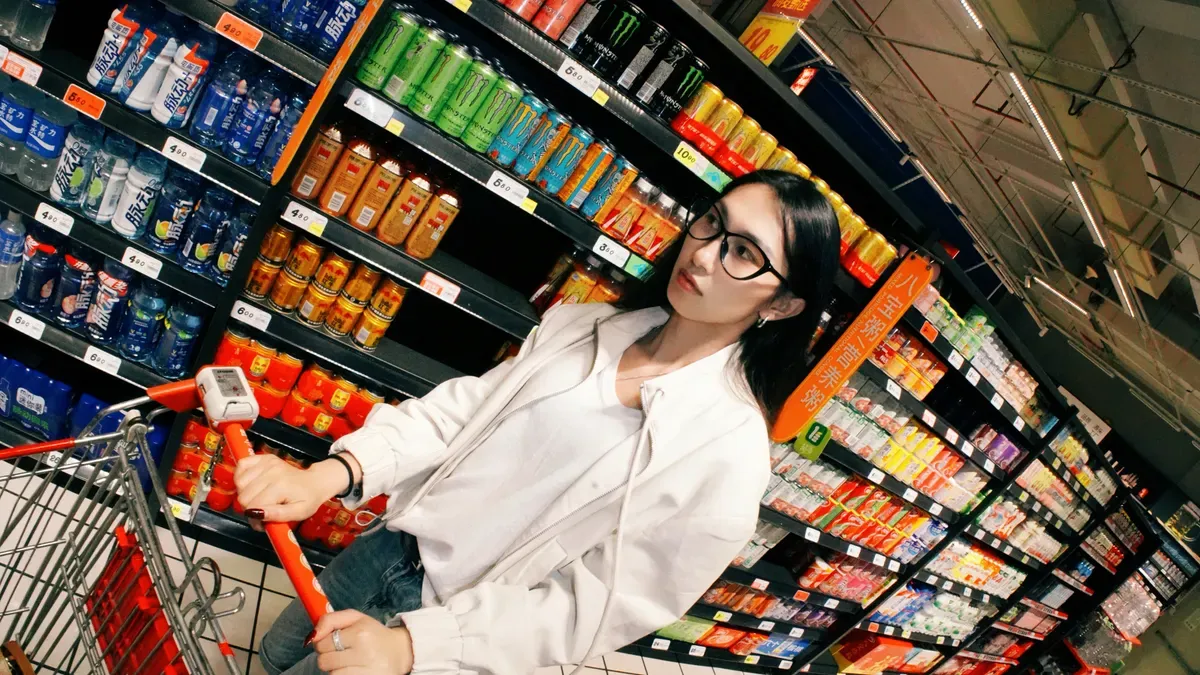
Managing product availability needs constant floor care. Old manual shelf checks waste labor time. Human checks miss misplaced goods and gaps. Stores use smart cameras for stock tracking. These camera networks watch shelves all day. The system alerts teams when gaps show. Store teams improve stock control without extra workers.
Real-Time Out-of-Stock and Planogram Tracking
Camera networks change quiet displays into live feeds. Top sensors scan shelves during store hours. Smart software finds empty spots on shelves. The software matches live images to designs. The system finds missing items and bad tags.
Store teams get quick mobile stock alerts. Staff fix shelf errors before shoppers leave. The table shows the fast camera speed:
Method | Detection Time | Typical Correction Lag |
|---|---|---|
Under 90 seconds | Fast resolution before exiting the aisle | |
Manual Audit (Same Visit) | Real-time during inspection | Minutes, but limited to human visual awareness |
Manual Audit (Next Visit) | Periodic / Delayed | 4 to 7 days average delay |
Auto scanning speeds up task response times. Fast fixes save sales from upset buyers. Workers fix shelf issues early each day. Smart execution keeps store brands looking great.
Integrating Spatial Data with Inventory Demand Forecasting
Smart cameras capture deep spatial data daily. Visual sensors watch how buyers pick items. Tools track shelf time and restock speeds. Store platforms send data to main systems.
Linking spatial data with supply systems helps sales predictions. Systems check store health using data points:
Telemetry Inputs: Tracks live stock, sales speeds, and buyer habits.
External Data Fusion: Mixes store data with weather, events, and prices.
Operational Synchronization: Turns shelf data into clear orders and shipping plans.
Mixing store video data with smart tools updates orders. Modern stock systems process these key signals:
Real-time Data Integration: Combines live shelf data with old sales logs.
Multi-Factor Analysis: Checks sales deals, local habits, and seasonal shifts.
Precision Outcomes: Cuts extra stock and stops product runouts fast.
Smart prediction stops big extra orders. Managers keep stock rooms clean and shelves full. Adding visual data to prediction models sets great reorder points.
Case Study: Reducing Stockouts in High-Volume Supermarkets
A large supermarket chain added cameras in fifty stores. The chain lost dairy sales during peak hours. Manual checks missed fast sales drops. Store managers needed smart tools to track items.
The grocer put small camera modules along busy aisles. The system watched shelves and sent alerts. It mixed store data with weather forecasts. Rain alerts started early morning food restocks. Sun forecasts added more grill food stock fast.
The new tech brought quick results to stores:
Key Operational Outcome: The supermarket chain reduced out-of-stock events by 42% within ninety days. Stock replenishment speeds increased significantly, saving store workers over twelve hours of manual shelf auditing per week.
Managers changed slow restocks into smart tasks using visual data. Staff spent less time searching for items. Auto systems stopped stock losses in big stores. Leaders added cameras to two hundred more stores. Visual tools build strong perks for modern stores. Managers use smart cameras to run profitable stores. This store tech sets high work standards.
Workforce Optimization and Traffic Analytics
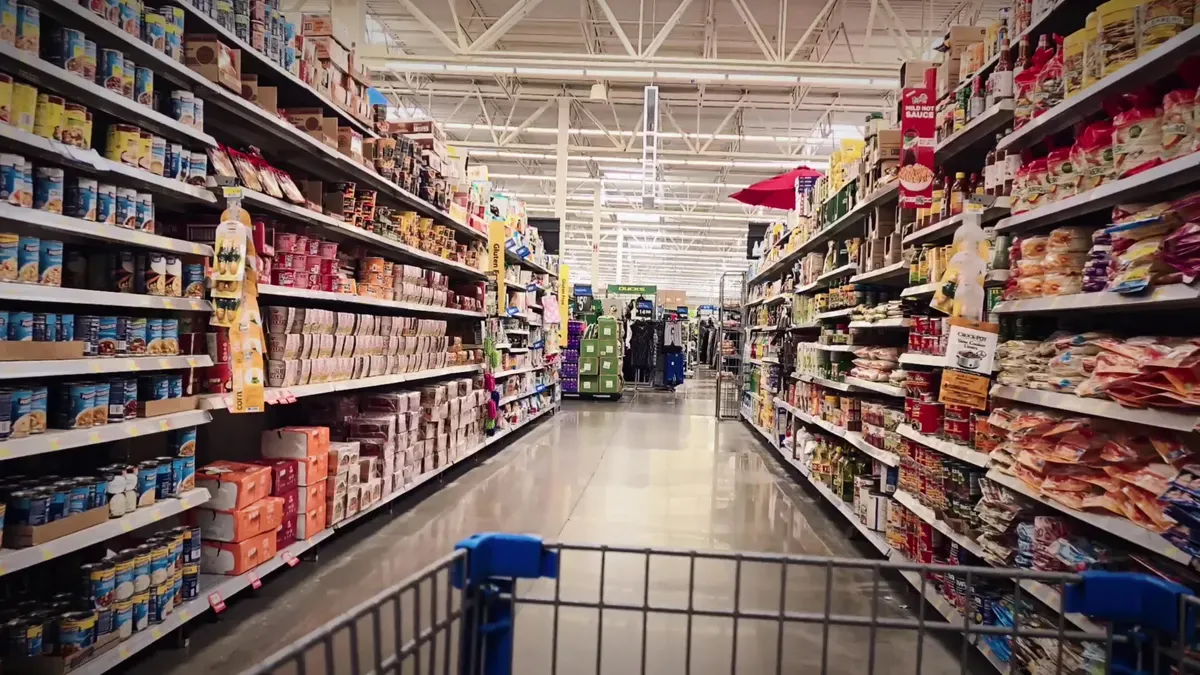
Physical store networks need balanced staff models. They need smooth shopper foot traffic flow. Store operations teams often use fixed schedules. Modern store systems process live video now. They optimize staff tasks automatically.
Heatmap Analytics and Customer Footfall Tracking
Overhead cameras map shopper foot traffic well. They track movement across store sections. Video analytics spot top product displays. These displays grab high shopper engagement. Store managers link visual metrics with sales. This data helps test floor layouts. Managers refine retail merchandising tactics easily.
Data from high-traffic zones guides item placement. Staff position top items for clear visibility. Retailers make weak sections profitable fast. They use clear spatial data for layouts. The table shows key heatmap metrics:
Store Design & Placement Metric | Heatmap Insights & Impact |
|---|---|
High-Value & Bottleneck Zones | Spot busy hot zones for key items. Fix crowded paths for smooth flow. |
Dwell Time & Merchandising | Spot active areas for top stock. Find cold spots that need new light. |
Promotional Performance | Give quick feedback on seasonal displays. Boost sales conversion by 25% or more. |
Computer vision tracks every customer path. It works without saving private images. Systems see where buyers pause to shop. This visual data shows real browsing time. Designers use ai-driven insights for layouts. Good layouts build a better store layout. They elevate the normal shopping experience fast. Store teams add personalized elements at displays. Good placement improves total store personalization. Planners design displays for a personalized shopping experience.
Dynamic Queue Management and Front-End Labor Allocation
Long checkout lines hurt customer satisfaction scores. Computer vision models watch register areas daily. Modern software tracks customer wait times. Systems use computer vision and ai-based analytics. They predict line lengths and speed workflows. They decrease customer waiting duration by 30%.
Queue management tools boost front-end labor. They use three clear work methods:
Predictive Demand Forecasting: Mixes past traffic with live metrics. It predicts customer surges for fast labor fixes.
Real-Time Staff Reallocation: Tracks lane use and line growth. It moves staff to active registers fast.
Cross-Zone Labor Agility: Uses dynamic foot-traffic insights. It shifts workers from quiet zones fast.
Store operations win with automated lane checks. Fast checkout speeds keep shoppers happy. Managers use alerts to move flexible workers. An ai system predicts long lines early. Staff give direct support at register bays. These quick fixes boost customer experiences. Automated software creates an enjoyable shopping environment.
Case Study: Elevating Conversion Rates in Department Stores
A big department store added optical sensors. They placed them in three major stores. The stores had low sales conversion rates. Yet, total shopper footfall stayed high. Management needed clear views of store patterns.
The store deployed ai edge nodes fast. The system processed video streams continuously. It alerted staff when buyers paused long. Customers stood by pricey clothes for minutes. Nearby staff got alerts on tablets. Workers moved fast to help shoppers directly. An ai-powered tablet app guided store workers. It showed live stock data instantly. This quick work created a personalized shopping journey. Staff helped buyers find matching clothes fast.
The visual system watched fitting room areas. It also tracked main service desks. The platform checked efficiency with a formula: conversion rate = total purchases / total customer visits x 100. The floor plan brought quick sales gains:
Operational Impact Note: The main stores grew sales conversions by 14%. Long dwell times turned into quick sales. Staff response times dropped under ninety seconds.
The smart system helped staff serve buyers. Store managers set schedules using footfall patterns. Staff gave personalized experiences on sales floors. Stores use smart cameras for better buyer visits. This visual strategy cuts labor costs fast.
Loss Prevention and Asset Protection Frameworks
Stores lose huge money from lost items. Smart camera systems now track store floors. Smart software spots theft right away.
Automated Anomaly Detection at Self-Checkout
Self-checkout spots bring high safety risks. Open registers lead to missed scans. Smart ai vision systems check register feeds. Smart cameras check items during scans.
Theft Tactic | Visual Sensor & AI Mechanism | Cross-Verification Method | System Action |
|---|---|---|---|
Non-Scanning / Skip-Scanning | AI cameras track goods past scanners fast. | The system checks items in bags without scans. | Quick alerts show fast un-scanned items. |
Barcode / Ticket Swapping | Embedded cameras match item shapes with sales data. | Weight sensors check bag weights against target data. | Systems find mismatches between cheap tags and goods. |
Software matches item looks with checkout data. The system watches how shoppers move.
Point-of-Sale Integration: Video links to POS logs to find fake scans fast.
Behavioral Movement Analysis: Visual tools watch shopper actions to spot theft moves.
Real-Time Automated Insights: Smart tools catch odd moves right away.
Scanners flag unbagged goods before shoppers leave. This fast fix stops unexpected losses fast.
Mitigating Sweethearting and Organized Retail Theft
Worker theft and stealing gangs hurt profits. Cashier sweethearting means staff help friends steal. Organized gangs steal whole shelves fast. Computer vision fights both risks at once.
Target Threat | Vision-Based Methodology | Technical Mechanism |
|---|---|---|
Cashier Sweethearting | POS-Video Sync & Computer Vision AI | Syncs video with logs to stop fake scans. |
Organized Retail Crime (ORC) | Behavioral Tools, Face Reading & LPR | Tracks fast shelf sweeps and bad cars fast. |
Special cameras watch cashier spots all day. The network flags bad scans and open drawers. Smart tools spot people waiting near shelves. Security teams get phone alerts fast.
Case Study: Shrink Reduction in High-Density Outlets
A big city store faced high theft. Managers put ai sensors in key zones. The system tracked items on expensive racks. Cameras watched every move near private shelves.
Key Loss Prevention Metric: The store cut lost stock by 38% fast. Security stopped theft in under two minutes.
Store bosses tracked results with easy math. They calculated shrink reduction = initial losses minus final losses divided by initial losses x 100. Auto alerts helped guards stop store thieves. Stores kept expensive items safe and open.
Enterprise Architecture and Implementation Roadmap
Upgrading CCTV Networks vs. Native Sensor Deployment
Store bosses pick hardware for ai systems. Upgrading old security cameras saves money. Edge tools link directly to old cameras. Retrofitted gear runs ai models at low costs. New visual sensors offer better image precision. Modern sensors have built-in ai units inside. These units stream sharp images in low light. Bosses compare setup costs against image precision.
Edge-to-Cloud Integration with ERP and WMS
Digital updates need clean alignment across store systems. Local edge servers check video with ai software. These edge nodes send quick stock metrics directly. Enterprise Resource Planning systems get structured metadata fast. Warehouse Management Systems get stock updates at once. The network updates stock levels on its own. Managers read simple reports to guide stock orders. Clean setups help leaders make fast data-driven choices. Systems mix local edge speed with central cloud power.
Consumer Data Privacy and Regulatory Compliance
Camera networks must follow privacy laws like GDPR and CCPA. Modern systems protect buyer identity with smart tools:
Real-Time Automated Blurring: Systems blur human faces on video feeds fast.
Privacy-Preserving Analytics: Stores track shopper paths without saving personal video.
Avoid Default Facial Recognition: Systems track body moves instead of facial maps.
Aggregate Demographic Metrics: Stores group basic age data without naming individuals.
Metadata-Centric Retention: Systems delete raw video within ninety days.
Edge Processing: Local tools process data so private video stays in-store.
Transparency and Governance: Stores post clear camera signs near front doors.
Stores use privacy rules to build buyer trust fast. Good data rules ensure full legal compliance daily.
Smart cameras change store work completely. They check items and stop theft fast. They also help store workers do better. This tech turns old security into fast systems. These smart tools increase store sales and profits.
Transformation Journey
[Legacy Video Feeds] ➔ [Edge Computer Vision AI] ➔ [Proactive Store Operations]
Store leaders should check their old cameras now. They can follow simple steps to start well:
Pick Goals: Pick two tasks like watching lines or shelf gaps. Use existing cameras.
Pick Stores: Test the tools in five stores first.
Assign Owners: Pick a team leader for daily work.
KPI Category | Metric Type | Specific KPI Examples |
|---|---|---|
Financial Outcomes | Lagging Indicators | Cut theft loss, saved sales, better profit |
Operational Execution | Leading Indicators | Alert accuracy, worker speed, finished tasks |
Smart local tools give store brands big advantages.
FAQ
How fast can computer vision detect out-of-stock items?
Computer vision scans shelf video streams all day. Smart code finds missing items super fast. It takes less than 90 seconds total. The tool sends quick alerts to store staff. Fast staff fixes stop lost retail sales.
Does computer vision AI require replacing existing security cameras?
Implementation Tip: Old camera setups often run modern visual tools without buying new hardware.
No. Stores attach ai edge units to old cameras. This simple setup turns old video into live store metrics. Stores update visual systems without buying expensive new cameras.
How do stores protect customer data privacy with computer vision?
New systems process store video on local servers. The ai program blurs human faces right away. Tools track spatial metrics and shopper paths easily. They do not save personal video or real user identities.
Can computer vision improve checkout line speeds?
Yes. Optical sensors watch checkout line lengths all day. The system predicts busy spots for store teams. It tells managers to open more cash registers fast. Smart queue control cuts buyer wait times a lot.
See Also
Reasons Artificial Intelligence Driven Retail Outlets Define Tomorrow's Shopping
Crucial Insights For Retailers On Growing Smart Local Shops
Revolutionizing Digital Shop Operations Using Smart Automation Software Solutions
Transforming Traditional Retailing Through Automated High Tech Gadget Dispensers
Launching A Low Cost Smart Neighborhood Market Without Big Capital
