The Essential Guide to Compliance Requirements for Airport Smart Stores


Running an airport smart store means following many strict compliance requirements. These compliance requirements go beyond normal store rules. They include TSA security rules, ADA rules for kiosks, and data privacy standards. The Air Carrier Access Act requires that at least 25% of automated kiosks be accessible. Operators must set up a self-inspection program that meets TSA rules. Not following the compliance requirements can lead to big fines. This guide explains the exact steps operators must take. Topics include physical security, biometric consent, and concession lease agreements. Operators must understand TSA security regulations and other compliance requirements they must follow. The path to following these compliance requirements is clear, but operators must act now.
Key Takeaways
Make sure you follow TSA and FAA security rules to keep your store safe and avoid fines.
Get clear permission to use biometric data. This respects customer privacy and follows the law.
Set up at least 25% of kiosks so that all travelers can use them, following the ADA rules.
Know your concession lease to avoid fines and keep your business.
Check your store often and teach your team. This helps you follow the rules and keep up with new ones.
TSA and FAA Compliance Requirements
Physical Security for Airport Smart Stores
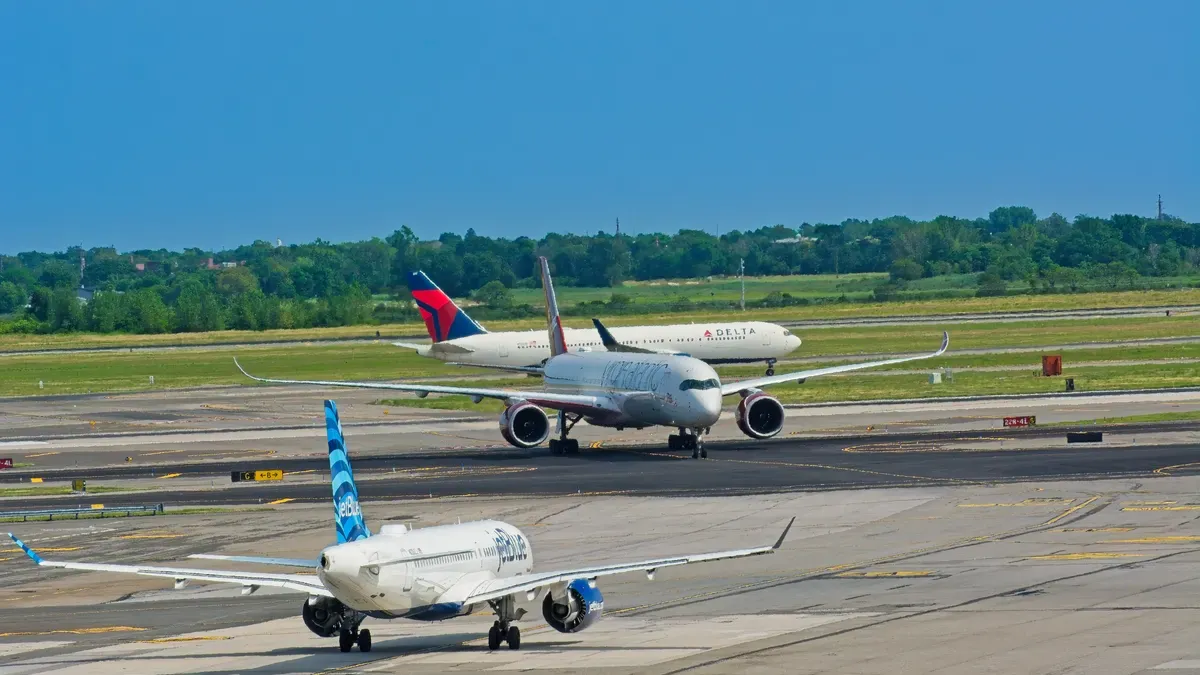
Airport smart stores are in secure areas. These areas must follow strict federal rules. TSA security regulations set the security rules for airports. Any worker who needs to go in alone must prove who they are. They also must pass a fingerprint-based check of their criminal past. TSA security regulations require this check before anyone can enter a secure zone. Workers must also finish security training. TSA security regulations demand this training for all staff with access. Store owners must keep careful records of all this.
Physical security borders must meet TSA rules. Fences, gates, and lights all must follow these rules. The airport operator must run a self-inspection program. This program checks for safety and security problems. It includes smart store areas. TSA security regulations require this self-inspection program. FAA compliance rules also guide these checks. Safety management systems help airports find risks early. These systems help keep security high in all terminal shops.
Cybersecurity and IoT Systems
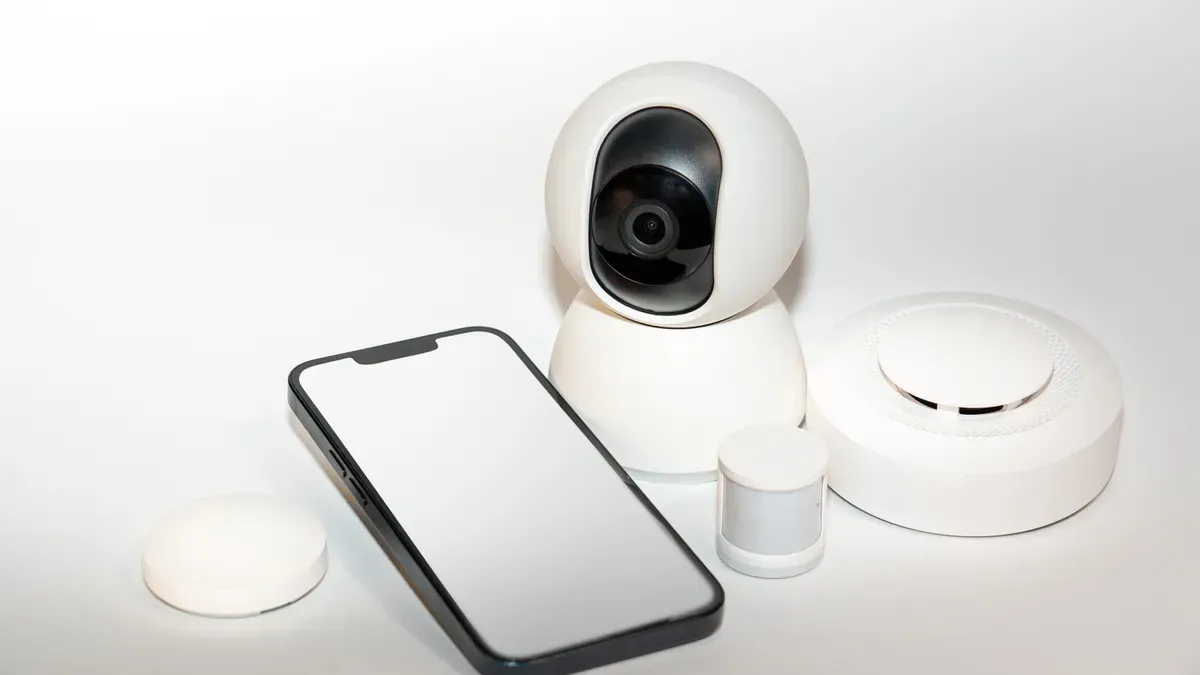
Smart stores use devices that connect to the internet. Cameras, sensors, and self-checkout machines all link to a network. Each device can be a way for hackers to get in. A break-in could steal payment info or camera video. Operators must protect every connected system. Strong passwords and regular software updates are the first defense. Keeping store devices on a separate network from airport systems limits damage if an attack happens.
The FAA and TSA want operators to report cyber attacks. A hack in an airport smart store can affect flights. Operators should make a plan for what to do when an attack happens. This plan says who to call and what steps to take. Staff need training to spot fake emails and strange device behavior. Rules for cybersecurity get stricter every year. Operators who ignore them risk fines and losing access. Regular checks of all IoT systems keep airport smart stores safe.
Data Privacy for Airport Smart Stores
Biometric Data Consent and Collection
Smart checkouts in airport smart stores often use facial recognition and fingerprint scans. These tools make payments faster and improve security. They also create serious data privacy standards duties. The CCPA and CPRA control how businesses collect biometric data in California. The GDPR sets similar rules for travelers from Europe. Operators must tell customers exactly what data they collect and why. Consent must be clear, specific, and freely given. A vague sign near a kiosk does not meet these data privacy standards.
Purpose limitation is just as important. Operators may not use biometric data for marketing. They also cannot share it with third parties without fresh consent. Legal teams should match notices, consent flows, retention limits, and deletion methods with GDPR, CCPA/CPRA, and new state biometric laws. Several U.S. states now have biometric privacy statutes. These laws explicitly name facial recognition in retail and transit settings. Kiosk deployments must also address PCI DSS v4 migrations for unattended payment and EMV/acquirer mandates. These rules add another layer to the compliance requirements for any smart store operator.
Breach Notification and Vendor Agreements
A data breach at an airport kiosk can expose thousands of travelers. Operators must report breaches quickly under CCPA and GDPR. Notification timelines vary by jurisdiction, so legal counsel should map every applicable rule. Strong vendor agreements are the first line of defense. Contracts must require vendors to report incidents fast. They must protect data with encryption and accept liability for failures. Vendors who handle biometric data need clear retention and deletion schedules.
Operators should also audit vendor security practices before signing. TSA security regulations do not directly govern data privacy. But they shape the security culture at airports. Staff training on breach response and device monitoring supports both physical and digital protection. Regular reviews of vendor contracts keep data privacy standards current as laws evolve.
ADA and EAA Compliance Requirements
Physical Store and Kiosk Design
Airport smart stores must follow strict accessibility rules under the ADA and the Air Carrier Access Act. The ACAA kiosk rule says at least 25% of automated kiosks in each airport location must be accessible. This applies to each group of kiosks and to stand-alone kiosks. In a group of five kiosks, at least two must be accessible. A single stand-alone kiosk must be accessible by itself. The rule applies by location, not just airport-wide or terminal-wide. Accessible kiosks must offer all the same functions as inaccessible kiosks at that location.
Physical design must follow the 2010 ADA Standards for Accessible Design. Operable parts must sit between 15 and 48 inches above the finished floor. Maximum forward reach is 48 inches, and maximum side reach is 46 inches where applicable. Controls must work with one hand without tight grasping, pinching, or twisting of the wrist. Kiosks need enough clear floor space for a forward or parallel approach. Nearby walls, furniture, or other obstructions must not block access.
Digital Interface Accessibility
Digital interfaces must serve all travelers. Kiosks should support text-to-speech, dual input methods (touch and voice), multilingual support, and hearing assistance features like closed captioning and looping systems. Screen readers, high-contrast colors, large fonts, and alt text help users with low vision. Tactile controls, Braille labels, and vibration feedback give alternatives for users who cannot rely on touchscreens alone. Clear, jargon-free language and intuitive navigation reduce confusion for everyone.
Proposed provisions affect airlines under 14 CFR part 382 and airports with 10,000 or more enplanements. These rules treat accessibility as an ongoing compliance requirement, not a future deadline. Operators of airport smart stores must keep accessible kiosks in working condition and make sure they are visually and tactilely identifiable. Passengers with disabilities who request an accessible kiosk must get priority access to any available accessible kiosk.
Retail and Concession Compliance
Pricing, Tax, and Fee Rules
Airport smart stores must obey normal retail laws. Price gouging rules stop operators from raising prices during emergencies or busy times. Sales tax collection rules are different in each state and city. Operators must sign up with tax authorities and pay the right amount. Fee disclosures matter when stores sell last-minute travel items. If a smart store sells baggage-related products, operators must show all fees clearly. Hidden charges break consumer protection laws.
Airport Lease Agreements and Operating Rules
Smart stores run under airport concession leases. These agreements set operating hours, product limits, and revenue sharing. A lease may require a store to open before the first flight and close after the last arrival. Product limits control what operators can sell. Some airports ban certain items near security checkpoints. Revenue sharing percentages differ by airport and retail category, and are typically defined in the concession agreement.
Operators of airport smart stores must know every clause in their lease. Minimum annual guarantees require payment even when sales fall short. Percentage rent applies when gross receipts go above the guarantee. Lease terms also cover maintenance, insurance, and compliance requirements. TSA security regulations shape security duties within these agreements. Operators who break lease terms risk fines or losing their concession rights.
Ongoing Compliance Management
Regular Audits and Self‑Inspections
Airports want compliance all the time, not just once. The airport operator runs a self-inspection program that must cover smart store conditions. This program checks physical security, kiosk accessibility, and device health on a set schedule. Operators of airport smart stores should do the same with their own internal audits. Regular walkthroughs can catch broken kiosks, blocked accessible paths, or unpatched devices before an inspector finds them. FAA compliance guidance and safety management systems give airports a way to find risks early. Smart store operators should join that same system.
Not staying compliant comes with real costs. The TSA raised its maximum civil penalties for certain violations. Other TSA violations also saw increases. Penalties can reach significant amounts depending on the entity. Enforcement can also bring compliance orders, withheld federal funding, or informal resolution.
Staff Training and Airport Coordination
Staff training keeps security compliance and data privacy standards alive. Every worker with unescorted access must finish security training under TSA security regulations. Refresher courses should cover biometric consent rules, breach reporting steps, and ADA kiosk protocols. New hires need this training before they touch a kiosk or enter a secure zone. Records of all training must stay current and ready for review.
Working closely with the airport authority matters just as much. Rules change, and TSA security regulations updates or new state biometric laws can change what operators must do. Regular meetings with the airport's compliance team help operators hear about changes early. Operators should pick one person to track every compliance requirements update and share it with staff. This cycle of audits, training, and coordination keeps smart stores running without fines or lost access.
Operators must implement strong physical and cybersecurity measures. They must comply with ADA kiosk ratios. Securing data privacy standards through proper biometric consent is essential. Understanding concession lease obligations prevents costly penalties. These actions address the core compliance requirements for airport smart stores.
Compliance requires ongoing work. Regular audits catch problems early. Staff training keeps protocols current. Open communication with airport authorities helps operators adapt to new rules.
Operators should download a compliance checklist or consult an aviation-retail specialist. These actions prevent fines and lost access privileges.
FAQ
What is the 25% accessible kiosk rule?
At each airport spot, at least 25% of automated kiosks must be accessible. This rule counts by location, not for the whole airport. Every stand-alone kiosk must also be fully accessible. Accessible kiosks must do the same things as regular ones.
What penalties apply for TSA compliance violations?
TSA fines can be substantial, with maximum penalties varying by violation type and entity size. Cases against large companies can reach significant amounts. Operators also face compliance orders or lost federal funding. Serious violations can cost them their concession rights.
Do smart stores need customer consent for biometric data?
Yes. Smart stores that use facial recognition or fingerprint scans must get clear consent under CCPA, CPRA, and GDPR rules. Operators cannot use biometric data for marketing. Sharing data with third parties needs fresh permission from each customer.
What is a minimum annual guarantee in a concession lease?
A minimum annual guarantee is a set payment operators must make no matter what sales are. This payment protects airport revenue when sales fall short. Operators pay percentage rent only when gross receipts go above the guarantee amount.
How often must operators conduct self-inspections?
Airports want compliance all the time through regular self-inspection programs. These programs must cover smart store conditions, physical security, and kiosk accessibility. Operators should run regular internal audits to catch problems before official inspections happen.
See Also
Artificial Intelligence Driven Retail Shops Represent Tomorrow's Shopping Revolution
Comparing Micro Markets And Smart Stores In Global Automated Convenience Retailing
Walmart's Self Service Checkout Policies And Their Upcoming Changes In 2025
Growing Trend Of AI Enabled Neighborhood Stores Every Retailer Should Understand
Examining Walgreens Self Checkout Systems Benefits And Difficulties In Stores
