A practical guide to meeting compliance requirements for airport smart stores

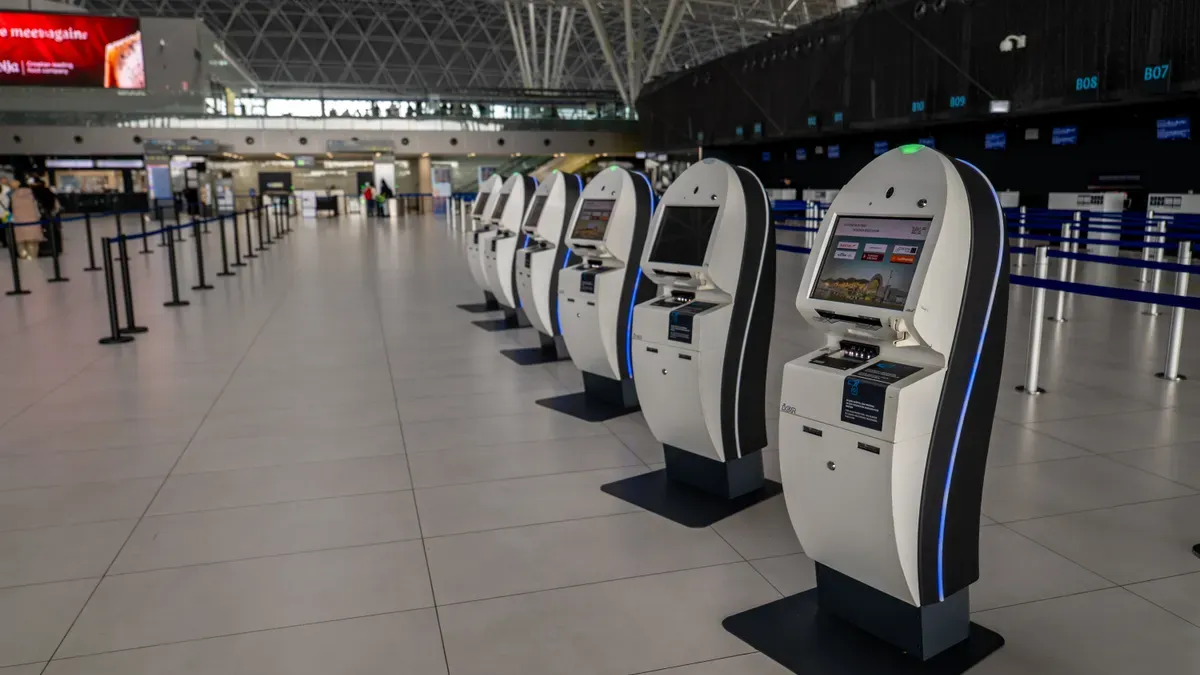
To operate airport smart stores, you must adhere to strict compliance requirements. It's essential to ensure your store is secure, protect customer data, and guarantee that everyone can access your technology. Proper documentation is crucial to demonstrate that you meet all compliance requirements. By following these guidelines, you build trust with travelers and airport partners, showcasing your responsibility and maintaining the efficient operation of your store.
Key Takeaways
Always follow security rules from the FAA and TSA. This helps keep your store safe. Update your security plan often. Train your staff on these rules.
Protect customer data with strong encryption. Follow data privacy laws like GDPR and CCPA. Check vendor agreements often to make sure you follow the rules.
Make sure your store is easy for everyone to use. Follow ADA and EAA guidelines. Put in accessible kiosks. Train staff to help customers with disabilities.
Keep good records of audits and checks. Review them often to find problems fast. Fix issues quickly to make inspections easier.
Work with airport authorities and teach your staff about compliance. Train your team often so everyone knows what to do.
Core Compliance Requirements for Airport Smart Stores
Airport smart stores must meet compliance requirements. You need to focus on security, data privacy, accessibility, and retail rules. Each area has its own rules. You must follow the airport compliance program and keep good records. This section tells you about the main compliance areas and how to meet them.
Security Compliance and FAA/TSA Standards
Security compliance keeps your store and airport safe. You must follow the FAA Airport Compliance Manual and TSA Part 1542 rules. The airport compliance program asks you to write a security plan. You need to set clear boundaries and control who enters. Credentialing is important for staff and badge holders. TSA Part 1542 lists steps to keep your store secure.
Tip: Update your security plan often and train your staff on airport security.
Here is a table with key TSA Part 1542 requirements:
Requirement Code | Description |
|---|---|
1542.103 | TSA must approve your written Airport Security Program (ASP). |
1542.201 | Access control systems must work at all entry points. |
1542.205 | Secured areas must be clearly marked and kept safe. |
1542.207 | Screening checkpoints must control access to sterile areas. |
1542.209 | Badge holders must have fingerprint-based criminal history checks. |
1542.303 | TSA Security Directives must be followed in set timeframes. |
You must follow these rules to meet airport sponsor assurances. Credentialing makes sure only approved staff enter secure areas. TSA Part 1542 says you must keep records and update your compliance plan often. Airport security checks your security plan and records during inspections.
Data Privacy Standards and Legal Obligations
Data privacy standards keep passenger information safe. You must follow federal and international rules. The compliance program asks you to use strong encryption and be clear about data collection. GDPR and CCPA have strict rules for airport smart stores. You need to store data safely and limit who can see it.
Note: Check your vendor agreements to make sure they follow data privacy standards.
You must include data privacy standards in your compliance plan. Credentialing helps you control who can see sensitive data. TSA Part 1542 also covers cybersecurity in the security plan. You must update your compliance plan when data privacy laws change. Airport sponsor assurances say you must protect passenger data and report any breaches.
Accessibility Laws and EAA Compliance
Accessibility laws help everyone use your store. You must follow ADA and EAA rules. The compliance program asks you to install accessible kiosks and technology. ADA Section 707 covers teller machines and fare machines. The Air Carrier Access Act says at least 25% of kiosks must be accessible.
Here is a table with main accessibility laws:
Law | Description |
|---|---|
Americans With Disabilities Act (ADA) | Requires accessibility for teller machines and fare machines, with rules under Section 707. |
Air Carrier Access Act (ACAA) | Says 25% of kiosks installed after December 12, 2016, must be accessible, with rules for character size, color contrast, and speech output. |
The DOJ made a rule under ADA Title II on April 24, 2024. You must meet WCAG 2.1 A/AA standards.
Organizations have two to three years to meet these requirements.
You must include accessibility in your compliance plan. Credentialing helps you train staff to help customers with disabilities. Airport sponsor assurances say you must give equal access. TSA Part 1542 checks your compliance during inspections.
Retail and Federal Regulations
Retail rules cover product labeling, pricing, and sales tax. You must follow federal retail rules and airport rules. The compliance program asks you to keep good records and follow airport sponsor assurances. TSA Part 1542 covers retail operations in secure areas.
Here is a table with main retail regulations:
Compliance Area | Description |
|---|---|
Federal Retail Regulations | Must follow rules for product labeling, pricing, and sales tax set by airport and local authorities. |
Data Privacy Standards | Must follow GDPR and CCPA, be clear about data collection, and use strong encryption. |
Accessibility Requirements | Must follow ADA rules, making sure all customers, including those with disabilities, can access your store. |
You must include retail rules in your compliance plan. Credentialing makes sure staff know sales rules. TSA Part 1542 says you must follow airport security rules for retail operations. Good records help you show compliance during audits.
Reminder: Review your compliance plan often and update it when rules change.
You must meet all compliance requirements to run your store legally. The airport compliance program, FAA Airport Compliance Manual, TSA Part 1542, and European Accessibility Act guide you. Credentialing, records, and regular updates keep your store safe and easy to use.
Airport Security and Safety Compliance
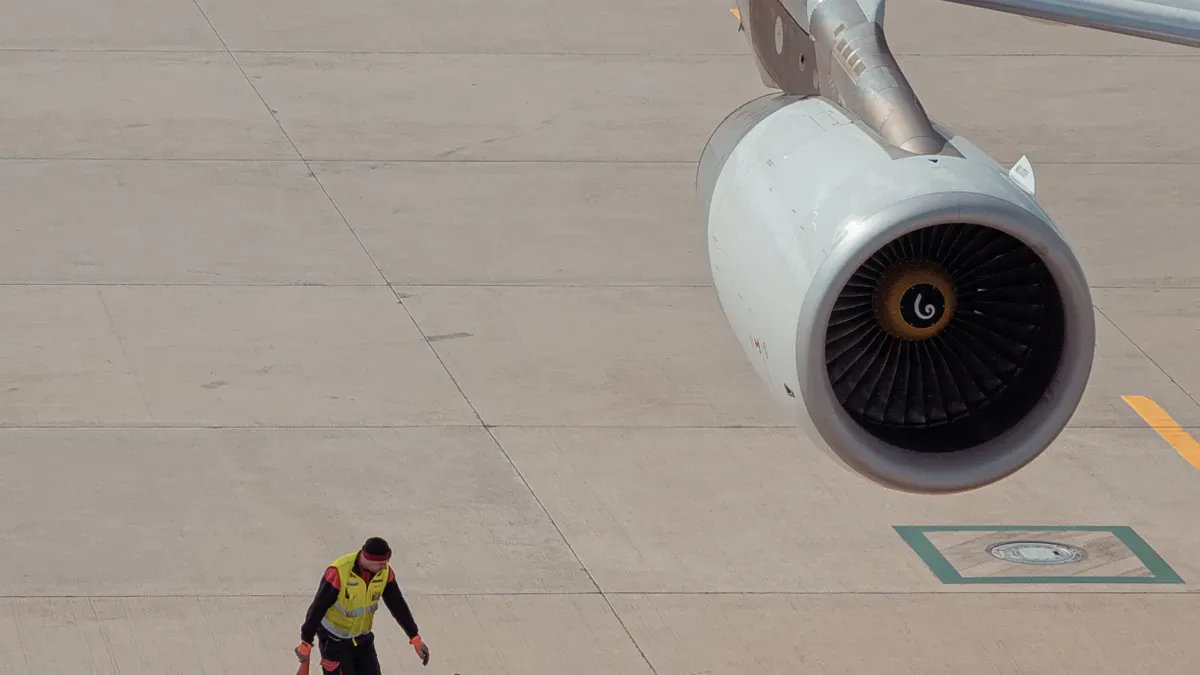
Physical Security Boundaries and TSA Inspections
You need to make clear security boundaries for your smart store. These boundaries help you control who comes in and goes out. Good access control keeps your store safe. Use things like fences, walls, and bollards to block entry. Put in sensors that tell you if someone tries to break in. Cameras help you watch what happens in your store. Use access control at all gates and doors. Turnstiles and checking credentials let only approved people enter. Check the outside of your store often and do regular inspections. TSA will check your security plan and your access systems. Always keep good records for every check and incident.
Physical Barriers: Fencing, walls, bollards
Intrusion Detection: Sensors, video analytics
Surveillance: Cameras with monitoring
Access Control: Gates, turnstiles, credential checks
Cybersecurity Protocols for Smart Stores
You need to keep your store safe from cyber threats. Good security rules protect your data. Use firewalls and sensors on your network. Encrypt all passenger and aircraft data. Only let some people see private information. Update your software often. Teach your staff to spot fake emails and report problems. The table below shows important cybersecurity rules for airport security:
Description | |
|---|---|
Secure airport networks | Use firewalls, intrusion detection, and audits |
Safeguard passenger and aircraft data | Encrypt data, secure storage, strong access control |
Enhance physical security measures | Protect areas, regular security audits |
Implement robust access control | User authentication and authorization |
Regularly update software | Patch systems to fix vulnerabilities |
Conduct employee training and awareness | Teach staff to spot threats and follow security protocols |
Emergency Procedures and Safety Management
You need to be ready for any emergency. Make clear emergency steps for your smart store. Train your staff to handle fire, medical, or security problems. Practice drills so everyone knows what to do. Good access control helps you manage crowds in an emergency. Keep records for every emergency. Tell airport security about each incident and follow the rules. After every emergency, check your plan and make it better.
Equipment Maintenance and GIS Integration
You need to keep your equipment working well. Use GIS to track your equipment all the time. This system helps you find problems fast and make work orders right away. Quick repairs help you follow airport security rules. The FAA and TSA want you to do regular checks and maintenance. The table below shows some important rules:
Regulator | Inspection Item | Frequency | Verification Standard |
|---|---|---|---|
TSA | Screening equipment uptime & calibration | Daily start-up, monthly calibration | BIT test result, calibration certificate |
GIS helps you do checks and repairs automatically. This helps you avoid delays and keeps your airport security strong. Always keep records for every check and repair.
Data Privacy Standards in Smart Store Operations
Passenger Data Handling and Storage
You must keep passenger data safe in your smart store. You collect names, payment info, and travel details. Store this data in a safe way. Use strong passwords and encryption to protect it. Only a few people should see private data. Teach your staff to follow privacy rules. Write down every step you take. If you lose data or it gets stolen, tell someone right away. You must follow airport rules and update your privacy plan often.
Tip: Check your data storage every month. Find problems and fix them fast.
International and Federal Data Regulations
You must follow strict data privacy laws. These rules come from many places. The table below shows the main rules and what they mean for airport smart stores:
Regulation | Impact on Airport Operations |
|---|---|
GDPR | You must update old systems and use cloud tools. You can get big fines if you lose data. |
Cybersecurity mandates | You need strong systems to handle passenger data. The rules change a lot. |
ICAO guidelines | You must work with others in aviation to fix cyber problems. |
Check your systems to make sure you follow these rules. If you work in Europe, follow GDPR. If you work in the US, follow US privacy laws. Always keep your privacy plan up to date.
Vendor Agreements and Compliance Costs
You need to pick vendors who follow privacy rules. Compliance costs are different for each airport. Here is how costs change for vendors:
Large airports need strong checks and good management. They have lots of passenger data.
Medium airports want easy and cheap solutions. They use cloud tools to follow privacy rules.
Small airports want simple tools with clear prices. They need fast setup and must follow GDPR.
Check vendor agreements to make sure they keep data safe. Ask vendors to show proof they follow the rules. Review agreements every year to keep your store safe.
Accessibility Compliance for Airport Smart Stores
ADA and EAA Requirements for Kiosks
You have to make sure your kiosks follow accessibility rules. The Americans with Disabilities Act (ADA) says kiosks must work for everyone. This includes people with physical challenges. The law does not allow discrimination in public places. About 19% of people in the United States have a disability. So, kiosks should be easy for all customers to use.
The European Accessibility Act (EAA) has new rules for airport kiosks. After June 28, 2025, all new kiosks must meet these standards. The rules cover things like banking, transportation, and retail. Old kiosks can stay for up to 20 years. But new kiosks must follow the new rules. The EAA helps over 100 million people in Europe with disabilities. You need to make new kiosks accessible from the start.
ADA: Kiosks must work for all customers.
ADA: No discrimination against people with disabilities.
EAA: New kiosks must follow standards after June 28, 2025.
EAA: Rules cover banking, transportation, and retail.
EAA: Old kiosks can stay for up to 20 years.
Tip: Always keep your paperwork updated to show you follow ADA and EAA rules.
Inclusive Technology and Staff Training
You should use technology that helps everyone. Airports use apps like Transreport’s Passenger Assistance app. This app lets passengers ask for help before they get to the airport. It makes travel easier for people with disabilities. Heathrow Airport teaches staff to help people with hidden disabilities. Some examples are dementia or other conditions. Staff learn from classes made by the Alzheimer’s Society. This training helps staff give better service.
Airports also use smart city technology. There are special signs and on-demand services for British Sign Language translators. These tools help travelers move around the airport easily. When you train your staff and use helpful technology, you make your smart store friendly for everyone.
Ongoing Compliance Management

Regular Audits and Reviews
You have to check your smart store often to follow the rules. Regular audits help you find problems early. Plan to do audits every three months. Use a checklist to look at security, data privacy, and accessibility. Write down everything you find in your audit records. These records help you prove to airport officials that you follow the airport compliance program.
Tip: Keep your records ready for audits. This makes inspections faster and easier.
Airport officials will look at your records during inspections. They want to see that you fix problems fast. If you find a problem, write down how you fixed it. Good records show you care about safety and following rules. You can use a table to keep track of what you find and what you do:
Audit Area | Findings | Action Taken | Date Completed |
|---|---|---|---|
Security | Door left open | Fixed lock | 03/10/2024 |
Data Privacy | Weak password | Updated policy | 03/12/2024 |
Accessibility | Broken kiosk | Repaired screen | 03/15/2024 |
Staff Education and Collaboration with Authorities
You need to teach your staff about the airport compliance program. Hold training every month. Use real stories to help staff learn what to do. Staff should know how to spot and report problems. Working with airport officials helps you learn new rules and tips. This teamwork helps you get ready for inspections.
Join meetings with airport operations and maintenance teams. These groups share news and advice. If you have questions, ask airport officials for help. They can explain new compliance rules. When you work together, your smart store stays safe and legal.
Note: Check your training plan every year. Update it when rules or technology change.
You can meet compliance requirements by following simple steps. Use digital workflows to keep your documents neat. Inspection templates help you stay organized. Set up audit trails with timestamps for all maintenance. Automated reporting helps you follow OSHA and environmental rules.
Compliance Aspect | Actionable Steps |
|---|---|
FAA Part 139 Compliance | Use digital inspection templates and workflows. |
Audit Trails | Add timestamps for every maintenance activity. |
Automated Reporting | Use modules for OSHA and environmental reports. |
Keep checking your store for accessibility. Install assistive technology to help everyone. Ask passengers for feedback about your store. Ongoing compliance management builds trust and keeps your business safe. When you focus on these steps, your store stays safe and reliable.
FAQ
What is the first step to meet airport smart store compliance?
First, look at all airport rules. Make a checklist of what you need to do. Start by checking security, data privacy, and accessibility.
How often should you update your compliance plan?
You should update your plan every year. Update it sooner if any rules change. This helps you get ready for inspections and avoid trouble.
Why is documentation important for compliance?
You need good records to show you follow the rules. These records help airport officials see you are doing things right. Good records also make audits easier and help you fix problems fast.
Who checks if your smart store meets compliance?
Airport security teams and government inspectors check your store. They look at your records and check your equipment. They also ask questions about how you train your staff.
See Also
The Future of Retail: Embracing AI-Driven Stores
Comparing Micromarkets and Smart Stores in Global Retail
Understanding Walgreens Self-Checkout: Benefits and Hurdles
