Compliance requirements every airport smart store must know

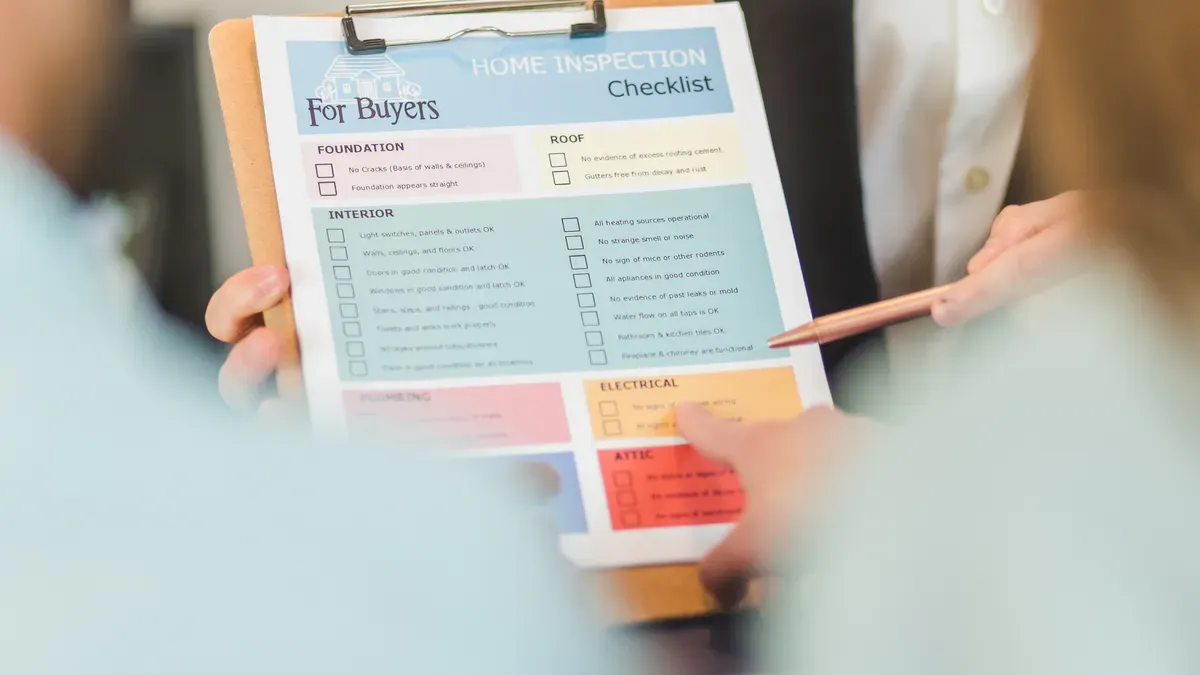
You must follow strict compliance requirements in an airport smart store. These rules help keep your business, customers, and reputation safe. If you do not follow them, you may get big fines or have to close your store. Make sure compliance is your main focus to build trust and keep your store open. Take time to look at what you do now. Find any problems before they become expensive issues.
Key Takeaways
Make compliance important to avoid fines and keep your store’s good name. Check your store’s actions often to find and fix problems.
Use strong security steps, like better screening tools and cybersecurity rules, to keep customer data safe and protect everyone.
Follow data privacy laws like GDPR by getting clear permission from passengers and keeping their personal information safe.
Make sure prices and labels are easy to see and correct to help customers trust you. Check often to make sure you follow the rules and stop confusion.
Teach your staff about compliance rules and check your store often to keep high standards and handle any new rules.
Security and Access Control
Physical security standards
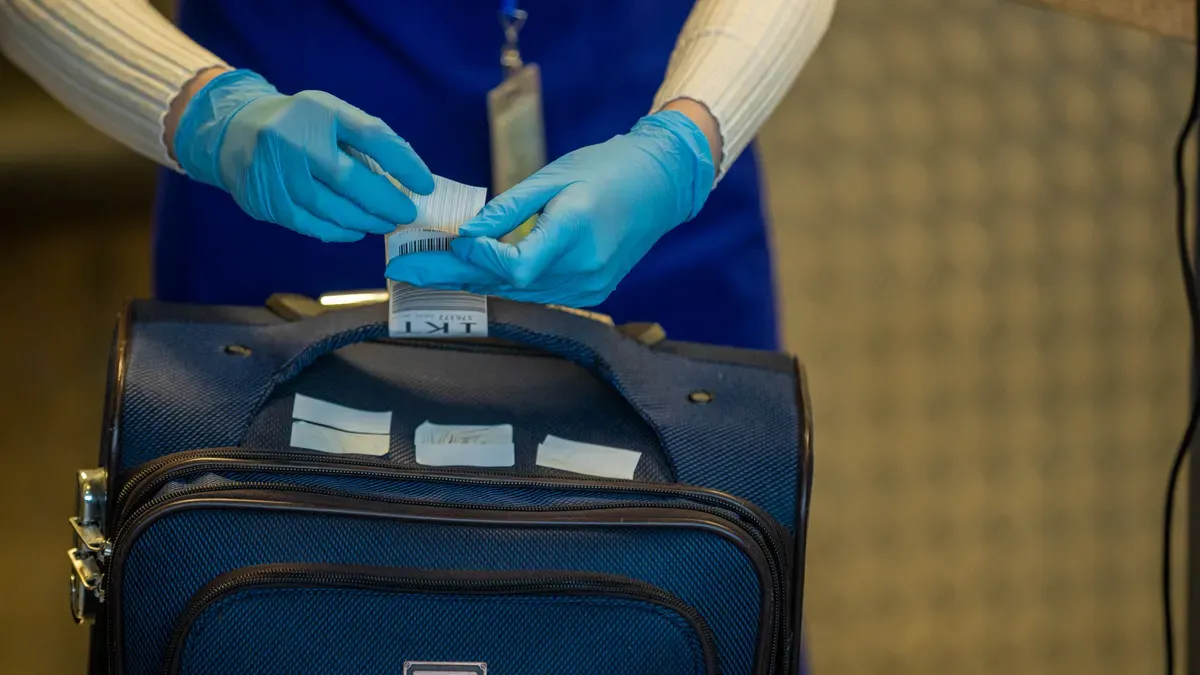
You have to follow strict physical security standards in your airport smart store. These rules help keep passengers, workers, and cargo safe. ICAO Annex 17 and EU Standard 3 are the main rules for airport stores. The table below shows how these rules affect your daily work:
Standard | Description | Impact on Operations |
|---|---|---|
ICAO Annex 17 | Security measures for international civil aviation | Needs advanced screening tools to keep everyone safe |
EU Standard 3 | Security requirements for airport operations in the EU | Needs connected security systems to work better |
You need to keep your store safe but also work fast. New technology helps you protect your store and serve customers quickly. Keeping everyone in the airport safe is the most important thing.
Tip: Check your security systems often. Update them to follow the newest compliance requirements and stop new threats.
Cybersecurity protocols
You work with private payment and passenger data every day. You need strong cybersecurity protocols to keep this data safe. Use encryption for all data you store or send. Set up strong access controls so only trusted workers can use important systems.
Follow these best steps to keep your data safe:
Zero trust security: Never trust any system, user, or device right away.
Proactive monitoring: Watch your systems all the time to find threats early.
Secure third-party access: Only let vendors use your network if needed and watch them.
Intrusion Detection Systems (IDS): Use these tools to find and stop attacks.
Strong encryption: Always protect payment and passenger data.
You should also use multi-factor authentication and biometrics for important accounts. These steps help stop people from getting in without permission and keep your data safe. Following these compliance requirements helps your customers trust you and keeps your store working well.
Data Privacy Compliance Requirements
Passenger data handling
You work with passenger data every day in your airport smart store. You must follow strict rules to keep this information safe. The EU General Data Protection Regulation (GDPR) and other laws tell you how to handle personal data.
Data Protection Laws means the EU General Data Protection Regulation 2016/679 (“GDPR”) and any other laws about Personal Data.
You need to respect what passengers want when you use their data. Passengers have rights you must follow:
Passengers can ask if you use their personal data.
Passengers can see their personal data.
Passengers can ask you to fix wrong or missing data.
Passengers can ask for a copy of their personal data.
You must keep passenger data private and safe. Use secure systems and let only a few people see or change this data. Following compliance requirements helps travelers trust you and keeps your store running well.
Consent and data retention
You must get clear permission before you use passenger data. You need to tell passengers why you need their data and how you will use it. There are also rules for how long you can keep this information.
Aspect | Details |
|---|---|
You must only keep data for a short time to follow GDPR. | |
Consent Mechanisms | You must be clear, honest, and only collect what you need under GDPR. |
Privacy Protection Measures | Use real-time video with no storage, only share group data, and limit who can see it. |
You should only keep passenger data as long as you need it. After that, you must delete it safely. Use privacy protection steps like real-time video with no storage and letting only a few people see sensitive data. These steps help you follow compliance requirements and protect passenger privacy.
Tip: Check your consent forms and data rules often. Make sure they follow the newest laws and best ways to protect data.
Retail and Consumer Protection
Pricing and labeling
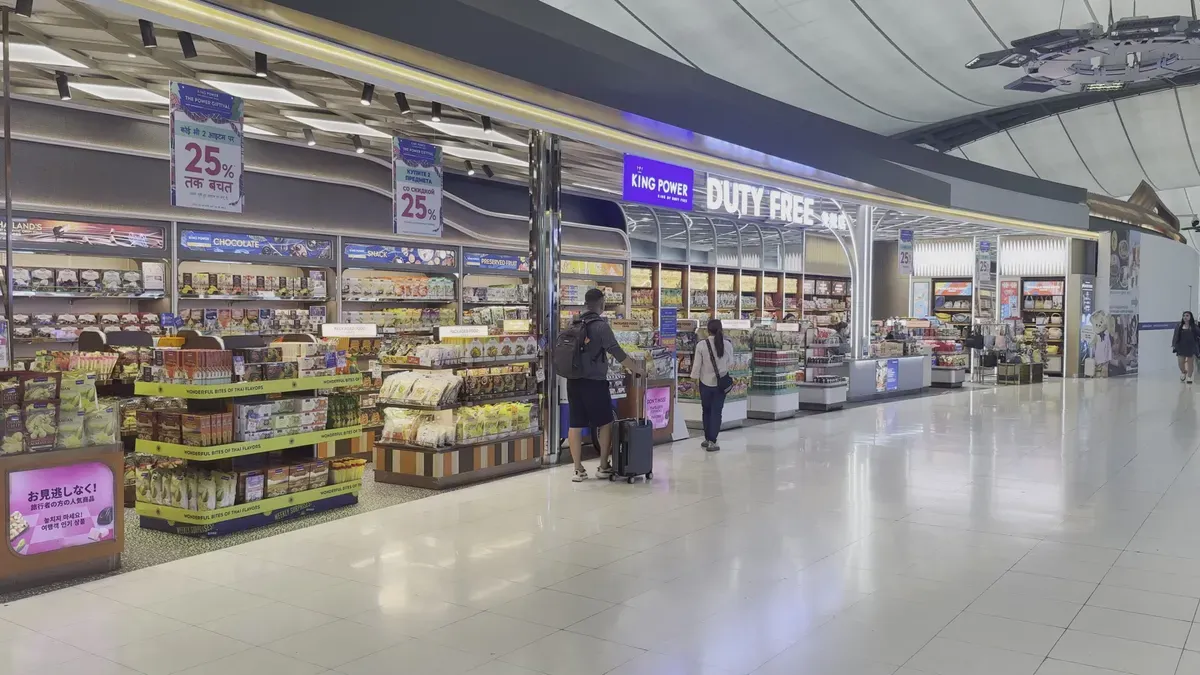
You have to show clear prices on every product. Customers want to see the right price before they buy. Use big tags or digital screens so prices are easy to read. Change the price tags right away if prices go up or down. This stops confusion and helps travelers trust your store.
Make sure labels have the correct product name and size. Add important details too. If you sell food or drinks, put allergy warnings and expiration dates on the label. These steps help you follow compliance requirements and keep customers safe from mistakes.
Tip: Check your pricing and labeling often. Teach your workers to find mistakes and fix them fast.
Refunds and complaints
You need a refund policy that is simple to understand. Put your policy at the checkout and on receipts. If someone asks for a refund, help them quickly and be polite. Write down every refund to show you follow the rules.
If a customer has a complaint, listen and answer kindly. Here are some ways to help fix problems:
Customers can talk to their state attorney general or consumer protection office.
Groups like Call for Action and Consumer Action help with complaints.
The Better Business Bureau helps with local problems.
Customers can tell the FTC if they feel treated unfairly.
The Consumer Review Fairness Act lets people post honest reviews.
Every complaint is a chance to make your service better. Doing these things helps you meet compliance requirements and keeps your store’s good name.
Airport Authority and FAA Compliance
Permits and operational approvals
You need the right permits before you open your airport smart store. The airport authority will look at your business plan. They check if you follow all local and federal rules. You must meet Airport Minimum Standards. These standards cover how your store works, safety, and customer service. The FAA wants you to have certificates. These show you can run your store safely and legally.
Airport sponsors have to follow strict rules from the FAA’s Airport Compliance Program and federal grants. These rules make sure airports are fair and safe for everyone. Here are some important things to remember:
You must run your store by the federal grant rules.
You must remove dangers and use land the right way.
You must treat everyone fairly and not discriminate.
You must spend airport money only on airport costs.
You cannot let one group have a monopoly if others can compete.
You must follow civil rights and access rules.
Some rules last even after a grant ends. You should check your agreements often to make sure you follow the rules.
Obligation | Description |
|---|---|
Assurance 22 | Economic Nondiscrimination — treat all users fairly and reasonably |
Assurance 23 | Exclusive Rights — no monopoly concessions in competitive categories |
Assurance 25 | Revenue Use — spend airport revenue only on airport-related costs |
Assurance 24 | Fee and Rental Structure — keep a self-sustaining fee and rental structure |
Note: Check your permits and approvals often. Make sure you follow all compliance requirements so you do not get fined or shut down.
TSA, FAA, and local security rules
You must follow strict security rules from the TSA, FAA, and local groups. These rules keep passengers, workers, and airport property safe. The TSA wants you to have a written Airport Security Program (ASP). They must approve it. You need access control systems at every door. You must mark secure areas clearly.
The FAA and TSA want you to check checkpoints and control who goes into sterile areas. Badge holders must pass fingerprint-based criminal history checks. You must follow TSA Security Directives on time.
Requirement Code | Description |
|---|---|
1542.103 | TSA must approve your written Airport Security Program (ASP) |
1542.201 | Access control systems must work at all entry points |
1542.205 | Secured areas must be clearly marked and kept safe |
1542.207 | Screening checkpoints must control access to sterile areas |
1542.209 | Badge holders must have fingerprint-based criminal history checks |
1542.303 | TSA Security Directives must be followed in set timeframes |
You need to teach your staff to follow these rules every day. Regular checks help you find problems and fix them fast. Following these compliance requirements keeps your store safe and helps airport authorities trust you.
Accessibility and Equipment Standards
Kiosk accessibility compliance
You need to make sure everyone can use your airport smart store kiosks. The Air Carrier Access Act (ACAA) has rules for kiosk accessibility. At least 25% of your kiosks must meet these rules under 14 CFR § 382.57. This rule is for stores at U.S. airports with over 10,000 enplanements each year. The Department of Transportation (DOT) checks that you follow this law. If you put in new kiosks after December 12, 2016, 25% must be accessible by December 12, 2022.
Accessible kiosks help travelers with disabilities use your store. You must add things like screen readers, tactile buttons, and the right screen height. Many stores break these rules. The table below lists common problems and how they affect people:
Accessibility Violation | Description |
|---|---|
Lack of Screen Readers | Kiosks do not have audio for people who cannot see. |
Touchscreen Navigation | Touchscreens do not have bumps for blind users. |
Screen Height | Screens are too high for people in wheelchairs. |
Fine Motor Skill Requirement | Some tasks are too hard for people with weak hands. |
Timeout Issues | Kiosks turn off too fast for people who need more time. |
Tip: Check your kiosks often. Fix problems fast to follow the rules and help customers.
Equipment safety and maintenance
You must keep screening equipment working well. Regular checks and tests make sure it works right. Daily checks help you find problems early. You should test walk-throughs and hand detectors with test objects. Do yearly maintenance and fix things as soon as you find a problem.
Test and adjust screening equipment often.
Check walk-throughs every day.
Use objects to test detectors and make sure they work.
Plan yearly checkups and fix problems right away.
Good maintenance keeps passengers and workers safe. It also helps you follow compliance requirements and stops expensive breakdowns.
Note: Write down all your checks and repairs. These notes show you follow safety rules and help if you get checked.
Health, Safety, and ADA Compliance
Fire safety and emergency procedures
You need to keep your airport smart store safe from fire and emergencies. Start by checking for fire dangers often. Look for things like bad wires, blocked doors, and things that can catch fire. Train your staff so they know what to do if there is a fire. Teach them how to use fire extinguishers and follow the plan to leave safely.
Slips, trips, and falls are common safety problems. Lifting heavy things and bumping into objects can also hurt people. You can help stop these problems by keeping walkways open and using security systems. Staff should learn how to use equipment safely. Check electrical systems often to help stop fires.
Health and Safety Risks | Compliance Measures |
|---|---|
Slips, trips, and falls | Regular risk checks |
Manual handling injuries (MSDs) | Safety training |
Electrical/fire hazards | Use security systems |
Tip: Always keep emergency exits open. Test alarms and fire tools often to make sure they work.
ADA and accessibility standards
You must follow ADA rules so all passengers can use your store. The law says at least 25% of kiosks put in after December 12, 2016 must be accessible. By December 12, 2022, 25% of all kiosks must meet these rules. Accessible kiosks must do everything other kiosks do. Passengers with disabilities get first use of these kiosks.
Accessible kiosks should be easy to spot. Use signs you can see and feel. If someone cannot use a kiosk, you must help them another way. Kiosks must have space for wheelchairs, easy-to-use parts, speech output, and Braille instructions.
Requirement | Details |
|---|---|
Accessibility Percentage | 25% of kiosks put in after December 12, 2016 must be accessible; 25% of all kiosks must be accessible by December 12, 2022. |
Functions | Accessible kiosks must do the same things as others in the same place. |
Priority Access | Passengers with disabilities get first use of accessible kiosks. |
Identification | Accessible kiosks must have signs you can see and touch. |
Equivalent Service | If someone cannot use a kiosk, you must help them another way. |
Technical Specifications | Must have space for wheelchairs, easy parts, speech output, and Braille. |
Note: Not following ADA rules can mean fines or lawsuits. Making your store accessible keeps your business and reputation safe.
Ongoing Compliance Management
Staff training and audits
You need your team to be ready for anything. Training helps staff learn the rules and follow them every day. Use examples from real life in your lessons. Make each training fit the person’s job. This keeps everyone interested and helps them remember what to do.
Hold training sessions often for all workers.
Teach important topics using real-life situations.
Make training for each job so people learn what they need.
You should check your store often. Make a plan for audits. Use digital lists to check all important areas. Audits help you find problems before they get worse. Watch your progress with dashboards that update in real time. Ask your team to report problems right away. This keeps your store safe and helps you meet compliance requirements.
Tip: Keep records of all training and audits. Good records show you follow the rules if someone checks.
Adapting to regulatory changes
Rules can change quickly in an airport. You must pay attention and update your steps often. Test fire safety systems and emergency plans regularly. Make sure your store meets accessibility standards under the Americans with Disabilities Act. Check your environmental steps to follow the newest laws.
Inspect your store and update steps when rules change.
Keep fire safety tools working and test alarms.
Write down your steps for energy saving and environmental safety.
Use secure access control for staff and track tool use.
Automate your records for every sale. This helps you prove you follow the rules. When you change fast, you protect your business and keep customers safe.
Note: Stay updated about new laws. Acting quickly helps you avoid fines and keeps your store running well.
You need to follow compliance rules to keep your airport smart store safe. This helps people trust your store. Check your rules and train your team often so everyone knows what to do. Here are some important steps:
Use strong security and control who can enter.
Teach your staff about the rules they must follow.
Work with airport leaders to learn about new rules.
Use technology to protect data and help everyone use your store.
Benefit | Description |
|---|---|
Assurance of Uninterrupted Operations | ISO 22301 helps your store stay open if something bad happens. |
Enhancing Customer Trust | Good compliance makes travelers trust your store more. |
If the rules are hard to understand, use special tools that watch for changes and give quick help. Make following the rules the base of your store’s success for many years.
FAQ
What happens if you do not follow airport compliance rules?
You could get big fines or lose your store. Airport leaders might shut your store down. Customers may stop trusting your business.
How often should you review your compliance policies?
Check your rules every six months. Change them if laws change. Regular checks help you spot and fix problems early.
Who checks if your airport smart store follows the rules?
Airport leaders
TSA and FAA workers
Local government workers
These people can come to your store and look at your records any time.
What is the most important compliance area for airport smart stores?
Security is the most important thing. You must keep customer data safe and control who comes in. Good security keeps everyone protected.
See Also
Understanding AI-Driven Corner Shops: Essential Insights for Retailers
Changes Coming to Walmart Self-Checkout by 2025
The Future of Retail: Embracing AI-Enhanced Stores
