How computer vision enables accurate checkout in Airports & transportation hubs.


Computer vision changes how you experience checkout accuracy in airports and transportation hubs. AI and computer vision work together to improve efficiency, safety, and the overall journey for passengers. You see real-time monitoring, faster check-ins, and better crowd management because of these technologies.
AI analyzes passenger feedback to improve services.
Automated screening speeds up airport processes.
Face recognition reduces wait times for passengers.
Aspect | Description |
|---|---|
Real-time Monitoring | Camera feeds track passenger density as events happen. |
Data Analytics | AI forecasts passenger flow and helps staff make smart decisions. |
Improved Resource Allocation | Insights allow airports to use resources more efficiently. |
Key Takeaways
Computer vision improves airport checkouts by using real-time monitoring to track passenger flow and reduce wait times.
Automated systems like self-checkout kiosks speed up check-ins, allowing you to spend less time waiting and more time enjoying your journey.
AI analyzes data to help staff manage crowds and allocate resources efficiently, leading to a smoother travel experience.
Cloud-based solutions enhance security and safety by protecting your personal information while ensuring quick responses to any issues.
Airports using computer vision report significant improvements in baggage handling accuracy, reducing the chances of lost items.
Computer vision functions in checkout
Real-time monitoring
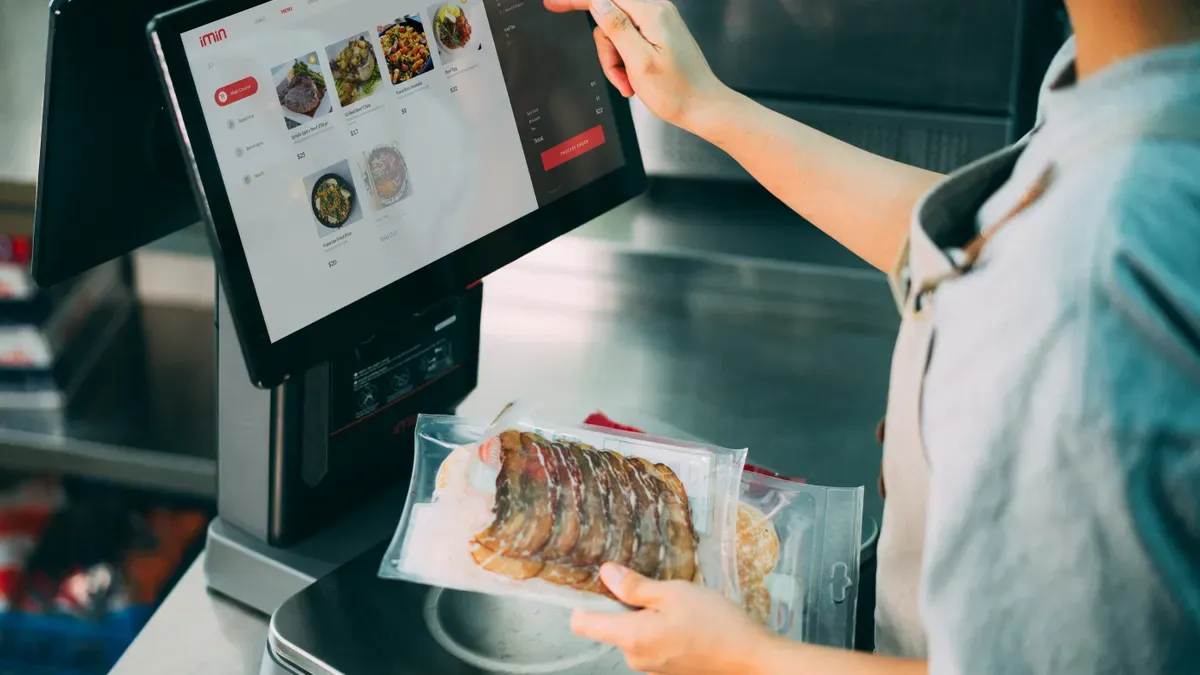
You can see how computer vision transforms airport checkout through real-time monitoring. This technology uses cameras and sensors to track what happens at every moment. When you walk into an airport, real-time video analytics follow the flow of passengers and luggage. Over 55% of airports now use RFID technology, which works with computer vision to reduce errors and lower costs. You benefit from faster check-ins and fewer mistakes because these systems detect issues as they happen. Airports using RFID report a 48% improvement in baggage handling accuracy. This means you wait less for your bags and experience fewer delays. Real-time monitoring also increases passenger satisfaction. In airports with these services, 42% of passengers feel happier because they move through check-in and baggage claim more quickly. With ai and computer vision, airports can spot problems before they grow, making your journey smoother.
Object and passenger recognition
Object and passenger recognition play a big role in accurate checkout. When you enter a transportation hub, advanced computer vision systems use people detection models to identify you and your belongings. These systems use detection to monitor passenger flow and automate ticket validation. You do not need to show your ticket many times. The system uses motion activity detection to confirm when you check in or out. Geofence monitoring helps define entry and exit points, so the airport knows exactly when you arrive or leave. This level of detection ensures that every passenger gets tracked correctly. With ai and computer vision, you see fewer errors and faster processing. Video analytics help airports manage crowd management by showing where people gather and move. This makes the whole process safer and more efficient for everyone.
Automated asset tracking
Automated asset tracking uses computer vision to keep an eye on everything that moves in the airport. You might notice that your bags get tracked from the moment you check them in until you pick them up. Detection systems follow luggage, carts, and even wheelchairs in real-time. This reduces the chance of lost items and helps staff find things quickly. Ai and computer vision work together to make sure nothing gets misplaced. Video analytics provide instant updates on where assets are, so you do not have to worry about missing belongings. Automated asset tracking also helps airports use their resources better. Staff can see which equipment is available and where it needs to go. This leads to fewer delays and a better experience for you as a passenger.
Tip: When you travel, look for signs that your airport uses computer vision. You may notice faster lines, fewer lost items, and smoother movement through each checkpoint.
Camera technology and airport operations
Passenger flow management
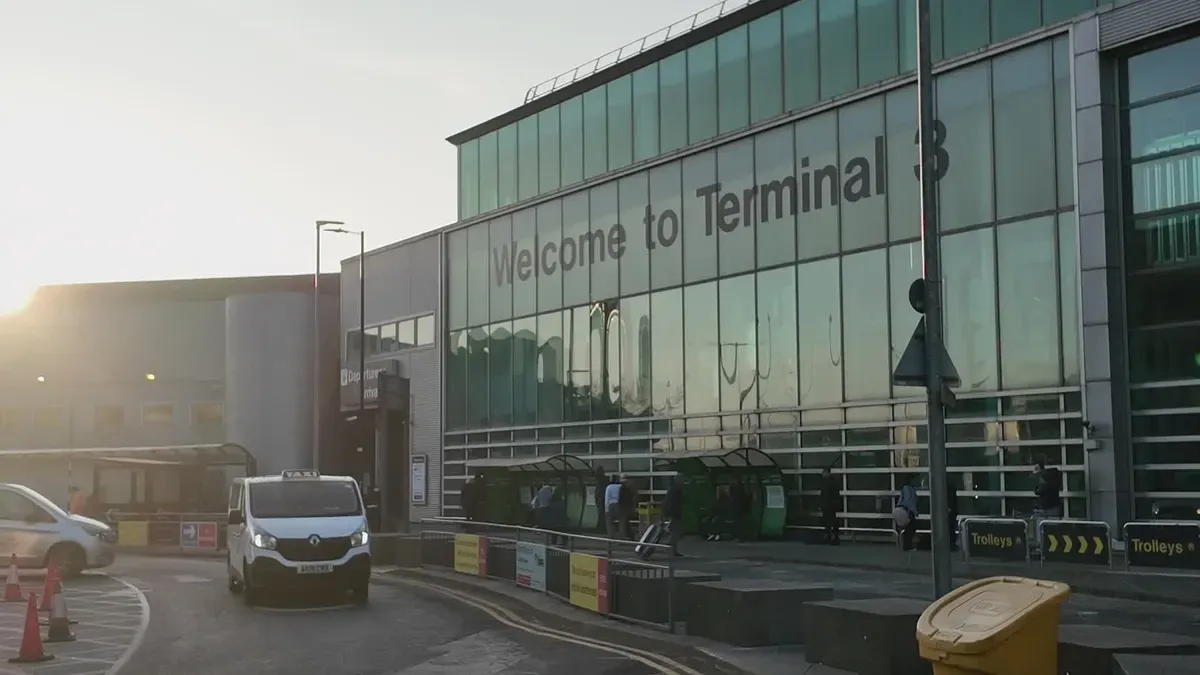
You see how camera technology helps airports manage passenger flow. Cameras track traffic flows and show where crowds form. Real-time monitoring lets staff respond quickly. AI-powered queue analysis improves airport operations by reducing wait times and boosting customer satisfaction. You notice shorter lines because systems predict busy periods and adjust staffing levels. Cloud-based computer vision uses existing cameras, so airports save money while improving efficiency. Real-time insights help staff open extra lanes or move resources to busy areas. This makes your journey smoother and safer.
Runway and curbside surveillance
Camera technology plays a big role in runway and curbside surveillance. Airports use high-resolution cameras to monitor runways and curbside areas. These cameras spot safety hazards and help staff react fast. You benefit from safer airport operations because cameras detect problems before they grow. Security check-in cameras and kiosk cameras have special features. Look at the table below to see how these cameras work:
Feature | Kiosk Cameras | Security Check-in Cameras |
|---|---|---|
Near Infrared (NIR) | Used for biometric identification | N/A |
High dynamic range | Required for varying lighting conditions | N/A |
High resolution | 5MP or 8MP for facial recognition | 2MP or higher for tray monitoring |
Field of view | Wide enough for 1 meter distance | Wider than ordinary cameras for 30-60 cm range |
Small form factor | Needed for compact kiosk designs | N/A |
Low light sensitivity | N/A | Important for monitoring conveyor belt trays |
Interface support | N/A | USB or embedded smart cameras for future use |
You see how these features improve airport operations and keep you safe.
Resource allocation optimization
Resource allocation matters in every airport. Computer vision helps airports analyze and optimize resource allocation. You see staff move to busy areas because real-time data shows where crowds form. Systems monitor passenger density and trigger interventions when congestion happens. Cloud-based computer vision provides analytics that identify inefficiencies, such as overcrowded terminals or underused gates. This leads to better resource allocation and lower costs. You benefit from faster service and fewer delays. Airports use these insights to make data-driven decisions and improve airport operations every day.
Note: Deploying computer vision in airport checkout systems costs a lot at first. Hardware like cameras and sensors can be expensive. Expanding the system doubles the cost as the area grows. Airports invest in these technologies to improve resource allocation and passenger experience.
Cloud-based computer vision benefits
Data analytics for efficiency
You see how cloud-based computer vision changes airport operations. This technology gives you real-time insights into passenger flow and congestion. Staff can spot busy areas and open new lines before crowds grow. You notice shorter wait times and smoother movement through checkpoints. Cloud-based computer vision also tracks equipment and baggage. This means your bags arrive on time, and staff can find lost items quickly. With strong data analytics capabilities, airports improve operational efficiency and reduce delays. You benefit from faster service and fewer mistakes.
Real-time crowd management
Asset tracking and monitoring
Environmental monitoring for spills or leaks
Proactive maintenance to prevent downtime
Cloud-based computer vision uses data analytics capabilities to help airports make smart decisions every day.
Enhancing security and safety
Cloud-based computer vision helps airports protect your information and keep you safe. You see enhanced safety and security because airports follow strict privacy laws like GDPR. Operators use strong cybersecurity measures and data encryption. Vendors design systems with privacy in mind. Some airports use on-premises solutions to keep video data local. This approach helps meet regional privacy rules and keeps sensitive data safe. You can trust that your information stays secure while you enjoy a safer travel experience.
Tip: Look for signs that your airport uses cloud-based computer vision. You may notice faster lines and more secure checkpoints.
Intelligent ecosystem integration
Cloud-based computer vision connects many airport systems into one smart network. You see how real-time data from cameras, sensors, and analytics tools work together. This integration helps airports respond quickly to changes. Staff can adjust resources, manage emergencies, and improve security and efficiency. Cloud-based computer vision supports operational efficiency by sharing information across departments. You experience smoother travel because every part of the airport works together as one intelligent ecosystem.
Real-world applications and case studies
Self-checkout kiosks
You see self-checkout kiosks changing the way you move through the airport. These kiosks use computer vision to scan your documents and check you in quickly. In 2023, Dubai International Airport showed how powerful this technology can be. The airport used CUSS kiosks for many airlines. These kiosks helped process over 1.2 million passengers. You notice shorter lines because the kiosks reduced wait times by 40% during busy travel periods. The transport sector benefits from faster check-ins and fewer errors. You spend less time waiting and more time enjoying your journey.
Self-checkout kiosks scan your passport and boarding pass.
You get real-time feedback if there is a problem.
The system helps you move through security faster.
Baggage and lost item tracking
You do not want to lose your bag when you travel. Computer vision helps the transport sector solve this problem. Hong Kong International Airport uses an automated baggage system that handles over 15,000 bags every hour. The system uses smart algorithms to track each bag and reduce mistakes. If you lose something, the airport can find it quickly by checking images from cameras. This technology lowers the risk of lost baggage and helps you feel more secure. The transport sector uses these systems to improve accuracy and keep passengers happy.
The system tracks your bag from check-in to arrival.
Staff can find lost items faster.
You get updates about your bag’s location.
Passenger experience improvements
You see many benefits from computer vision in the transport sector. Airports use these systems to monitor lines and predict wait times. AI models look at how many people are in line and how fast they move. This helps staff open new lanes before lines get too long. You get through checkpoints faster and with less stress. The table below shows how computer vision improves airport operations for every passenger.
Outcome | Measurement |
|---|---|
Reduced aircraft turnaround | 15-20% |
Up to 40% | |
Improved on-time performance | 10-15 percentage points |
You also see better safety and fewer mistakes. Staff can spot problems early and fix them before they grow. You enjoy a smoother and safer trip every time you travel.
You see computer vision, cloud-based solutions, and camera technology changing airports and transportation hubs. These tools make your journey safer, faster, and more efficient. Look at the table below to see how airports benefit from these technologies:
Benefit | Description |
|---|---|
Improved Disaster Recovery | Multiple backup sites make disaster recovery easier and less costly. |
Reduced Costs | Cloud services lower expenses and offer flexible pricing. |
Increased Security | Advanced security controls protect your information. |
Increased Data-Processing Capability | Rapid processing gives real-time insights for better decisions. |
You notice stronger security and smoother experiences:
Real-time monitoring and facial recognition boost safety.
Baggage screening finds threats quickly.
Passenger flow monitoring reduces wait times.
Queue analysis improves airport throughput.
Staff allocation gets better with real-time insights.
Technology detects congestion before it happens.
You will see more autonomous solutions and smarter AI systems in the future. These trends help airports avoid collisions and respond to threats faster. Computer vision keeps making travel safer and easier for you.
FAQ
How does computer vision help you at airport checkouts?
Computer vision scans your face, ticket, and bags. You move through lines faster. The system checks your identity and tracks your items. You spend less time waiting and avoid mistakes.
Is your personal data safe with these systems?
Airports use strong security tools to protect your data. They follow privacy laws and use encryption. You can trust that your information stays safe during your journey.
What happens if the cameras spot a problem?
Staff get alerts right away. They can fix issues before they grow. You see fewer delays and safer travel because the system acts fast.
Can computer vision help you find lost items?
Yes! The system tracks your bags and other items. If you lose something, staff can check camera footage. You get your lost items back faster.
See Also
Boosting Efficiency And Customer Experience With Cloudpick Checkout Systems
The Progression And Future Trends Of Self-Checkout Systems
Upcoming Changes To Walmart's Self-Checkout Experience By 2025
Walgreens Self-Checkout: Balancing Convenience With Retail Challenges
Transforming Retail: The Impact Of Smart Electronics Vending Machines
