5 Ways Data Security for Airport Retail AI Systems Protects You

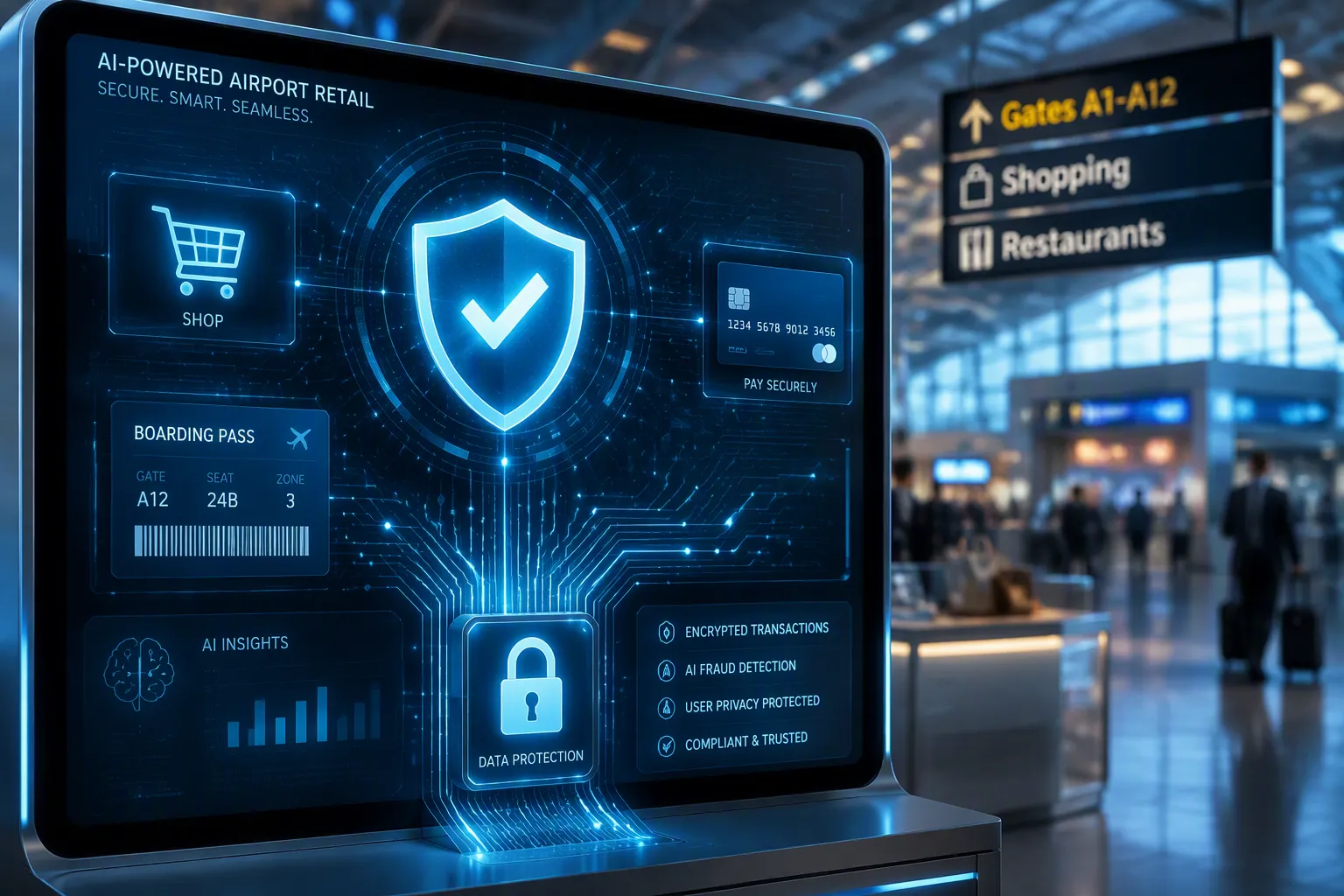
You stand at a sleek kiosk in a busy terminal, holding your boarding pass, ready to grab a last-minute gift. You tap your card and wonder: how do you know your information stays safe? The answer lies in five strong protections. Data security for airport retail AI systems shields you through encryption, anonymization, access control, real-time fraud detection, and strict regulatory compliance. These measures work quietly behind every transaction. They are not vague ideas; they are active safeguards. Airport security teams use these systems to protect your identity and payment details. You can trust that each tap, scan, or swipe gets layered defense. Your privacy stays intact, your transactions remain secure, and your journey moves on without worry.
Key Takeaways
Encryption changes your payment info into a secret code that hackers can't read, so your data stays safe.
Anonymization removes your identity from your shopping habits, so you get personalized deals without a digital trail.
Real-time fraud detection watches transactions and stops suspicious activity instantly.
Access control uses biometrics and multi-factor authentication to check who you are and stop people who shouldn't be there from getting in.
Following global privacy laws like GDPR and CCPA keeps your data rights safe.
Data Security for Airport Retail AI Systems: Encryption of Payment Data
Unreadable Payment Data
When you tap your card at an airport kiosk, encryption turns your card number into unreadable ciphertext. This two-way process uses an algorithm and a key to scramble the digits. Only someone with the correct decryption key can get the original number back. Point-to-point encryption (P2PE) often handles this job. A card reader encrypts your data right when it captures it, before any merchant software or network sees the plaintext number. Your card number stays as ciphertext during transmission.
The encryption process follows a clear order:
The system finds companies that have credit card encryption turned on.
It checks the Virtual Card Number file for records where the encrypted field is still unmarked.
The system encrypts the card number field, so it becomes unreadable in the file.
After that, it updates the record to show it is protected.
Decryption happens only at approved endpoints, like a secure screen or an outside system.
Real-World Example: Digital Wallets like Apple Pay and Google Pay encrypt transaction data to stop unauthorized access. Encryption in financial transactions builds trust and prevents identity theft, fraud, and data breaches.
Safe Transactions at Every Kiosk
Tokenization adds another layer of safety. This process swaps your card details for a unique ID, or token. The token has no value outside the system. Contactless payments and mobile wallets use this method all the time. Your real card number never gets stored in its original form. Even if someone grabs the token, they cannot use it anywhere else.
This layered approach brings clear benefits:
Blocks payment fraud by stopping unauthorized access to sensitive cardholder data before interception.
Cuts breach risk significantly, protecting businesses from regulatory fines and reputation damage.
Drives checkout confidence, giving customers the reassurance they need to finish purchases and come back.
These protections form the base of data security for airport retail ai systems. Every kiosk, every app, and every payment terminal relies on this encryption setup. The ai systems watching these transactions add another layer of alertness. Together, they deliver stronger security that works quietly behind each transaction you make. You can finish your purchase knowing your payment details stay safe from the moment you tap until the transaction ends. This promise of data security for airport retail ai systems means your information stays protected at every step.
Anonymization in Airport Retail AI Systems
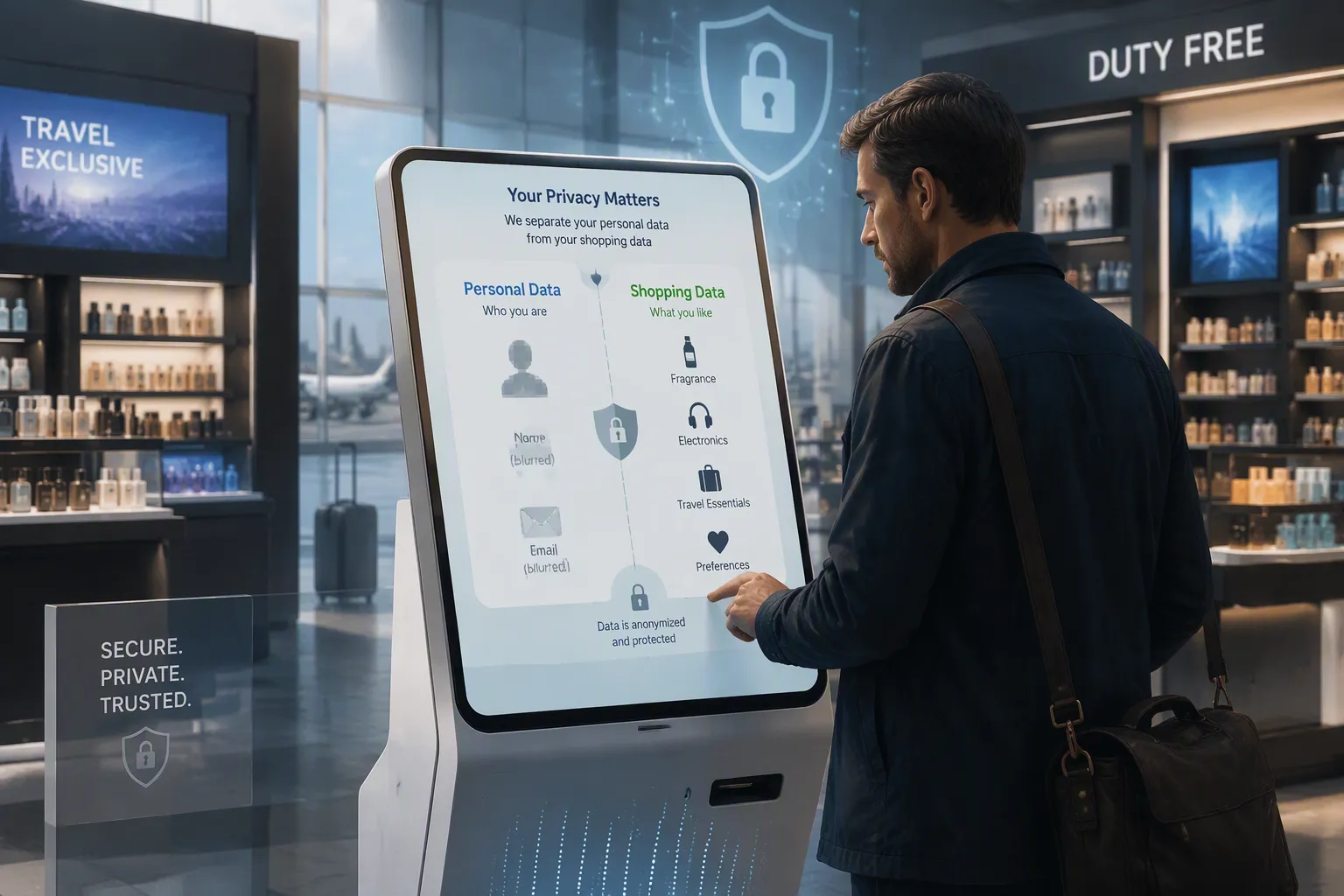
Separating Identity from Shopping Habits
When you use a store app or kiosk, AI systems remove your personal details from the data before they look at it. Protection pipelines take out things like your name, email, and frequent flyer number from store logs. Only simple numbers and facts remain. The system sees what people buy, what they like, and when they shop. It does not see who you are.
Automatic cleaning schedules also help. Private files are erased right after your flight takes off. This removes any travel history tied to your visit. Data minimization rules limit what the system collects and keeps. Less data means a smaller target for hackers and better compliance with privacy laws.
Privacy-preserving data mining methods like k-anonymity make sure each data point cannot be traced back to one person. The system groups your information with others who have similar traits. Your identity stays hidden in a crowd. This lets the AI gain useful insights without exposing your personal information. The analysis focuses on what travelers buy, not who buys it. This difference matters for your privacy.
Personalized Deals Without a Digital Trail
You still get relevant offers and recommendations. The difference is that these suggestions come without a profile linked to your identity. The system learns from anonymized shopping patterns. It sees that passengers flying to warm places often buy sunscreen. It does not remember that you specifically bought sunscreen last time. The recommendation comes from a pattern, not a personal history.
According to a McKinsey case study, businesses using AI-based data anonymization saw a 30% improvement in personalization accuracy while keeping privacy compliance. Anonymization improves personalization rather than slowing it down. You get better deals, and your privacy stays safe.
This approach brings several key benefits. AI anonymization tools enable highly personalized retail experiences without collecting too much personal data. They follow the data minimization rule required by global privacy laws. AI-driven anonymization changes personal data into non-identifiable formats, ensuring compliance with laws like GDPR and CCPA. Secure data handling through encryption and access controls protects customer transaction data. Automated consent management systems also make it easier for you to give permission for data use, directly supporting your privacy rights.
This layered approach to anonymization forms a key part of data security for airport retail ai systems. Your identity stays separate from your shopping habits. You receive personalized deals without leaving a digital trail. The system serves you better because it understands patterns, not people.
Real-Time Fraud Detection with AI
Real-time fraud detection adds a dynamic layer of protection to every airport retail transaction. AI systems monitor your activity the moment you interact with a kiosk or app. They analyze passenger behavior and transaction patterns to spot anomalies instantly. This capability strengthens airport security by identifying threats before they affect you. The system does not wait for a fraud report. It acts in the moment, protecting your data and your journey.
AI Monitoring for Unusual Activity
The AI uses machine learning models to establish a baseline of normal behavior for each transaction and each location. It learns typical purchase amounts, frequent item categories, and common payment methods. When you make a purchase, the system compares your current action against this baseline. Any deviation triggers a closer look. For example, an unusually large purchase from a kiosk you rarely use might raise a flag. AI-enabled scanners at kiosk interfaces and gate areas examine each interaction. They detect unauthorized access attempts or unusual purchase patterns. This security screening happens in real time without any delay. The system continuously updates its understanding of normal patterns. It adapts to new behaviors as they emerge. This constant learning ensures that the model remains accurate. You benefit from a system that never stops watching for suspicious activity. The AI does not rely on static rules. It evolves with each transaction, making it harder for fraudsters to find gaps.
Immediate Alerts and Blocked Threats
When the AI detects a suspicious activity, it triggers an immediate alert. The system can block the transaction before it completes. This integrated threat assessment combines data from multiple sources, including transaction history, location data, and device information. It provides enhanced security for every purchase. The AI acts in milliseconds, protecting your payment details and your identity. For instance, if a fraudster attempts to use a stolen card, the system detects the anomaly and blocks the sale. You receive no notification because the threat never progresses. The system logs the attempt for security teams to review. This approach reduces false positives while catching real threats. You gain peace of mind knowing that every transaction undergoes rigorous scrutiny. The AI works silently behind the scenes. It does not interrupt your shopping experience. It only intervenes when necessary. This balance of speed and accuracy makes real-time fraud detection a cornerstone of retail security at airports.
Access Control and User Authentication
Verifying Your Identity Before Any Action
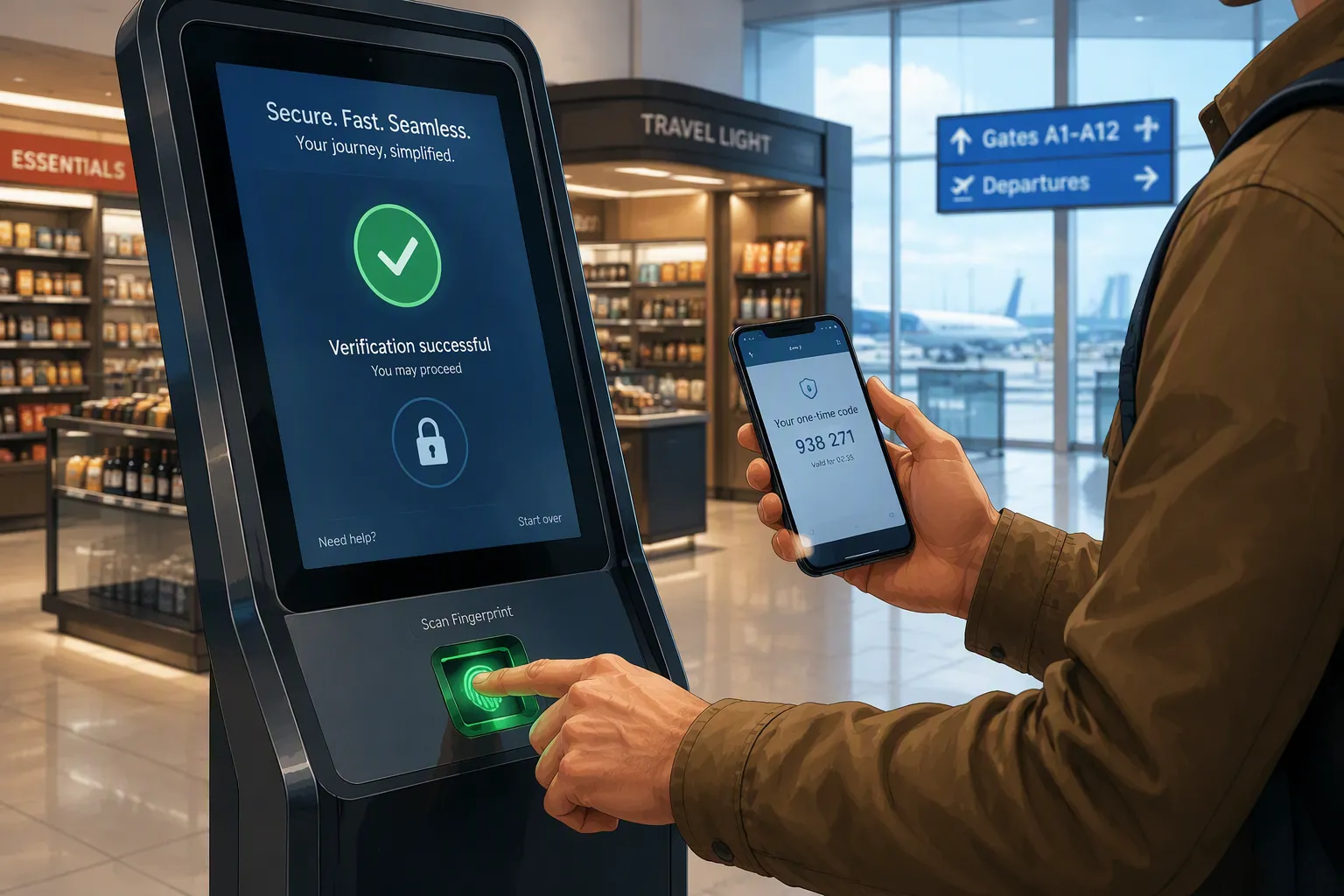
Biometric checks guard airport store kiosks and mobile apps. Your fingerprint or face scan becomes the key to your account. These systems use body traits that no one can guess or steal. A password can leak through a phishing email. Your face or fingerprint cannot leak the same way. This method cuts the risk of unauthorized access and fraud a lot.
The tech works in a simple way. You put your finger on the scanner or look at the camera. The system grabs your biometric data and checks it against saved templates. A match lets you in. A mismatch stops the try. This check happens in seconds, so your purchase keeps moving without delay.
Retail chains like Wegmans and ShopRite have tried facial recognition for loss prevention and store safety. They faced public backlash due to unclear notice. The success of biometrics in stopping unauthorized access depends on following legal rules. Security and fraud prevention uses may get some exceptions. Marketing and analytics uses need strict consent from users.
Research from Michigan State University showed that fake 'MasterPrints' can match many real fingerprints. Hackers have also made masks to trick Apple's FaceID. These facts show that biometrics alone cannot promise perfect safety. Airport systems therefore pair biometrics with extra verification layers.
No Unauthorized Access to Your Account
Multi-factor authentication adds another wall against intruders. The system asks for two or more proof methods before letting you in. You might type a password, then scan your fingerprint. Or you might enter a one-time code sent to your phone. Each extra factor makes unauthorized access harder.
AI-powered access control watches every login attempt. The system tracks how many access denials happen from one kiosk or account. Many failures trigger alerts. Security teams look into these patterns right away. This active watching catches attackers before they succeed.
Adaptive authentication changes security levels based on risk signs. A normal buy from your usual kiosk needs little verification. An odd transaction from a different terminal triggers extra checks. This flexible method balances safety with ease. You get smooth transactions during normal activity. You get extra protection when something looks wrong.
Single sign-on systems cut down password-related risks. One login gives you access to many airport store services. You avoid typing your credentials over and over. This ease does not weaken security. The system keeps strict verification standards across all linked platforms. Every entry point guards your account from unauthorized entry. This layered defense ensures that only you can reach your personal info and payment details.
Compliance with Global Privacy Regulations
Following Laws Like GDPR and CCPA
Airport retail AI systems must follow strict laws that keep your personal information safe. The General Data Protection Regulation (GDPR) in Europe and the California Consumer Privacy Act (CCPA) in the United States set clear rules for how your data is handled. These laws require systems to tell you how they use your information. You have the right to know what data is collected, why it is collected, and who can see it. This openness builds trust between you and the retail systems you use.
These rules require more than just telling you about data use. Systems must follow privacy by design principles. They collect only necessary data, place cameras with clear purpose, and use visible signs. Strong access controls limit who can view your information. The TSA shows this balance through its use of AI for threat detection. The agency uses AI-enabled scanners that spot potential risks while respecting passenger privacy. This approach shows how airport security can work alongside privacy compliance. The same principle applies to retail AI systems. They detect suspicious activity without harming your rights.
Your Rights Are Legally Protected
You have specific rights under these privacy laws. You can ask to see your personal data. You can ask for its deletion. You can opt out of data collection for marketing purposes. These rights give you control over your information. The system cannot ignore your requests. Legal penalties enforce compliance, so businesses take these duties seriously.
Explicit consent becomes mandatory for sensitive processing. Facial recognition or other biometric data collection requires your clear agreement. The system must explain what it collects and why. You can withdraw your consent at any time. This protection extends to every interaction you have with airport retail AI systems. The law stands behind you, ensuring your privacy remains intact. This regulatory framework completes the security ecosystem. Encryption protects your payment data. Anonymization separates your identity from your habits. Real-time fraud detection catches threats instantly. Access control verifies your identity. Compliance with global privacy regulations ensures every layer operates within legal boundaries. Together, these five protections create a comprehensive safety net. You can shop with confidence, knowing that both security and privacy receive equal priority.
These five protections form one complete safety net. Encryption keeps your payment details safe. Anonymization hides your identity from your shopping habits. Real-time fraud detection stops threats right away. Access control checks who you are. Global rules make sure every layer works legally. Together, they give strong data security for airport retail ai systems.
You can trust these steps. They keep updating to handle new dangers. AI analytics spot new risks before they get to you. This airport security method changes with every transaction.
Shop with confidence at airport kiosks and apps. Your privacy and safety stay important. AI will keep making travel shopping safe and personal. Each visit brings better security and smoother experiences. Your trip stays protected from beginning to end.
FAQ
How does encryption protect my payment information at airport kiosks?
Encryption changes your card number into a secret code the second you tap or swipe. Only approved systems have the key to unlock it. Tokenization swaps your card details for a random ID that has no value outside the system. Your real number never travels in a form anyone can read.
Will airport retail AI systems store my personal data?
Systems gather only what they need and erase private files after your flight leaves. Anonymization removes your name, email, and frequent flyer number from purchase data before any analysis. Your identity stays apart from what you buy. Data minimization rules keep systems from holding onto extra information.
What happens when the AI detects suspicious activity during my purchase?
The system stops the transaction right away, often before it finishes. AI checks your purchase against normal patterns and spots anything odd like strange amounts or places. Security teams look into the attempt. You won't notice any delay during normal purchases.
How do biometric systems protect my fingerprint or face data?
Biometric templates get scrambled and stored safely. The system checks your live scan against saved templates without sending raw biometric data anywhere. Multi-factor authentication adds passwords or one-time codes as extra checks. Access controls limit who can see biometric records.
What rights do I have under privacy laws like GDPR and CCPA?
You can ask to see your personal data, request its removal, and choose out of marketing collection. Systems must get clear permission for sensitive processing like facial recognition. Legal penalties back these rights, so businesses take compliance seriously.
See Also
Understanding The Emergence Of Smart Corner Stores For Retailers
The Future Of Retail Belongs To Artificial Intelligence Stores
Transforming Online Store Management With Artificial Intelligence Tools
Smart Technology In Electronics Vending Machines Revolutionizes Retail
Cloudpick Delivers Cashierless Convenience To Your Retail Store
