What's the Difference: Edge Computing vs Cloud Computing in Retail AI


You must choose the right system setup for your store's AI needs. Edge computing processes local data directly on hardware inside the store. This local setup gives fast responses, saves internet bandwidth, and keeps store systems working during network outages. These local devices handle instant data processing right where customers make purchases in a fast-paced retail AI scenario.
On the other hand, centralized cloud computing uses distant servers to work. A cloud system offers huge processing power and plenty of long-term data storage. You use the cloud to analyze company-wide information and train complex AI models. A modern edge computing setup handles quick local AI tasks, while the cloud manages big-picture intelligence across all your store locations.
Key Takeaways
Edge computing handles data right in your store to give you instant speed during checkout.
In-store computer equipment helps checkout lines and buying systems work well even when the internet suddenly goes down.
Local edge devices protect private customer videos and make sure secret information stays safe.
Main cloud networks study company-wide shopping patterns and reduce the price of storing extra products.
A hybrid system pairs quick local device handling with strong main online updates.
Edge Computing vs Cloud Computing in Retail
Edge AI: Local In-Store Processing
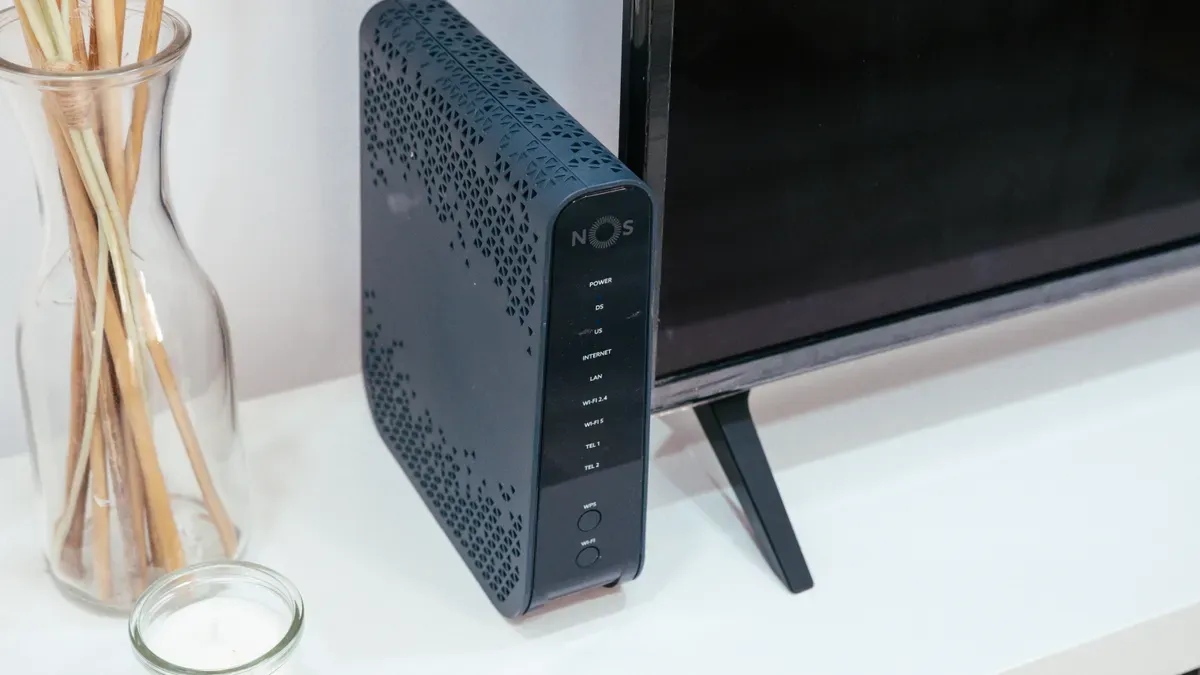
Setting up edge computing means putting real computer hardware right inside your physical store location. This nearby setup runs programs directly where shoppers move around and make purchases. Camera systems can watch foot traffic easily without sending private video files to outside locations. Smart shelf sensors, tags, and scanners gather data to update your product inventory right away. These local systems run quick AI checks right at the checkout counter without any lag. Keeping operations close by helps your store run smoothly even if the internet goes down.
This spread-out setup needs specific hardware and software parts to work properly:
Small local devices like smart sensors, connections, and tough computer boxes built for stores.
Fast store servers with special chips designed to process video information in real time.
A main software system that can run machine learning tools made by popular platforms.
Useful management software like Scale Computing Fleet Manager to handle every store computer from anywhere.
Cloud AI: Centralized Enterprise Infrastructure
Cloud computing connects all your physical stores to a single online computer system over the internet. You send local sales numbers to distant servers for long-term saving and heavy data work. This main system combines information from every store location to show you the big picture. Huge computer setups handle massive learning tasks that small store machines simply cannot run on their own. These off-site servers look through years of old store records to discover regional shopping habits.
You depend on large online networks to run your business programs across the entire company. Main systems handle difficult math to predict future sales and update global shipping paths quickly. Technology teams train brand-new AI tools on these big servers before sending updated versions down to local machines. Combining fast store hardware with large online servers creates the best technical plan for your business.
Performance Comparison: Speed, Bandwidth, and Security
Latency Reduction and Network Bandwidth Savings
Fast store programs need low latency to work without any delays. Processing data locally on store servers gives you rapid results right away. On-site hardware eliminates long network waiting times from distant cloud servers. Local edge devices quickly clean up raw video files inside your store. This process cuts network costs because you stop sending continuous video over expensive connections.
Local edge computing hardware makes instant decisions right at your checkout line. Meanwhile, distant cloud systems need stable internet connections to send answers back.
Metric | Edge inference | Cloud inference | Retail relevance |
|---|---|---|---|
Latency | Sub-10ms possible | 50–500ms, network dependent | In-store analytics run on edge to avoid streaming video to cloud |
Network round-trip | Adds minimal latency | Adds 50–500ms | Checkout automation benefits from avoiding cloud round-trip delays |
Implied round-trip difference | Edge is roughly 40–490ms faster | Baseline | Real-time retail workloads require this lower-latency path |
Retail point-of-sale and drive-through systems are high-latency-sensitive applications that require edge inference. A drive-through AI order system that waits 200ms for a cloud round-trip fails the basic user experience bar.
Data Privacy, On-Site Isolation, and Hardware Scale
You shield sensitive customer details when you process data inside your building. Local store edge computing keeps video files and biometric scans safe on local networks. On-site isolation guards customer records from outside threats. You never send private user details across public networks to cloud computing centers. Keeping sensitive records on local edge devices helps your store easily meet strict privacy laws.
Edge computing systems keep running smoothly during unexpected internet outages. Local processing stays active without any web connections. Store systems send organized summary files to central cloud computing systems later on. This setup boosts AI inference speed while keeping store operations fast and safe. Connected iot devices and iot sensors gather store metrics continuously without hurting local network stability. You scale edge computing hardware by placing small edge devices across your store locations. This method maintains high operational accuracy across all your retail ai applications.
Deployment Models for Every Retail AI Scenario
In-Store Edge AI: Real-Time POS and Signage
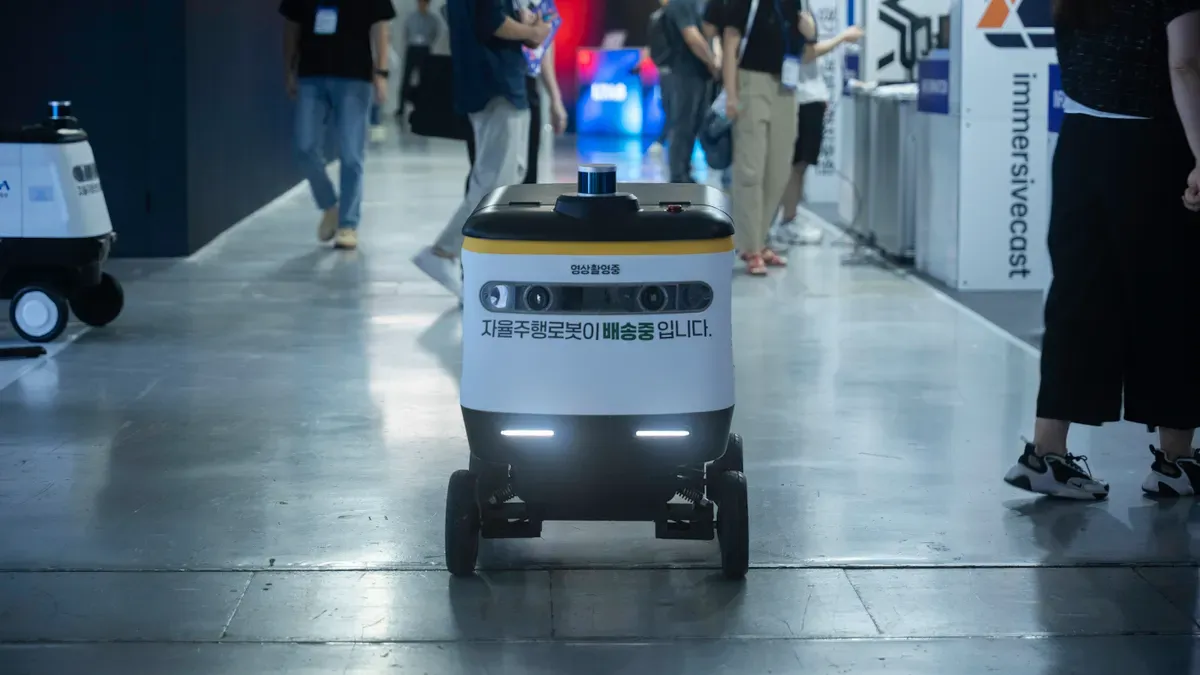
Your store needs quick responses for every retail AI job. Local edge computing processes data right on nearby store computers. Self-checkout lanes scan your items without waiting for internet servers. On-site AI camera systems catch theft right away to protect store items. These local programs analyze video streams while keeping customer clips safe indoors. Connected camera screens show personal ads to nearby shoppers using small edge boxes.
Store internet connections can drop without warning. Local computers keep payment registers working even during sudden internet outages. Connected retail devices process sales right away without talking to the cloud. Your local edge system handles transaction data and store records by itself. This fast hardware keeps shopping data safe whenever your connection goes down. Local networks protect your daily sales and keep operations fast across every retail AI setup.
Enterprise Cloud AI: Demand Forecasting and Supply Chain
You use cloud computing setups to study big business trends across all your locations. Centralized cloud platforms combine old store records to run heavy machine learning programs. Company cloud systems balance product inventory numbers and predict future shopping habits over time. Large data networks pull sales details from every store to create helpful business reports. Main cloud servers train heavy software before sending smaller updates to local store devices.
Powerful cloud networks run massive data projects for every location in a retail AI setup. Centralized AI cuts prediction mistakes by half and lowers extra inventory by nearly a third. Better forecast accuracy directly leads to a five percent drop in product storage costs. Cloud tools like Vertex AI Forecast offer great accuracy for long-term store planning. Major brands like Lowe's run these cloud programs across thousands of locations to improve supply chain decisions for every retail AI job.
The Hybrid AI Model: Combining Edge and Cloud
Local Edge Execution with Centralized Cloud Training
You balance speed and power by matching store hardware with online systems. A combined setup runs daily store tasks right inside your shop. Intelligent cameras check shopper habits on-site to help manage product inventory. These local systems run instant checks without sending raw video to distant servers. One camera stream uses around 5 Mbps of internet speed. Streaming video from 50 stores wastes network space and costs extra data fees. Local edge devices clean up raw files indoors to cut data traffic, lowering bandwidth costs while guarding buyer privacy.
Your main online network manages bigger jobs across the full store chain. Central cloud servers gather facts from many places to run heavy computer programs. Tech teams update main AI tools weekly inside the central cloud system. The cloud sends these updated tools down to store devices, keeping smart checkouts accurate. This shared cycle improves total performance without slowing down your store network.
Building an Optimized Retail AI Architecture
Aspect | Edge computing | Cloud computing |
|---|---|---|
Hybrid cloud architecture role | Executes local edge tasks for immediate in-store decisions | Handles large-scale analytics and retrains central models |
Key operational benefits | Reduces round-trip latency and lowers network bandwidth costs | Delivers elastic computing scale for enterprise retail applications |
You build a modern hybrid setup by assigning store jobs to proper hardware. Intelligent edge devices handle quick tasks like smart shelves and personalized ads on site. Putting local processing near your data ensures fast speeds and reliable offline use. Meanwhile, long-term data analysis stays inside central cloud setups.
Using both systems cuts business expenses while boosting daily system reliability. Your central cloud system handles data backups, deep business studies, and regular AI updates. The local edge keeps real-time store programs running fast. Checking actual results helps your team keep AI accurate across every physical store location.
You do not have to pick just edge computing or cloud computing for your store's tech upgrade. Modern retail plans bring local edge AI systems and distant cloud computing together into one smooth hybrid setup.
Decision factor | Choose edge AI when... | Choose cloud when... |
|---|---|---|
Execution speed | Low latency gives your local store data lightning-fast results. | Tasks can handle minor network delays without bothering shoppers. |
Network resilience | Store tools must keep working on their own during internet outages. | Strong internet connections stay up and running reliably every day. |
You should check your store needs, internet costs, and privacy rules before buying any equipment. Match every single job to the right edge or cloud tools to boost your overall store performance.
FAQ
How does local store hardware operate during an internet outage?
Local edge devices handle sales directly inside your store building. These units process payments and track items without active internet connections. This setup prevents system downtime and keeps checkout lanes moving smoothly.
Why does streaming store video to the cloud increase operational costs?
A single camera stream uses about 5 Mbps of internet speed. Sending continuous video feeds from 50 stores wastes huge amounts of network space. You end up paying extra data fees and slowing down your system.
What latency difference separates local store systems from cloud processing?
Local edge setups achieve sub-10ms response times for fast tasks. Distant cloud systems add 50 to 500ms of extra network delay. This time difference makes local hardware best for fast drive-through ordering tools.
How do enterprise cloud platforms lower inventory storage costs?
Centralized cloud networks review old sales records across thousands of store locations. Smart tools like Vertex AI Forecast cut extra product supply by almost a third. Better prediction accuracy drops your storage costs by five percent.
See Also
Essential Insights On Smart AI Corner Stores For Modern Retailers
Exploring Reasons Artificial Intelligence Driven Stores Will Shape Tomorrow Retail
Comparing Autonomous Shopping Giant Amazon Go Against Innovator Cloudpick Platforms
Transforming Digital Shop Operations Through Intelligent Next Generation E-Commerce Tools
Key Advantages Of Intelligent Combo Vending Systems In Today Market
