Enhancing Passenger Experience by Reducing Queues in Airport Stores

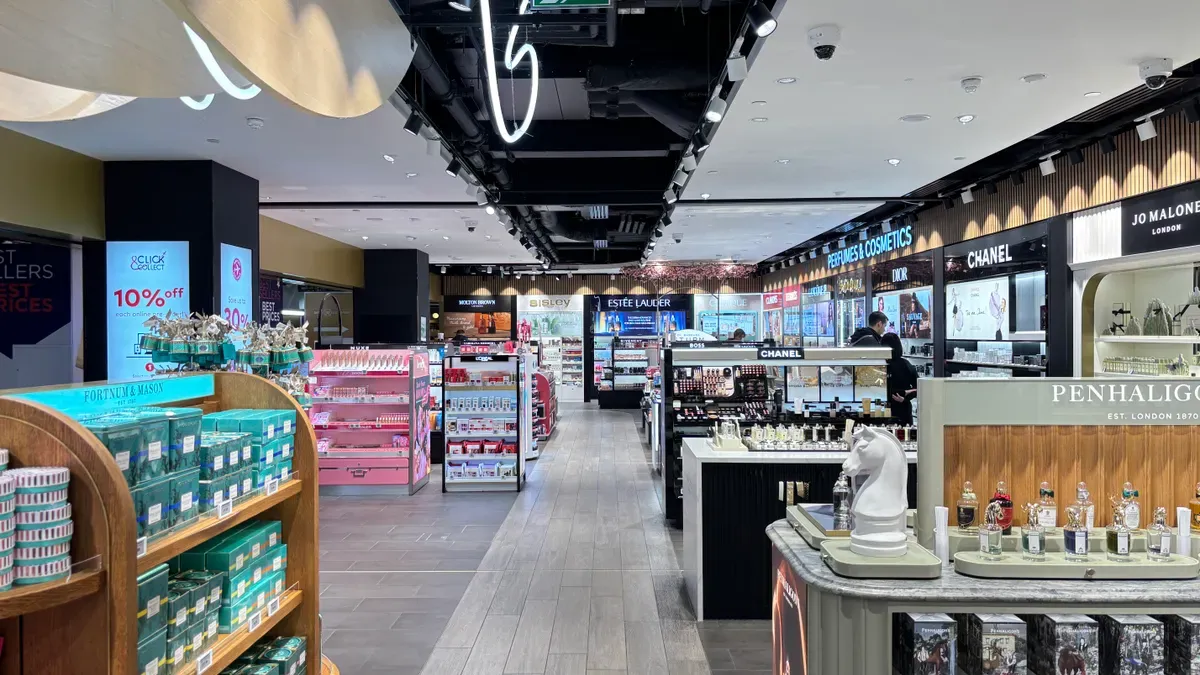
You know the feeling—standing in a long line at an airport store, watching the clock, and worrying about your flight. Reducing queues can change that. You get more time to relax, and your stress drops. Airport stores win, too, because happier shoppers often buy more. Digital tools make this possible. Now, you can check in with self-service kiosks, grab a spot in line using a mobile app, or even get updates on your phone. These smart systems help everyone move faster and keep crowds down.
Key Takeaways
Making lines shorter makes passengers happier. Less waiting gives people more time to shop and relax. This makes traveling better for everyone.
Digital tools like virtual queuing and self-checkout make shopping easier. Passengers can have fun instead of waiting in long lines.
Real-time data helps airports change store layouts and staff schedules. This makes lines shorter and helps stores sell more.
Happy passengers buy more things. Studies show that shorter waits can raise spending from $29 to $44.
Using clear signs and good queue management helps passengers move better. It also stops confusion and makes lines shorter.
Why Reducing Queues Matters
Passenger Satisfaction and Flow
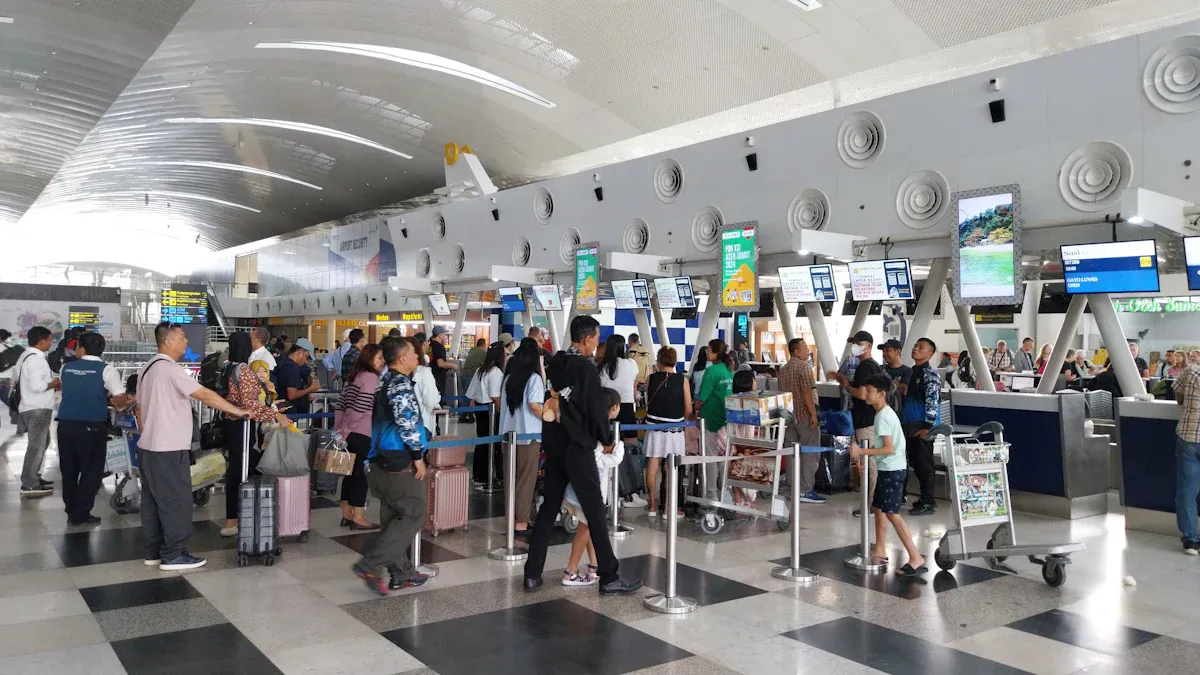
Long lines at the airport can make you feel upset. You might worry about missing your flight or get annoyed by waiting. Many travelers say bad queue management and confusing store layouts make things worse. Not knowing what is happening can also add stress. Sometimes, people feel like they are being pushed into lines. This makes them even more stressed. You may have seen crowded areas near boarding gates. Maybe you have watched someone miss their flight because the line was too slow.
Let’s see how waiting in line changes your trip. Studies show that if you think there will be delays, you plan for extra time. This means you have less time to shop or relax. Airports with better layouts and more things to do can help you move through stores. They can also make you want to stay longer. The table below shows what researchers found about queues and airport design:
Evidence Description | Findings | Source |
|---|---|---|
Influence of travel time variability on dwell time | Passengers may add extra time to their travel plans, impacting their dwell time at the airport. | Odoni and de Neufville [7] |
Design elements affecting dwell time | Airport amenities can manipulate passenger flow and increase dwell time in retail areas. | Various studies [20, 21] |
Economic implications of dwell time | Longer dwell time correlates with increased likelihood of purchases, influenced by trip purpose. | Studies in Asturias Airport [23, 24] |
Processing activities time | Passengers spend a small portion of their time on processing activities, affecting overall dwell time. | Queensland University of Technology [9, 10] |
If you wait less, you have more time to enjoy the airport. You can look around, shop, or just rest before your flight.
Retailer Efficiency and Revenue
Shorter lines help you and airport stores. Long lines make over 30% of shoppers leave. Some stores lose thousands of dollars each month because people do not want to wait. In bigger stores, losses can be up to half a million dollars. When you see a short line, you are more likely to buy something. Stores with good queue management have happier customers and better sales.
Tip: If you run an airport store, try to give fast service and clear information. You will have happier shoppers and higher sales.
Reducing Queues: Key Strategies
Queue Automation and Digital Systems
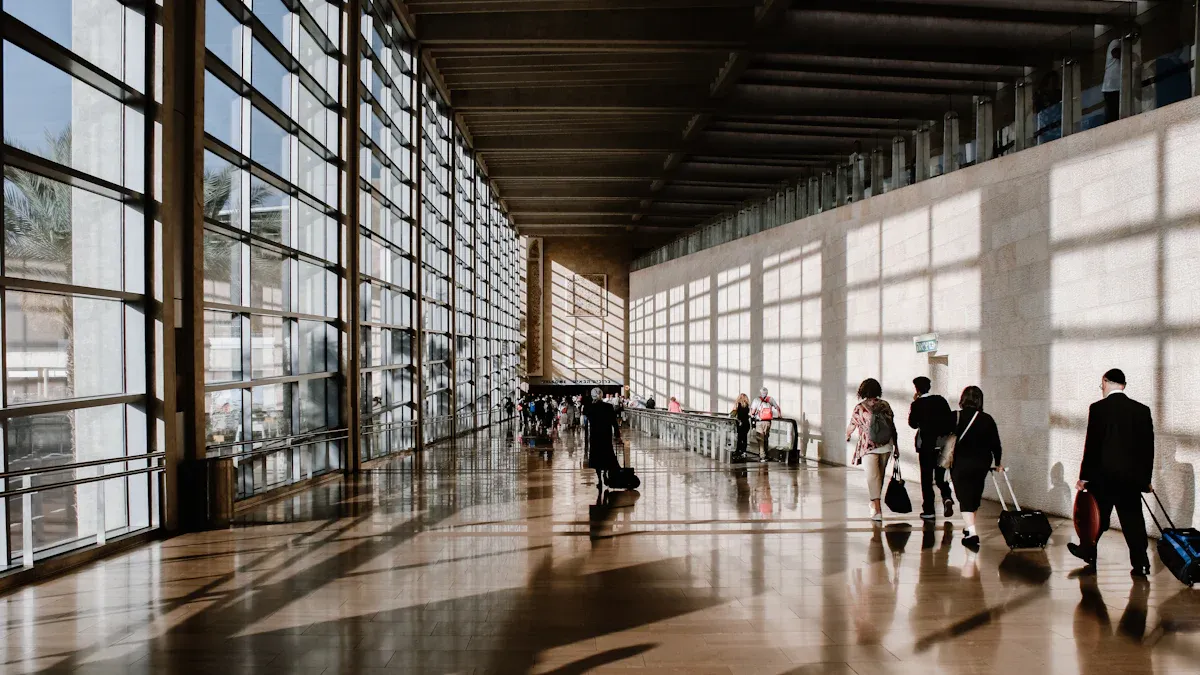
Airports now use smart systems to help you move faster. Queue automation makes your trip easier. You can check in online or use an app to get your spot. These systems let you skip waiting in line and save time. Many airports use QR codes for boarding passes and luggage tags. You just scan and go. AI-powered analytics show you the best counter, so you do not waste time. Real-time updates tell you about your wait and what to do next.
Here are some main features you might see at big airports:
Description | |
|---|---|
Remote Sign-ups | Check in online or with your phone, so you don’t have to wait in person. |
Automated Boarding | Use QR codes for boarding passes and luggage tags. |
Smart AI-Powered Analytics | Get directed to the fastest counter, reducing congestion. |
Integrated Communication Channels | Receive real-time updates and notifications. |
Biometric and Security Authentication | Move through security with self-service kiosks and biometrics. |
Priority Queuing Policies | Passengers with priority get directed to special lanes. |
Automated Luggage Drop | Drop your bags quickly with automated systems. |
Self-Service e-Gates | Pass through security faster with minimal staff. |
Real-Time Analytical Tools | Airports optimize resources and cut operational costs. |
These features help you by making lines shorter and your visit less stressful. Airports also save money and work better.
Virtual Queuing and Mobile Apps
You do not have to stand in a crowded line anymore. Virtual queuing lets you wait for your turn using your phone. You can shop or relax until it is your turn. Stores get better feedback from customers when they use virtual queue management. Passengers like having the freedom to shop while waiting. More than 90% of travelers say they feel happier with virtual queuing.
There is less crowding in lines.
You get more time to shop or relax.
Stores ask for feedback after your visit to improve service.
Mobile apps for virtual queuing help make wait times shorter. MyTurn can cut wait times by up to 42%. Qtrac technology tracks passengers as they move in the queue. This makes service faster and more efficient.
Qtrac queue management technology solutions help service go faster and make passengers happier by counting and tracking people as they move in, through, and out of the queue and into the service area.
Self-Checkout and Contactless Payment
You do not need to wait for a cashier now. Self-checkout lets you scan, bag, and pay for your items by yourself. Contactless payment makes it even faster. These systems can make checkout times shorter by about 30 seconds each time. Stores can help up to 50% more customers than before. Lines can be up to 40% shorter during busy times.
You scan and pay without help.
You finish shopping faster.
Stores help more people in less time.
Self-checkout and contactless payment help reduce lines, especially when airports are busy. You get a smoother shopping trip, and stores sell more.
Real-Time Data and Layout Optimization
Airports use real-time data to make shopping easier for you. They watch how people move and where they spend time. This helps them design better store layouts and use staff better. You see deals in busy spots, and staff can go where they are needed most. Heatmaps show where people gather, so stores put products where you will see them first.
Here is what happens when airports use real-time analytics:
Outcome Description | Measurable Impact |
|---|---|
Reduction in peak wait times and queue lengths | Improved operational efficiency |
Improvement in average dwell times | Enhanced customer experience |
Increased throughput during constrained windows | Boosted revenue generation |
Energy consumption reduction per square foot | Cost savings and sustainability |
Guest satisfaction scores (NPS) | Higher customer loyalty and repeat visits |
You get shorter lines and a better shopping trip. Stores sell more and save money. Duty-free stores can look at what people buy to find ways to sell more, which means each passenger spends more.
Tip: Airports think about the cost of new technology and the benefits. Happy passengers spend more—up to $44 on average. Unhappy ones spend less, around $29. Shorter waits mean you have more time to shop and eat.
Reducing lines is not just about speed. Airports and stores must balance working well, saving money, and making you happy. Smart systems, virtual queuing, self-checkout, and real-time data all help. You feel less stress and have more time, and stores do better.
Traditional vs. Modern Approaches
Manual Queue Management
You have probably seen long lines at airport stores. Staff try to help, but manual queue management is hard. When many people come at once, it is tough to control. Lines can get mixed up and feel messy. Staff must guess how many people will show up. They also guess where people will go. This makes it hard to keep wait times short.
Here are some main problems with manual queue management in busy airports:
Queues change fast, so staff cannot always keep up.
Big airports have unpredictable passengers, making it harder to manage.
You might see staff telling people where to go and answering questions. They also try to keep everyone calm. This takes a lot of time and energy. Manual systems cost less, but they do not work well with big crowds.
Technology-Driven Solutions
Now, airports use digital tools to make shopping easier. Technology-driven solutions help reduce queues and make things smoother. You can check in from your phone or use self-service kiosks. These systems move people faster and help stores serve more customers.
Let’s look at how different queue management types compare:
Queue Management Type | Characteristics | Efficiency Level |
|---|---|---|
Traditional Queue Systems | Physical lines, first-come, first-served | Low cost, low efficiency |
Virtual & Mobile Queuing Systems | Remote check-in, SMS updates | High efficiency |
Self-Service Queue Systems | Kiosks & automation, faster processing | Improved customer flow |
With digital solutions, you do not have to stand in line as much. You can shop, relax, or eat while you wait for your turn. Stores use real-time data to see where people are. They send staff where they are needed most. You get faster service, and stores sell more.
Note: Modern systems help airports handle crowds better and keep passengers happy. You spend less time waiting and more time enjoying your trip.
Case Study: Queue Reduction Success
Implementation Steps
You might wonder how airports start to cut down lines in busy stores. Here is what works well:
Airports use spatial segmentation. You see clear barriers, like belts, that split up different lines. This helps you know where to go.
Signs help a lot. When you see signs, you feel sure about which line to join. You do not have to guess.
Good design gives clues. You notice where to stand and how to move forward. This keeps people moving and stops confusion.
At San Francisco International Airport, there are parallel lanes for different passenger types. This setup makes it easy to find your lane and keeps things smooth.
Airports also face some problems when they try new systems:
Crowds during busy times can still make people upset. Sometimes, people worry about missing flights.
Staff need good training. They must spot problems and help you fast.
Security checks and immigration add extra steps. These can slow things down if not managed well.
Results and Insights
You see real changes when airports work to cut down lines. Seattle-Tacoma International Airport used virtual queuing. You could book a time for security screening. This meant you waited less and had more time to shop or relax.
Passengers felt happier and less stressed.
Stores saw more sales because you had more time to look around.
The airport ran better, even when it was busy.
Airports check if their plans work in many ways. Here is how they measure success:
Description | |
|---|---|
Customer Satisfaction | Tracks how long you wait and how well baggage is handled. |
Operational Efficiency | Looks at how self-service and real-time info make lines shorter. |
Financial Performance | Checks if happier passengers help stores sell more. |
Comparative Benchmarking | Compares wait times and happiness with other airports. |
Continuous Improvement | Sets goals and tracks progress to keep getting better. |
You can see that cutting down lines helps everyone. You get a better trip, and airport stores do better business.
Reducing queues makes your airport trip smoother and less stressful. You get more time to shop or relax, and stores see better sales. Digital and data-driven tools help you and airport staff in many ways:
AI-driven systems can cut wait times by 40% and boost service speed by 25%.
Accurate wait time estimates build trust and keep lines moving.
Managers use real-time data to adjust staff and prevent long lines.
If you run an airport store, try these tips:
Watch queue lengths with real-time data.
Use software to predict busy times and plan staff.
Open extra service points when needed.
Show clear signs and wait times to help passengers.
Keep checking your system and make changes as needed. When you focus on reducing queues, everyone wins.
FAQ
How do virtual queues work in airport stores?
You join a line using your phone or a kiosk. You get a text or alert when it’s your turn. You can shop or relax while you wait. No need to stand in a crowded line.
Are self-checkout systems easy to use?
Yes! You scan your items, pay, and go. The screens give you simple steps. If you need help, staff are nearby. You finish shopping faster and skip the wait.
Will digital queue systems keep my information safe?
Most airports use secure systems. They protect your data with strong encryption. You only share basic details, like your name or phone number. Your privacy matters.
What if I don’t have a smartphone?
You can use in-store kiosks or ask staff for help. Many airports offer both digital and manual options. You won’t miss out on faster service.
Do shorter lines really help airport stores?
Benefit | Impact |
|---|---|
More sales | Shoppers buy more |
Happy customers | Better reviews |
Less stress | Staff work easier |
Shorter lines help everyone win!
See Also
Transforming Your Store With Cashierless Shopping Solutions
The Progression of Self-Service Checkout Technology
Analyzing Walgreens Self-Checkout: Benefits and Hurdles
Enhancing Office Efficiency With Intelligent Vending Machines
