Why Cashierless Stores Are the Future of Shopping

By 2025, the world expects over 10,000 autonomous stores, signaling a seismic shift in how we shop. This explosive growth underscores the future of cashierless retail, which hinges on three pillars: frictionless experiences, operational efficiency, and data-driven personalization. You might wonder how this technology works, what trends are accelerating its adoption, and whether the challenges outweigh the rewards. These questions matter because cashierless shopping transforms your daily routine—you walk in, grab what you need, and leave, skipping the checkout line entirely. This emerging future of cashierless retail delivers unmatched convenience, while cashier-free stores cut labor costs and boost revenue. Are you ready to embrace hassle-free shopping, or will you let competitors seize the lead? The time to act is now.
Key Takeaways
Cashierless stores use sensors, cameras, and AI so you can pick up items and leave without waiting in line.
These stores can boost sales by 13.9% and lower expenses by 14.8%, so they are a wise business option.
Cashierless technology is now moving past small shops into grocery stores, stadiums, and airports.
Privacy worries are handled by using unnamed data and clear rules, so your private details remain protected.
Stores can begin with a small test program to try out the technology and see good results within two years.
How Cashierless Stores Work
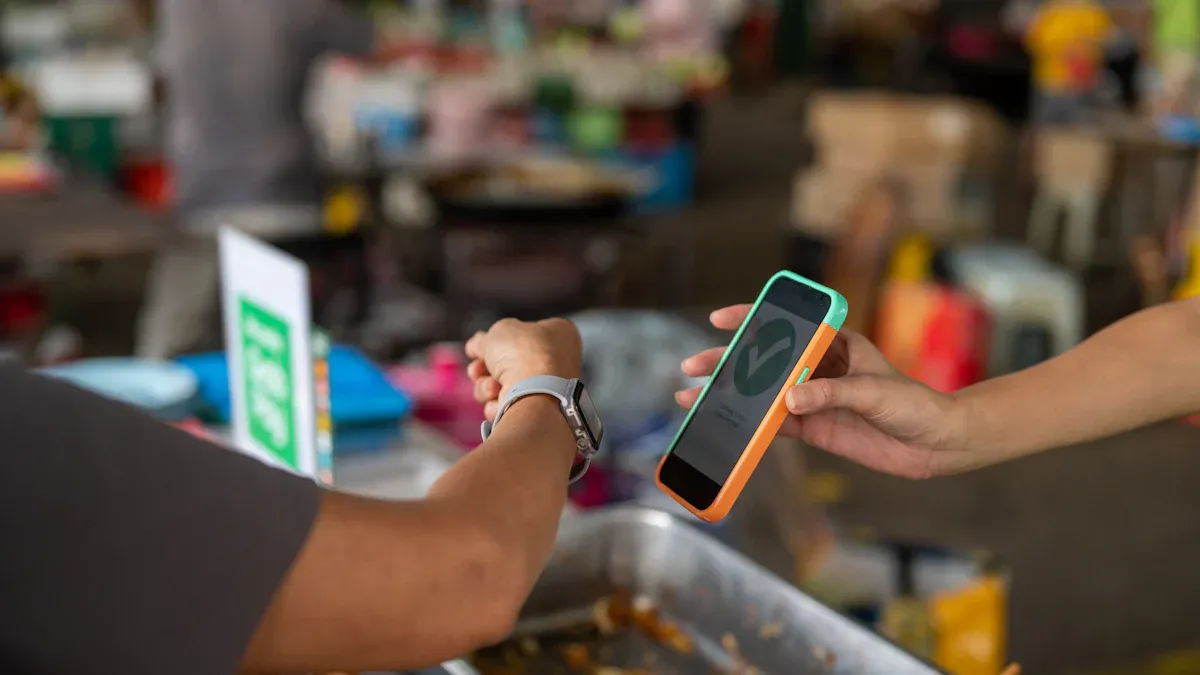
Cashierless stores make shopping smooth and easy. You walk in, pick up items, and leave without waiting in line. Behind this simple process, many advanced systems work together instantly. As of 2024, over 3,000 cashierless stores run around the world, and experts expect that number to hit 10,000 by 2025. This fast growth shows the model really works.
The Technology Behind Cashierless Shopping
The main idea is "grab-and-go." You enter, choose products, and walk out. The system pays for everything automatically. Four key technologies make this happen:
Technology | Description |
|---|---|
IoT (Internet of Things) | Sensors and cameras placed around the store watch what customers do and which items they touch. |
AI and Machine Learning | Studies the data and makes smart choices, so billing and transactions happen on their own. |
Computer Vision | Cameras and image software recognize and follow the products you pick up. |
Sensor Fusion | Algorithms pull together data from many sensors and cameras to keep exact track of items and shoppers. |
The process follows three easy steps. First, you enter the store and connect your payment method using an app or QR code at the gate. No biometric data is collected. Second, the technology notices when you take items off shelves or put them back. Computer vision and RFID keep track inside a virtual cart. Third, when you leave, the system charges you automatically for what you keep. Your receipt shows up online.
These systems work very fast. Real-time tracking delays stay under 200 milliseconds thanks to optimized runtime engines. The whole process finishes in less than 1.2 seconds even when 150 people use the store at once. This speed keeps things running smoothly during busy times.
Key Players in the Cashierless Ecosystem
Several companies compete in this growing market. Amazon Go started the trend with its own special technology. Standard Cognition offers a platform any retailer can use, making itself a strong competitor. Zippin runs its own San Francisco store and provides similar AI platforms. Grabango focuses on data ownership, so retailers keep their customer information.
Market data shows North America leads with over 40% market share. Europe follows at about 30%, and Asia-Pacific sits near 20%. These regional gaps come from different labor costs and how quickly stores adopt new technology.
Startups stand out by being flexible. Standard Cognition and Zippin sell their systems to stadiums, convenience stores, and grocery chains. They promise better profit margins and less theft. Unlike Amazon's closed system, these providers work with existing checkout setups. This way, stores keep human interaction while gaining efficiency. Retailers enjoy the perks of cashierless shopping without having to redesign their entire store.
Trends Shaping the Future of Cashierless Retail
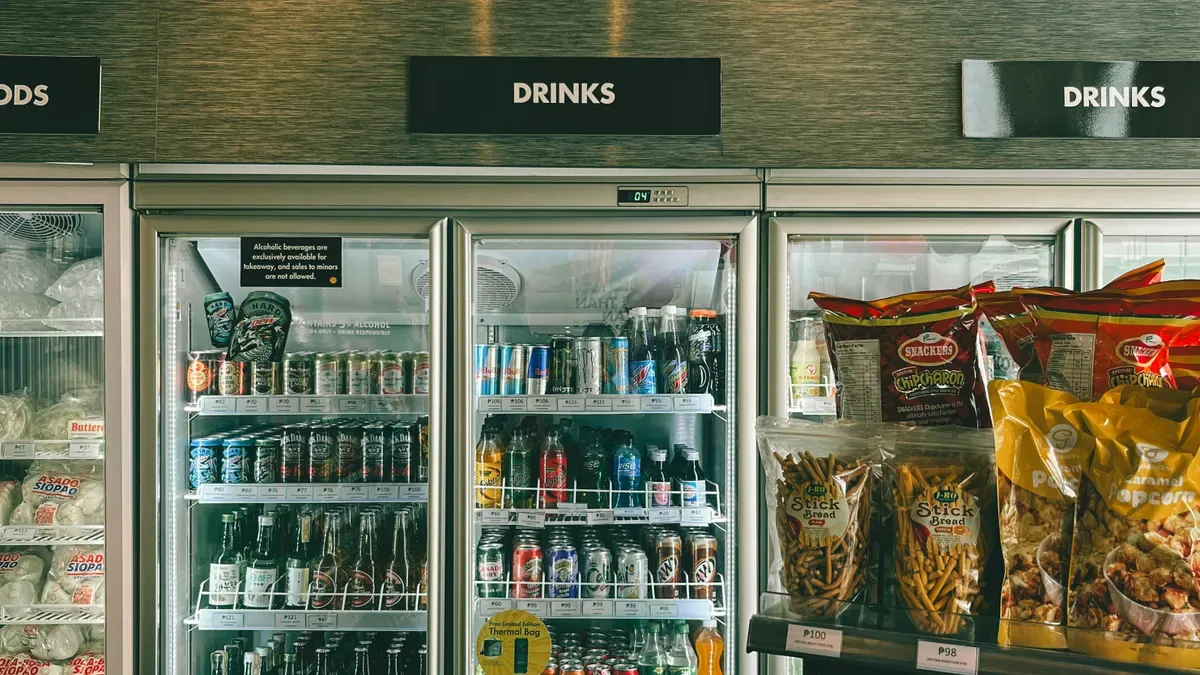
Cashierless technology is now used in more than just small stores. You find it in supermarkets, clothing stores, stadiums, and airports. This big change shows how shopping is different now. Stores use this system mainly to make more money by selling more and spending less on workers. Many stores are switching to fully cashierless. Let's see how these changes affect your shopping.
Expansion Beyond Convenience Stores
Big grocery stores are leading the way. Tesco, Kroger, and Carrefour use smart carts with AI that track items on their own. You take items from shelves, and the cart shows your total right away. No scanning or waiting in line is needed. This tech makes your grocery shopping much faster. Clothing stores like Uniqlo and Zara are trying RFID checkout systems. You choose clothes, walk through a gate, and the system charges you. You don't need a cashier or self-checkout machine.
Busy places like stadiums are also using cashierless shopping. By November 2024, about 250 cashierless stores are in stadiums and arenas around the world. That number is up by about 100 stores since October 2023. NFL stadiums and the Intuit Dome now have checkout-free food stands. You get a hot dog and a drink, and you leave without waiting at halftime. This speed makes fans happy and boosts food sales.
More places are expected to grow even more. Experts think there will be fast growth in stadiums, airports, transit hubs, fully self-service stores, schools, hospitals, and hotels. Each place gets shorter wait times and quicker payments. This system makes shopping easier by removing problems at every step. You wait less and enjoy your time more.
AI-Powered Personalization and Profit Growth
Besides being easy, cashierless stores use AI to make more money. Seeing stock in real time changes how stores manage their goods. The system knows what you take from the shelf and what you leave. This info lets stores order more of popular items right away and cut down on things that sell slowly.
A study on stores without workers shows big gains. Researchers found that tracking products is the most important thing for making more money, saving costs, and working better. The study predicts average gains of 13.9% more revenue, 14.8% lower costs, and 20.8% better efficiency. These numbers show the real benefits of going cashierless. But the study warns: cutting costs or raising revenue may increase profit but not always improve the profit margin. You need to look at the whole money picture before switching.
Cashierless tech helps stores work better, protect profits, and grow. Stores use AI to look at what you bought before and give you suggestions at the right time. This personalization makes you come back and buy more. You get suggestions just for you, making shopping feel easy and helpful. The system learns what you like and changes over time.
The mix of real-time data and AI makes a good cycle for stores. Better stock management means fewer items run out. Faster checkouts make customers happier and more loyal. More sales improve profits overall. Stores that use cashierless retail get an advantage from data insights and good operations. Your shopping trip gets smoother, faster, and more personal each time.
Challenges and Solutions for Cashierless Stores
Every new retail idea has problems. Cashierless stores face two big issues: high setup costs and customer privacy worries. You need real answers to fix both. Knowing these issues helps you choose wisely about using this technology.
High Costs and ROI Justification
The starting cost for cashierless tech can seem scary. Cloudpick says hardware costs between $100,000 and $500,000. Small micro-markets need less money. Large grocery stores need much more. Digit7 agrees, with costs from $150,000 to $500,000+ per store. Small setups begin around $100,000. These prices make any store think twice.
Look at the long-term gains before saying no. The money benefits tell a strong story:
Financial Benefit | Metric |
|---|---|
Labor Savings | 20–30% cut in wage costs through automation |
Sales Uplift (peak hours) | 36% boost with vision-based checkout |
Shrinkage Reduction | 50–56% drop in lost inventory using AI loss-prevention |
Payback Period (Micro-Market) | 6–12 months |
Payback Period (Large Store) | Up to 2 years |
Long lines cost stores money every day. Automated checkout removes that problem. You get back your starting cost through lower payroll and higher sales. One supply-chain project tied to Amazon's cashierless stores saves almost $1 million each year. It also saves thousands of hours of store work. The system cut shipping time from eight days to three days, reducing food waste. AI agents can lower retail labor costs by up to 40% by handling repetitive jobs. Behavior-based personalization boosts sales by up to 15%. Customers who get personalized shopping are 40% more likely to spend more than planned. Amazon Go's checkout tech cuts wait times by 20-30%. These gains add up over time, making the payback period shorter than you think. You can also roll out in phases. Start with one part of your store. Test the system. Check results. Then grow slowly as you see good outcomes.
Privacy Concerns and Consumer Trust
Privacy issues are a different kind of problem. Shoppers worry about being watched and having data collected. One industry expert asked a key question:
"To what extent will consumers' privacy concerns limit the pace of adoption, given recent heightened attention?"
Studies show this worry is real. A survey of 539 people across three types of cashierless systems found that data privacy concerns hurt shoppers' happiness and their willingness to use these systems. The systems studied included mobile apps, face recognition, and self-checkouts. This result directly proves that privacy is a top customer concern.
You can build trust with clear rules. Offer opt-in programs so customers choose their level of involvement. Make all collected data anonymous so no one can be identified. Explain clearly what you track and why. Say that cameras watch products, not people. Stress that no biometric data is collected while shopping.
Clear communication turns doubt into trust. When customers understand the system, they feel safer. Put up signs explaining the technology. Train staff to answer data questions. Post a simple privacy policy on your website. These actions show you respect customer limits.
Cashierless tech works when you balance new ideas with openness. The efficiency gains justify the cost. The trust you build keeps customers coming back. You handle cost issues with step-by-step setup. You handle privacy issues with honest talk. Both problems have real fixes. Stores that manage these hurdles set themselves up for lasting success in the changing retail world.
Cashierless technology works. Adoption grows daily. The benefits of convenience, efficiency, and profit outweigh the hurdles. You now understand how these systems operate and why they matter.
By adopting advanced technology, regional grocers can differentiate themselves from competitors and attract tech-savvy consumers.
Competition in retail has evolved, and now it's not just about offering better products and prices, but about the whole buying experience. Automated systems are empowering retailers to innovate, adapt, and thrive in an increasingly competitive market landscape.
The future of cashierless retail belongs to early adopters. Cashierless shopping delivers real results today. Cashierless stores reduce friction and build loyalty. Frictionless shopping creates experiences customers love.
Retailers who ignore this shift risk being left behind. Start small. Pilot a cashierless solution. Learn how to harness the power of frictionless shopping today. Share your thoughts or questions in the comments below.
FAQ
How much does it cost to convert a store to cashierless?
Hardware costs range from $100,000 to $500,000 depending on store size. Small micro-markets start around $100,000. Large grocery stores need more investment. Most retailers recover their costs within two years through labor savings and increased sales.
Is my personal data safe in a cashierless store?
Yes. Stores use anonymous data collection. Cameras track products, not people. No biometric data gets collected during shopping. You connect your payment method through an app or QR code. Retailers explain their privacy policies clearly before you enter.
What happens if the technology makes a mistake?
The system tracks items with high accuracy. Real-time processing completes in under 1.2 seconds. If an error occurs, you receive a digital receipt immediately. You can request corrections through the store's app. Most retailers resolve billing issues quickly through customer support.
Can I still pay with cash at a cashierless store?
Most cashierless stores require digital payment through their app or a linked card. Some hybrid locations offer self-checkout kiosks for cash users. Check the specific store's policy before visiting. The trend points toward fully digital transactions as the technology expands.
See Also
Cloudpick Delivers Seamless Checkout-Free Shopping Experience
Artificial Intelligence Stores Represent Tomorrow's Retail Evolution
Walmart's Self-Service Kiosks: Upcoming 2025 Policy Updates
Global Automated Retail: Comparing Micromarkets And Smart Stores
Walgreens Self-Checkout Systems: Retail Convenience And Hurdles
