The Financial Impact of Cashierless Technology

Cashierless store technology gives you back your full investment in 6 to 12 months for micro-formats and up to 2 years for large stores. You lower labor costs, cut shrinkage by up to 56%, and increase sales during busy hours by over 30%. These numbers provide a clear financial answer. This article is your guide. You will look at real costs, measure benefits, and figure out ROI for different store types. You need a clear way to make a profit. Cashierless stores offer that way. You change how you work and earn more money. The technology gives you an edge over others. Your profit margins get much better. This guide gives you the tools to make a confident decision. You know exactly how cashierless affects your profits.
Key Takeaways
Cashierless technology pays back your investment in 12 to 24 months.
Labor costs drop by 20 to 30 percent when you move staff from registers.
Peak‑hour sales increase by over 30 percent when checkout lines disappear.
Shrinkage falls by 50 to 56 percent with AI loss‑prevention software.
Start with a pilot in one busy area before converting your whole store.
What Is Cashierless Store Technology?
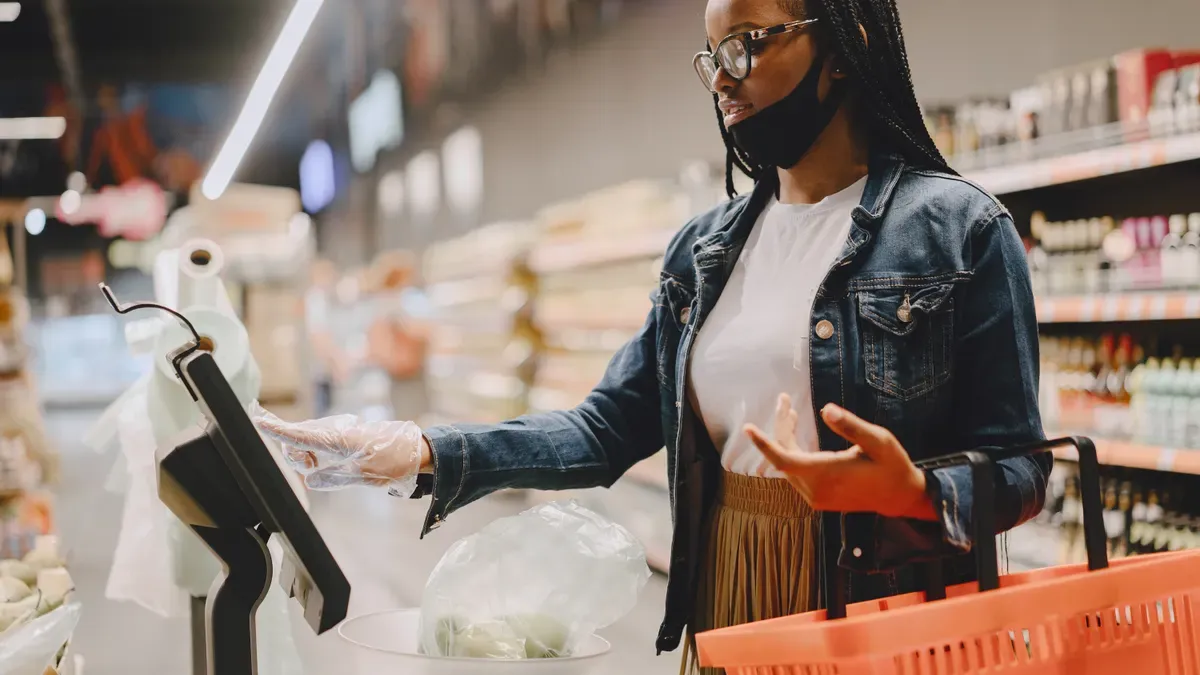
Cashierless store technology uses AI-powered cameras, sensors, and computer vision to track items when you pick them up. The system removes traditional checkout lines completely. You walk in, grab what you need, and leave. The technology charges your account automatically. This approach turns your store into an automated retail space. You take away friction from every transaction. Your customers enjoy a smooth shopping experience from entry to exit.
Core Components and How It Works
The system uses ceiling-mounted cameras and shelf sensors that work together. Computer vision algorithms identify each product you take from a shelf. Sensor fusion combines visual data with weight measurements for accuracy. The software builds a virtual cart for every shopper in real time. You leave the store, and the system completes the transaction. This full solution needs no scanning, no waiting, and no checkout staff.
The hardware costs have dropped a lot in recent years. Modular systems now let you set up cashierless technology in smaller spaces. You can start with one section of your store instead of changing everything at once. This ease of use shortens your return on investment timeline. The technology now works as a smart financial tool, not just a new idea. You get clear data on customer behavior and product movement. This information helps you improve pricing and inventory choices.
The Shift to Cashierless Operations
The COVID-19 pandemic sped up the move to automated stores dramatically. Checkout lines became the most dangerous spot for spreading germs. Retailers put up barriers and thought again about cashier interactions for good. The pandemic showed how valuable frictionless shopping is. Early users, like city stores and sports venues, moved quickly to handle capacity and social distancing. Consumer behavior changed for good. Shoppers now expect self-service options as a normal convenience.
The comparison between cashierless vs traditional stores shows clear benefits. Traditional stores lose sales during busy times when lines get long. Cashierless stores keep those sales because customers never wait. The pandemic created a "better normal" where frictionless shopping becomes a long-term safety measure. You can use smart store automation to meet these new expectations. The technology gives a better shopping experience while lowering your operating costs. Retail technology now offers you a clear way forward. You can put in automated checkout systems that improve both safety and profit. This change is permanent in how stores operate. Your customers now want this level of convenience and speed.
Upfront and Ongoing Costs of Cashierless Store Technology
You need a clear picture of what this investment costs before you commit. The price tag varies with your store's size and complexity. A small micro-market setup starts around $100,000. A large supermarket deployment can reach $500,000 or more. These figures cover the hardware, installation, and integration with your existing systems.
Initial Setup and Integration Expenses
Your upfront investment breaks down into several parts. You pay for ceiling cameras, smart shelves, entry gates, and the computer vision software that runs everything. The hardware alone for a convenience store costs about $50,000 as a separate item. This amount does not include software setup and integration costs, which add a lot to your total.
The table below shows what you can expect across different store formats:
Store Format | Upfront Hardware Cost | Monthly Ongoing Cost |
|---|---|---|
Micro-Market / Kiosk | $100,000 | $5,000 |
Mid-Sized Convenience | $250,000 | $10,000 |
Large Supermarket | $500,000 | $15,000 |
Newer modular systems change this picture a lot. You can now start with just one part of your store instead of changing everything at once. This approach lowers your starting costs and shortens your payback time. You test the technology, collect data, and grow step by step as you see results.
Monthly Operational and Maintenance Fees
Your ongoing costs continue after setup. You pay monthly fees for cloud computing, software updates, vendor support, and system upkeep. These running costs range from $5,000 to $15,000 per month based on your store's size. A micro-market operation sits at the lower end. A full supermarket deployment reaches the higher figure.
These monthly fees cover constant monitoring and fine-tuning of your system. The software needs regular updates to boost accuracy and add features. Your vendor provides technical help when problems come up. You also pay for the cloud system that handles the huge amount of visual data your cameras collect every day.
The total cost picture matters more than single items. You must weigh these expenses against the labor savings and extra revenue you gain. Cashierless store technology gives real returns, but you need accurate cost estimates to figure out your true ROI. The next section shows you exactly how those benefits add up.
Quantifying the Financial Benefits of Cashierless Stores
The financial case for cashierless store technology is based on three main areas: labor reallocation, revenue growth, and shrinkage reduction. Each area gives you returns you can measure, and they add up across your store. Knowing these benefits helps you guess realistic payback times and make a strong business case for your investment.
Labor Reallocation Benefits
Labor is your biggest cost you can control. Cashierless checkout gets rid of the need for staff just at registers, freeing those hours for more valuable work. According to McKinsey, automation in retail checkout can cut labor costs by 20–30% in the coming years. You get this cut by moving employees from checkout jobs to customer service, store cleaning, and restocking tasks that directly make your store better.
The 2024 NVIDIA survey backs this up. Among retailers using AI-driven systems, 72% said their operating costs went down. Nearly 28% saw cuts between 5–15%, while 23% got savings above 15%. These numbers show that cashierless stores give steady labor savings in different store types and sizes.
You move your workers in a smart way. Instead of two cashiers at a register area, you put those workers on the floor. They help shoppers with product questions, keep shelves full, and clean the store. This change makes the shopping experience better while lowering your wage bill. The gain in efficiency goes beyond payroll. Your staff gets more productive because they focus on tasks that make money instead of handling transactions.
Revenue Growth and Shrinkage Reduction
Long checkout lines cost you real money. Research shows that up to 11% of shoppers leave their items behind during busy hours when lines get long. Cashierless stores get rid of this problem completely. Vision-based checkout systems raise busy-hour sales by 36%, while AI-powered setups increase peak sales by 30–38%. You grab the money that regular stores lose because customers wait.
The Amazon Go case study shows this idea in action. Using computer vision and sensor fusion, Amazon Go gets rid of checkout lines completely. The reported effect is almost no wait time while the store is open. This directly protects sales during busy hours by stopping customers from leaving items behind because of long lines.
Amazon Go case study: Using computer vision and sensor fusion, Amazon Go gets rid of checkout lines completely. The reported effect is near-zero wait time while the store is open, which directly protects peak-hour sales by stopping customers from leaving items behind because of long lines.
Other retailers back up this approach. Giant Eagle launched AI-powered checkout-free technology in a GetGo store near Pittsburgh. Tesco opened a second cashless store in central London. 7-Eleven started a cashierless test at its headquarters. Each setup aims for the same goal: getting rid of busy-hour checkout delays.
Shrinkage reduction adds another layer to your profits. AI loss-prevention software cuts lost inventory by 50–56%. Real-time monitoring lowers theft by 56% through exact tracking. Smart shelves and cameras stop theft while making sure every item taken is recorded. Sensor fusion and computer vision track inventory and customer interactions almost in real time.
The table below summarizes the key financial metrics:
Financial Benefit | Specific Metric / Target |
|---|---|
Labor Savings | 20–30% wage cost reduction via automation |
Sales Uplift | 36% boost in busy-hour sales with vision-based checkout |
Shrinkage Reduction | 50–56% drop in lost inventory using AI loss-prevention |
Payback Period | 6–12 months for micro-formats; up to 2 years for large stores |
Real-time inventory tracking also makes your stock management better. You watch product purchases as they happen, cutting down on spoilage and out-of-stock problems. This view of your operations helps your ROI directly by cutting waste and keeping shelves full. The mix of labor savings, sales boost, and shrinkage reduction creates a strong financial picture. Your profits grow from many sides at the same time, making cashierless store technology a smart investment, not just a cost.
Calculating Retail ROI Across Store Formats
Your return on investment depends on your store format. Smaller setups with high transaction volume deliver faster payback. Larger locations with higher integration costs take longer. You need to match your format to the right financial model. This section gives you specific timelines and scenarios for each format.
ROI Timelines for Micro-Markets
Micro-markets offer the fastest path to a positive return. Setup costs stay low at around $100,000. Monthly fees run about $5,000. These small spaces handle high transaction volumes. Customers move through quickly without waiting. Unmanned locations achieve higher transaction volumes than traditional retail. The convenience of cashierless systems drives repeat visits. Most robot-run unmanned locations recover their investment in about 2.5 years. Smart vending units in high-traffic locations use proven technology to achieve payback in 6 to 12 months. Self-checkout kiosks show positive roi within 12 to 18 months. Your micro-market can reach a faster roi when you place it in a busy location. The combination of low costs and high volume works in your favor. Your profits start growing within the first year.
ROI Scenarios for Larger Store Formats
Grocery locations face a longer payback period. Setup costs run from $250,000 to $500,000. Monthly fees range from $10,000 to $15,000. Larger footprints require more cameras and sensors. At over 10,000 square feet, the number of cameras needed becomes substantial. The cost of camera infrastructure and web services adds significant upfront capital. Integration with existing systems also adds complexity. Perishable departments must be merchandised differently. These changes add hidden costs and lengthen your payback.
Cashierless store technology for these formats typically pays back in 18 to 36 months. The return for a cashierless store requiring much technology is not sustainable at large scale today. The cost to deploy and maintain the current systems is prohibitive for most retailers. However, the long-term savings remain substantial. You reduce labor costs by 20 to 30 percent. You boost peak-hour sales by over 30 percent. You cut shrinkage by 50 to 56 percent. These savings add up over time. Your retail roi improves as you scale.
The table below compares the three main store formats.
Store Format | Setup Cost | Monthly Fee | Projected Annual Savings | Payback Period |
|---|---|---|---|---|
Micro-Market | $100,000 | $5,000 | $150,000 – $200,000 | 6–12 months |
C-Store | $250,000 | $10,000 | $250,000 – $400,000 | 12–18 months |
Grocery | $500,000 | $15,000 | $300,000 – $500,000 | 18–36 months |
You must pick the right format for your goals. Micro-markets give you fast payback. Larger locations give you greater long-term profits. Both options work when you plan carefully. Cashierless stores require a clear strategy. Cashierless stores change your operating model. Your choice of store format determines your financial outcome. Evaluate your traffic patterns and labor costs first. Then match your investment to the expected payback. This approach ensures your investment pays off.
Strategic Implementation for Maximizing ROI
Your implementation strategy determines whether cashierless technology delivers strong retail roi or becomes a costly experiment. You need a deliberate approach that matches your store's reality. Start with a clear plan, then execute methodically.
Site Selection and Hybrid Model Deployment
Location drives your success more than any other factor. You must evaluate traffic patterns first. High-traffic locations with demand outside staffed hours benefit most from autonomy. Your product mix matters equally. Packaged snacks and beverages work well for automated systems. Fresh meals, high-value goods, or age-restricted items require additional equipment and security considerations. You also need to assess your security environment. A street-facing location carries different risks than a corporate campus. Field operations matter too. Response time for restocking, cleaning, and equipment support becomes critical as distance from your team grows.
You should not convert your entire store at once. Start with a pilot in one section or a single high-traffic location. This hybrid model lets you test the technology, gather real data, and refine your approach before full rollout. Amazon Go demonstrates this principle perfectly. The best new ideas solve real problems instead of trying to change the whole business at once. You fix specific pain points in your store rather than overhauling everything simultaneously. This measured approach protects your capital while you validate the system.
Leveraging Data for Merchandising Efficiency
Cashierless stores generate rich data that transforms your merchandising decisions. Computer vision systems track dwell time and gaze time. You learn exactly how shoppers interact with products on each shelf. This information tells you which products deserve prime placement and which need repositioning. You determine the marketing value of every shelf position.
AI-powered analytics tools extend this capability further. Ydistri AI identifies slow-moving stock in one store and suggests redistributing it to a location with higher demand. You reduce waste and prevent stockouts simultaneously. Omnistream analyzes purchase data to recommend store-specific planograms. An urban store might add more ready-to-eat items during weekday lunch hours. Another location might adjust size assortments based on local preferences. You respond rapidly to local trends.
Dynamic pricing becomes practical with real-time data. Carrefour uses digital price tags for instant price updates. Zabka adjusts prices based on foot traffic patterns. Walmart monitors competitor prices automatically. You optimize sales and profit margins continuously rather than waiting for weekly reviews.
Staffing schedules also improve with this data. Shopic smart carts automatically recognize items and tally bills, freeing your staff to assist customers on the sales floor. You align labor hours with actual demand patterns. This approach streamlines operations and boosts your profits from multiple angles simultaneously. Your stores become more efficient, your customer experience improves, and your bottom line grows.
Addressing Challenges and Mitigating Risks
Cashierless technology brings real problems along with its financial gains. You must deal with privacy worries, customer trust, theft control, and staffing needs before you set it up. A clear plan to handle these issues protects your money and builds lasting trust.
Privacy Concerns and Customer Acceptance
The pause point moves from the checkout line to your store entrance. Customers must scan an app or payment card before entering. This step feels annoying, especially for first-time users. Some shoppers miss talking to store workers. Others feel uneasy about how much the system watches them. These worries directly affect how many people use the store.
Challenge/Risk | Evidence from Source | Mitigation Strategy |
|---|---|---|
Customer Adoption Friction | Moving the 'pause' point to the entrance feels annoying for first-time users | Study how customers react to different tech solutions; be ready for different needs |
Overlooked Customer Experience | Some shoppers miss staff interaction; others feel uneasy about being watched | Focus on the handoff from machine to human; always keep tech working well |
Even Amazon needed human reviewers to fix system mistakes | Have staff ready and a backup plan for when tech fails | |
Privacy and Trust Concerns | Lots of tracking worries people who care about privacy | Put customer confidence first; make sure someone helps when something goes wrong |
You build trust by being open. Tell shoppers exactly what data you collect and why. Give them the choice to use a regular checkout if they want. Keep staff at the entrance to help new users through the process. This method turns a possible problem into a good first impression. Your shopping experience gets better when customers feel in control instead of watched.
Managing Theft and Staffing Realities
Shrinkage drops a lot, but theft does not go away completely. You need security steps that work with your automated systems. RFID-based material identification checks signal strength and phase angle to find items hidden in backpacks or pockets. The system flags strange events for camera review or staff action.
Theft detection model works 89% of the time with one-second samples
Single reads work 74% of the time
Accuracy stays at 82% for tags 0.3–2 meters from the reader
Placed at aisle or door choke points, the system only calls staff when it flags a problem
This targeted method means you need fewer staff always on duty than in regular stores. You do not have to watch every checkout line all the time. Staff only step in when the system raises a flag.
But saving on labor is not a sure thing. Even Amazon Go still keeps a good number of workers for restocking, helping customers, and watching the system. Your cashierless stores still need people to keep shelves full, answer questions, and handle special cases. Plan for this reality in your staffing model. The convenience of automation does not get rid of your team. It moves them to more valuable tasks. Your stores run better when you mix smart technology with human judgment. This balanced method protects your profits while giving the smooth shopping experience customers now expect.
Cashierless store technology pays back your full investment in 6 to 12 months for micro-formats and up to 2 years for large stores. Lower labor costs, more sales, and less theft all work together to make this happen. You see clear financial gains in every type of store.
This technology is a smart long-term move. You need to look closely at your store's foot traffic and labor costs first. Where you put the store matters a lot. Busy areas with high demand give you the quickest return.
Cashierless stores improve the shopping experience and protect your profits. You remove checkout delays and win back sales you used to lose. Your profit margins get better over time as operating costs go down.
Check your current operations now. Use our ROI calculator to see if this investment works for your business. Your next profitable step begins with data-driven decisions.
FAQ
How quickly can I expect a return on investment?
Micro-market formats typically pay back within 6 to 12 months. Convenience stores see returns in 12 to 18 months. Larger grocery locations take 18 to 36 months. Your payback period depends on store size, transaction volume, and labor costs in your region.
What drives the biggest financial gains?
Labor reallocation delivers the largest savings. You cut wage costs by 20 to 30 percent. Shrinkage reduction adds another layer, cutting lost inventory by 50 to 56 percent. Peak-hour sales boost by over 30 percent when checkout lines disappear. These three factors compound your profits.
Do I need to convert my entire store at once?
No. Start with a hybrid model. Deploy cashierless technology in one section or a single high-traffic location. Test the system, gather real data, and refine your approach before full rollout. This strategy protects your capital while you validate performance. Your stores benefit from measured implementation.
Will customers accept the technology?
Most shoppers appreciate the convenience of skipping checkout lines. The shopping experience improves dramatically when you remove wait times. Be transparent about data collection and offer traditional checkout options. Keep staff available to assist first-time users. This approach builds customer trust and drives repeat visits.
What about theft and staffing concerns?
Shrinkage drops significantly, but theft does not disappear. Implement security protocols like RFID-based detection systems that flag suspicious activity. Staff still handle restocking, customer assistance, and system monitoring. You reallocate workers to higher-value tasks rather than eliminating positions entirely. Your profits grow through smarter labor deployment.
See Also
Cloudpick Delivers Seamless Checkout-Free Shopping Experience
Walmart's Self-Service Kiosks: Key Updates Coming In 2025
Walgreens Self-Service Terminals: Retail Pros And Pitfalls
Fixing Self-Checkout Cash Mistakes: Tips For Error-Free Payments
The Transformation Of Self-Service Checkout Systems Over Time
