How Cashierless Stores Are Shaping Tomorrow’s Shopping Experience

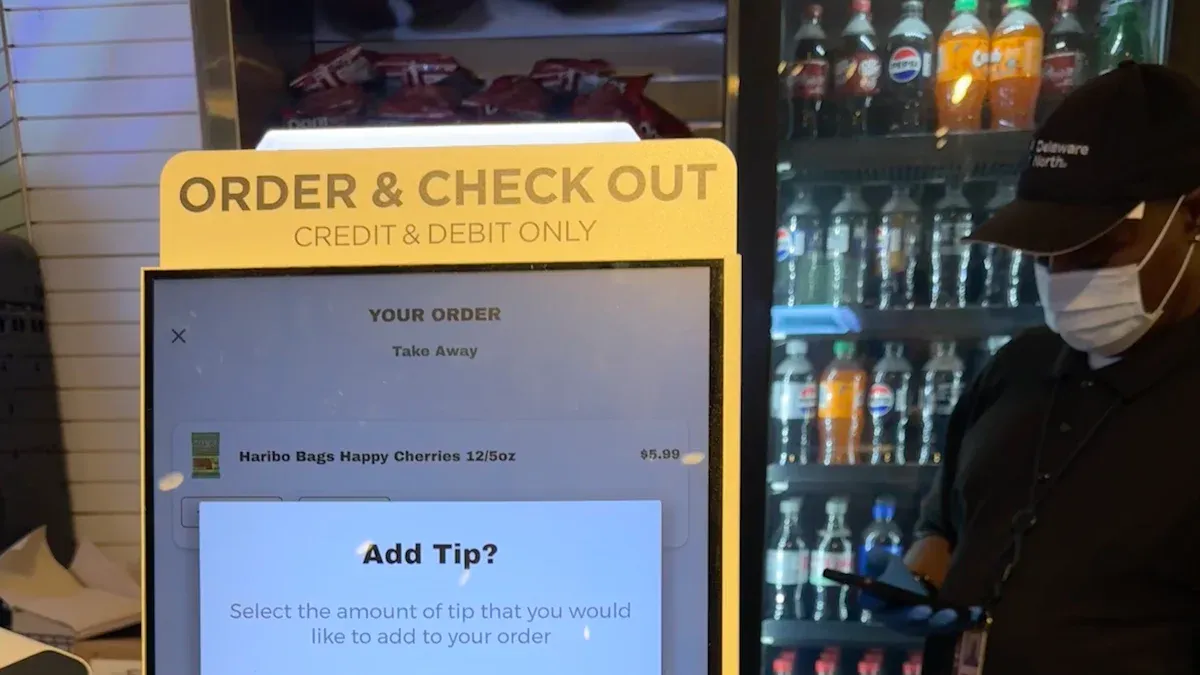
Imagine you walk into a store and take what you want without waiting in line. The future of cashierless retail allows you to do this seamlessly. You can use your phone or simply leave the store. Sensors and cameras monitor what you buy, making the shopping experience effortless. Many people are now choosing cashierless stores, as more than 60% of shoppers are willing to pay more for the convenience of easy shopping. About 42% prioritize convenience over price. This shift highlights how cashierless technology is transforming the shopping landscape. How will the future of cashierless retail impact your daily life?
Key Takeaways
Cashierless stores let you shop fast and easy. You can pick up things and leave without waiting in line. Advanced technology like AI, sensors, and mobile apps help make shopping simple. These tools also help stores learn what customers like. These stores save time and money because they need fewer workers. This can mean better prices for shoppers. Stores use data from your shopping to keep shelves full. They also use it to make your shopping better. As cashierless technology gets bigger, more stores will use it. Shopping will get faster and more personal.
What Are Cashierless Stores?
Definition and Key Features
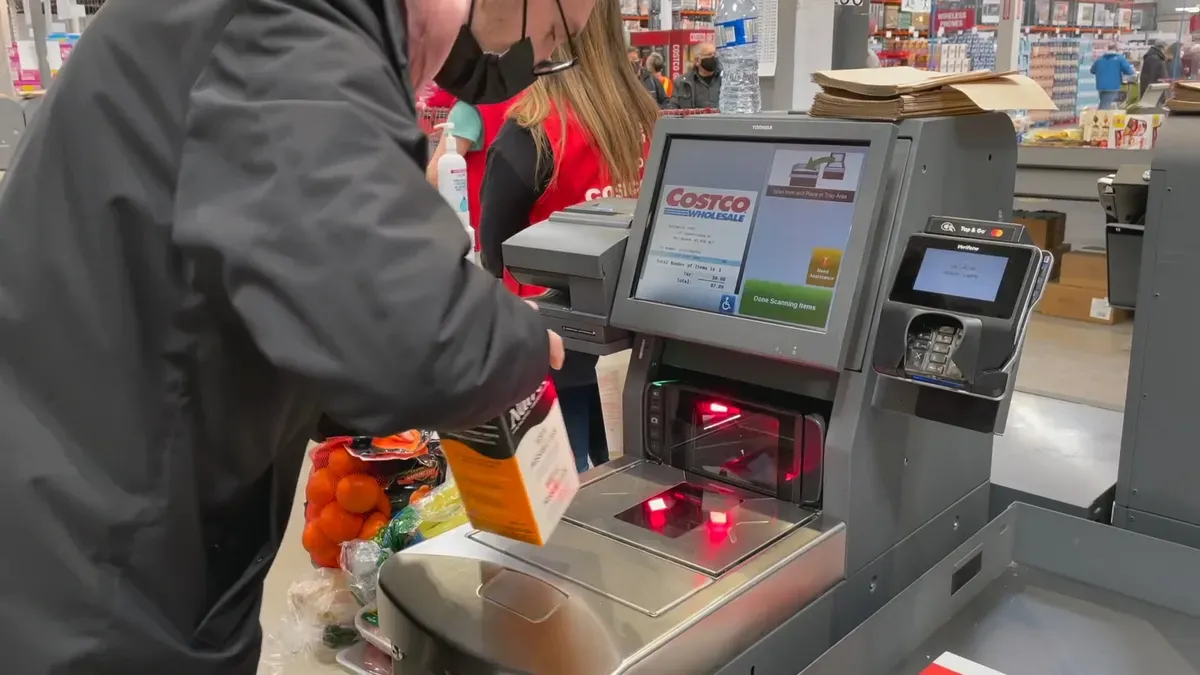
When you walk into cashierless stores, shopping feels different. These stores use special technology so you do not need cashiers. You just grab what you want, and the system keeps track. There are no lines or checkout workers to talk to. Cashierless stores are all about being quick and easy. You see more things on shelves because there are no big checkout counters. The store learns about what you like to buy right away. These stores need fewer workers, so they spend less on training. Many young people, like Gen Z, like cashier-free stores because they love using new technology.
You can tell that cashierless stores change how you shop. They make shopping quicker and simpler for you.
Here is a table that shows how cashierless stores compare to traditional retail stores:
Feature/Benefit | Cashierless Stores | Traditional Retail Stores |
|---|---|---|
Customer Experience | Unparalleled convenience and speed; no waiting in lines | Longer wait times at checkout |
Operational Efficiency | Enhanced store layout; more products displayed | Fixed checkout counters limit product display |
Data Collection | Real-time customer behavior insights | Limited data collection at checkout |
Labour Costs | Requires less staff; reduced training costs | Higher staffing needs for checkout operations |
Customer Attraction | Appeals to tech-savvy customers, especially Gen Z | Traditional shopping experience may deter younger customers |
How Cashierless Shopping Works
You begin shopping by going into cashierless stores. You might scan your phone or use an app to get inside. Sensors and cameras watch where you go and what you pick up. Artificial intelligence and machine learning help the system know what you buy. Electronic shelf labels show prices and information right away. RFID tags help keep track of items and stock. When you are done, you just leave the store. The system takes money from your account by itself.
Here is a table that explains the technologies used in cashierless stores:
Technology | Function |
|---|---|
Sensors | Track movement and placement of items in real time. |
Cameras | Capture images and monitor the shopping area, aiding in product identification and tracking. |
Artificial Intelligence (AI) | Analyze data from sensors and cameras to recognize products and customer behaviors. |
Machine Learning | Improve system accuracy and efficiency over time based on collected data. |
Mobile Applications | Serve as entry points for customers and link to payment information. |
Radio-Frequency Identification (RFID) | Help in tracking items and managing inventory. |
Electronic Shelf Labels (ESL) | Provide real-time pricing and product information. |
You notice that cashierless stores use lots of technology to make shopping easy and fast. You do not have to stand in line or worry about paying. Cashierless shopping lets you be in charge and helps you save time.
Cashierless Store Technologies
AI and Machine Learning
AI-driven checkout makes shopping easier for you. AI and machine learning help stores work better. They also make shopping feel special for each person. These systems use computer vision and sensor fusion to check out items. You do not have to wait in line anymore. AI keeps track of what you buy and uses biometric authentication to protect your account. Automated checkout systems make stores safer and stop theft. AI-driven surveillance finds suspicious actions and keeps your things safe. You like shopping in stores where everything is fast and simple because of AI.
AI and machine learning are becoming more common in stores. You get smarter shopping that learns what you like and gives you better service.
Computer Vision and Sensors
You walk in a store with cameras and sensors powered by AI. These devices know who you are and what you pick up. Many cameras follow your steps and build a virtual cart for you. Computer vision checks your purchases from different angles to make sure they are right. The system looks for problems, like changing price tags or taking things without paying. Automated theft detection keeps your shopping safe. Smart carts with AI tracking help you shop without worry. The store watches shoppers and uses video tagging to follow up if needed.
Real-time person detection and product recognition
Easy connection with digital payment system
Watching for fake purchases and shoplifting
Mobile Apps and Payments
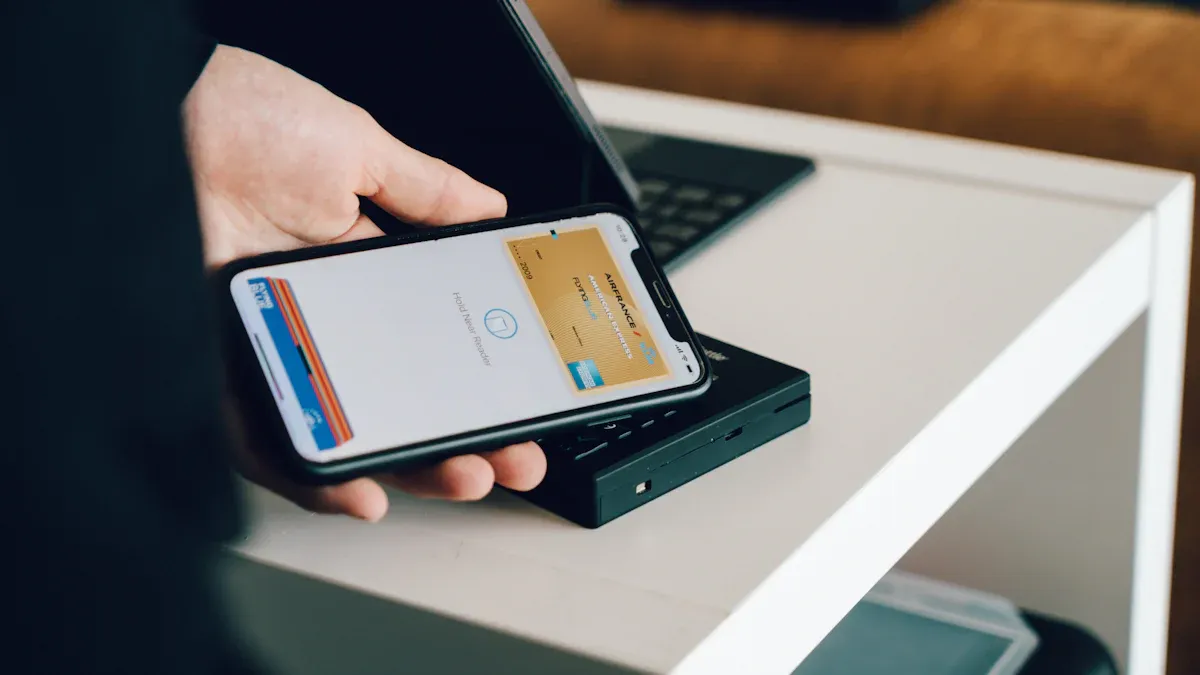
You begin shopping by scanning your phone to check out. Mobile apps let you enter the store and connect your payment. In China, WeChat Pay and AliPay are the main ways to pay. They make up 93% of mobile payments there. You see that removing checkout lines helps stores sell more. Cashierless stores use digital payment systems so you can pay fast. Stores show more products because they do not need checkout counters. You notice item-level tracking and analytics help stores learn what you buy.
Benefit Description | Evidence/Statistic |
|---|---|
Mobile payment methods like WeChat Pay and AliPay are most popular in China. | They make up 93% of mobile payments in China. |
Shopping without checkout lines can boost sales a lot. | Removing checkout lines is worth $37.7 billion. |
Cashierless systems let stores use space better. | Stores can show more products without checkout counters. |
Better analytics on customer behavior with item-level tracking. | Stores learn about item movements and buying habits. |
Amazon's 'Just Walk Out' technology is a leader in cashierless stores. You see it in over 200 other locations. This system works best in small stores and busy places. Retailers test it in controlled spaces before using it everywhere. You enjoy faster shopping and more choices.
Benefits of Cashierless Stores
Convenience and Speed
You want to shop fast and skip long lines. Cashierless stores make shopping smooth and easy. You check in with your payment, grab your things, and leave. There are no self-checkout machines or regular checkout lanes. This way of shopping saves you time and feels simple.
You do not have to wait in lines.
You pay for things as you shop, not just at the end.
Old checkout systems do not slow you down.
You like shopping more when you can go at your own speed. Stores see that removing checkout lines helps you finish shopping faster and feel less stressed.
Personalization and Satisfaction
You see that cashierless stores use ai-driven personalization to help you shop. The system learns what you like and shows you things you might want. You feel special when the store remembers your favorite snacks or brands. This makes you happier because you find what you want without searching.
College students and young people like digital shopping.
Gen Z and Millennials use cashierless stores more than others.
If you are in these groups, you see new tech first.
You feel good when the store gives you a shopping trip that fits your style. Frictionless technology makes your visit fun and makes you want to come back.
Tip: Try using the store’s app to get deals and suggestions made just for you.
Efficiency and Cost Savings
You get to shop quickly when you use cashierless stores. Stores also get many benefits. They see shorter lines and smoother shopping. There are fewer mistakes when scanning and paying. Stores work well when they are busy or slow.
No lines mean you spend less time shopping.
Stores can stay open all day with fewer workers.
Digital receipts and touch-free shopping build trust.
Stores save money because they need fewer cashiers. Amazon’s cashierless stores spend only half as much on workers as regular supermarkets. Technology is getting cheaper, so more stores can use it. Lower costs help stores give better prices and make shoppers happier.
Data and Inventory Insights
You help stores learn about shopping every time you visit. Cashierless systems track what you buy and where you go in the store. This data helps stores know what you want and when you want it. They can restock shelves before things run out and spot trends faster.
Insight Type | Description |
|---|---|
Customer Behavior Insights | Stores learn about what shoppers want and which items sell slowly. |
Inventory Management Improvement | Stores see how well they are doing and can restock faster. |
Consumer Behavior Tracking | Systems watch how shoppers move and what they buy together. |
Automated Inventory Management | Technology keeps track of sales and restocking without workers. |
You get better service because stores know what to put on shelves and when. This means you are happier and find what you need more often. Cashierless stores use real-time data to make shopping smarter for you.
Challenges for Cashierless Retail
Implementation Costs
You see that cashierless stores use new technology. This technology costs a lot of money. Each store can spend $500,000 to $1 million to start. The money pays for hardware, software, and setup. Small stores sometimes try the technology in one place first. They want to see if it works before using it everywhere. Many stores look for cheaper ways to use automation.
It costs a lot to put in hardware and software.
Stores pay more money to keep things working.
Small stores have a harder time with money.
Stores also have to follow rules in each country. These rules are about privacy and stopping theft. Following these rules can make things cost even more.
Data Privacy and Security
Cashierless stores collect lots of data to help you shop. This makes people worry about privacy and safety. Stores must follow laws like GDPR to keep your data safe. Hackers can try to steal data, and this can cause big problems.
Stores use strong tools like encryption and access controls.
They check their security often to protect your data.
Stores must ask you before they collect your data and tell you why.
You should know that stores have rules for how they use and keep your data. When stores are honest, you can trust them more.
Customer Adaptation
You might feel nervous when you try cashierless shopping. Some people miss talking to cashiers. Others worry about privacy or how the technology works. Stores help you learn by giving clear steps and support.
“When I went to Zara after four months, I saw a big crowd. I could have shopped online, but I wanted to see the clothes in person. I picked out some things and waited in a long line. I waited 35 minutes to pay. It was my worst shopping trip. Before, I only waited 10 minutes, but now it takes longer because of social distancing.”
Stores use mobile apps, smart mirrors, and voice systems to help you shop. They use AI helpers to make shopping easier and help you feel good about new technology.
Future of Cashierless Retail
Growth Trends and Market Impact
Cashierless stores are spreading quickly in many countries. Experts think the market for self-checkout systems will be worth $16.4 billion by 2033. This market will grow by about 14.5% each year from 2026 to 2033. Other retail technologies will also get bigger fast. The value will go from $47.3 billion in 2025 to $156.8 billion by 2033. That means these new ways to shop will grow by 16.2% every year.
More stores are using self-checkout and new checkout systems.
Scan and go systems let you pay with your phone and skip the cashier.
These changes make shopping quicker and easier for everyone. In the future, more stores will use technology to help you shop.
Impact Area | Description |
|---|---|
Employment Losses | Many cashiers and salespeople may lose jobs because of automation. |
Job Creation | Some new jobs will come in e-commerce, but most retail jobs will go down. |
Store Format Evolution | Stores will use more self-checkout and fewer cashiers. |
You will see fewer cashiers working in stores. Stores will look different to fit new technology. Some people will get jobs in e-commerce and delivery, but most store jobs will shrink.
Emerging Innovations
New ideas are changing how cashierless stores work. Companies are trying out digital vending machines, robot baristas, and places to buy things in ride-share cars. You can get a salad from a vending machine or coffee from a robot at a kiosk. Some stores let you pay by sending a text message.
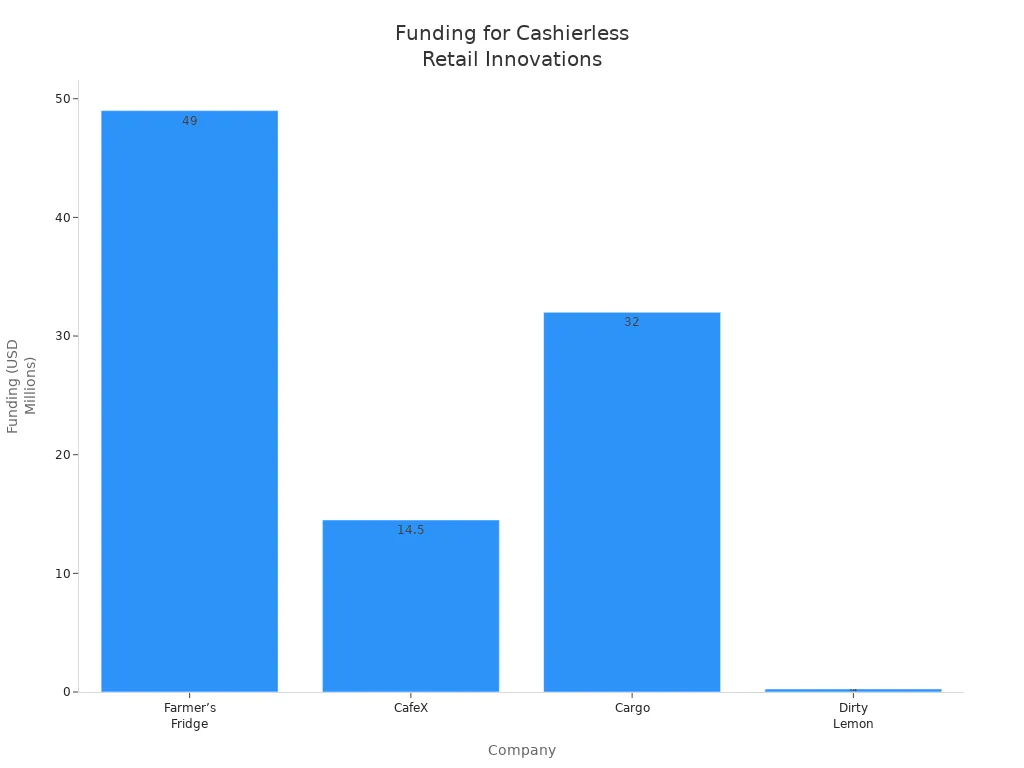
Company | Innovation Description | Disclosed Funding | Select Investors |
|---|---|---|---|
Farmer’s Fridge | Sells salads in vending machines. You can pay with an app or card. | $49M | Cleveland Avenue, Danone Manifesto Ventures |
CafeX | Has kiosks with robot baristas for a cashier-free cafe. | $14.5M | Craft Ventures, Felicis Ventures, The Thiel Foundation |
Cargo | Lets you buy things in ride-share cars without a cashier. | $32M | Rosecliff Ventures, Fontinalis Partners, Detroit Venture Partners |
Dirty Lemon | Has pop-up stores where you order and pay by text message. | $0.25M | Imaginary Ventures, Burch Creative Capital, Simon Ventures |
These new ideas make shopping more flexible for you. You can buy snacks in a car or get fresh food from a vending machine. The future will bring even more creative ways to shop.
Tip: When you travel, try out new cashierless stores. You might see a robot making coffee or a vending machine with healthy food.
Influence on the Future of Retail
Cashierless stores are changing how people shop. Amazon Go stores show that this technology works well. Experts think more stores will use Just Walk Out technology and self-driving delivery robots. You will see stores with no cashiers and more robots doing jobs.
Stores will use smart technology to make shopping simple.
Some stores will run by themselves and use robots to deliver things.
Shopping will get faster and feel more personal. Stores will use AI to learn what you like and help you find things. You will wait in fewer lines and have more ways to pay. Cashierless retail will change how you shop every day.
Note: You can get ready for these changes by learning to use mobile apps and digital payments. Shopping will be more fun in stores with new technology.
You notice that cashierless stores make shopping quicker and safer. AI-powered personalization helps you find things you like. Digital payments and smart carts make shopping easier for you. The table below shows how these stores help with convenience, privacy, and efficiency.
Benefit | Description |
|---|---|
Convenience | You can grab what you need and leave fast. |
Accurate Billing | There are fewer mistakes when you pay. |
Health and Safety | You touch less, so shopping is safer. |
Efficiency | You do not wait in lines and shelves stay full. |
Get ready for a future where shopping is easy and you use cool new technology every day.
FAQ
What do you need to shop in a cashierless store?
You need a smartphone with the store’s app or a payment method like a credit card. You scan your phone or card at the entrance. The system tracks your purchases automatically.
How does the store know what you buy?
Sensors and cameras watch what you pick up. AI matches your actions to the products. You leave the store, and the system charges your account for the items.
Is your personal data safe in cashierless stores?
Stores use strong security tools like encryption. They follow privacy laws and ask for your permission. You can check the store’s privacy policy for details.
What happens if you pick up an item and put it back?
The system tracks your actions. If you return an item to the shelf, you will not get charged. AI and sensors update your virtual cart in real time.
Can you get help if you have trouble in a cashierless store?
You can use the store’s app or find a staff member for help. Many stores have support buttons or chat features. You get answers quickly if you need assistance.
See Also
Discover How Cloudpick Enhances Store Convenience Without Cashiers
The Future of Retail: Embracing AI-Driven Stores
Upcoming Changes to Walmart Self-Checkout by 2025
Comparing Micromarkets and Smart Stores in Global Retail
Analyzing Walgreens Self-Checkout: Benefits and Retail Hurdles
