Why Cashierless Store Technology Pays Off for Modern Retailers

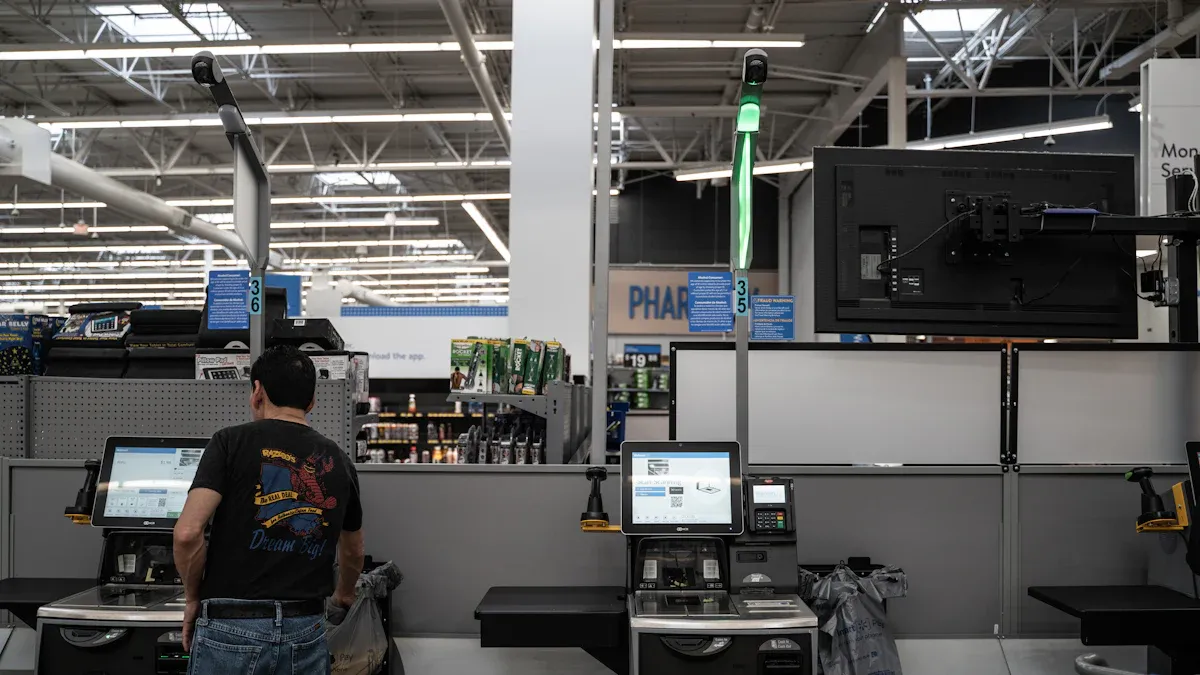
You see real financial results when you invest in cashierless store technology. This system uses sensors and AI to let shoppers grab what they want and walk out, skipping the checkout line. Retailers like you can cut labor costs by as much as 70%. You also boost sales because customers buy more when shopping is faster. A better shopping experience means people come back again and again. These changes help you reach profitability much sooner.
Key Takeaways
Cashierless store technology can lower labor costs by up to 70%. This helps stores save money and make more profit. Customers get to shop faster, so they buy more because there are no lines. Employees can help customers instead of working at the checkout. This makes shopping better and people happier. Stores need to plan and budget before getting cashierless technology. This is very important for small stores that want to try it first. Stores must update the system often and train workers. This helps the cashierless system work well and keeps shopping easy for everyone.
Cashierless Store Technology Overview
How It Works
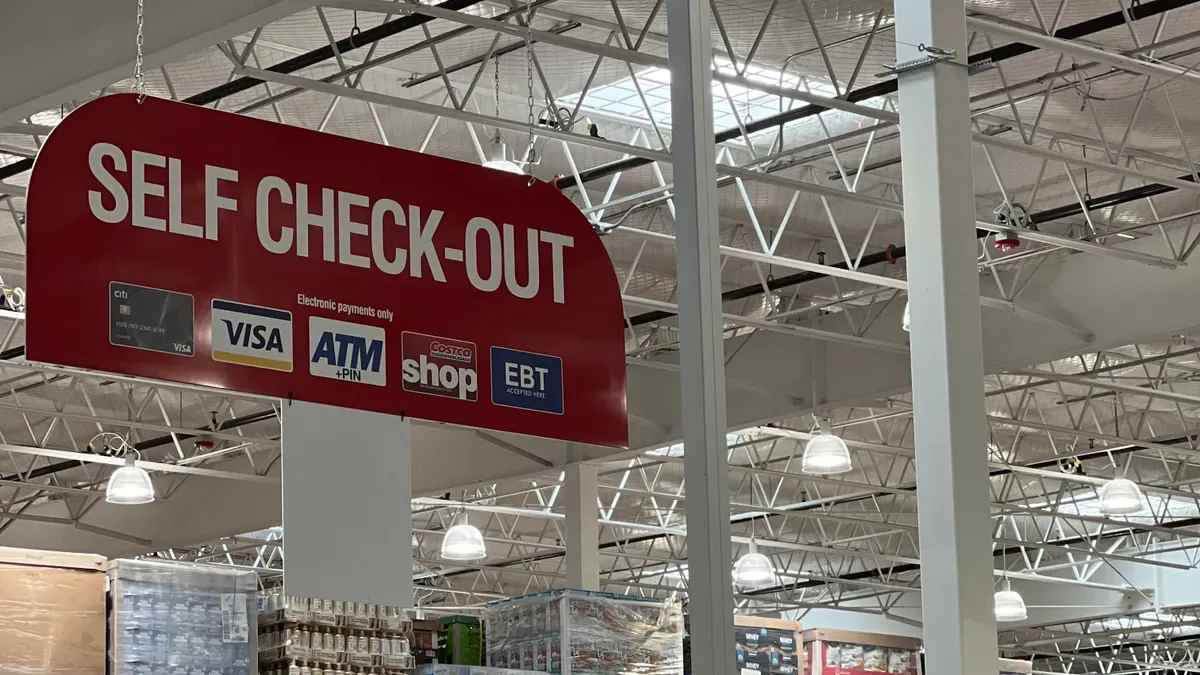
When you walk into a store with cashierless store technology, shopping feels different. You can grab what you want and leave without waiting in line. Sensors and cameras watch what you pick up right away. Artificial intelligence and machine learning help the system know your choices. Your items go into a virtual cart that connects to your account. When you leave, the technology pays for your things automatically. You do not have to scan anything or talk to a cashier. Shopping becomes quicker and simpler.
Cashierless store technology uses many tools to work:
Sensors
Cameras
Artificial Intelligence (AI)
Machine Learning Algorithms
Mobile Applications
Radio-Frequency Identification (RFID)
Electronic Shelf Labels (ESL)
There are different kinds of cashierless store technology you might see:
Self-checkout terminals
Scan-as-you-go devices
Smart carts
Computer vision-powered store automation solutions
Tip: You save time and skip lines when you shop in stores with cashierless systems.
Key Features
Cashierless store technology has features that make it special compared to regular checkout systems. You get these benefits every time you shop.
Feature | Description |
|---|---|
Sensor technology | Sensors track where items move and where they are in real time. |
Virtual carts | Items you pick go into a virtual cart linked to your account automatically. |
Automatic payment processing | Payments happen as you leave, so you do not need to check out yourself. |
Cameras | Cameras watch the store and track items and people using computer vision. |
These features give you a smooth shopping experience. The store keeps track of what you buy and pays for you without extra steps.
ROI Benefits of Cashierless Store Technology
Labor Cost Savings
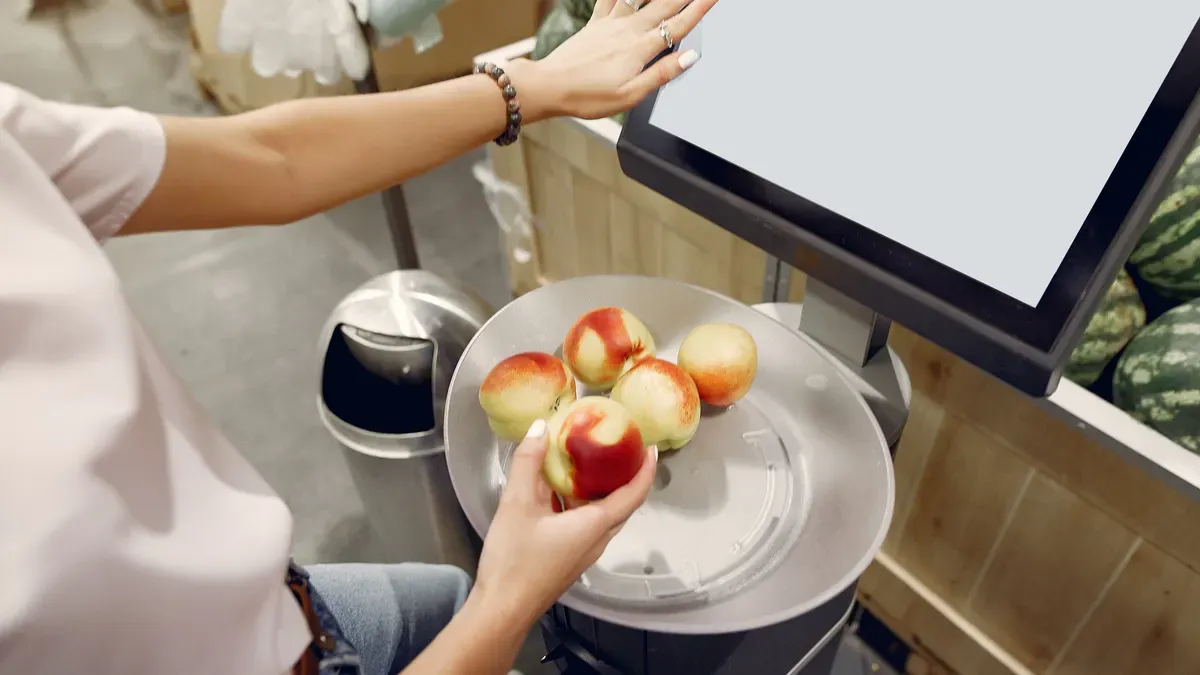
You save money with cashierless store technology. This system needs fewer cashiers, so labor costs go down. Many stores saw a 10% drop in labor costs after using this technology. In regular stores, labor is over 60% of non-product costs. Most of that is spent on cashiers. Automating checkout can save about 15% on total running costs.
Cashier jobs are changing quickly. Automation may cut over 350,000 cashier jobs in the U.S. by 2033.
AI-powered systems scan items and handle payments. You need fewer workers at the front.
Amazon’s Just Walk Out platform lowered yearly costs for a small store. Costs went from $4 million in 2017 to $159,000 in 2021. This happened because hardware and software improved.
Note: Cheaper hardware and setup costs help you make money faster.
Increased Sales Volume
Cashierless store technology helps you sell more products. Without checkout lines, customers shop more often and buy more each time. Self-checkout and automated systems let you handle more sales per hour, especially when it is busy.
You can react fast to busy times during holidays or sales.
Self-checkout stations use less space than regular lanes. You can use more store space for products instead of counters.
Shopping habits are changing. People now shop smaller and more often. Cashierless systems work well for these new habits.
Benefit | Impact on Sales |
|---|---|
Faster checkout | More sales per hour |
Smaller checkout area | More room for products |
Flexible for busy times | Handles more shoppers |
Enhanced Customer Experience
Cashierless store technology gives customers a better experience. Shoppers do not wait in line. They grab what they want and leave. This makes shopping faster and easier.
Most shoppers want shopping to be simple. A study found 80% of people like stores that make shopping easy.
Shorter wait times make customers happier and more likely to come back.
Employees can help customers instead of working registers. This means more personal service and higher satisfaction.
Tip: Quick shopping and helpful service make customers loyal and bring them back.
Employee Efficiency
Employees become more helpful with cashierless store technology. They spend less time on boring tasks and more time helping shoppers.
Staff can stock shelves, answer questions, and keep the store clean.
This change improves service and helps your business grow.
Automation helps with labor shortages and higher wages.
Employees in cashierless stores move to jobs that need more skill and give more value to your business.
Advanced AI and sensors make the system work well. Your team can trust the technology to handle routine tasks.
Note: When your team does important work, your store runs better and customers notice.
Challenges Impacting ROI
Upfront Costs
Cashierless store technology costs a lot at first. The average price is about $1 million. Big stores can pay for this easily. Small stores look for cheaper ways to automate. These costs cover hardware, software, and setup. You need to plan your budget so you do not spend too much. You can start with a small test or pick a system that fits your store. This helps you control costs and see results before you grow bigger.
Big stores can buy full systems.
Small stores should find cheaper options.
Starting small lowers risk and helps you learn.
Tip: Try a pilot project first to test the technology and keep costs low.
Integration Issues
It can be hard to connect cashierless technology to your old systems. You might have trouble linking new software to your tools. This can slow down how you share data. Shoppers worry about AI watching them. You need to track inventory and change how you work to stop theft.
Challenge | Description |
|---|---|
Connecting New Systems | Linking cashierless tech to your software can slow data sharing. |
Data Privacy Concerns | Shoppers may worry about AI watching their actions. |
Inventory Management | You must watch stock and change operations to stop losses. |
You can fix these problems by doing a few things:
Study how people shop and move in your store.
Pick technology that fits your business.
Add the system step by step and ask for feedback.
Teach your staff to solve problems and help shoppers.
Make sure your checkout tools work with the new system.
Watch how people use the system and make changes.
Staff training makes customers happier and helps your team handle new problems.
Security and Operations
Security is very important in cashierless stores. You must keep customer data safe and stop theft. Update your security software often and teach workers to spot scams. Use zero trust rules and split your network to protect information. Follow rules like PCI DSS and GDPR. Back up your data and make a plan for emergencies.
Access control tools, like keyless entry, make staff jobs easier.
Security systems that work together help your store run better.
Automated alerts help you act fast when there is a security problem and keep your store safe.
Success Stories and Best Practices
Retail Chain Example
Big retail chains use cashierless store technology to help their business. Many famous companies now use these systems. The table below shows how some chains use this technology:
Retail Chain | Technology Used | Description |
|---|---|---|
Amazon Go | Proprietary system | Made for small stores, lets you shop without waiting in line. |
Grabango | Overhead rail system | Good for large stores, tracks items using machine learning. |
Zippin | AI and computer vision | Charges you when you leave, so shopping is smooth and easy. |
These stores see good results. For example, Target made checkout 8% faster. Customer happiness scores went up by 5 points. Walmart lowered shipping costs by 30%. Their earnings per share grew by over 26% in one year. These numbers show cashierless technology helps stores work better and make more money.
Independent Store Example
You do not have to be a big chain to use this technology. Many small stores use cashierless systems too. Some start with just one store to test the technology. You can pick a system that matches your budget and store size. Small stores often get faster checkouts and happier shoppers. You might pay more at first, usually between $500,000 and $1 million for each store. Still, many owners say the cost is worth it because more people come back and spend more.
Tip: Try a pilot project first to see if cashierless technology works for your store before using it everywhere.
Lessons Learned
You can learn from what worked and what did not. Here are some important lessons:
Make your automation plan fit your store and business.
Pick a system that matches your sales and money goals.
Fix real problems in your store instead of changing everything at once.
“Amazon Go shows that the best new ideas solve real problems instead of trying to change the whole business at once.”
If you follow these best practices, cashierless technology can help your store.
Maximizing ROI
Strategic Planning
You need a good plan before using cashierless store technology. First, decide what you want to achieve. Do you want to save money, sell more, or make customers happier? Look at your store and see how people shop. Pick the right technology for your store size. Make a list of steps and set dates for each one. Try the system in just one store at first. Check how well it works and change your plan if needed. Use numbers and facts to see if you are doing well. A strong plan helps you avoid mistakes and reach your goals faster.
Tip: Start with one store and add more when you see good results.
Staff Training
You need to teach your staff how to use cashierless store technology. Trained workers help shoppers learn the new way to shop. Staff can answer questions and fix problems fast. This makes customers trust your store and feel happy. You also need staff to fix tech problems and keep things running. Training helps your team feel ready for changes.
Staff show customers how to use the new system.
Workers answer questions and solve problems.
Staff make shoppers feel good about new technology.
Note: Having staff in the store helps customers and keeps them happy.
Ongoing Optimization
You should always try to make your cashierless store system better. Ask customers and workers what they think. Use their ideas to fix problems and make shopping easier. Update your technology when you need to. Watch sales and see how people shop. Change your store layout if it helps people move faster. Check your goals often. Make changes to earn more money and keep shoppers coming back.
Optimization Step | Benefit |
|---|---|
Collect feedback | Find and fix problems |
Update technology | Stay ahead of other stores |
Adjust store layout | Make shopping better |
Review goals | Earn more money |
Making updates and changes often helps your store do well.
You get a lot of benefits when you use cashierless store technology. After a while, your costs go down and your customers get better service. Many store owners see that this technology changes how they run their stores. If you want to start, you should do these things:
Make a special app so checkout is easy for everyone.
Use sensor fusion to watch items and shoppers in the store.
Get ready for problems like lost items and making sure everyone can shop.
Cashierless stores help you stay ahead and make your business stronger.
FAQ
How quickly can you see ROI from cashierless store technology?
You often see ROI within 12 to 24 months. Lower labor costs and higher sales help you recover your investment faster than with traditional systems.
Is cashierless technology safe for your customers’ data?
Yes, most systems use strong encryption and follow strict privacy rules. You should always check that your provider meets industry standards like PCI DSS and GDPR.
Will customers find cashierless stores easy to use?
Most shoppers learn the system quickly. Clear signs and helpful staff make the process simple. You can offer a short demo or video to guide new users.
What happens if a customer takes an item by mistake?
The system tracks every item you pick up.
If you put it back, the system removes it from your virtual cart.
You only pay for what you take out of the store.
Can small stores afford cashierless technology?
You can start with a pilot program or choose a scaled-down system. Many providers offer flexible options for smaller budgets. This helps you test the benefits before a full rollout.
See Also
Discovering Cashierless Shopping Solutions With Cloudpick Technology
The Future of Retail: Embracing AI-Driven Stores
Walgreens Self-Checkout: Balancing Convenience With Retail Challenges
Revolutionizing Retail: The Impact of Smart Vending Machines
