Top use cases for grab-and-go retail in Hospitals & healthcare facilities

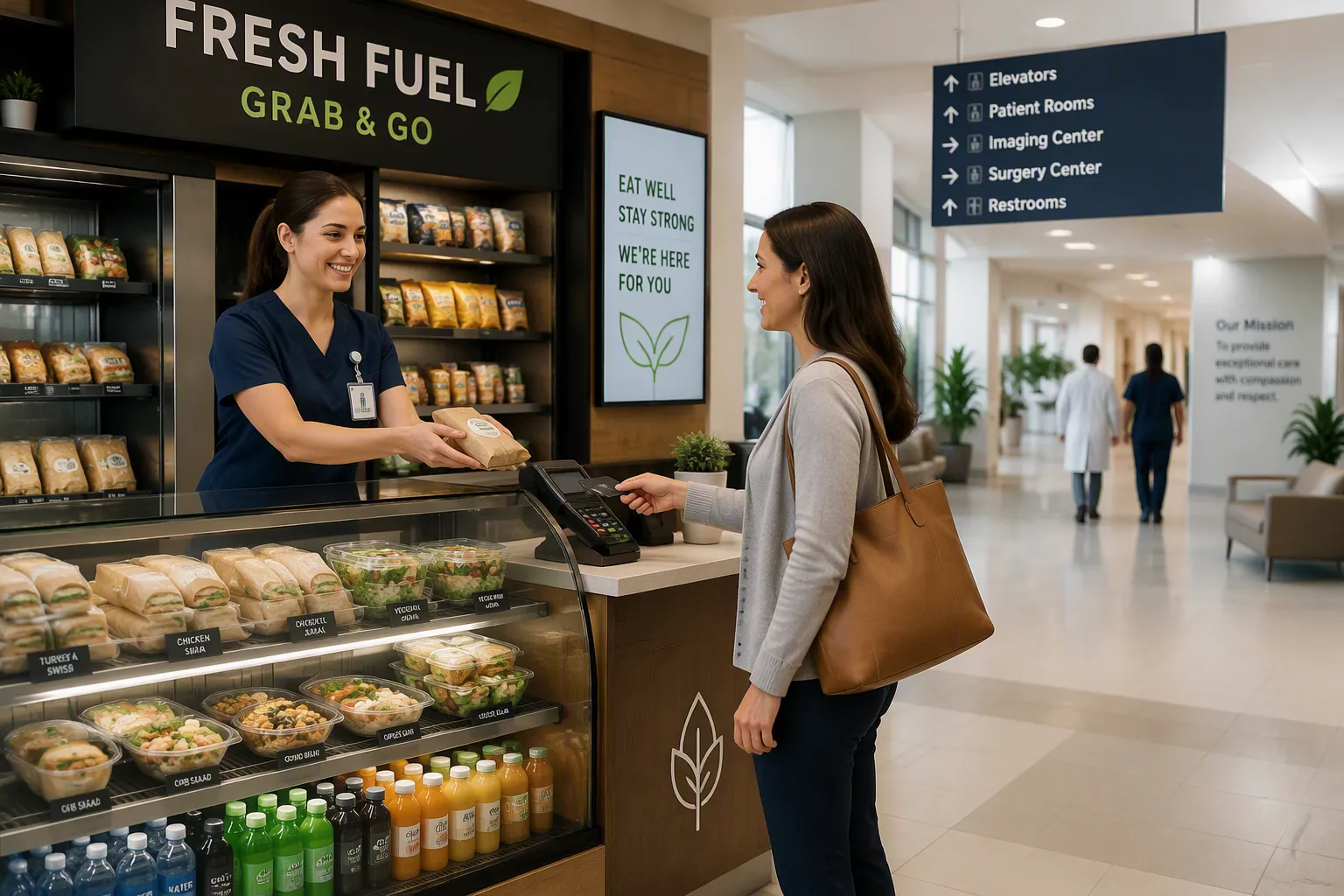
Your hospital is always awake, but your cafeteria is not. At 3 AM, the emergency room is busy. Hungry staff and worried families find empty hallways and locked food doors. This lack affects how people feel, patient care, and even health results.
Grab-and-go retail fixes that problem. It gives workers 24/7 access, supports healthier food choices, helps busy areas like the ED, and links with pharmacy tech for easier operations.
This solution is more than just vending machines. It becomes a key tool that improves how work runs, helps keep staff, and raises patient satisfaction.
The next sections look at each use case closely. You will see how actual hospitals use these solutions and track their money gains.
Key Takeaways
Grab-and-go retail gives staff and visitors food access at any hour, day or night. This lifts spirits and helps meet the rules that facilities must follow.
Healthy grab-and-go choices support staff health and patient diets. They reduce burnout and improve care.
Micro-markets in emergency rooms reduce waiting times and staffing costs. They let medical staff focus on patient care.
Combining pharmacy and data analysis creates customized products and services. This makes leaving the hospital smoother and brings in new money.
Grab-and-Go Retail for 24/7 Staff and Visitor Access
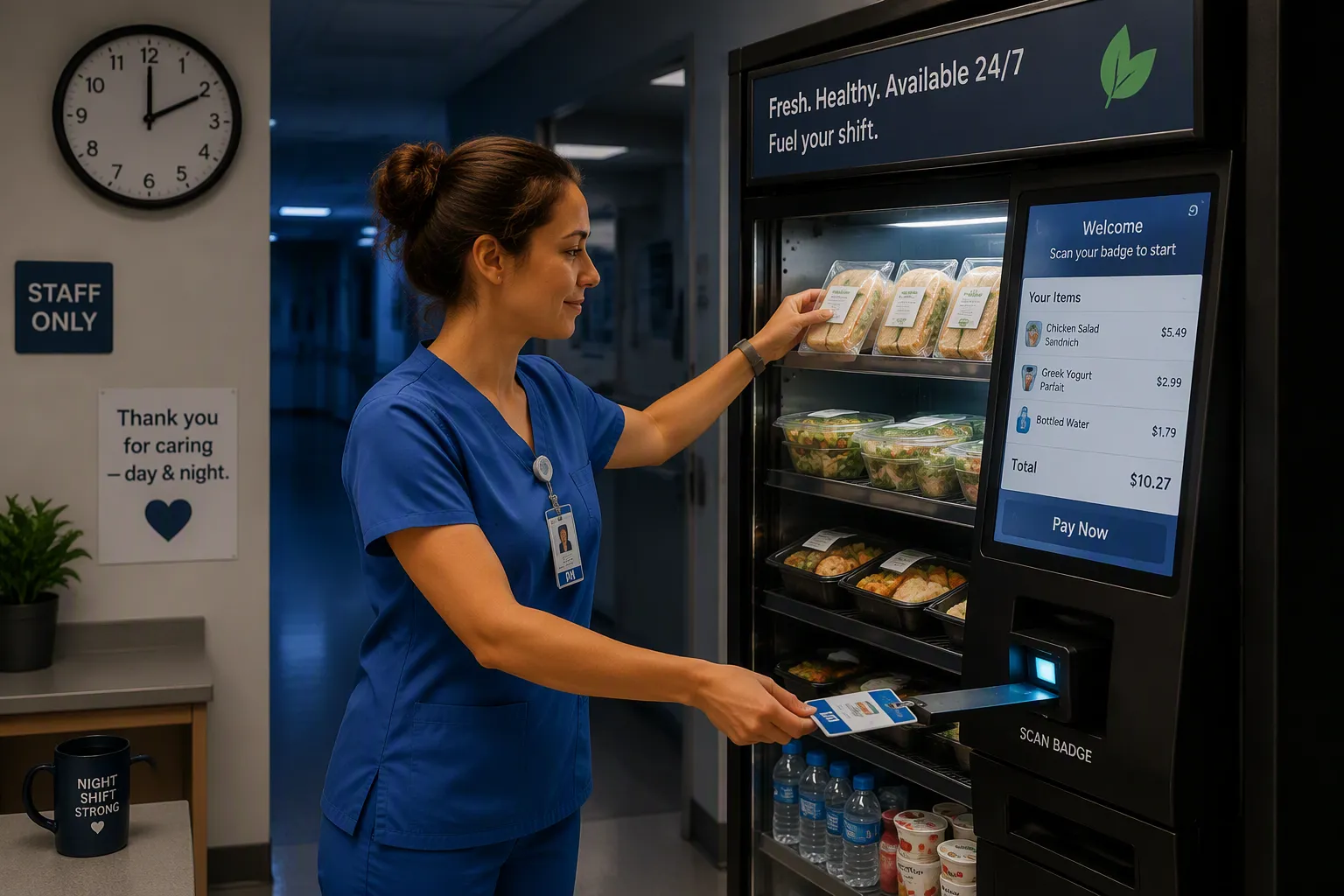
Hospitals never close. But most hospital cafeterias are closed at night. This difference creates a big problem for the people who keep healthcare running all day and night.
Supporting Night Shifts and On-Call Personnel
Night shift nurses and on-call doctors face a tough challenge every day. They work when the cafeteria is locked. Their only choices are vending machines with chips and candy bars. Many skip meals because they cannot leave patients to find food somewhere else.
This problem was officially recognized. NHS England's 2022 food standards now say staff must have 24/7 access to hot and cold food. The rule came after the #NoHungryNHSStaff campaign. Healthcare workers asked for better food options during night shifts and weekends.
NHS England's 2022 food standards clearly require 24/7 access to hot and cold food for staff. This rule was made after the #NoHungryNHSStaff campaign, which was started by staff asking for better food during night shifts and weekends. This shows that the need is now officially recognized.
The effects of poor night-time eating go beyond being hungry. Studies show that night shift workers who lack healthy options often eat instant noodles, sausages, or fast food delivery. Irregular meal times disturb body clocks. This pattern leads to tiredness, lower thinking ability, and higher risk of health problems like obesity and diabetes. Workers say that poor sleep makes them less alert, which raises the chance of errors and injuries.
Grab-and-go retail fixes this problem with technology. Self-checkout micro-markets and AI-powered kiosks work without full staff. Systems like Just Walk Out let staff scan their badges, grab a meal, and leave. The payment happens on its own. You can stock these markets with fresh sandwiches, salads, and hot meals that change during the day. Staff members can get healthy food at any hour, day or night.
Serving Anxious Families and Visitors After Hours
Hospital visitors also have trouble finding food. Families wait in waiting rooms during long procedures. They often arrive after the cafeteria closes. Parents with children in the ER cannot leave the unit to look for food. Visitors say that limited cafeteria hours force them to choose between missing updates from doctors or going hungry.
These micro-markets help families well. You put them in waiting areas near emergency departments and intensive care units. Visitors grab coffee, snacks, or full meals without leaving their spots. The convenience lowers stress during already hard times. It also stops visitors from leaving the facility and possibly missing important updates from care teams.
The technology behind grab-and-go retail makes this possible without adding security staff. AI-powered cameras track what each person takes. Payment happens through mobile apps or credit cards. You get inventory data on its own, which tells you what items sell during night hours. This information helps you stock smarter over time.
For hospital administrators, the return on investment is clear. You boost staff morale, support employee health, and improve the patient family experience. All these benefits come from one simple addition: round-the-clock access to quality food.
Promoting Healthier Choices with Grab-and-Go Options
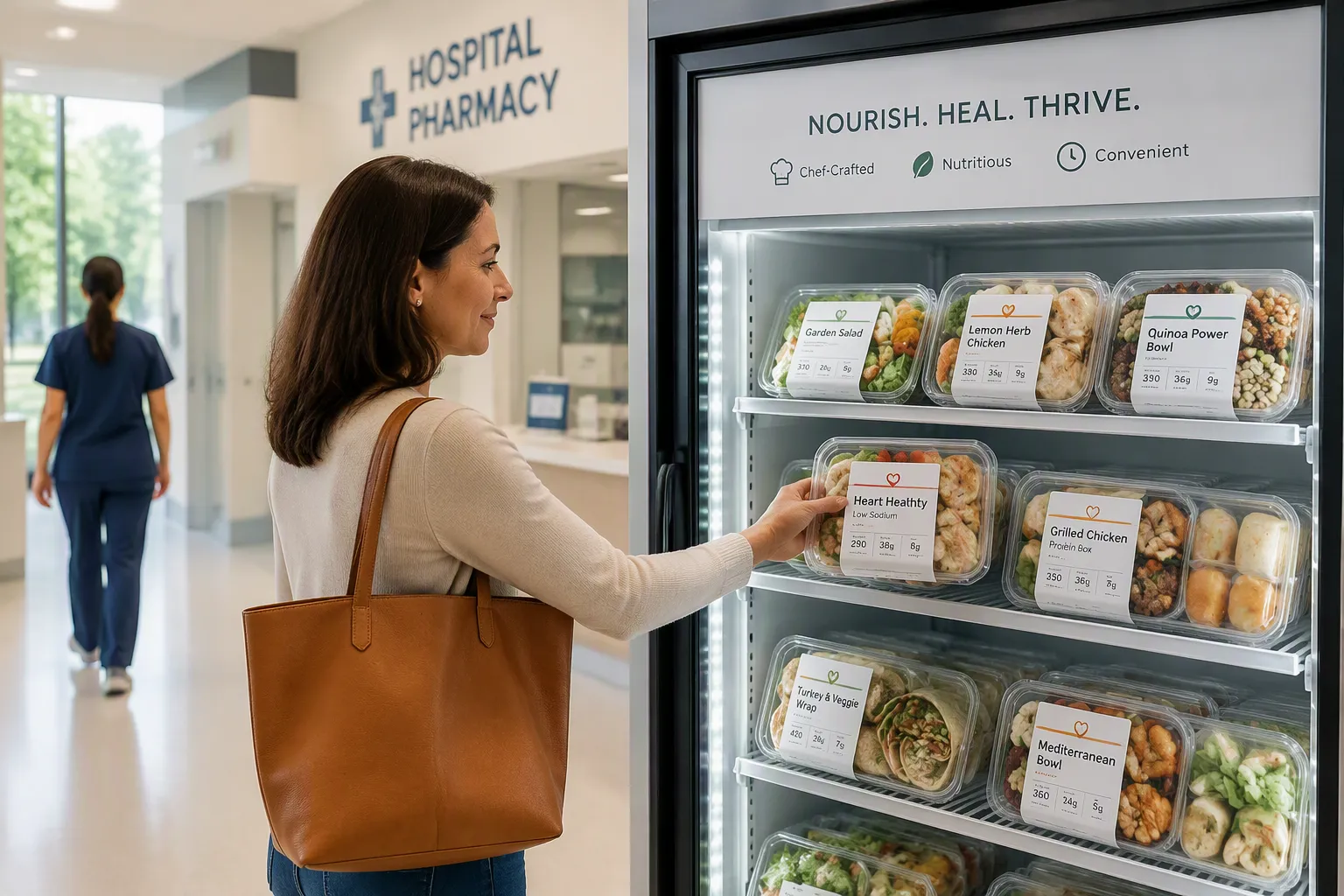
Hospital food often lets down patients and staff. Old-style vending machines sell chips, candy, and sugary drinks. These options go against the health goals of a medical center. Studies show that offering more fruits, vegetables, and other healthy grab-and-go items helps remove barriers for nurses and makes the overall food setting better for everyone.
Aligning with Patient Dietary Needs and Care Plans
Patients follow special diets. A heart patient needs meals low in salt. A diabetic patient needs controlled carbs. A patient healing from surgery needs protein-rich foods. Regular vending machines cannot provide these. Grab-and-go retail can.
You can fill smart refrigerators with meals approved by dietitians. Every item shows clear nutrition facts. Patients and families read the labels and pick what works. This openness builds trust. It also backs up what the care team advises.
Keeping food fresh is the hard part. Pre-packed salads go limp. Sandwiches turn soggy. Smart fridges fix this with rotating stock. You set expiration dates in the system. The tech flags items close to their sell-by time. Staff removes them quickly. This keeps inventory fresh without endless manual checks.
Picture a patient leaving with heart failure instructions. The care team suggests a low-salt diet. Before heading out, the patient stops at a grab-and-go market near the pharmacy. They pick a labeled low-salt meal for dinner. This small step reinforces the discharge advice. It gives the patient a real tool for getting better.
Improving Staff Wellness and Reducing Burnout
Healthcare workers deal with heavy stress. Long shifts, emotional strain, and odd schedules wear them down. Nutrition greatly affects how they handle it. Research shows a clear link between good eating and lower burnout among healthcare workers. Poor eating habits, like low fruit and vegetable intake, connect to higher burnout rates. These links stay strong even after factoring in age, gender, job role, and rank.
The tie between food and burnout is not random. Poor nutrition directly links to higher burnout rates among healthcare workers, no matter their job or experience level.
You can tackle this head-on. Put grab-and-go stations in staff break rooms and near nursing units. Stock them with fresh fruit cups, veggie trays, yogurt parfaits, and whole-grain wraps. Make the healthy pick the simple pick.
The setup matters. A nurse with a short break cannot wait for a hot meal. They need something fast. They need something portable. They need something they can eat between patient rooms. Grab-and-go retail delivers exactly that. When healthy foods sit within reach, staff choose better without thinking.
This method also eases the shame around self-care. When hospital leaders invest in good food access, it sends a strong signal. Staff health counts. That message sticks. It lifts morale, supports keeping workers, and finally improves patient care quality.
Streamlining Operations in Emergency and Outpatient Departments
Emergency departments are always busy. Waiting rooms stay full. Families sit for hours with no food. Regular cafeterias cannot keep up. If a family member goes to the cafeteria, they might miss an important update from the doctor.
You can fix this with grab-and-go retail. Put micro-markets right in waiting areas. A parent grabs a sandwich and water. The sale takes seconds. They stay near the care team. Communication keeps going without breaks.
Reducing Wait Times for Patients and Families
Emergency departments work by triage urgency. Less critical patients wait longer. Those waits stretch into hours without food. A diabetic patient needs a snack. A dehydrated patient needs water.
Grab-and-go stations put solutions within reach. You stock them with clear labels. Patients read the nutrition facts. They pick something that fits their needs. This helps nursing staff. Nurses no longer track down food for every waiting patient.
The result helps your bottom line. Patients feel wait times are shorter. Hallways are less crowded. Families remember the small kindness of having food nearby. Your patient satisfaction scores go up.
Cutting Labor Costs with Pre-Packaged Meals
Hospital foodservice budgets face constant pressure. Most of the budget goes to labor costs. A full cafeteria needs cooks, cashiers, and servers. That setup does not work for late hours or busy departments.
Ready-made grab-and-go meals change this. They can significantly reduce foodservice labor costs while keeping sales steady. You do not need cooking or serving staff during night shifts. One person stocks the micro-market. Technology handles payment and inventory tracking.
Your clinical staff also benefits. They no longer make meals for waiting families. They focus on patient care instead. A nurse can do assessments, not heat a sandwich. Everyone uses their skills fully.
The financial impact is clear. You move labor money to clinical needs. You still offer quality food all day and night. Grab-and-go retail gives you efficiency without losing service.
Integrating Retail with Pharmacy and Personalized Technology
The pharmacy is a natural meeting spot. Patients come to get their medicines. They often leave with questions about what to eat next. You can put grab-and-go retail stations right next to the pharmacy counter. This gives a one-stop-shop that meets both medical and everyday needs.
Streamlining Post-Discharge and Prescription Pickups
Discharge instructions usually include new medications. Patients need to fill those prescriptions quickly. But nearly 30% of patients do not fill their first prescriptions within seven days of leaving the hospital. This gap leads to big problems. The Agency for Healthcare Research and Quality says that 30-day readmissions cost about $41.3 billion each year. That is roughly $13,800 per Medicare patient.
An onsite pharmacy with integrated retail helps close this gap. A patient picks up their prescription. They also grab a meal that fits their diet. This ease removes barriers. Patients leave with both their medicine and proper food. This combination helps recovery and lowers the chance of coming back to the hospital.
The money benefits go beyond preventing readmissions. Retail contract pharmacies that qualify for 340B pricing can see returns as high as 15 percent. You can grow these operations through more locations and partnerships. Each new touchpoint creates customer loyalty. Patients return because the experience feels smooth.
Leveraging Data for Personalized Product Offerings
Retail software does more than handle payments. It collects useful data about buying habits. You can use this information to match your stock to real demand.
Patient-specific data gives one layer of insight. Dietary filters and allergen alerts help you stock items that fit common restrictions. Order specs tell you which products sell well after certain procedures. Charge account types show how different groups pay. Some use meal plans. Others use gift cards or credit cards. Each payment method tells a story about what customers like.
Employee badge scanning adds another layer. Staff members can deduct purchases from their paychecks or charge to their departments. You see which items nurses buy during night shifts. You learn which snacks sell out first in the break room. Staff meal plans link directly into the point-of-sale system. This data helps you rotate stock wisely.
Retail software helps hospital food operators get the most satisfaction. You expand food services beyond patients to guests, visitors, and staff. Every group gets what they need. You get the data to keep improving. This same technology powers your grab-and-go retail plan across every department.
Grab-and-go retail delivers value across every department you manage. It improves the patient and staff experience through round-the-clock access to quality food. It drives operational efficiency by cutting labor costs and freeing clinical staff for patient care. It creates new non-clinical revenue streams that strengthen your financial position.
You should audit your current foodservice gaps today. Look for areas where demand exceeds supply. Identify departments where staff and families struggle to find meals. Then consider a pilot program in one high-traffic location. Start small. Measure results. Expand what works.
This approach creates a more responsive, caring, and financially sustainable environment for everyone who walks through your doors.
FAQ
How much does a grab-and-go retail station cost to install?
Prices differ based on technology and size. AI systems like Just Walk Out cost more. You can lease equipment instead of buying. Many vendors offer flexible payment plans that lower upfront costs.
What happens if items expire or go unsold?
Smart fridges track expiration dates on their own. The software alerts staff when items are near their sell-by date. Workers remove them during regular restocking. You can set discounts to sell older items first. This cuts waste and keeps stock fresh without constant checks.
Can grab-and-go retail integrate with existing hospital systems?
Yes. Most modern retail platforms connect to your current point-of-sale, employee badge systems, and inventory software. Staff can charge meals to their paychecks. Patients can use meal credits. The data flows into your reports, so you track performance without learning new tools.
Do these stations require additional security or staffing?
No. AI cameras and weight sensors track every item a customer takes. Payment happens automatically through mobile apps or credit cards. One worker can restock several locations in one shift. The technology handles theft prevention and inventory tracking, so you don't need extra security.
See Also
Walgreens Self-Checkout: Balancing Ease and Hurdles in Stores
Grocery Vending Machines Transforming Access to Everyday Shopping
Smart Vending Boosts Efficiency in Small Office Workplaces
Tabletop Snack Dispensers: Saving Space in Contemporary Environments
Cloudpick Vending's Role in Promoting Healthier Snack Choices
