How 24/7 unmanned stores create value in hospitals and healthcare facilities

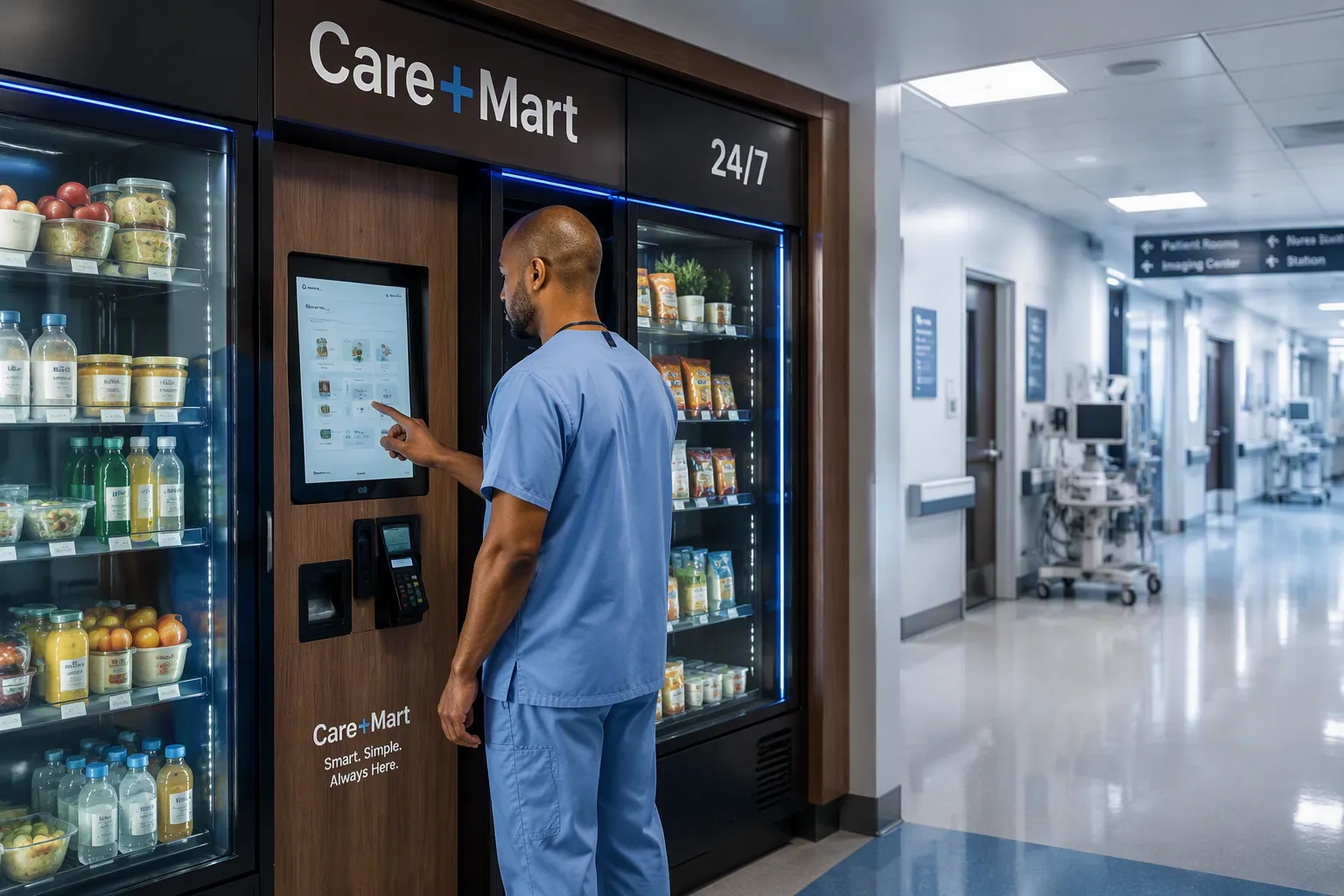
24/7 unmanned stores create value in hospitals and healthcare facilities by delivering round-the-clock access to essentials, reducing staff burden, and improving the patient and visitor experience. These self-service retail systems offer convenience and access, cost and efficiency, patient care, revenue and shrinkage control, and scalability. Healthcare executives and facility managers should view these systems as strategic amenities. They are not simple vending machines. Such stores support overnight staff, serve families during late hours, and capture after-hours sales. They also free clinical teams from non-clinical tasks. Leaders who invest in this infrastructure gain operational leverage and stronger satisfaction scores across the facility.
Key Takeaways
24/7 unmanned stores provide round-the-clock access to essentials for patients, visitors, and staff.
These stores reduce labor costs by 70-80% and free clinical staff from non-clinical tasks.
They improve patient and family satisfaction by meeting basic needs and easing stress.
Automated inventory control minimizes shrinkage and captures after-hours revenue.
The systems scale easily across departments and integrate with existing payment platforms.
Convenience and Access with 24/7 Unmanned Stores
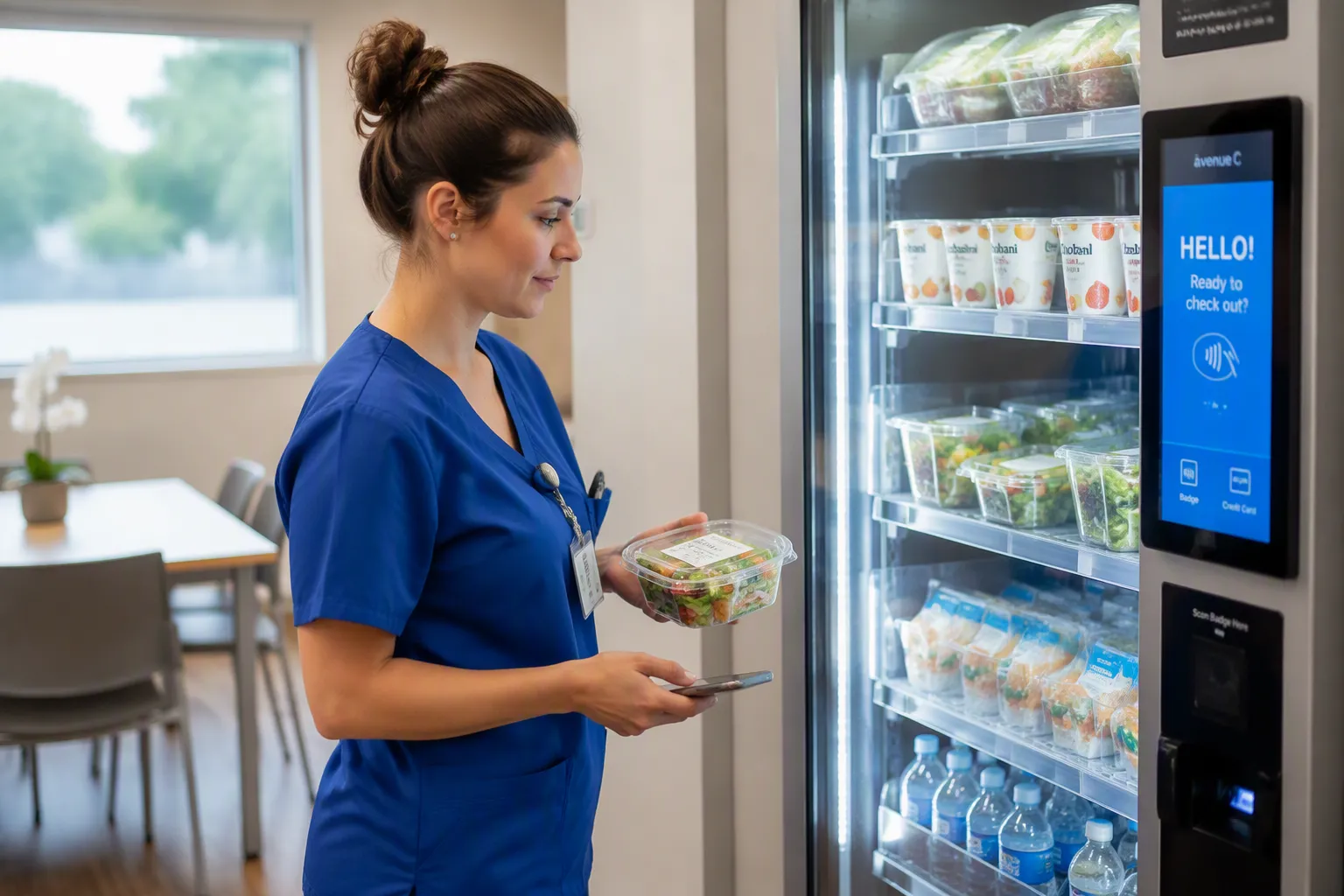
Healthcare facilities operate around the clock. Patients need care at all hours. Staff work overnight shifts. Families sit with loved ones during late hours. Traditional hospital amenities often fail these groups. Cafeterias close. Vending machines offer limited options. 24/7 unmanned stores solve this problem directly. They deliver frictionless retail access. Anyone in the building can find food, medicine, and comfort items at any hour. Current systems create waste. Nurses spend time hunting for basic supplies. Families make unnecessary trips off-site. These frustrations add up. They waste time. They lower satisfaction. A 24/7 unmanned store eliminates these problems. It keeps people inside the building and ensures they have what they need. These stores use autonomous checkout technology. This reduces physical touchpoints. Contactless transactions lower infection risks. This matters in a healthcare setting. It protects immunocompromised patients. It keeps staff safer. The technology also frees employees. Clinical staff stay focused on patient care. They no longer manage petty cash or monitor vending machines.
Supporting Staff on Overnight and Odd Shifts
Hospital staff face challenges during night shifts and weekends. The cafeteria has limited hours. Packing a meal is not always practical. Healthy options become scarce. 24/7 unmanned stores keep break rooms stocked with fresh, nutritious choices. A nurse working a 12-hour night shift can find a healthy meal at 3 AM. A resident can grab a salad or a yogurt without leaving the unit. Staff need proper nutrition to perform. Without healthy options, they suffer from fatigue. These stores place nutritious options right in the break room. This supports physical wellness. It also sends a message that the hospital cares about its employees. Staff feel valued. They perform better. The variety matters. Stores stock more than chips and soda. They offer fresh food, sandwiches, salads, and healthy drinks. Some stores include drugstore items. Staff can grab pain relievers, bandages, or cold medicine. This saves a trip to the pharmacy. The convenience saves time. A quick grab-and-go meal takes minutes. Every minute saved is a minute for patient care.
Serving Patients and Visitors Around the Clock
Patients and visitors often need basic items outside standard business hours. A family waiting in the ICU may require a toothbrush, a snack, or a phone charger. Walking to an off-campus store is impractical during a medical emergency. It adds stress and takes time away from the patient. Unmanned stores in waiting areas solve this challenge. They provide immediate access to medications, personal hygiene products, gifts, and fresh food. Store locations matter. Placing a store near the ICU, the emergency department, or the maternity ward maximizes its impact. Families stay close to their loved ones. They do not miss important updates from doctors. The emotional benefit is clear. A family in crisis should not worry about where to find a snack or a toothbrush. The store removes these worries. It allows families to focus on what matters most. The impact on satisfaction is measurable. One 200-bed regional hospital installed a smart market near its ICU waiting area. The hospital saw a 14-point increase on the Press Ganey 'food availability' metric. It also reported a 60% reduction in late-night cafeteria runs. Patient-family satisfaction scores increased directly. Families attributed this to the 24/7 access to comfort items. Higher Press Ganey scores correlate with better patient-family experiences. The 14-point increase shows that meeting basic needs improves overall perception of care.
Cost Savings and Operational Efficiency
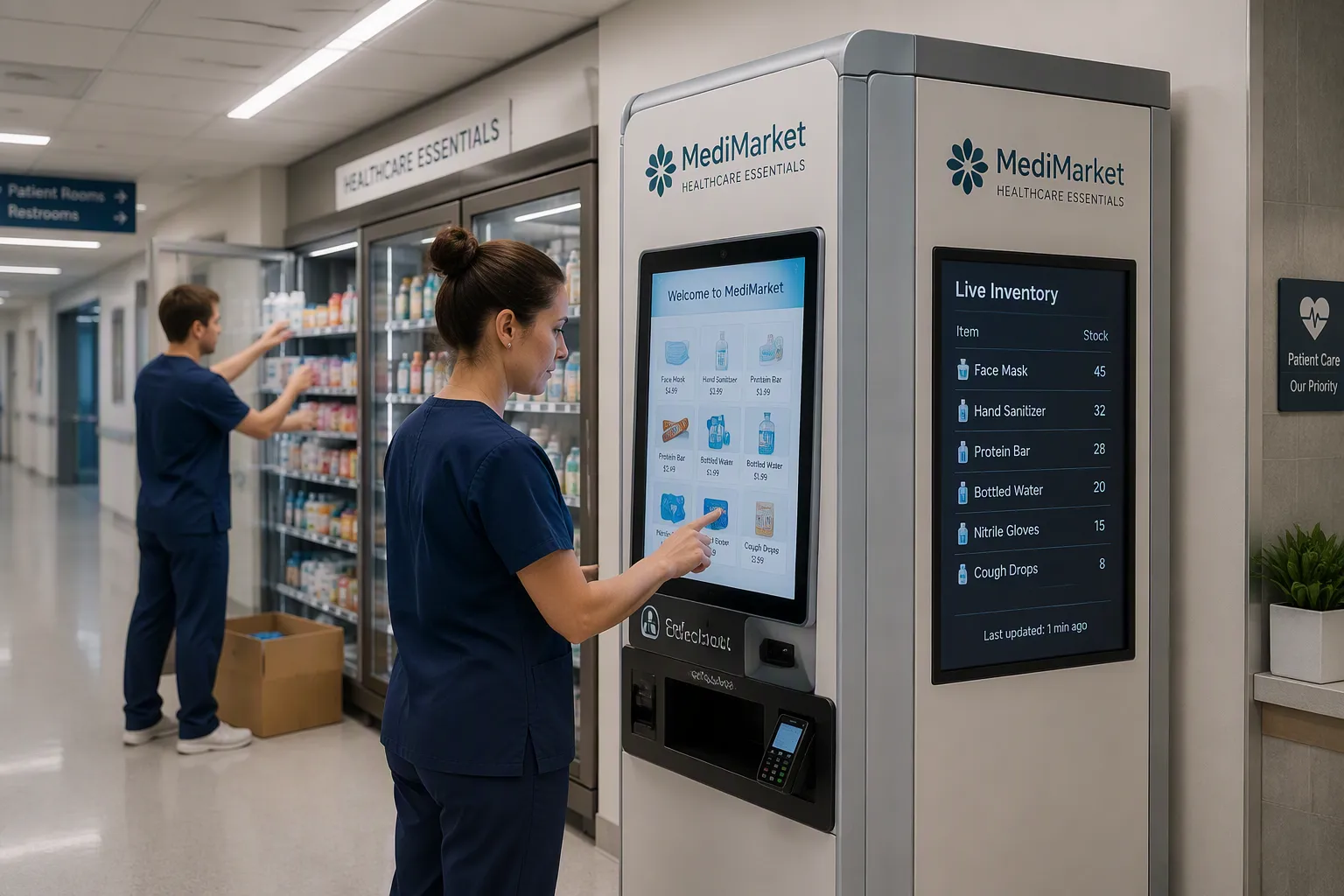
Operational excellence drives the adoption of unmanned retail in healthcare. Staffing costs represent the largest expense in traditional hospital retail. Cafeterias need cashiers, cooks, and cleaners. Gift shops need sales associates. These roles add up quickly. Autonomous smart stores can achieve 70-80% labor savings. These systems are ideal for high-pressure environments such as hospitals, where speed is a priority. The savings figure is not explicitly tied to hospitals, and no direct comparison to traditional hospital retail is provided. Still, the direction is clear. Industry reporting indicates that unattended retail is expanding due to staffing and quality-control pressures. Robotic stations and broad-menu restaurants can operate 24/7 while serving fresh, customized dishes without generating onsite labor costs. Healthcare leaders should note this trend. The economics favor automation.
Reducing Labor and Restocking Costs
Traditional retail requires constant human attention. Someone must open the store. Someone must staff the register. Someone must close at night. A 24/7 unmanned store removes these requirements. The system handles checkout automatically. Staff only visit for restocking and maintenance. This reduces the total labor hours needed to run the operation. Restocking costs also fall. Smart systems track inventory in real time. They alert operators when stock runs low. This prevents over-ordering and reduces waste. A hospital gift shop with manual inventory might order too much of one item and too little of another. An automated system avoids this problem. It uses sales data to predict demand. It orders the right quantities at the right times. The result is leaner operations and lower carrying costs. Autonomous checkout also drives incremental after-hours sales without increasing labor costs. A traditional store closes at 8 PM. An unmanned store stays open all night. Every sale after 8 PM is new revenue. No extra staff hours are needed. The store pays for itself through these additional transactions.
Freeing Clinical Staff from Non-Clinical Tasks
Clinical staff should focus on patient care. Too often, they handle non-clinical tasks. Nurses hunt for supplies. They manage petty cash for vending machines. They answer questions about where to find food. These tasks pull them away from patients. A 24/7 unmanned store eliminates many of these distractions. Staff can direct patients and families to the store. The store handles the transaction. Nurses no longer need to stock break room shelves. They no longer need to monitor vending machine inventory. This frees up time for clinical duties. The impact on productivity is significant. A nurse who spends 20 minutes per shift on non-clinical tasks loses over 100 hours per year. That time returns to patient care. It also reduces burnout. Staff feel less frustrated when basic needs are met easily. They feel more valued when the facility invests in their comfort. The operational efficiency gains are real. They show up in better staffing ratios and higher morale. Healthcare executives should view these stores as a workforce investment. The technology pays back through improved clinical focus and reduced turnover.
Patient Care and Satisfaction
Meeting Basic Needs Inside the Care Environment
Healthcare facilities serve people from all backgrounds. Some patients arrive with family support and financial resources. Others arrive alone. A 24/7 unmanned store promotes equity by offering the same access to necessities for everyone. A patient without a nearby relative can still buy a toothbrush or a phone charger. A visitor without a car can find a meal without leaving the building. This equal access supports dignity. It also supports health. Patients who lack basic comfort items experience more stress. That stress can slow recovery. Immediate access to food, hygiene products, and over-the-counter remedies meets fundamental needs. It reduces the need to leave the care setting. Family members stay near the patient. Patients remain close to their care team. The store becomes part of the healing environment.
Easing Stress for Families and Caregivers
Families often endure long waits during emergency procedures. These waits become more difficult when no food is available after midnight. An industry source on 24-hour hospital ice cream robots reports that families in this situation face highly stressful conditions. Placing an ice cream robot in the ER waiting area offers an immediate source of comfort. This comfort eases anxiety and improves how families perceive the quality of hospital care. The same source notes that such robots commonly handle 60 to 80 transactions per day in busy emergency departments. That volume shows meaningful use by waiting families. A small treat or a cold drink cannot solve a medical crisis. It can, however, provide a moment of relief. That relief matters. It helps caregivers stay calm. It helps them support the patient. Unmanned retail systems deliver this benefit around the clock. They turn a stressful wait into a slightly more bearable experience.
Revenue and Shrinkage Control for 24/7 Unmanned Stores
The business case for unattended retail in healthcare rests on a growing market. This expansion reflects strong demand for self-service models across many sectors. Healthcare facilities can capture a share of this growth. They gain new revenue streams while controlling losses. The combination of after-hours sales and automated inventory management makes these systems financially attractive.
Capturing After-Hours Sales
Traditional staffed retail ignores overnight demand. A hospital cafeteria closes in the evening. A gift shop locks its doors. Robot coffee kiosks in healthcare facilities capture demand during overnight hours, such as 2 a.m. or 5 a.m. Traditional staffed operators either ignore these windows or serve them at a loss. Variable costs stay fixed at approximately $0.30 to $0.70 per cup regardless of the hour. These off-peak windows become pure incremental revenue. Vending machine placements in hospitals serve a customer base distinct from storefronts. Operators typically report that machine sales are incremental revenue rather than cannibalized storefront revenue. Hotels use vending machines and automated retail to generate 24-hour revenue without adding staff. This hospitality model translates directly to healthcare. VenHub's automated Smart Stores provide healthcare and hospitality settings with 24/7 access to essentials such as snacks, toiletries, and travel necessities. These 24/7 unmanned stores serve customers at any hour without added staff.
Minimizing Loss with Automated Inventory
Shrinkage poses a real threat to traditional retail. Theft, spoilage, and administrative errors erode margins. Automated systems reduce these losses through tight inventory control. Connected systems let operators monitor inventory and system performance in real time. They track every transaction. They flag unusual patterns. They alert staff when stock runs low or when a system needs attention. This visibility prevents the over-ordering that leads to expired goods. It also deters theft because every item is tracked. Successful smart stores generate valuable operational insights. They reveal which products sell best at which hours. They show which locations drive the most traffic. Operators use this data to refine product mixes and reduce waste. The result is a leaner operation with lower carrying costs and fewer write-offs. Revenue rises while losses fall.
Scalability and System Integration
Fitting Hospital Layouts and Workflows
Unmanned retail systems adapt to the physical constraints of healthcare buildings. A compact unit fits in a waiting room corner. A larger walk-in format works in a main lobby. AI-equipped cameras observe customer movement throughout the store. This technology identifies high-traffic areas and popular products. Operators use these insights to optimize store layout. They place best-selling items in easy-to-reach zones. They adjust shelving to reduce congestion. The system learns from every transaction and visit. Layout improvements happen continuously without manual audits.
These stores also scale across departments and campuses. A hospital system can start with one unit in the emergency department. Success there justifies expansion to the ICU, maternity ward, or outpatient clinics. Each location shares the same backend platform. Staff manage all units from a central dashboard. This consistency simplifies operations. It also strengthens the broader amenity strategy. A patient who visits one facility recognizes the store format at another. That familiarity builds trust and drives repeat use.
Connecting with Payment and Inventory Platforms
Integration with existing systems determines long-term success. Modern 24/7 unmanned stores connect to major payment processors. They accept credit cards, mobile wallets, and staff badges. This flexibility serves diverse users. A visitor without cash can still make a purchase. An employee can use a payroll deduction option. The payment layer syncs with hospital financial software. Revenue flows into the same reporting system as other auxiliary services.
Inventory platforms complete the integration picture. Connected systems track stock levels across all locations in real time. They send automatic alerts when supplies run low. They generate reorder suggestions based on sales velocity. Operators monitor system performance remotely. They spot a malfunction before it disrupts service. This connectivity turns isolated machines into a coordinated retail network. The network scales without proportional increases in management overhead. Healthcare leaders gain a single view of inventory, sales, and uptime across the entire campus.
24/7 unmanned stores create value by combining always-on access with lower operating costs and better experiences for everyone in the facility. Patients, visitors, and staff all gain reliable access to essentials at any hour.
The practical return on investment is clear for healthcare leaders. Staff time returns to patient care. After-hours revenue grows. Automated inventory reduces shrinkage. Satisfaction scores improve across the board.
These systems scale naturally. A single unit in one department proves the model. Expansion to other units and campuses follows. Each new location strengthens the broader amenity strategy.
FAQ
What is a 24/7 unmanned store in a healthcare facility?
A 24/7 unmanned store is a self-service retail space. It uses autonomous checkout technology. Patients, visitors, and staff can buy food, medicine, and comfort items at any hour. No cashier is needed. The store stays open overnight and on weekends.
How do these stores reduce labor costs?
Automation handles checkout and inventory tracking. Staff visit only for restocking and maintenance. The article cites 70-80% labor savings for autonomous smart stores. After-hours sales add revenue without extra staff hours. Clinical teams also stop managing petty cash and vending machine stock.
Do unmanned stores improve patient satisfaction?
Yes. Immediate access to necessities keeps families near the patient. One 200-bed hospital saw a 14-point rise on the Press Ganey food availability metric. It also reported a 60% drop in late-night cafeteria runs. Comfort items ease stress during long waits.
How do these stores control shrinkage?
Connected systems track every transaction in real time. They flag unusual patterns and low stock. This visibility prevents over-ordering and spoilage. It also deters theft. Operators use sales data to refine product mixes and cut waste.
Can these stores scale across a hospital campus?
Yes. A compact unit fits a waiting room. A larger format works in a main lobby. A system can start in one department and expand to the ICU, maternity ward, or outpatient clinics. All units share one backend platform and a central dashboard.
See Also
Micromarkets And Smart Stores: Automated Convenience Retail Worldwide
How 24 Hour Vending Machine Cafes Blend Convenience And Innovation
Reasons AI Powered Stores Are The Future Of Retail
Smart Fridge Vending Machines Provide 24 Hour Fresh Food Access
Understanding Walgreens Self Checkout Convenience And Retail Challenges
