How to integrate autonomous stores with existing payment systems in Airports & transportation hubs.

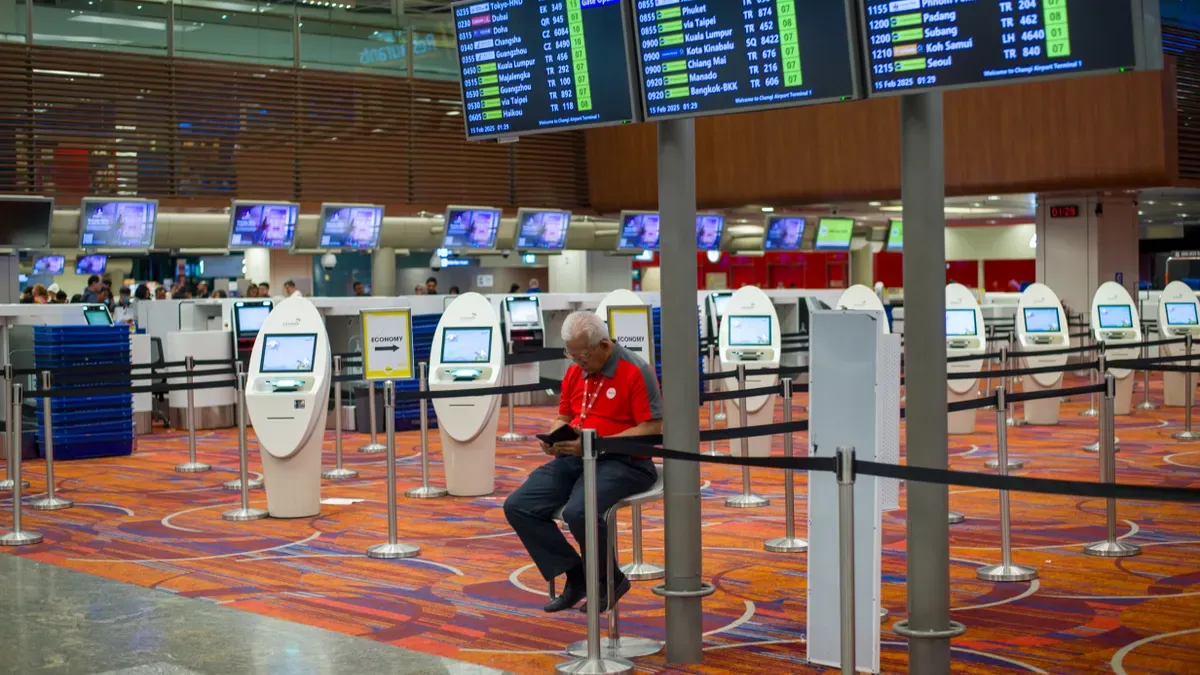
When you integrate autonomous stores with existing payment systems in an airport, you give travelers a fast and easy way to shop. Autonomous checkout stores, like those from VenHub and Zippin, let people pick up items and pay without waiting in line. Secure and seamless payment options matter because travelers want contactless and digital wallet choices. Many get frustrated if they must move to different spots just to pay. Mobile apps can make the process smoother and help you keep your operations efficient.
Key Takeaways
Integrating autonomous stores with payment systems enhances the shopping experience for travelers, allowing for quick and easy purchases without long lines.
Offering multiple payment options, including mobile wallets and credit cards, is crucial to meet the diverse needs of international travelers.
Testing user experience before launch helps identify potential issues, ensuring a smooth and efficient shopping process for customers.
Strong security measures and compliance with data protection regulations are essential to build trust and protect traveler information.
Monitoring store performance and optimizing operations can lead to increased revenue and improved customer satisfaction.
Autonomous Checkout Stores & Payment Systems
What Are Autonomous Checkout Stores?
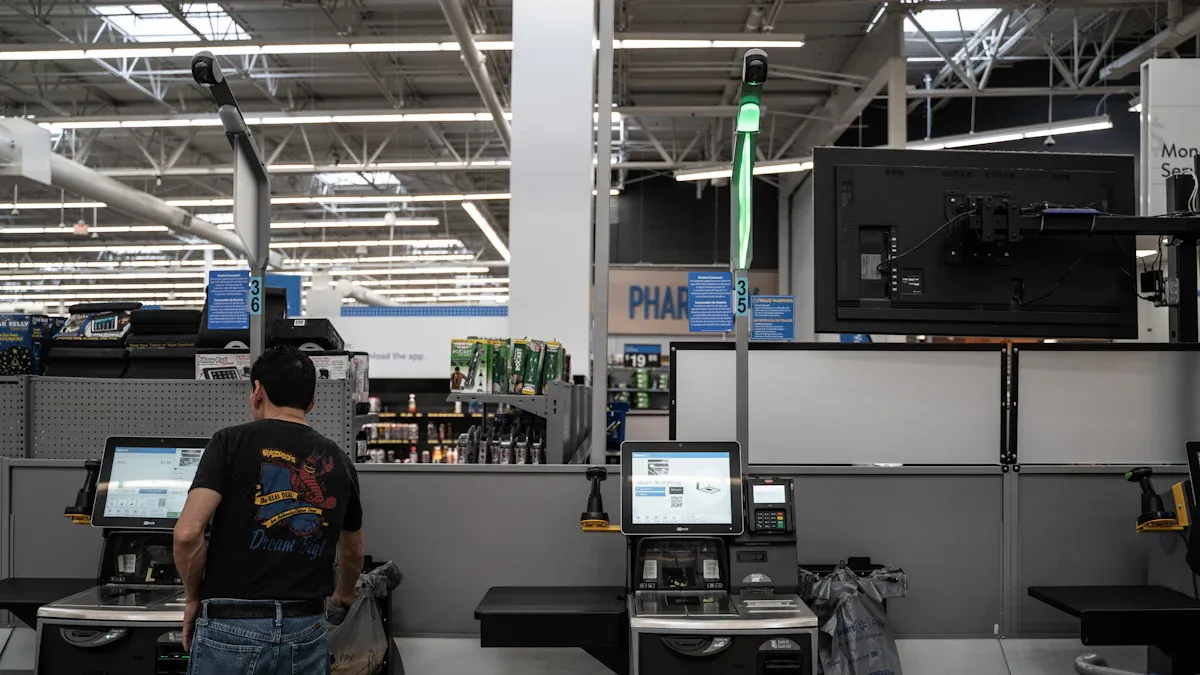
You see autonomous checkout stores in airports when you walk into a shop, grab what you want, and leave without stopping at a cashier. These stores use sensors, cameras, and smart shelves to track what you take. VenHub and Zippin have set up these stores in airports, making shopping faster for travelers. You do not wait in line. You pay using your phone or card. The table below shows how autonomous checkout stores compare to traditional airport shops:
Feature/Benefit | Autonomous Checkout Stores | Traditional Retail Models |
|---|---|---|
Speed and Convenience | Allows quick purchases without waiting in line | Requires waiting in line for checkout |
Increased Revenue for Retailers | Can lead to a 30% increase in sales | Sales may be limited by checkout efficiency |
Data-Driven Insights | Leverages analytics for inventory and preferences | Limited data usage for inventory management |
24/7 Accessibility | Operates without staff, available at all hours | Limited hours of operation |
Airport Payment Systems Overview
You find many payment options in airports. Travelers use cash, debit cards, credit cards, pre-paid cards, and e-wallets. Some regions prefer credit cards, while others use e-wallets more often. Here is a list of common payment methods:
Cash is popular with 58% of travelers worldwide.
Debit cards are used by 17%.
Credit cards are used by 16%.
Pre-paid cards are used by 6%.
Multi-currency e-wallets are used by 3%.
In airports, you also see payment technologies like mobile wallets, meal plan apps, and badge pay. These options help travelers pay quickly and safely.
Why Integration Matters
You improve the airport shopping experience when you integrate autonomous stores with existing payment systems. Travelers want fast, secure ways to pay. If you offer seamless payment, you capture more revenue and make travelers happy. Autonomous checkout stores help airports boost sales by up to 30%. You reduce wait times and make shopping easier. The table below shows the benefits of integration:
Benefit | Description |
|---|---|
Faster Transactions | Streamlined payment systems reduce the time spent at checkout. |
Enhanced Security | Advanced technologies ensure secure transactions for travelers. |
Reduced Wait Times | Expedited checkout minimizes queues, which is crucial for busy airports. |
You see more convenience, higher revenue, and better support for travelers when you use autonomous checkout stores in airports.
Integrate Autonomous Stores in Airports
Assess Payment Infrastructure
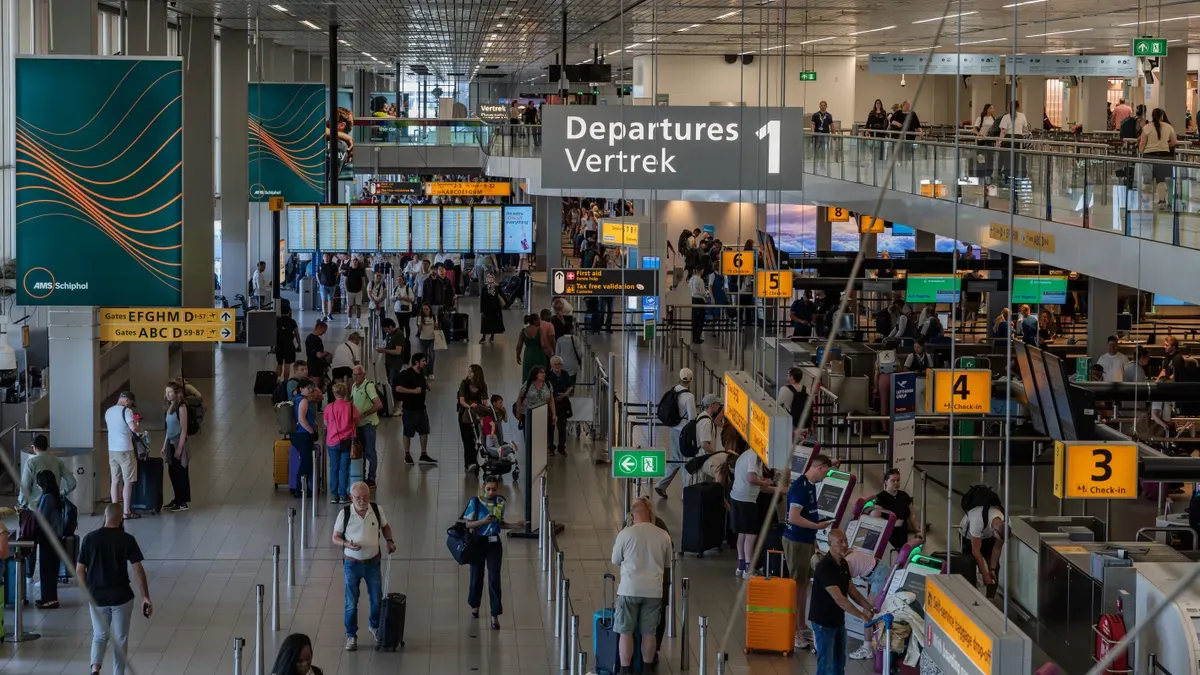
You need to start by looking at your current payment systems before you integrate autonomous stores in airports. Many airports use different payment methods, so you must check if your systems can support new technology. When you assess payment infrastructure, you may face some common challenges:
Safety, security, and privacy concerns. New technology must not lower safety standards.
Compatibility issues with existing systems. Many IoT solutions do not fit easily into airport environments.
Talent and skill gaps. You may need to train staff or hire new people with technical skills.
The need for a strong business case. Some airports worry about the return on investment.
Difficulties in getting funding. Thin profit margins can make it hard to pay for upgrades.
You should work with your IT and finance teams to find solutions for these challenges. This step helps you build a strong foundation for autonomous checkout stores.
Choose Compatible Store Technology
You must select technology that works well with your airport’s payment systems. Autonomous checkout stores use sensors, cameras, and smart shelves. These tools track what travelers pick up and help process payments quickly. You should look for store technology that supports many payment types, such as credit cards, mobile wallets, and pre-paid cards. This makes shopping easier for travelers from different countries.
Mobile apps and self-service tools play a big role here. They let travelers make purchases with little or no help from staff. Self-checkout systems allow travelers to scan and pay for items on their own. Mobile payment options give a fast and secure checkout experience. These features help you integrate autonomous stores smoothly with airport services.
Security & Compliance
You must protect traveler data and follow all rules when you integrate autonomous stores with airport payment systems. Airports handle sensitive information, so you need to meet strict security and privacy standards. The table below shows some key requirements:
Compliance Requirement | Description |
|---|---|
GDPR | Imposes strict guidelines on the collection, storage, and processing of personal data, including biometric data. |
CCPA | Focuses on consumer privacy rights and data protection. |
PCI DSS | Ensures the protection of payment information during transactions. |
You should work with legal and IT experts to make sure your autonomous checkout stores meet these standards. This keeps traveler data safe and builds trust.
Test User Experience
You need to test the shopping process before you launch autonomous checkout stores in airports. Start by asking travelers to use the store and give feedback. Watch how they interact with mobile apps and self-service tools. Make sure the payment process is quick and easy. You want travelers to finish shopping without confusion or delays.
Mobile apps and self-service tools help travelers shop with little human interaction. These tools also give instant support if travelers have questions. Online and mobile payment methods make checkout fast. Self-checkout systems let travelers scan and pay for items by themselves. When you test user experience, you find ways to improve the process and make shopping better for everyone.
By following these steps, you can integrate autonomous stores with airport payment systems. You give travelers a smooth, secure, and modern shopping experience. This approach also supports integration with airport services and prepares you for future trends like autonomous vehicle retail.
Challenges & Solutions
Multiple Payment Methods
You face a big challenge when you try to support many payment methods in airports. Travelers come from all over the world. They use cash, credit cards, debit cards, and e-wallets. Some travelers prefer mobile payments, while others stick to traditional cards. You need to make sure your autonomous checkout stores accept all these options. If you miss one, you risk losing sales and frustrating travelers. You can solve this by choosing payment systems that work with many types of cards and digital wallets. You should also test your system with real travelers to see if it meets their needs.
Tip: Offer clear instructions for each payment method. This helps travelers pay quickly and reduces confusion.
Data Security
You must protect traveler information in airports. Autonomous checkout stores collect data from sensors, cameras, and payment systems. You need strong security to keep this data safe. You can use live monitoring to track store activity and flag theft. Many airports use their existing CCTV networks to watch for suspicious actions like pushout theft or sweethearting. AI-powered loss prevention tools help you detect unusual behavior and verify transactions in real time.
Here is a table showing some solutions for data security:
Solution Type | Description |
|---|---|
Live Monitoring | Advanced security sensors track activity 24/7, protecting customers and inventory alike. |
Backup Battery | Keeps the store running through power outages, ensuring continuous service and operation. |
Bullet Resistant Glass | Prevents forced entry and ensures maximum security for both products and customers. |
AI-powered Loss Prevention | Uses AI to detect suspicious behavior and verify POS transactions in real-time. |
You can also cross-reference video footage with transaction data to spot problems. These steps help you build trust with travelers and keep airports safe.
Operational Efficiency
You want your airport stores to run smoothly. Autonomous checkout systems help you reduce wait times. Travelers spend less time in line and more time enjoying their trip. You need fewer staff to manage transactions, so you can use your team for other important tasks. Quick and efficient service makes travelers happy and encourages them to return.
Aspect | Description |
|---|---|
Reduction of Wait Times | Autonomous checkout systems significantly decrease the time customers spend waiting in line. |
Minimization of Staff Needs | Fewer staff are required to manage transactions, allowing for better allocation of human resources. |
Enhanced Customer Experience | Quick and efficient service leads to higher customer satisfaction and likelihood of return visits. |
You can improve operational efficiency by training your staff and using smart technology. This helps airports stay competitive and keeps travelers coming back.
Benefits of Integration
Enhanced Traveler Experience
You give travelers a better shopping experience when you use autonomous checkout stores in airports. These stores let travelers grab food, drinks, and essentials quickly. They do not have to wait in long lines. Self-checkout markets are now common in airports. You see fresh food, cold drinks, snacks, and travel items ready for purchase. The technology makes transactions fast and smooth. Travelers feel more satisfied because they can shop without stress. Airports also use this integration to make the most of retail space and lower costs.
No long wait times
Easy self-checkout options
Fresh and convenient products
Revenue Growth
You help airports grow their revenue by integrating autonomous checkout stores with payment systems. The global market for computer vision checkout in airport retail reached $1.42 billion in 2024. Experts expect it to grow by 18.7% each year and reach $7.14 billion by 2033. This growth comes from the rising demand for seamless and contactless shopping. When you offer a fast and easy shopping experience, travelers spend more. Airports report higher average transaction values after using just-walk-out technology. The table below shows some measurable benefits:
Benefit | Description |
|---|---|
Increased Average Transaction Value | Airports report measurable increases in average transaction values after implementing just-walk-out technology. |
Enhanced Customer Satisfaction | The just-walk-out model provides a pressure-free shopping environment, improving overall satisfaction scores. |
Improved Operational Efficiency | The technology drives higher transaction volumes and reduces labor costs over time. |
Efficient Operations
You make airport operations more efficient with autonomous checkout stores. Airports use sensors, cameras, and smart kiosks to collect data about sales and customer movement. This helps you understand how travelers move through the airport and where to place retail units. You can measure success using real-time feedback, financial impact assessments, and passenger flow mapping. The table below shows how airports track the impact of integration:
Metric Type | Description |
|---|---|
Real-time Feedback | Collects ongoing insights into passenger sentiment to evaluate customer experience. |
Financial Impact Assessments | Evaluates the measurable business impact of autonomous checkout systems on retail revenue. |
Data Collection Tools | Utilizes sensors, cameras, and smart kiosks to gather information about sales and customer movement. |
Passenger Flow Mapping | Analyzes how passengers move through the airport to optimize the placement of retail units. |
Qualitative Metrics | Includes customer satisfaction, dwell time, and average queue time to assess the impact on experience. |
Note: When you use these tools, you can improve service, reduce costs, and make smarter decisions for your airport.
Best Practices for Autonomous Vehicle Retail
Collaborate with Payment Providers
You should work closely with payment providers when you set up autonomous stores in airports. Payment providers help you connect your store technology with many payment options. This makes it easy for travelers to pay with cards, mobile wallets, or other digital methods. You can ask payment providers about the latest security features and fraud protection. They can also help you follow rules for data privacy. When you build strong partnerships, you keep your payment systems safe and up to date.
Monitor & Optimize
You need to watch how your autonomous checkout stores perform. Airports use modern technology to meet the digital needs of travelers. You can use AI-powered tools to track sales and spot trends. Self-checkout systems let you see which products sell best and which payment methods travelers use most. Here are some ways you can monitor and improve your store:
Use AI-powered product recommendations to boost sales.
Track how fast travelers move through checkout.
Check if digital payment methods work smoothly.
Collect feedback from travelers about their shopping experience.
Tip: Frictionless payments and smart technology can turn airport retail into a more immersive and enjoyable experience.
Staff Training & Support
You must train your staff to manage autonomous checkout stores. Good training helps your team solve problems quickly and keep the store running well. You can use different ways to train your staff:
Build small internal teams for high-quality work, but this may take more time.
Use crowdsourced teams for fast scaling, but watch out for lower quality.
Choose managed workforces to balance speed and quality.
Staff should know how to help travelers use self-checkout and digital payments. You can also give them support tools, like quick guides or help desks. When your staff feels confident, your autonomous vehicle retail store will run smoothly and travelers will have a better experience.
You can transform airport retail by integrating autonomous checkout stores with secure payment systems. Secure payments build trust and encourage travelers to return. Seamless shopping reduces friction and keeps travelers happy. To succeed, you should:
Add self-checkout and biometric payment options for faster service.
Use AI to keep stores open 24/7 and help staff focus on safety.
Follow examples from Dallas Fort Worth and Schiphol airports, where staff now assist travelers instead of running registers.
Autonomous stores and smart kiosks will keep growing. You will see more AI and digital tools making airport shopping easier and more efficient.
FAQ
How do autonomous checkout stores work in airports?
You enter the store, pick up items, and walk out. Sensors and cameras track what you take. The system charges your account automatically. You do not need to wait in line or scan items.
What payment methods can I use in autonomous airport stores?
You can use credit cards, debit cards, mobile wallets, and sometimes cash. Many stores support Apple Pay, Google Pay, and other digital wallets. Check the store’s signs for accepted payment options.
Are autonomous checkout stores safe for my personal data?
Yes, these stores use strong security measures. They follow rules like PCI DSS and GDPR. Your payment and personal data stay protected with encryption and secure storage.
What if I need help while using an autonomous store?
You can find help buttons or contact staff nearby. Many stores offer support through mobile apps or kiosks. Look for instructions posted in the store for quick assistance.
See Also
Comparing Micromarkets And Smart Stores In Global Retail
Transforming Your Store With Cloudpick's Cashierless Solutions
Analyzing Walgreens Self-Checkout: Benefits And Retail Hurdles
The Impact Of Smart Technology On Electronics Vending Machines
The Future Of Retail: Embracing AI-Powered Store Innovations
