The role of multi-sensor fusion in high-traffic autonomous stores in Airports & transportation hubs.


Multi-sensor fusion unites computer vision, spatial LiDAR, thermal sensors, and shelf weight monitors into one definitive solution for high-traffic transit retail. Busy airport terminals create difficult physical environments for automated shopping. Fast-moving commuters carry bulky rolling luggage through tight store layouts under strict flight schedules. Extreme crowd density creates persistent visual occlusions during peak rush hours. To overcome these operational obstacles, advanced machine learning platforms process redundant multi-sensor data streams continuously. These unified sensors track customer movements and item selections without error across crowded floors. Consequently, a frictionless airport store maintains 99%+ tracking and transaction accuracy while guaranteeing rapid customer throughput.
Key Takeaways
Multi-sensor fusion combines cameras, LiDAR, and weight scales to track shoppers accurately in crowded airport stores.
Edge AI processes store data locally to speed up transactions and keep stores running during network outages.
Predictive maintenance software monitors hardware health constantly to prevent unexpected store downtime and costly repairs.
Frictionless checkout allows busy travelers to grab items and leave quickly without standing in long lines.
Multi-Sensor Fusion Architecture in Transit Retail
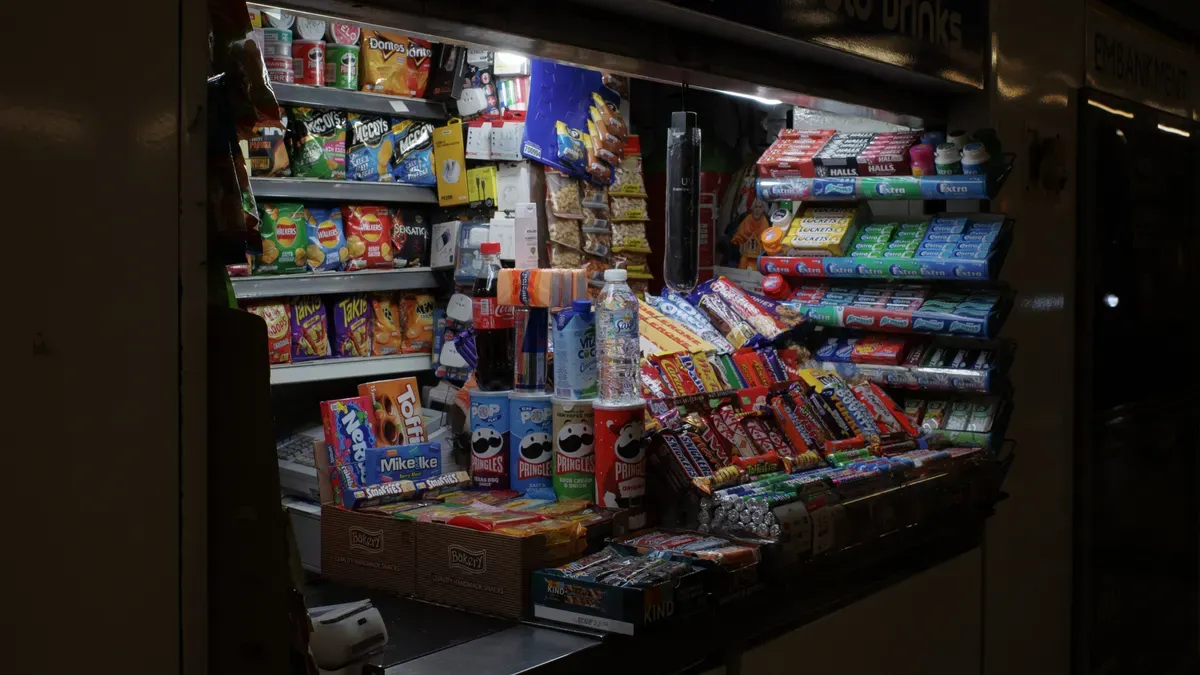
High-density transit locations create severe visual obstructions for retail automation in busy airport terminals. A single overhead camera often loses track of products when crowds cluster together in narrow store aisles. Large rolling luggage, backpacks, and heavy duffel bags easily block standard camera sightlines during peak commute hours. Multi-sensor fusion overcomes these physical obstacles by uniting complementary sensory modalities into a single continuous spatial model.
Integrating Vision, LiDAR, and Weight Sensors
Autonomous transit stores rely on multi-sensor integration to maintain absolute tracking accuracy. Overhead RGB cameras capture visual details and identify customer movements. Spatial multi-sensor LiDAR units emit invisible light pulses to generate high-accuracy mapping across the entire floor layout. Meanwhile, shelf weight sensors measure exact physical mass changes when airport shoppers select items.
Sensor Modality | Primary Function | Physical Obstacle Resolved |
|---|---|---|
RGB Vision Cameras | Visual identification and movement tracking | Differentiates item packaging variants |
Spatial LiDAR | Spatial depth tracking and continuous position mapping | Prevents line-of-sight tracking loss from rolling luggage |
Shelf Weight Monitors | Precise force measurements and mass validation | Resolves visual occlusions during crowded item picking |
Combining these complementary sensors eliminates single-point operational failures. The multi-sensor architecture merges detection scores, spatial tracking trajectories, and context rules into a higher-confidence output. When a traveler shields a shelf with a large suitcase, multi-sensor spatial LiDAR continues tracking the individual across the store using simultaneous localization and mapping techniques. Advanced lidar slam solutions continuously refine these dynamic room coordinates in real time.
Camera tracks customer spatial trajectory toward target shelf location.
LiDAR maintains persistent person identifier despite physical visual occlusion.
Shelf weight monitor detects precise item removal and sends weight shift data.
Multi-sensor fusion engine confirms customer identity and item payload match.
The system preserves person-object association even during temporary obstructions. Persistence checks maintain object identity across variable observation periods, such as a defined three-minute observation window for static items. The store network matches weight sensor data with spatial movement vectors, linking each grabbed product directly to the correct shopper profile without error.
Multi-sensor spatial coverage guarantees that physical line-of-sight obstructions never compromise checkout accuracy or item attribution.
Reducing Latency with Edge AI Perception
Fast-moving commuters require instantaneous processing. Transit travelers cannot tolerate system delays or lag when catching tight flights. Edge-based machine learning platforms process multi-sensor inputs locally at the store hardware layer to achieve sub-second execution speeds.
Local edge devices absorb raw multi-sensor stream arrays directly. On-site neural network accelerators analyze raw camera feeds, spatial point clouds, dynamic data feeds, and shelf weight shifts concurrently. This local data processing pipelines sensor data into sensor-fused data without requiring round-trip cloud transfers. Hardware sensors process localized signal streams continuously to ensure maximum operational uptime. Edge systems validate transaction records before sending finalized event packets to administrative servers.
Local processing reduces bandwidth consumption and maintains store stability during external network outages. Edge hardware executes real-time spatial analytics to monitor store traffic density continuously. The local perception platform converts multi-sensor data streams into instant purchase logs. The multi-sensor engine verifies item removals immediately, delivering frictionless shopping experiences for travelers hurrying toward their airport boarding gates. Constant monitoring of individual sensors prevents systematic drift across all hardware units. Consequently, store operators receive reliable purchase tracking without operational lag, keeping transaction flow moving seamlessly.
System Maintenance and Reducing Airport Downtime
Continuous terminal operations require uninterrupted store execution. Autonomous airport retail locations run twenty-four hours every day without standard night closures. Operators must perform airport maintenance while passenger foot traffic continues moving through terminal gates.
Proactive Airport Maintenance for 24/7 Stores
Automated maintenance algorithms track critical assets in real time to prevent unexpected system shutdowns. Internal software runs continuous diagnostic health routines across all active sensors without interrupting customer transactions. The system continuously streams telemetry data into an edge engine to measure physical machine health scoring.
Embedded software reads operational data streams from connected store sensors.
Analytics algorithms evaluate component performance to generate an asset health score.
Diagnostic checks flag unexpected signal degradation before mechanical failures happen.
Edge platforms trigger work order automation to schedule technical teams instantly.
This continuous monitoring process shifts airport store management away from standard reactive repair strategies. Machine algorithms monitor component assets continuously, calculating a dynamic health score for every critical asset on the floor. Predictive predictive maintenance analytics evaluate performance drift across vision cameras and floor scales. Maintenance teams receive automated alerts to fix minor hardware issues before physical failures trigger costly store shutdowns.
Hardware Reliability and Downtime Prevention
High passenger traffic creates severe physical wear on retail assets. Overlapping hardware channels isolate single failures to stop store downtime during sudden travel rushes.
Resilience Feature | Maintenance Mechanism | Operational Downtime Impact |
|---|---|---|
Overlapping Coverage | Cross-calibrated sensors preserve tracking | Prevents unplanned downtime |
Automated Re-calibration | Software corrects drift using static data | Eliminates reactive servicing |
Dynamic Failover | Backup assets take over broken channels | Stops store downtime |
System software adjusts spatial tracking grids automatically when individual sensors report poor health score values. Secondary devices absorb spatial workload channels instantly, turning unexpected hardware failures into manageable background events. Operators avoid reactive repair visits during peak flight departure hours.
Automated health monitoring protects airport revenue by replacing reactive repairs with precise predictive asset management.
These integrated fail-safe strategies eliminate unplanned downtime across busy terminal locations. Store systems manage hardware assets proactively, keeping critical assets fully operational during major travel surges. Effective maintenance protocols eliminate unplanned downtime, while continuous health score tracking prevents unexpected operational failures.
Operational Impact on Airport Retail Velocity

High-traffic store layouts require maximum operational speed during rush hours. Automated systems track customer movements directly to eliminate standard purchase delays in busy flight terminals.
Maximizing Throughput in High-Density Hubs
Multi-sensor fusion transforms customer throughput by eliminating traditional checkout lines. Travelers select items from store shelves and walk directly out of the door. Advanced perception engines merge data inputs instantly to capture each selection. This seamless item tracking speeds up transactions, helping passengers with tight flight connections complete purchases within seconds.
Quick-commerce metrics measure store velocity in these dense transit locations. High delivery density and picking speed define retail performance. Top autonomous operators maintain a perfect order rate of 97–99% through real-time inventory tracking. High rider utilization and fast promise-to-delivery time keep operations efficient. Autonomous stores lower checkout friction by using geolocation verification and instant payment authorisation.
Instant item attribution removes physical checkout queues, allowing hurried commuters to grab essential travel goods and reach departure gates on time.
Preventing Loss and Streamlining Checkout
Accurate item attribution stops store loss and shrinkage across high-traffic airport hubs. Standard camera systems miss item grabs when crowds block sightlines. Multi-sensor configurations combine overhead camera streams with weight data from intelligent shelves. This multi-sensor approach links every physical item directly to the correct customer account.
{
  "event": "item_grab",
  "store_id": "AP_GATE_B12",
  "customer_id": "USR_88392",
  "item_sku": "WATER_500ML",
  "confidence": 0.998
}
The unified system protects retail assets continuously without interrupting fast customer foot traffic. Precise weight monitoring verifies exact product masses during simultaneous item selections. Consequently, store operators protect valuable assets while maintaining complete inventory accuracy across the entire store floor.
Streamlined checkout systems integrate payment processing with digital travel credentials. Passengers scan mobile wallets or flight tickets upon entering the store footprint. The underlying platform matches purchase assets with the verified customer identity immediately. Automated payment systems process final payments within seconds after shoppers walk through exit boundaries, delivering a complete frictionless experience.
Multi-sensor fusion elevates autonomous retail viability in busy transit hubs. Combining multi-sensor arrays provides rapid transaction speeds alongside zero-friction accuracy. This unified architecture delivers strong financial value. Precise item tracking eliminates loss, while dynamic labor reallocation optimizes store throughput. Automated health monitoring replaces reactive servicing with predictive maintenance protocols. Continuous airport maintenance shields critical assets from operational failures, effectively preventing downtime across retail floors.
Safeguarding physical assets removes unexpected operational risks and eliminates unplanned downtime during peak travel rushes. Persistent health checks preserve hardware assets continuously.
Airport concession managers and transit retail operators must prioritize unified multi-sensor platforms over single-technology vision systems when evaluating expansion.
FAQ
How do autonomous airport stores prevent system downtime?
Stores use dynamic multi-sensor monitoring to catch hardware issues early. Embedded diagnostic software tracks sensor performance continuously. This proactive maintenance prevents unexpected system failures before peak travel rushes begin.
How do operators evaluate store hardware performance?
Internal algorithms evaluate live data streams from active cameras and scales. The edge system converts real-time component performance into a dynamic health score. Technicians review this health score to fix hardware issues before shoppers experience disruptions.
Why do busy airport hubs rely on multi-sensor technology?
Crowded terminal aisles cause frequent visual obstructions. Overlapping visual and spatial sensors combine image details with weight changes. This redundant tracking eliminates store downtime during travel surges while preserving complete transaction accuracy.
How does predictive maintenance protect store revenues?
Automated health diagnostics eliminate costly emergency repairs across retail locations. Software systems alert technical teams to perform routine servicing during quiet travel hours. Consequently, store operators maximize retail velocity without losing transaction revenue.
See Also
Discover Why Artificial Intelligence Retail Stores Represent The Future
Exploring Top Features Of Smart Combination Vending In Retail
How Tysons Converted A Container Store Into Community Space
Comparing Global Micromarkets And Smart Stores In Modern Retail
How Modern Vending Technology Is Revolutionizing The Fast Food
