Passenger experience changes with smart checkout options
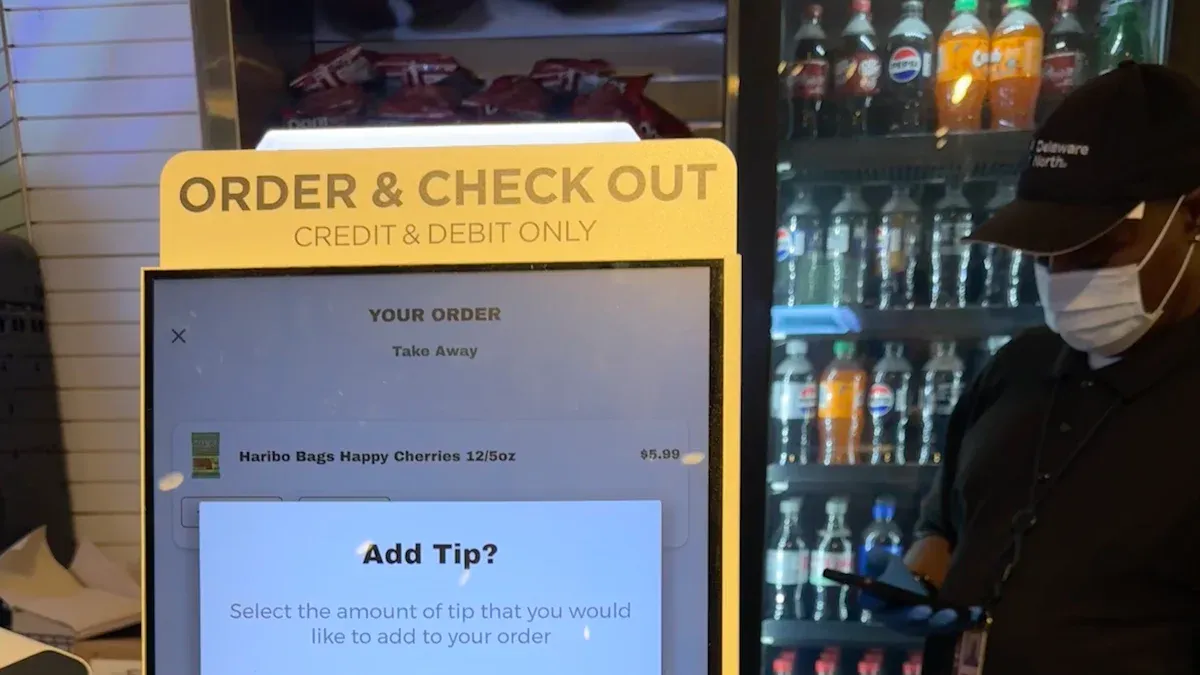
Picture yourself at a busy airport. You see a long line at the old checkout counter. People look stressed and watch the clock. Now, imagine you walk into a shop with smart checkout. You grab your snacks and walk right out—no waiting, no hassle. Smart checkout stores cut down lines and let you manage your time better. This change brings less stress and more control to your passenger experience. You can move through the airport with ease and focus on your journey.
Key Takeaways
Smart checkout options help you avoid long lines at airports. This makes shopping faster and less stressful for you.
Frictionless checkout uses technology like AI and RFID to track what you buy. You can grab items and leave without waiting in line.
Self-service kiosks and touchless payments make things easier. You can check in and shop without needing help from staff.
Personalized offers and real-time inventory updates help you shop faster. You can find what you need quickly and easily.
Smart checkout systems help airports work better. They cut down wait times and let staff help travelers who need more support.
Frictionless checkout explained
What is frictionless checkout?
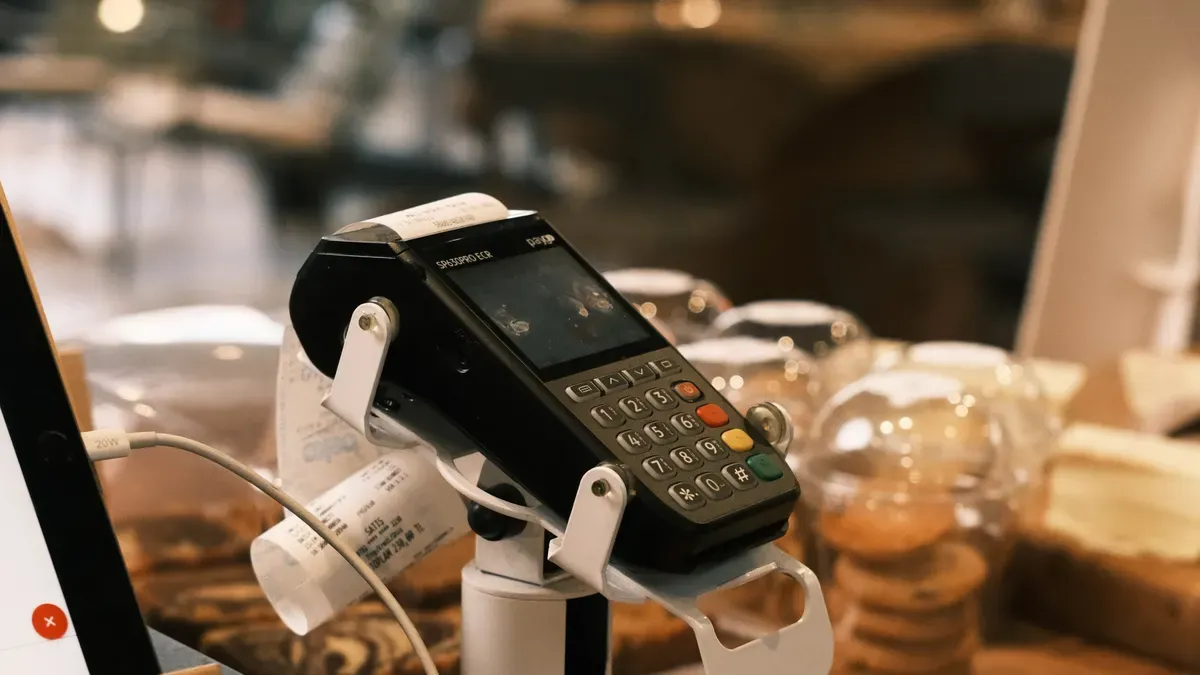
You may ask what frictionless checkout means. It is a way to shop that skips the usual steps in stores. You do not wait in line or talk to cashiers. You grab what you want and leave. Stores use smart technology to track what you buy. They use computer vision, AI, and RFID. This makes shopping quick and easy. It helps when you are in a rush.
Just Walk Out technology uses computer vision, AI, and RFID. It gives you a simple way to shop. You enter a store after showing your payment method. You look around and pick up items you want. You leave without stopping at a checkout counter.
Frictionless checkout is different from old systems. You do not scan items or use a kiosk. The store knows what you take and charges you. At UC San Diego, stores with this tech had more sales. They saw a 14% rise in daily transactions. More people shopped there. This shows how these systems help stores and shoppers.
Here is what makes frictionless checkout special:
Contactless shopping lets you buy things without touching screens.
Autonomous checkouts and self-checkouts do the work for you.
AI makes shopping feel easier and fits your needs.
Smart checkout in airports
Airports are busy. You do not want to stand in line. You want to relax or get to your gate. Smart checkout, like just-walk-out, works well in airport stores. These stores focus on speed. This makes your experience better.
The just-walk-out model removes lines. You get in and out fast.
Airports use frictionless retail tech because it helps them.
Specialty stores use AI to suggest items you may need.
Smart checkout makes your trip easier. You spend less time shopping. You have more time to enjoy your journey. You feel less stress and more control. That is what you want when you travel.
Passenger experience benefits
Faster shopping and reduced lines
It can feel stressful to see a long line at the airport store. Smart checkout helps you skip the wait. You just grab what you want and leave. This makes your trip easier. You have more time to relax or get to your gate.
Mark Smith from SSP says this new way to shop makes trips better.
Krishna Motukuri, CEO of Zippin, says long lines make people skip shopping. Smart checkout fixes this, so you can shop without worry.
Tim Goodwin at Planet says new payment tech helps you shop fast, even if you are in a hurry.
You do not need to wait in line for snacks or gifts. You can pay with touchless sensors or your phone. Self-service kiosks let you check in or drop bags without help. These changes make things faster and less stressful.
Here are some ways airports use smart checkout to speed things up:
Mobile device payments
Self-service bag drop units
Check-in kiosks
You spend less time waiting and more time enjoying your trip.
Enhanced convenience and personalization
Smart checkout does more than save time. It makes your airport visit easier and fits your needs. You can use self-service kiosks to check in, print your boarding pass, or drop off your bags. You do not need to talk to an agent. At some airports, you can meet 'Bridget,' an interactive hologram. She gives you directions and answers your questions right away.
Example Type | Description |
|---|---|
Check-in Kiosks | Let you check in, print boarding passes, and drop off luggage without help. |
Bag Drop Kiosks | Allow you to drop your bags without talking to an agent. |
Interactive Hologram | 'Bridget' at LaGuardia Airport helps you with directions and answers, making travel easier. |
Smart checkout uses real-time data to make shopping personal. You might see offers that match what you like. AI can suggest things you need, so you do not have to look for them. The FetchyFox platform shows you what is in stock and gives you tips, so you always know what you can buy.
Evidence Description | Contribution to Personalized Experience |
|---|---|
Tailored offers and personalized shopping experiences based on real-time data | Makes customers happy by matching offers to what they like. |
AI-driven recommendations ensure passengers find exactly what they need | Makes shopping better by suggesting the right products. |
Real-time inventory and personalized recommendations through the FetchyFox platform | Makes shopping smooth, so you can pick what you want from what is available. |
There is also more help for travelers with special needs. Many kiosks have touchscreens and voice commands. You can get help in different languages. Some kiosks have closed captions and signs for people with hearing loss. You can even ask for a wheelchair or other help right from the kiosk.
Feature | Description |
|---|---|
Dual Input Methods | Kiosks have touchscreens and voice commands for people with mobility or vision problems. |
Multilingual Support | Visual and audio help in many languages makes things easier for everyone. |
Hearing Assistance | Closed captions and signs help people with hearing loss understand instructions. |
Mobility Service Integration | You can ask for wheelchair help and other services, making your trip easier. |
Some people find kiosks hard to use, especially if they have a disability. Some need help with touchscreens or need more support. Airports are trying to fix these problems, but not every solution works for everyone.
Smart checkout options give you more control and make your trip better. You get speed, convenience, and shopping that feels made for you.
Real-world airport solutions
Touchless and self-service kiosks
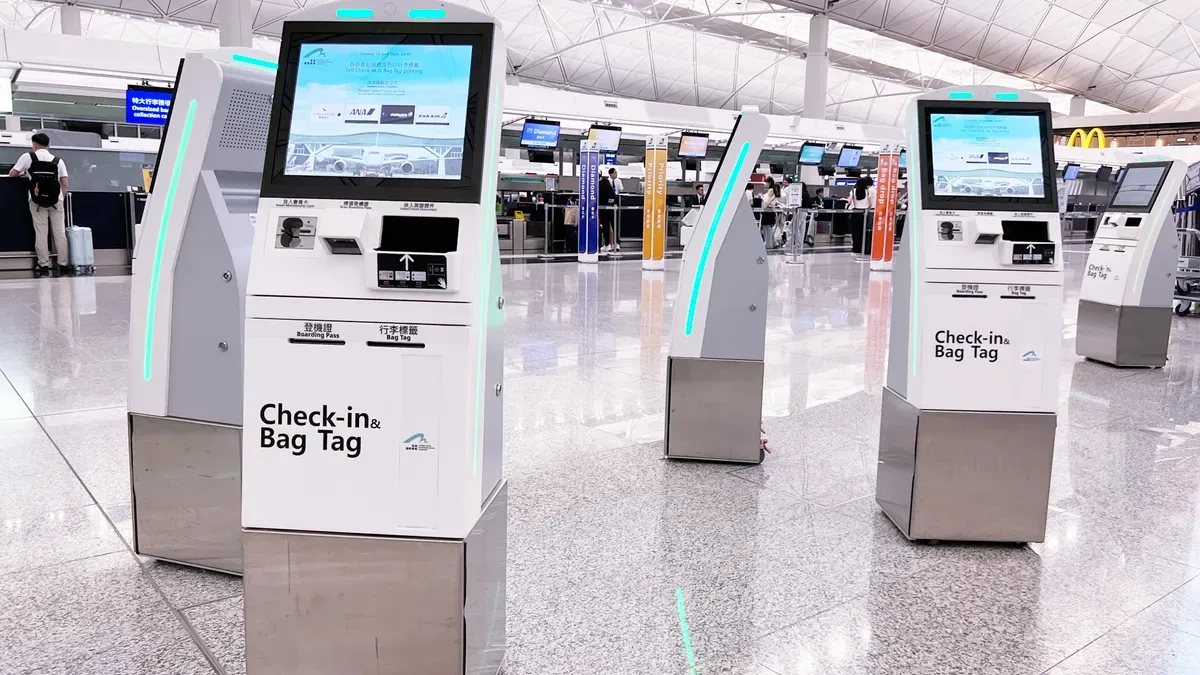
Airports are adding more touchless and self-service kiosks each year. These kiosks let you check in, print your boarding pass, or drop your bag without waiting for help. Many airports have changed a lot after using these systems. For example, self check-in kiosks cut wait times from 27 minutes to under 20 minutes. That is a 30% drop. You spend less time in line and more time enjoying your trip.
Implementation | Result |
|---|---|
Self check-in kiosks | Reduced average wait times from 27 to under 20 mins |
Airlines and airports use these kiosks to lower labor costs and speed up processing. You get through lines faster, and staff can help people who need extra support. Self-service kiosks also make airports work better. They help move more people through busy areas, which keeps things running smoothly. Digital check-in solutions help cut down on waiting, so you feel less stressed.
Automated kiosks lower labor costs and speed up processing.
Self-service kiosks reduce queue wait times and improve passenger flow.
Digital workflows cut down on manual errors and make things run better.
Self-service kiosks create a flexible system that adjusts to real-time demand. If the airport gets busy, these kiosks help keep things moving. You see fewer crowds and get better service, even during busy travel times.
Digital marketplaces and analytics
Digital marketplaces change how you shop at the airport. You can use one app to manage lounge access, fast-track security, order food, and shop duty-free. Treva is a platform that brings all these services together. You can plan your shopping before your trip, which makes your airport visit smoother.
Treva puts many airport services in one place.
You can handle lounge access, security, food, and shopping in one app.
Pre-trip shopping helps you save time and avoid stress.
Smart checkout solutions also help airport shops. They make buying things faster and more personal. Stores use data to show you offers you might like. This leads to more sales and happier travelers.
Evidence Type | Description |
|---|---|
Technology Impact | Smart checkout streamlines buying, reduces congestion, and personalizes shopping, boosting sales. |
Market Growth | AI and mobile platforms increase transaction volumes and conversion rates. |
Customer Engagement | Start-ups like AiFi and SkipQ make shopping easier and help retailers sell more. |
You see more people using self-check-in apps and kiosks. In fact, 70% of travelers like these options more than the front desk. For Gen Z, that number jumps to 82%. When you use a kiosk, you are three times more likely to buy an upgrade. This means more money for the airport. Digital tools make the passenger experience better for everyone.
Implementing smart checkout
Steps for travel operators
If you want smart checkout at your airport, you need to plan. First, check how much space you have. Most smart checkout setups need between 60 and 200 square feet. The size depends on how many people use the airport each day. You also need strong WiFi and enough outlets. These things help your system work well.
Here’s a simple list of what you need:
Requirement | Details |
|---|---|
Space Requirements | 60–200 square feet, based on demand |
Infrastructure Needs | Standard electrical outlets and WiFi connectivity |
Traffic Thresholds | Profitable with 200+ daily visitors |
Operator Partnership | Revenue share agreements, usually 60/40 or 70/30 splits |
Think about how smart checkout works with your other digital tools. Many airports use mobile apps for check-in and boarding passes. They also give flight updates. Smart checkout can connect with these apps. This makes things easier for travelers. You can add things like contactless payments and virtual lines. You can even use biometric check-ins for a touchless trip.
Smart checkout is good for the planet too. Smart grid technology helps save power and lower pollution. You can use green energy and electric cars. You can also manage trash better. These steps make your airport cleaner and more efficient.
Overcoming challenges
You might have some problems at first. Keeping data safe is very important. You must protect customer information and follow rules like GDPR. Starting costs can be high, but you save money later. You need fewer workers and make fewer mistakes.
Here are some common problems:
Challenge | Description |
|---|---|
Protecting customer data is a must | |
High Initial Investment Costs | Upfront costs can be significant |
Integration Complexity | Merging new tech with old systems is tricky |
Compliance with Regulations | Laws like GDPR must be followed |
You can fix these problems by working with good partners. Plan your rollout step by step. Smart checkout gives you better data and fewer mistakes. It also makes customers happier. You show travelers you care about speed, safety, and the planet. This helps your airport stand out.
Smart checkout changes how you travel. You get more time, less stress, and a smoother passenger experience. Airports now use Just Walk Out technology, like at Hudson Nonstop stores, so you can grab what you need and head to your gate fast. You see higher satisfaction and more spending when airports add smart touchpoints. Here are some trends you can expect to see soon:
More stores with tap-to-pay and touchless entry
Digital receipts in many languages
Personalized offers and faster shopping
You will see airports become even more convenient as these tools grow.
FAQ
What is smart checkout?
Smart checkout lets you grab items and pay without waiting in line. You use touchless sensors, kiosks, or your phone. The process feels fast and easy.
How does smart checkout help you at the airport?
You skip lines and save time. You check in, shop, and drop bags without talking to staff. You get more control over your trip.
Tip: Try using self-service kiosks for faster check-in!
Is smart checkout safe for your personal data?
Most airports use strong security and follow privacy rules. Your information stays protected. You can ask staff about data safety if you have concerns.
Security Feature | What it does |
|---|---|
Encryption | Keeps your data safe |
Privacy Compliance | Follows legal rules |
Can you use smart checkout if you have a disability?
Yes! Many kiosks offer voice commands, touchscreens, and help in different languages. You can request extra support, like wheelchair service, right from the kiosk.
Will smart checkout cost you extra?
No, you pay the same price as at regular counters. You might even see special offers or discounts on digital platforms.
See Also
The Progression of Self-Service Checkout Systems
Upcoming Changes to Walmart's Self-Checkout Experience in 2025
Analyzing Walgreens Self-Checkout: Benefits and Hurdles in Retail
Identifying Cash Errors in Self-Checkout and Their Fixes
How Cloudpick's Checkout Technology Boosts Efficiency and User Experience
