Regulatory considerations for autonomous retail in Airports & transportation hubs.

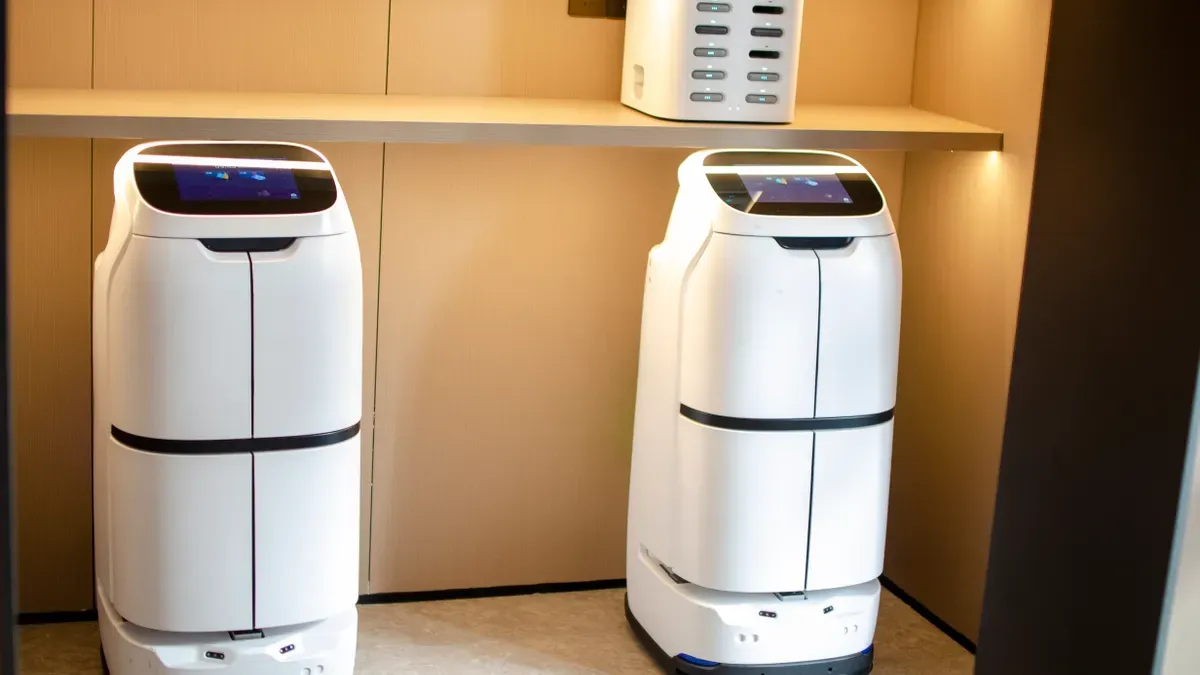
You face a dynamic landscape where regulatory considerations shape the adoption of autonomous retail in airport environments. Regulatory flexibility gives airport operators the power to set rules, often relaxing requirements for testing new technologies. This approach encourages early innovation in transportation hubs and supports rapid growth. The market for autonomous retail in airports continues to expand, as shown below:
Year | |
|---|---|
2025 | 43.7 |
2026 | 49.29 |
2034 | 129.2 |
Regulatory considerations influence safety, business models, and passenger experience. With no federal statutes guiding airports, you must rely on tailored regulatory frameworks to address unique challenges for passengers and airport operations. Regulatory changes affect management, operations, and revenue streams in transportation settings, requiring careful planning and adaptation.
Key Takeaways
Regulatory flexibility allows airports to innovate faster. Operators can set rules that support testing new technologies.
Safety and compliance are crucial. Follow strict standards to protect passengers and ensure smooth operations.
Build strong partnerships with airport authorities and tech providers. Collaboration helps navigate regulatory challenges effectively.
Stay updated on regulatory changes. Proactive engagement with authorities can prevent delays and ensure compliance.
Focus on inclusivity in autonomous retail. Design solutions that meet diverse passenger needs to enhance their experience.
Autonomous Retail Overview

Types of Autonomous Solutions
You encounter a range of autonomous solutions when you visit airports and transportation hubs. Contactless shopping stands out as a popular option. This technology lets you buy items without interacting with cashiers. Safety and hygiene improve because you avoid direct contact. Autonomous checkouts and self-checkouts also play a major role. These systems use barcode scanners and artificial intelligence to process transactions. You complete your purchase with minimal effort. Autonomous checkouts require almost no involvement from you, while self-checkouts give you more control. These autonomous solutions help airport operators streamline retail operations and enhance passenger convenience.
Deployment in Airports & Hubs
Deployment of autonomous retail technologies continues to grow in airports and transportation hubs. You see more airports adopting artificial intelligence to improve efficiency. By 2025, 65% of airports are projected to use AI. This widespread deployment leads to a 20% reduction in waiting times for passengers. Airport operators benefit from lower operational costs, which can drop by up to 30%. Retailers in airports and transportation hubs report increased sales, with over 20% experiencing gains from AI-powered personalization. You notice that autonomous deployment creates a smoother shopping experience and supports airport business goals.
Tip: When you travel through airports, look for autonomous kiosks and contactless stores. These innovations make your journey faster and safer.
Autonomous Solution | Key Feature | Benefit for Airports |
|---|---|---|
Contactless Shopping | No cashier interaction | Improved hygiene and safety |
Autonomous Checkout | Minimal customer effort | Faster transactions |
Self-Checkout | Customer control | Streamlined operations |
Autonomous deployment in airports and transportation hubs continues to transform retail. You experience greater convenience, and airport operators gain new opportunities to optimize their operations.
Current Regulatory Landscape
Understanding the current regulatory landscape helps you navigate the challenges of deploying autonomous retail in airports and transportation hubs. Regulatory bodies play a central role in shaping how you test and operate autonomous vehicles and retail solutions. Many airports offer relaxed regulations for testing new technologies, which allows you to innovate faster. However, the absence of federal statutes for autonomous vehicles means you must rely on a patchwork of state laws and airport-specific frameworks. This situation creates both opportunities and challenges for airport operations and retail business models.
Safety and Security Standards
You must prioritize safety and security when you introduce autonomous vehicles and retail systems into airport operations. Aviation remains one of the most regulated industries, especially regarding operational technology and IoT assets. Regulatory frameworks require you to follow strict cybersecurity and safety protocols. The table below highlights key standards you need to consider:
Standard | Description |
|---|---|
EASA Part-IS | Protects safety-critical systems from cyber threats through asset inventory, risk management, and monitoring. |
TSA Security Directives | Requires IT/OT segmentation, secure baggage systems, and a cybersecurity plan with timely incident reporting. |
You need to adopt a holistic risk management approach to address emerging cyber risks. Regulatory frameworks demand continuous monitoring and incident reporting to maintain the integrity of airport operations. These requirements ensure that autonomous vehicles and retail systems do not compromise passenger safety or disrupt airport operations.
Note: Regulatory frameworks for safety and security evolve quickly. You should stay updated on new standards to keep your airport operations compliant and secure.
Liability and Compliance
Liability and compliance form the backbone of any regulatory framework for autonomous vehicles in airport environments. You must answer key questions about licensing, permits, and insurance before deploying autonomous vehicles in airport operations. The table below outlines the main aspects you need to address:
Aspect | Key Questions |
|---|---|
Licensing, permits, registration | How will authorities identify and track vehicles? What permits are needed for testing and deployment? |
Liability and insurance | Who is liable in case of incidents? How should insurance policies be structured for autonomous vehicles? |
You must ensure that every autonomous vehicle in your airport operations has proper permits and registration. Regulatory frameworks often require special licenses for companies operating fleets of autonomous vehicles. You also need to consider how insurance premiums will be calculated and who will be responsible in the event of an incident. These frameworks help you manage risk and protect both your business and your passengers.
Tip: Work closely with airport authorities and legal experts to develop a robust compliance strategy for your autonomous vehicle operations.
Procurement and Contractual Obligations
When you procure autonomous retail solutions for airport operations, you must navigate a complex regulatory framework. Airports often set their own procurement rules, which can differ from one location to another. You need to ensure that contracts with technology providers address all regulatory requirements, including safety, data privacy, and operational standards. The absence of federal statutes for autonomous vehicles means you must pay close attention to local and state frameworks.
You should include clear terms in your contracts that define roles, responsibilities, and liability for all parties. Regulatory frameworks may require you to demonstrate compliance with safety and cybersecurity standards before you can deploy autonomous vehicles in airport operations. You also need to consider how your procurement process aligns with the airport’s broader regulatory framework.
Callout: Always review your procurement contracts with regulatory compliance in mind. This step helps you avoid costly delays and ensures smooth airport operations.
You face a rapidly changing regulatory landscape. By understanding the frameworks that govern safety, liability, and procurement, you can position your airport operations for long-term success.
Operational Regulatory Considerations
Infrastructure Integration
You face unique challenges when you bring autonomous functionality into airport operations. Each airport sets its own regulatory standards, which helps you adopt new technology quickly. You must ensure that infrastructure supports both autonomous vehicles and retail technology. When you deploy autonomous functionality, you need to address several integration issues:
Integration of new technology with existing airport systems
High-speed, low-latency network connections for real-time autonomous functionality
Infrastructure that supports common use environments for ground transportation and airport access
Sufficient charging stations for autonomous vehicles and technology
You must plan for these needs to maintain smooth airport operations. Regulatory frameworks often require you to show that your infrastructure can support autonomous functionality before you gain approval.
Data Privacy & Cybersecurity
You must protect customer data and critical systems when you use autonomous technology in airports and transportation hubs. Regulatory requirements guide how you collect, use, and share information. You also need to follow best practices for cybersecurity to keep airport operations safe. The table below shows key regulatory areas:
Area of Regulation | Description |
|---|---|
Data Privacy | Advising on the collection, use, and disclosure of customer data, including Personally Identifiable Information and Customer Proprietary Network Information, and its use in marketing and outreach activities. |
Cybersecurity | Compliance with regulatory requirements and industry best practices for protecting critical systems, including vehicle control systems, and developing cybersecurity practices in emerging areas. |
You must stay alert to new regulatory changes as technology evolves. This helps you keep airport access and ground transportation secure.
Coordination with Authorities
You work closely with airport authorities to set rules for autonomous functionality. Each airport can create tailored regulatory frameworks based on its size and needs. Smaller airports may need different technology and infrastructure than large international hubs. You must coordinate with local, state, and federal agencies to ensure compliance. This approach helps you manage airport access, ground transportation, and vehicle operations effectively.
Tip: Build strong relationships with airport authorities and regulatory bodies. This makes it easier to adapt your technology and operations as new rules emerge.
You play a key role in shaping the future of autonomous functionality in airports and transportation hubs. By focusing on infrastructure, data privacy, and coordination, you help create a safe and efficient environment for airport access and ground transportation.
Business Models & Revenue
New Partnerships
You see new partnerships forming as airport operators, technology providers, and retailers work together to deliver autonomous services. These partnerships help you deploy scalable and interoperable solutions. You benefit from alliances that drive product innovation and expand your market reach. For example, the Collinson Airport Alliance brings together Collinson and Servy to improve airport experiences through strategic partnerships with technology platforms. Grab and Priority Pass integrate their platforms, giving you access to insights from over 20 million users. Grab and Connecta collaborate to offer mobile ordering, which improves passenger experience and increases revenue for airport services.
Partnership | Description |
|---|---|
Collinson & Servy | Enhance airport experiences through strategic partnerships with technology. |
Grab & Priority Pass | Integrate Grab into Priority Pass app for user insights and better services. |
Grab & Connecta | Offer mobile ordering, boosting passenger experience and airport revenue. |
Retailers also partner with payment companies and IoT vendors. These collaborations help you deploy autonomous vehicles and services that meet regulatory requirements and support airport operations.
Financial Risks & Opportunities
You face both risks and opportunities as you adopt autonomous retail in airport environments. Parking remains a major source of non-aeronautical revenue, but autonomous vehicles threaten this income. Rental car services also face moderate risk as autonomous vehicles become more common. Taxi fees continue to decline, while rideshare services show variable risk based on autonomous vehicle adoption. However, new revenue streams from autonomous vehicle operators offer high growth potential. Peer-to-peer car-sharing services present low risk but limited revenue.
Revenue Source | Description | Risk Profile |
|---|---|---|
Parking | High risk | |
Rental Car | Second-largest revenue source | Moderate risk |
TNC Fees | Fees from rideshare services | Variable risk |
Taxi Fees | Declining revenue source | High risk |
Private Vehicle Drop-off | Free now, possible future revenue loss | Low risk |
AV Operators | New revenue from autonomous vehicle services | High opportunity |
P2P Car-sharing | Outside traditional rental structure | Low risk |
You can offset losses in parking revenue by reducing labor costs as airport operations become more automated. Airlines may also generate new revenue from autonomous vehicles, earning up to $0.02 per mile. For example, Seattle-Tacoma International Airport could match current parking revenue with a fleet of 13,000 autonomous vehicles, each generating $6,500 annually.
Licensing & Permitting
You must navigate complex regulatory requirements for licensing and permitting when you deploy autonomous vehicles and services in airport settings. Each airport sets its own rules, so you need to ensure compliance with local, state, and federal regulations. You must secure permits for autonomous vehicles, register each vehicle, and meet all regulatory standards for safety and operations. Regulatory frameworks often require you to demonstrate that your autonomous services meet strict operational and cybersecurity standards before you can launch them. You should work closely with airport authorities to streamline the licensing process and ensure your services align with airport business goals.
Tip: Stay proactive with regulatory updates. Early engagement with airport authorities helps you avoid delays and ensures your autonomous vehicles and services remain compliant.
Passenger Experience & Accessibility
Inclusivity Requirements
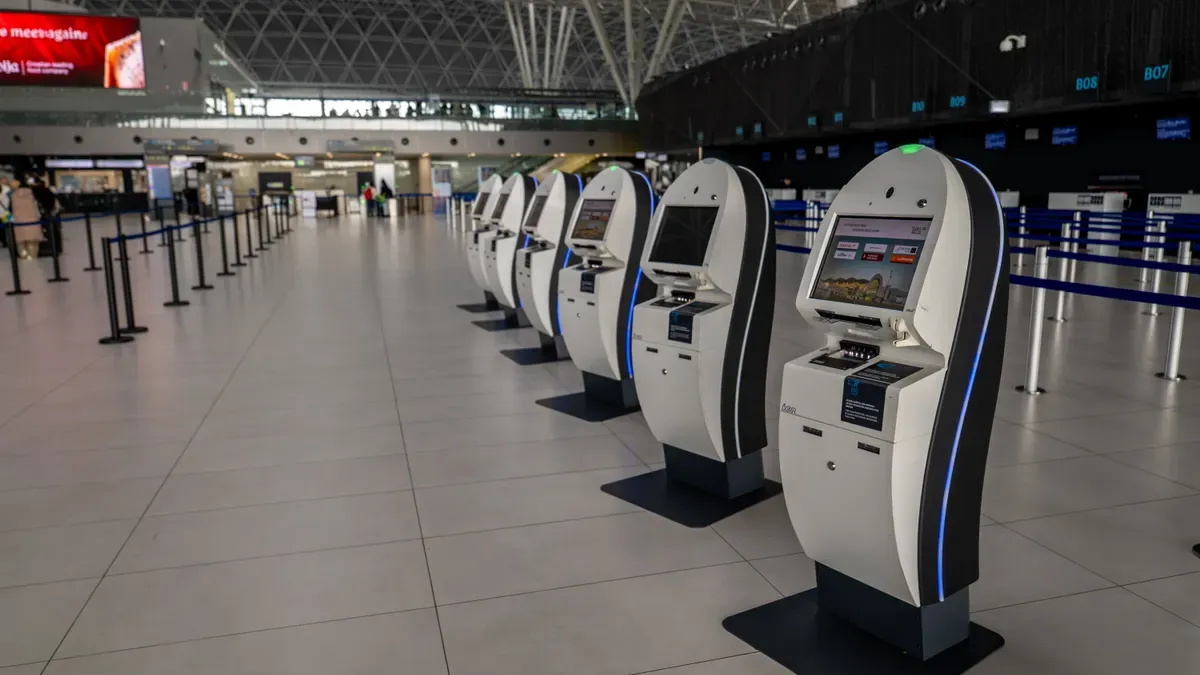
You see airports focusing on inclusivity as a core requirement for autonomous retail. The demand for assistance continues to rise. At Birmingham Airport, assisted travel customers represent more than 2.5% of total passengers, which equals about 400,000 people each year. Milan Malpensa Airport supports around 200,000 assisted travelers annually. Passengers with disabilities create a potential $10 billion in missed revenue opportunities for U.S. airports. You must design autonomous retail solutions that anticipate individual needs and empower staff with technology for proactive assistance. Personalized experiences and accessibility features are essential requirements. You should use advanced technologies to enhance every stage of the passenger journey. Robust health, safety, and accessibility requirements help foster trust and inclusivity. Real-time information through digital signage and mobile devices reduces uncertainty and stress for travelers.
Digital wayfinding technology for blind and low-vision passengers allows independent navigation through terminals.
Milan Malpensa Airport offers dedicated quiet spaces for passengers with hidden disabilities, helping with sensory regulation and stress reduction.
"If you get assisted travel wrong, the impact on the customer is huge, but the reputational impact on the airport is even harder to recover from."
— Al Titterington, Terminal Ops Director for Birmingham Airport
Service Quality Standards
You must meet strict requirements for service quality when deploying autonomous retail in airport environments. These standards ensure that passengers receive safe, efficient, and supportive services. The table below outlines the main requirements for service quality:
Service Quality Standard | Description |
|---|---|
Safety | Ensuring safe operation of autonomous robots in passenger areas |
Efficiency | Streamlining workflows to enhance passenger movement and delivery |
Support for Staff | Providing training and ongoing technical support for staff |
You need to provide ongoing training and technical support for airport staff. Meeting these requirements helps you deliver a positive passenger experience and maintain high standards in transportation hubs. You build trust with passengers by ensuring that autonomous retail solutions operate safely and efficiently.
Future Regulatory Trends
Anticipated Changes
You will see many changes in the regulatory environment for autonomous retail in the airport sector. Airport operators expect new rules as technology advances. Regulatory bodies will likely introduce clearer standards for safety and data protection. You may need to update your systems often to meet these new requirements. Airport authorities will focus on how autonomous retail impacts passenger safety and airport operations. You should watch for new guidelines about cybersecurity and data sharing. These rules will help you protect both airport infrastructure and customer information.
You will also notice that regulatory frameworks will become more flexible. This flexibility will help you test and deploy new technology faster. Airport operators will work with regulatory agencies to create rules that fit the unique needs of each airport. You should prepare for more pilot programs and sandbox environments. These programs let you test autonomous retail solutions in real airport settings. You can use these opportunities to learn and improve your technology before full deployment.
Stakeholder Recommendations
You play a key role in shaping the future of regulatory standards in airport environments. You should build strong partnerships with airport authorities, technology providers, and regulatory agencies. These relationships help you stay informed about new rules and best practices. You need to join industry groups and attend airport conferences. These events give you access to the latest regulatory updates and trends.
Tip: Share your feedback with airport regulators. Your input helps create fair and effective regulatory frameworks.
You should also invest in staff training. Well-trained staff can help you meet regulatory requirements and improve airport operations. You need to review your compliance plans often. Regular reviews help you spot gaps and fix them quickly. By staying proactive, you can adapt to new regulatory trends and keep your airport retail operations safe and efficient.
You face complex regulatory challenges when deploying autonomous retail in airport environments. The table below shows key regulatory requirements you must meet:
Regulation | Requirements |
|---|---|
EASA Part-IS | Protect safety-critical systems, asset inventory, risk management, continuous monitoring, incident reporting |
TSA Security Directives | IT/OT segmentation, securing baggage systems, cybersecurity implementation plan, timely incident reporting |
You must also manage limited space in airports and rising rental rates. To stay ahead, you should:
Use regulatory sandboxes and policy labs to test new ideas.
Focus on outcome-based regulation for flexibility.
Work closely with airport authorities, technology providers, and regulators.
TractEasy’s success at Istanbul Airport shows that collaboration helps you meet regulatory standards and improve safety for passengers. As airport technology evolves, you can drive innovation by adapting to new regulatory frameworks and building strong partnerships.
FAQ
What makes airport regulations for autonomous retail unique?
You see airport regulations differ from other sectors. Each airport sets its own rules. This flexibility lets you test autonomous retail solutions quickly. You can adapt your technology to fit airport needs and improve passenger transportation services.
How do you ensure safety with autonomous retail in an airport?
You must follow strict safety standards. Each airport requires you to monitor autonomous systems closely. You need to train staff and use advanced technology. This approach keeps airport operations safe for everyone, including passengers and workers.
Who is responsible if an autonomous system fails in an airport?
You must check your contracts and insurance policies. Each airport has its own rules for liability. You need to work with airport authorities and technology providers. This helps you manage risks and protect your business in case of system failure.
How do you handle data privacy in airport autonomous retail?
You must protect customer data at every airport. You need to follow privacy laws and airport guidelines. You should use secure systems and update them often. This keeps passenger information safe and builds trust in airport retail technology.
Can autonomous retail improve passenger transportation in airports?
You can use autonomous retail to make passenger transportation smoother. Each airport can offer faster checkouts and better services. This technology reduces wait times and helps you move through the airport quickly.
See Also
Upcoming Changes to Walmart Self-Checkout in 2025
The Future of Retail: Embracing AI-Driven Stores
Understanding the Growth of AI-Enhanced Corner Stores
