How Unmanned Convenience Stores Make Office Buildings More Convenient for Busy Workdays

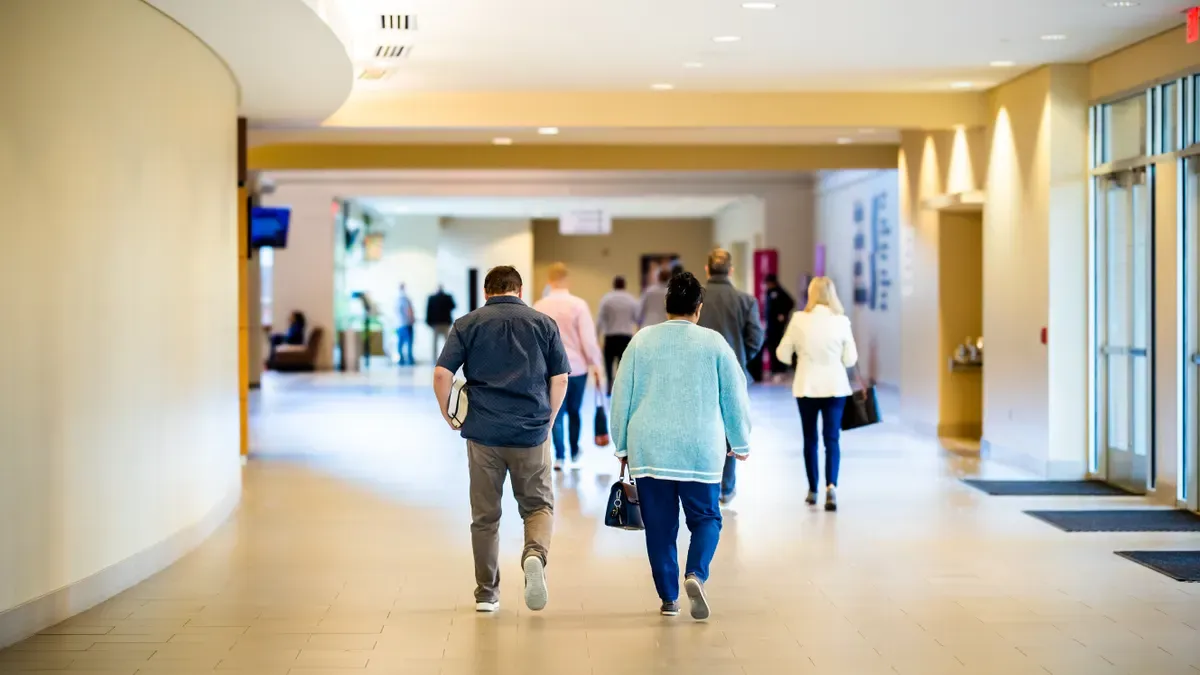
A smooth workday often comes down to small things. You want a cold drink within reach. You want a snack nearby. You want a spot inside the building to buy both.
An on-site unmanned convenience store puts those small things just steps from your desk and the meeting room. You skip the elevator ride, the parking lot, and the long line. That saves you real time on a packed day.
Picture a store you can walk into, grab what you need, and leave. You will see one in action here, plus practical planning points for building operators and businesses.
Key Takeaways
Unmanned stores let you grab snacks and drinks without waiting in line.
AI and cameras track your items and charge you automatically as you leave.
Make the store entrance easy to find and the entry process fast.
Stock products that match what people in your building need daily.
Plan restocking and support to keep the store running smoothly without staff.
Inside a Store Tour
Shelves, Snacks, and Drinks
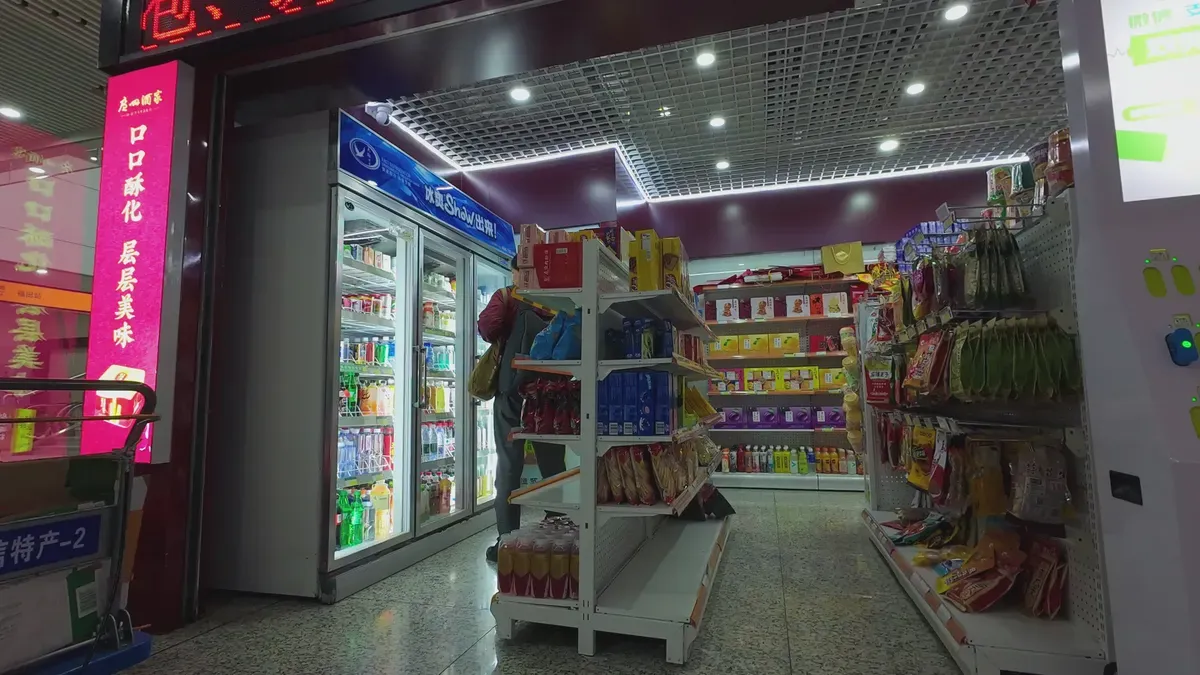
Step into a wepick store and the first thing you notice is how open it feels. Low shelves line the walls. Packaged snacks sit at eye level, easy to scan in a glance. A refrigerated case hums along the back wall, stocked with bottled water, canned drinks, juice, soda, and coffee beverages. You browse like you would in any small shop. Nothing sits locked behind glass, and nothing needs a key.
This particular store sits inside a new energy vehicle delivery center on the outskirts of a major city. Commercial amenities around the site are limited. Staff and visitors once had to drive somewhere for a drink or a snack. Now the store covers that need inside the building, a short walk from the service bays and the waiting area. The store fits the site's rhythm. Drivers wait for their vehicles, technicians take breaks, and visitors need a quick refreshment. One unmanned convenience store serves all three groups without extra staffing.
The assortment stays compact but useful. You will find chips, candy, cookies, crackers, and protein bars on the open shelves. The cooler holds chilled sandwiches, salads, dairy products, and packaged meals. Energy drinks, functional beverages, and better-for-you snacks round out the range. Daily essentials sit near the front, so a quick stop covers more than hunger. A small footprint still offers plenty of choice when the range matches the people who walk through the door.
Layout does quiet work here. The entrance is easy to spot from the main corridor. Shelves guide you toward the cooler without blocking the path. Product visibility stays high, and the refrigerated display sits where your eye lands first. You spot the water bottle before you reach the spot where a checkout counter would normally stand.
Paying with AI in Seconds
The payment experience is where this format really differs. You enter through facial recognition. No card, no phone tap, no queue. You pick up a water bottle and a bag of nuts, then simply walk out.
Cameras and sensors track what happens on the shelves. Computer vision identifies products and follows your movements. Smart shelves and RFID tags send real-time inventory data to the central system. The AI system processes all of this and generates your bill within seconds. A payment record appears on your phone, paired with the water bottle you just took.
Put an item back, and the system updates the bill. The cameras detect the removal or replacement, and stock levels adjust in real time. That accuracy matters in a store with no staff on site.
That flow removes the usual checkout steps. No scanning, no cashier, no waiting. The store is fully unmanned and AI-powered, with AI vision identifying items and automatic payment handling the rest. You get your snack and get back to your day.
Why an Unmanned Convenience Store Works for Operators
How an Unmanned Convenience Store Fits Daily Routines
Think about how people really move through your building. Mornings bring a rush of arrivals. Workers want something quick on the way to their desk. They do not want a big breakfast or a long line. They just want to grab food and keep going.
An on-site unmanned convenience store fits that time well. It works like a self-service breakfast cabinet. Employees pick, pay, and get back to work with no staff involved. No cooking equipment sits on site. No daily management is needed. The store runs on its own.
Routine Aspect | How the On-Site Store Fits In |
|---|---|
Morning rush timing | Quick grab-and-go access suits the commute-to-desk window |
Employee behavior | Fast access to food without queuing |
Self-service workflow | Select, pay, and return to work with no staff |
Operational fit | No extra personnel, cooking equipment, or daily management |
Physical placement | Fits into lobbies, corridors, or break areas |
Schedule alignment | Available early morning, simple choices, reliable demand |
Role in ecosystem | Supplements cafeterias and cafés, filling gaps in early mornings and short breaks |
The store adds to your cafeteria or café. It does not replace them. It fills the gaps during early mornings, short breaks, and in buildings that have no food services at all.
A Starting Point for Amenity Planning
On-site retail gives you a good starting point for planning amenities. You can match each amenity to real daily routines. Study spaces and reliable Wi-Fi support school routines. Security and lighting support late returns. Furnished units make moving in easier.
Focus on features that serve real needs, not flashy extras that rarely get used. Rank each proposed spend with a simple test. Does it solve a common occupant need? Does it answer a tour question? Does it protect service quality? If not, treat it as a secondary upgrade. Make sure core operations stay reliable before you add premium features.
Buildings rarely act according to averages. Short meetings spike washroom demand. Common areas fill up within minutes. Waste generation changes across the day. Use timely occupancy data so you fix issues before they disrupt occupants. Respond to live use rather than fixed schedules. That way, your amenity plan matches how people really move through the building during a workday.
Planning for Daily Needs
Entrance Visibility and Layout
Your entrance does more work than any other part of the store. Shoppers see it first, and that first impression shapes their mood. In unmanned, self-service smart retail, the entrance counts as a key situational factor. It directly influences whether people decide to buy.
Make the entrance easy to find from the main corridor. A shopper should spot it without asking anyone. Then make the entry itself fast. In many unmanned stores, shoppers register and enter by scanning a QR code with a phone before shopping starts. The time to pass the gate reflects how easily people access the service. Keep these points in mind:
Make the entry process simple to cut down waiting time.
Let first-time users sign up with fewer manual clicks.
Make the QR code work with common mobile apps.
Improve how quickly automatic doors respond.
Skip these steps, and the result is easy to guess. Complicated, slow procedures test patience. Customers may give up and walk away. A friendly, easy-to-understand entrance keeps them inside and shopping.
Layout shapes usage too. Place shelves so they lead people toward the cooler without blocking the path. Keep products easy to see. Put the refrigerated display where the eye lands first. A shopper should see the water bottle before reaching the spot where a checkout counter would normally stand.
Assortment, Replenishment, and Support
Your product range should reflect what people want during the day. A small store can still offer enough choice when you plan the mix around your audience. The Bodega unmanned convenience concept shows how this works. It tailors assortment to the specific setting, whether that is an office, a dorm, or a gym. Instead of a fixed, one-size-fits-all mix, the range is matched to the people in that location. Machine learning then reviews the most-needed items on a regular basis. Each unit's selection differs and stays in line with local demand.
You can follow the same logic in three steps. First, figure out who uses your building. Second, stock the top-needed items for those people. Third, keep updating the mix based on usage data. An office tower with early risers needs coffee and breakfast bars. A site with shift workers needs energy drinks and packaged meals.
Operations deserve equal attention. Replenishment and customer support must fit the site's operating arrangements. Plan restocking around quiet hours so shelves stay full without disrupting traffic. Set up a support channel that works for a staff-free format, such as remote help or a clear contact point. These details keep the unmanned convenience store reliable day after day.
Who Benefits Most

Property-Service Businesses
Property-service businesses like CBRE, JLL, and Cushman & Wakefield can use an unmanned convenience store to start a talk about building amenities and occupant experience. You already talk with tenants about lease terms and space planning. Now you can add a new topic: how a small retail spot makes daily life inside the building better. That talk helps you stand out when tenants compare options.
This format fits best when your priority is occupant experience and you want an amenity that is easy to see and easy to use. You can point to the store during tours. You can show how it fills a gap without adding staff to your payroll. The store becomes part of your building's story, and that story helps you win and keep tenants.
Facilities and Food-Service Operators
Facilities and food-service operators like ISS A/S and Sodexo can review this retail format alongside existing services. You already run cafeterias, vending, and break-room programs. An unmanned store adds another option to your service mix. It works well in spots where a full café does not make sense, such as a lobby corner or a small satellite building.
This format fits best when you want to extend coverage without growing your on-site team. The store handles the quick grab-and-go moments. Your staffed services keep the meals, catering, and higher-touch experiences. Each option plays to its strength, and together they cover more of the day.
Cloudpick's Approach
Planning Location, Assortment, and Journey
Cloudpick begins with the people who use your building. Location, assortment, and the shopping journey are planned together, not one at a time. Each choice supports the other two.
Planning Dimension | How Cloudpick Addresses It |
|---|---|
Location | Focuses on busy places with a captive audience, like office buildings and school cafeterias. Stores go where people need quick access to snacks and drinks. Cloudpick also offers satellite-store support, including location opportunities and franchising policies for new operators. |
Assortment | Uses digitized store tools for in-time assortment optimization, personalized promotions, digital membership, and real-time shelf-availability alerts. Goods stay useful to nearby users, and spontaneous purchases get captured. |
Shopping Journey | Gives you a checkout-free experience. Computer vision, machine learning, and sensor fusion detect customer-product interactions, then bill the shopper automatically upon exit. |
The journey itself stays short. You enter with facial recognition and skip any manual sign-in. You move through the store and pick items without stopping at a traditional checkout. The system tracks your product interactions, and billing stays tied to the shopping experience. Charges apply on their own. After you leave, you get a purchase record to review. That closes a simpler, more convenient loop.
Focus on Everyday Needs
Cloudpick keeps its eye on everyday needs. A store in a home hardware chain, powered by Cloudpick, stocks over 1,200 essential items. That range gives customers an "everything-you-need-now" experience. You can restock daily necessities on the spot instead of making another stop.
The mix covers practical categories:
Light bulbs
Glue
Tools
Small home appliances
Household cleaning supplies
You can apply the same thinking to an office building. Ask what your occupants reach for during a workday. Then build the range around those answers. A store planned this way earns its place in the building.
A drink within reach and a snack nearby can change the shape of a busy day. An unmanned convenience store turns those small needs into a seamless part of the workday in office buildings and business parks. You skip the trip outside and get back to what matters.
Keep three planning essentials in view. Make the entrance easy to find. Build an assortment that fits your audience. Match replenishment and support to how your site runs.
Ready to explore a retail amenity for your building? Visit Cloudpick's website, email the team, or book a time on the calendar link. Let's talk about your space.
FAQ
How does an unmanned store handle mistakes or disputes?
The system tracks every product interaction on the shelves. If you put an item back, the bill updates. If a charge looks wrong, you reach out through the store's support channel. Remote help resolves most issues without anyone on site.
Does the store need staff on site every day?
No. The store runs without on-site staff. Your team plans restocking around quiet hours and keeps shelves full. A remote support channel covers customer questions. That setup keeps the format reliable while your staffed services focus on meals and higher-touch experiences.
What happens if a shopper's payment fails?
The system generates the bill automatically after you exit. A purchase record appears on your phone. If a payment does not go through, the support channel picks it up. Shoppers get a clear path to resolve the charge without holding up the next person.
Can the store fit a small lobby or break area?
Yes. The format works in compact footprints. A lobby corner or a small satellite building can host one. The key is a visible entrance and a shelf layout that guides people toward the cooler. Plan the assortment around your audience, and a small store still offers plenty of choice.
How do you keep the product mix relevant over time?
Start with who uses your building. Stock the top-needed items for those people. Then review usage data and adjust the mix. An office tower with early risers needs coffee and breakfast bars. A shift-work site needs energy drinks and packaged meals. Let demand guide the range.
See Also
Boost Staff Efficiency Using Intelligent Vending Machines In Small Offices
Comparing Micromarkets And Smart Stores: Global Automated Convenience Retail Explained
Discovering The Growth Of Round-The-Clock Vending Cafes: Convenience And Innovation
How Time Out Corner Shops Are Transforming Neighborhood Convenience In Cities
How Cloudpick Delivers Checkout-Free Shopping Convenience To Your Retail Store
