How AI-driven loss prevention works in Airports & transportation hubs.

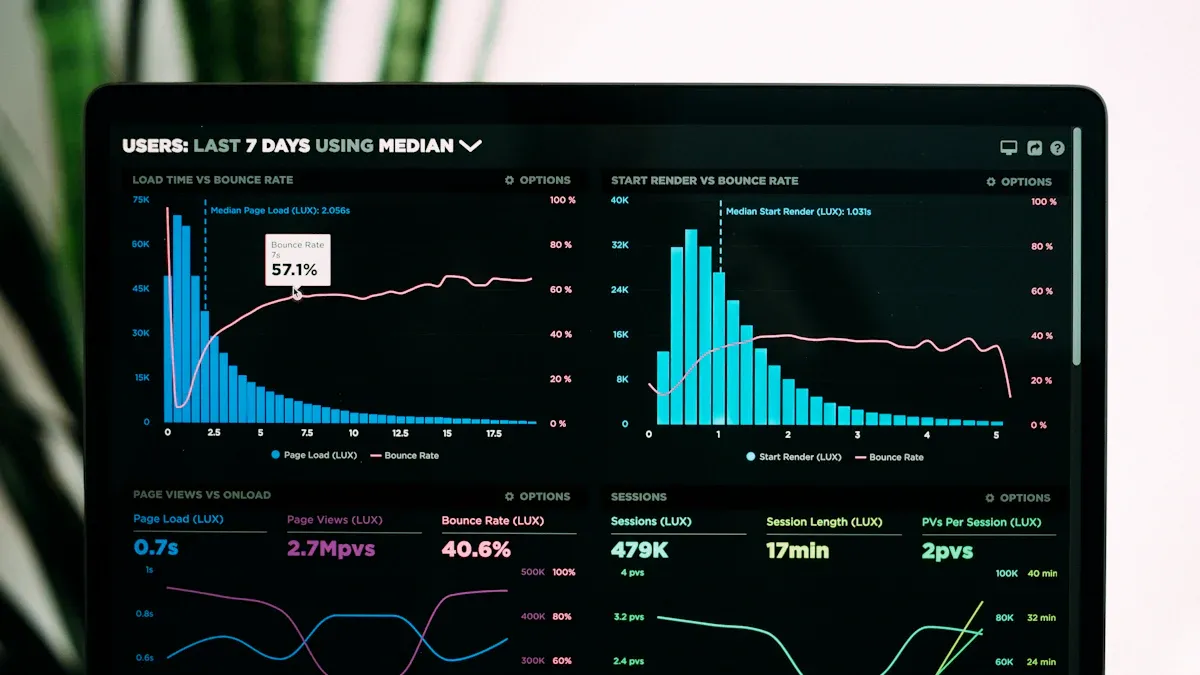
You see ai-driven loss prevention changing how airports protect assets and people. With ai, you can predict, detect, and stop theft, fraud, and accidents. Airports use high-quality data from airlines, equipment, and operations to boost efficiency. Ai-powered solutions process analytics to improve airline safety and minimize losses. Smart airport analytics helps you monitor equipment, manage data, and support data-driven decision-making. High-quality data guides your teams to respond fast and keep airport operations safe. Airlines trust ai-driven loss prevention to protect equipment, increase efficiency, and use analytics for better results. High-quality data supports every step.
Key Takeaways
AI enhances airport security by using real-time video monitoring to detect unusual behavior and threats, allowing for faster response times.
Crowd pattern analysis helps manage passenger flow and prevent congestion, improving overall airport efficiency and safety.
Predictive analytics powered by AI can forecast equipment failures and optimize resource allocation, reducing downtime and operational costs.
AI-driven systems improve baggage tracking and monitoring, leading to a significant reduction in lost baggage incidents and enhanced passenger satisfaction.
Automated health checks and compliance monitoring ensure passenger safety and adherence to health regulations, streamlining airport operations.
AI-driven loss prevention for Situational Awareness
Real-time Video Monitoring
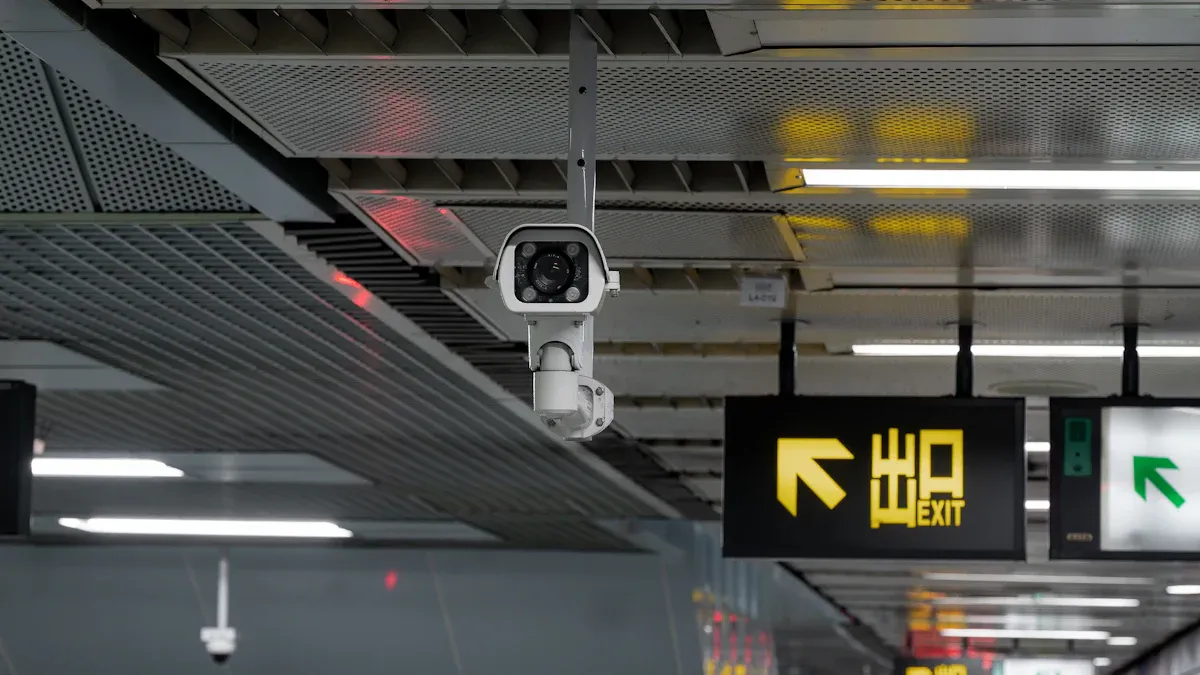
You see ai changing how airports protect people and assets. Ai-powered video monitoring uses sensors and iot devices to watch every corner of the airport. These systems collect real-time data from cameras and sensors. Ai analyzes this data to spot unusual behavior and detect threats. You can trust ai to flag suspicious movements, loitering, or nervous actions. Ai learns over time, so it becomes better at telling the difference between normal and risky behavior. Airlines rely on ai to verify passenger identities and prevent fraud. Ai-powered analytics scan baggage for prohibited items, such as weapons or explosives, with greater accuracy than human screeners.
Ai-driven surveillance gives you real-time insights. Security teams respond faster because ai alerts them when it detects a problem. Ai integrates with existing airport security systems, including video management and access control platforms. This integration improves efficiency and reduces response times by up to 50%. You benefit from a unified security approach that combines cctv, sensors, iot, and analytics.
You must also consider privacy concerns. Continuous monitoring can feel invasive. Airports follow data protection laws and respect Fourth Amendment rights. Legal challenges shape how airports use surveillance data. You see airports balancing safety and privacy by following strict regulations.
Ai-powered video analytics:
Analyze crowd behavior and individual actions.
Learn and improve detection rates over time.
Monitor passenger behavior in real-time.
Verify identities against watchlists.
Detect prohibited items in baggage scans.
Crowd Pattern Analysis
Crowd pattern analysis uses ai, sensors, and iot to track how people move through airports. Ai-enabled analytics detect changes in crowd density and queue formation. You see ai alert staff when crowds grow, so they can redeploy resources and prevent congestion. Ai gives you real-time insights into crowd behavior, helping you manage operations and improve efficiency.
Ai systems help airports predict disruptions and minimize safety risks. You see fewer accidents because ai analyzes live feeds and foresees potential problems. Ai improves queue management by adjusting staffing based on service times and crowd size. Airlines use ai to allocate equipment and staff more effectively, reducing both overstaffing and service shortfalls.
Aspect | Description |
|---|---|
Real-time insights | Ai provides immediate data on crowd behavior, density, and movement, enabling proactive management. |
Congestion alerts | Alerts are triggered when crowd density increases, allowing for timely staff redeployment. |
Queue management | Ai systems dynamically adjust staffing based on queue length and service times to reduce wait times. |
Predictive safety | Ai analyzes live feeds to foresee potential disruptions, minimizing safety risks and delays. |
You see ai-driven analytics improving airport operations by streamlining baggage handling and coordinating equipment in real-time. Ai integrates data from multiple sources to optimize resource allocation. Airlines use ai to respond to emergencies and unexpected changes in passenger flow. Ai models, such as EDDY, predict flight diversions due to weather, helping airlines take proactive measures and reduce operational costs.
Ai-based crowd pattern analysis leads to predictive maintenance. You see agencies identify equipment failures before they happen, reducing service disruptions and improving efficiency. Smart camera systems improve crowd flow and reduce incident rates. Ai enhances resource allocation by improving demand forecasting, so airports can allocate staff and equipment more effectively.
Note: Ai-driven loss prevention faces challenges. Airports must address data privacy, integration complexities, talent shortages, algorithmic bias, and evolving regulations.
Challenge | Description |
|---|---|
Data Privacy and Sovereignty | Concerns regarding the collection and analysis of sensitive personnel data. |
Integration Complexities | The complexity and cost of integrating ai systems with existing legacy airport infrastructure. |
Talent Shortages in AI Security Expertise | A lack of skilled professionals in ai security to implement and manage these systems. |
Algorithmic Bias in Behavioral Analytics | Risks of false positives or discrimination due to biased algorithms. |
Evolving Regulatory Landscapes | Ongoing compliance requirements across different jurisdictions necessitating continuous investment. |
You see ai, sensors, iot, and analytics working together to transform airport operations. Ai-driven situational awareness improves efficiency, safety, and resource allocation. Airlines and airports benefit from smarter equipment management and better data-driven decisions.
AI-powered Predictive Analytics in Airports
Passenger Flow Prediction
You see ai-powered predictive analytics changing how airports manage passenger flow. Ai analyzes airline schedules, booking trends, and foot traffic data. You get real-time insights into how travelers move through terminals. Ai tracks passenger movement, measures waiting times, and monitors crowd density. You can use heat map analysis to spot busy zones and plan terminal layouts. Ai forecasts passenger demand, helping you schedule staff and allocate resources efficiently. Airlines rely on ai to adjust ticket pricing based on demand predictions for specific flights. Ai also helps optimize crew scheduling and gate assignments.
Feature | Purpose | Operational Benefit |
|---|---|---|
Monitor traveler movement | Better traffic management | |
Queue Analysis | Measure waiting times | Reduced delays |
Occupancy Monitoring | Track crowd density | Enhanced passenger safety |
Heat Map Analysis | Identify busy zones | Improved terminal planning |
Predictive Analytics | Forecast passenger demand | Efficient staff scheduling |
Capacity Analysis | Evaluate terminal utilization | Better infrastructure planning |
Ai uses advanced algorithms to process large datasets, including historical booking data and market trends.
Ai analyzes real-time air traffic data and weather patterns to predict potential conflicts.
Ai enhances safety and efficiency in air traffic management.
Ai helps forecast demand and manage capacity effectively.
Airport Downtime Prevention
You see airport downtime prevention as a major benefit of ai-powered predictive analytics. Ai predicts equipment failures and unplanned downtime by analyzing sensor data from airport equipment. Airlines use machine learning failure prediction to spot maintenance issues before they cause disruptions. Ai-driven signals help you schedule preventive checks during planned downtime, avoiding unscheduled work. Ai suggests optimal gates and taxi paths, reducing congestion and controller workload.
Airport | Measurable Results | |
|---|---|---|
Changi Airport | Predictive passenger flow management, optimized resource allocation, ai-enhanced security screening, digital twin technology for operational simulations. | Improved on-time performance, reduced passenger wait times, enhanced operational efficiency. |
Heathrow | Ai for demand forecasting and capacity optimization, predicting passenger volumes accurately, digital twin for testing operational changes. | Dynamic resource allocation across terminals. |
Delta Airlines | Ai-powered predictive maintenance using machine learning models analyzing real-time data from aircraft sensors to prevent maintenance issues. | Reduction in unplanned maintenance events, fewer delays, improved reliability and customer satisfaction. |
Evidence Type | Value |
|---|---|
55% | |
Average Annual Savings per Hub Airport | $2.4M |
Reduction in Emergency Parts Procurement | 70% |
Cost of Unplanned Baggage System Outage | $120,000–$280,000 per event |
Cost of Runway Lighting Failure | $18,000 per incident |
Preventable Losses at Mid-Size Hub | $1.5M+ annually |
AI Application | Description |
|---|---|
Predictive Maintenance | Ai helps reduce unplanned maintenance events by up to 30%, allowing for proactive scheduling of maintenance checks to prevent faults. |
Operational Efficiency | Ai-driven signals enhance planning, enabling teams to schedule preventive checks during planned downtime, thus avoiding unscheduled work. |
Ground Operations | Ai suggests optimal gates and taxi paths, forecasts congestion, and reduces controller workload, leading to lower taxi times and fuel savings. |
Ai-powered predictive analytics and aviation predictive analytics help you prevent downtime, improve airport operations, and reduce preventable losses. You see airports using condition-based predictive analytics to schedule maintenance and avoid equipment failures. Airlines benefit from fewer delays and improved customer satisfaction.
AI for Perimeter and Access Control
Intrusion Detection
You see ai transforming perimeter security in airports. Ai-powered systems use iot airport sensors and advanced analytics to monitor fences, gates, and restricted zones. These systems analyze data from cameras and sensors in real time. Ai detects unusual movements and patterns, alerting security teams before breaches happen. You benefit from instant alerts during large-scale events or emergencies. Ai integrates with airport operations, providing scalable coverage and rapid response.
Ai-based intrusion detection offers several advantages over traditional methods. You experience seamless biometric authentication, such as facial and voice recognition, for authorized personnel. Ai quickly identifies anomalies, improving response times and reducing downtime. Automated visitor management streamlines check-in processes and keeps security records up to date. Ai-driven analytics help airlines manage sensitive areas without disrupting airport operations.
Aspect | Traditional Methods | |
|---|---|---|
Authentication Methods | Keycards, PINs, physical keys | Facial recognition, voice recognition, biometric authentication |
Security | Moderate; susceptible to breaches | Enhanced; AI detects unusual patterns |
Efficiency | Manual monitoring; slower response | Real-time monitoring; faster response due to automation |
User Convenience | Users carry keys/cards | Contactless authentication through biometrics |
Integration with Other Systems | Limited integration | Seamless integration with other security systems |
Maintenance | Regular maintenance required | Predictive maintenance through AI |
Customization | Limited options | Highly customizable to specific needs |
Cost | Lower initial costs, higher operational costs | Higher initial investment, lower operational costs due to automation |
Unauthorized Entry Alerts
You rely on ai to reduce false alarms and improve detection accuracy in airports. Ai models combine sensor types and apply context-aware logic, lowering false positives and negatives. Research shows ai-driven detection achieves accuracy above 90%, leading to fewer false alarms and less downtime. Ai-based intrusion systems alert you instantly when unauthorized entry occurs. You see ai integrating with iot airport sensors and analytics to provide real-time alerts and maintain airport safety.
Ai supports airlines by protecting sensitive areas and optimizing operations. You notice fewer disruptions and improved efficiency. Ai-driven access control systems handle emergencies by providing instant alerts and managing entry without slowing airport operations. Ai uses data from multiple sources to customize security solutions for each airport. You see ai, analytics, and iot airport sensors working together to keep airports safe and efficient.
Seamless biometric authentication for authorized personnel
Intelligent anomaly detection for faster response
Automated visitor management with updated security records
Ai-powered perimeter and access control systems help you prevent downtime, protect assets, and support safe airport operations.
AI-enhanced Baggage and Item Monitoring
Unattended Baggage Detection
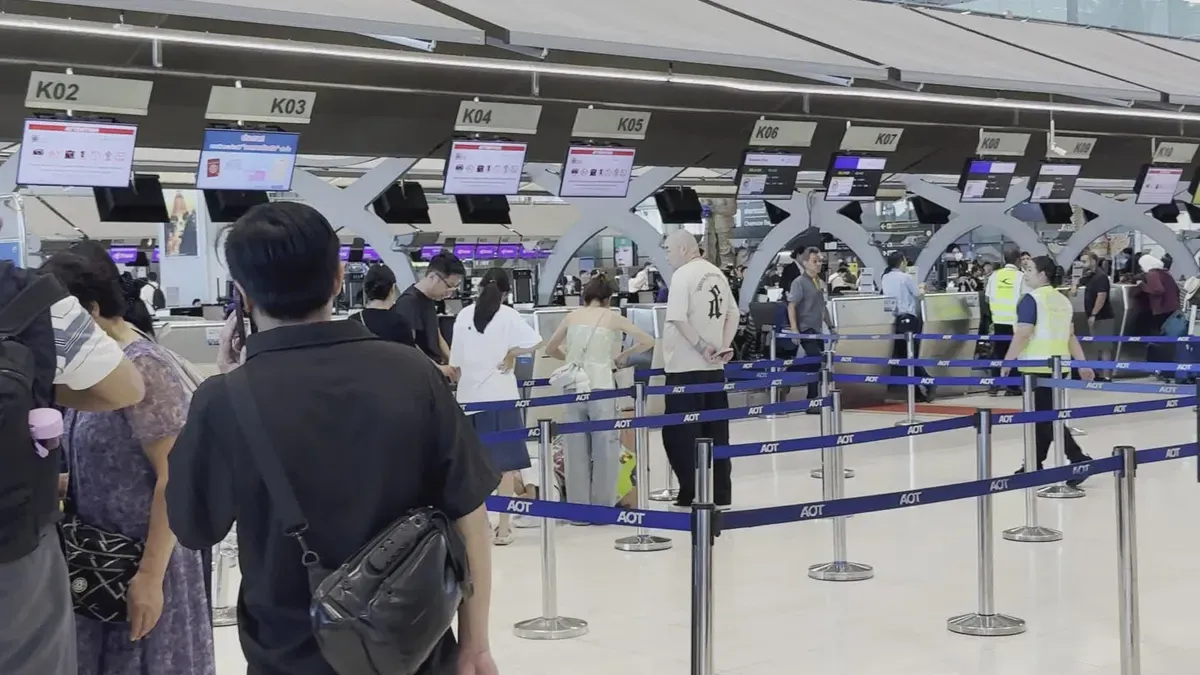
You see ai changing how airports handle unattended baggage. Ai cameras scan baggage claim areas and spot bags left alone. These systems use object tracking and motion analysis to identify items that remain unattended for a set time. Ai alerts security teams quickly, helping you respond faster than traditional methods. Response times improve by 35% compared to manual monitoring, which often suffers from human error and fatigue. Ai-integrated surveillance gives you real-time alerts, so you can investigate suspicious objects right away. You rely on ai to keep airport operations safe and efficient.
Ai systems help you detect unattended baggage and reduce risks. Security teams act faster, preventing delays and improving passenger safety.
Loss and Theft Prevention
You see ai-powered analytics making a big difference in loss and theft prevention at airports. Ai-enhanced baggage monitoring creates unique digital IDs from luggage surfaces, which ensures seamless tracking and reduces mishandling. Real-time location updates boost passenger satisfaction by 40%. The rate of lost baggage dropped from 7.6 to 6.9 per thousand passengers in 2023, thanks to improved tracking and automation. Most mishandled baggage (80%) was delayed, not lost or stolen, showing the effectiveness of new technologies. Ai-driven systems led to a 30% reduction in baggage-related incidents.
Ai-powered X-ray scanners improve threat detection accuracy by identifying weapons and explosives more effectively.
Automated detection speeds up screening, reducing manual inspections.
Real-time alerts let security teams focus on suspicious items, improving airport operations.
Ai-driven threat detection minimizes false positives, which accelerates the screening process.
Continuous learning in ai models adapts to new threats, keeping security measures strong.
You see airlines using ai and analytics to track baggage and prevent theft. Ai integrates with airport security protocols, making operations smoother and safer. The introduction of new technologies resulted in a 9.2% reduction in mishandled baggage rates from 2022. Only 7% of mishandled baggage was lost or stolen, so better tracking helps you recover delayed items faster.
Ai-enhanced baggage monitoring gives you better data, improves analytics, and supports safer airport operations.
AI in Health and Safety Screening
Automated Health Checks
You see ai making health checks faster and safer in airports. Ai systems scan passengers for signs of illness using thermal cameras and sensors. These tools collect data about body temperature and movement. Ai analyzes this data to spot possible health risks. You get alerts when ai finds someone with a fever or unusual symptoms. Airlines use ai to keep passengers safe and reduce delays. Ai helps airport staff respond quickly to health concerns. You see ai working with analytics to track health trends and improve airport operations. Ai checks help you prevent outbreaks and keep airports running smoothly.
Ai-driven health screening gives you real-time feedback. You can trust ai to support airport safety and protect travelers.
Compliance Monitoring
You see ai helping airports follow health and safety rules. Ai checks if passengers wear masks and follow social distancing guidelines. These systems use cameras and sensors to collect data about passenger behavior. Ai analytics review this data and alert staff when someone breaks the rules. Airlines rely on ai to keep operations safe and avoid fines. Ai helps airport teams monitor compliance without slowing down passenger flow. You see ai making it easier for airports to meet government standards. Ai supports airlines by tracking compliance and improving safety records.
Compliance Feature | How AI Supports You | Benefit for Airport Operations |
|---|---|---|
Mask Detection | Alerts staff about violations | Keeps passengers safe |
Social Distancing | Monitors crowd spacing | Reduces health risks |
Rule Enforcement | Tracks compliance trends | Improves analytics and reporting |
You see ai and analytics working together to improve airport safety. Ai uses data from sensors and cameras to help airlines and airports meet health standards. Ai-driven compliance monitoring keeps operations efficient and passengers protected.
You see ai transforming airport security and safety. Ai systems automate airport processes, helping airlines reduce delays and improve efficiency. Ai uses data from sensors and cameras to detect threats and suspicious behavior in airports. Airlines rely on ai to optimize crowd management and enhance passenger experience. Ai-driven solutions help airports save money and find new revenue opportunities.
Enhanced operational efficiency in airport operations
Improved safety and security for airlines and passengers
Personalized passenger experience using real-time data
Cost savings and revenue generation for airports
Experts predict ai will shape the future of airport security. You can explore smart city integration, real-time data monitoring, and advanced loss prevention strategies. Airlines and airports benefit from adopting ai-driven solutions.
Next Steps for You | Benefit |
|---|---|
Learn about ai technologies | Improve airport safety |
Analyze airport data trends | Optimize airline operations |
Explore ai integration | Enhance airport efficiency |
FAQ
What is ai-driven loss prevention in airports?
You use ai-driven loss prevention to protect assets and people in airports. Ai systems analyze data from cameras and sensors. These tools help you spot theft, fraud, and accidents before they happen.
How does ai improve airport security?
Ai monitors airport activity in real time. You get alerts when ai detects unusual behavior or threats. Security teams respond faster and keep airport operations safe.
Can ai help reduce lost baggage at airports?
Ai tracks baggage using digital IDs and real-time location updates. You see fewer lost bags and faster recovery. Ai improves airport efficiency and passenger satisfaction.
Is ai used for health checks in airports?
Ai scans passengers for signs of illness at airports. You get alerts about health risks. Ai helps airport staff respond quickly and keeps travelers safe.
Are there privacy concerns with ai in airports?
You may worry about privacy when ai monitors airport activity. Airports follow strict laws to protect your data. Ai systems balance safety and privacy.
See Also
Discover The Advantages Of AI-Enhanced Vending Machines Today
The Future Of Retail Lies In AI-Driven Stores
Key Maintenance Guidelines For Vending Machine Security Features
Understanding The Growth Of AI-Driven Convenience Stores
Analyzing Walgreens Self-Checkout: Benefits And Hurdles In Retail
