How autonomous stores support digital transformation in Airports & transportation hubs.

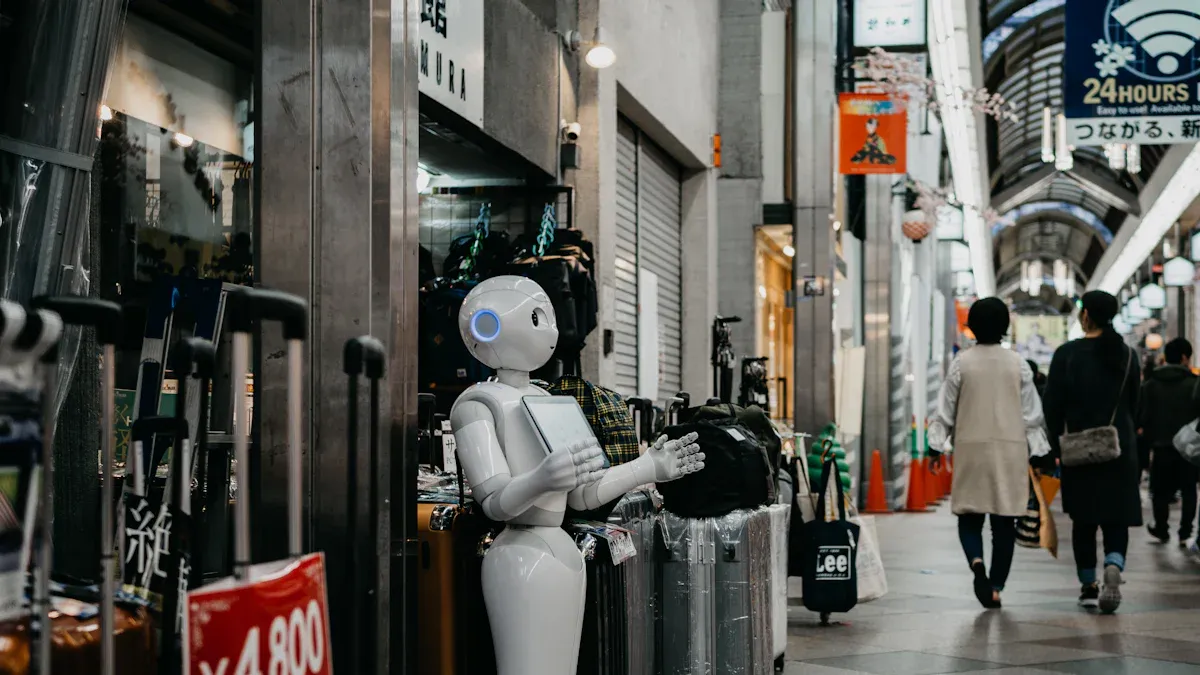
You see airports transform as autonomous stores bring digital innovation to your travel experience. Self-service technology lets you shop quickly and easily. This shift makes your journey smoother and helps airports work better. Research shows that when you use self-service options, you feel more satisfied. Personal service and emotional connection still matter, but digital tools make your time at the airport more efficient and enjoyable.
Key Takeaways
Autonomous stores enhance your airport experience by allowing quick, cashier-less shopping, reducing wait times significantly.
These stores operate 24/7, providing convenience for travelers at any hour, making your shopping experience smoother.
Real-time data collection helps airports tailor services to your preferences, ensuring you find what you need when you travel.
Automation in airports leads to cost savings and improved efficiency, allowing airports to allocate resources better and enhance services.
Sustainability initiatives in autonomous stores help reduce energy consumption and waste, contributing to a greener travel experience.
Autonomous Stores & Technology in Airports

What Are Autonomous Stores?
You can think of autonomous stores as shops that use advanced technology to let you buy items without waiting in line or talking to a cashier. These stores use sensors, cameras, and artificial intelligence to track what you pick up. You simply walk in, grab what you need, and leave. The system charges you automatically. This model is different from traditional airport shops, where you must wait for a cashier to scan your items and take your payment. In busy airports, autonomous stores help you save time and avoid crowds.
Here are the main features that define autonomous stores in airport environments:
Feature | Description |
|---|---|
Time Efficiency | Reduces wait times by allowing travelers to shop without traditional checkout lines. |
Enhanced Traveler Experience | Provides convenience for quick purchases, enhancing satisfaction and loyalty. |
24/7 Accessibility | Operates without staff, beneficial for late-night or early-morning travelers. |
Data Collection and Analytics | Gathers data on customer behavior to tailor offerings based on real-time insights. |
Operational Cost Reduction | Minimizes staffing needs, reducing labor costs and reallocating savings to improve services. |
Inventory Management | Maintains optimal stock levels with real-time tracking to avoid overstock and waste. |
Safety and Hygiene Considerations | Promotes contactless shopping, enhancing hygiene and safety for travelers. |
Scalability and Flexibility | Easily adjusts to demand fluctuations, allowing for additional stores during peak periods. |
Integration with Airport Services | Links with mobile apps for personalized offers based on flight schedules or preferences. |
You see that autonomous stores focus on speed, safety, and convenience. They also help airports serve you better, no matter when you travel.
Core Technologies Driving Digital Transformation
You find that technology plays a big role in making autonomous stores possible. These stores use artificial intelligence to recognize what you buy. Computer vision helps cameras see and track your movements. Sensors and RFID tags keep track of products on shelves. Mobile apps let you pay and get special offers. All these tools work together to create a smooth shopping experience.
You notice that technology does more than just speed up shopping. It collects data about what you like to buy and when you travel. This information helps airports improve their services and offer you products that match your needs. For example, if you often buy snacks before a morning flight, the store can suggest new items or discounts just for you.
You also see that technology makes shopping safer. Contactless payments and touch-free entry reduce the need to touch surfaces. This keeps you healthy, especially during busy travel seasons. Technology also helps airports manage their resources. Real-time tracking means stores never run out of popular items. You always find what you need, even during peak travel times.
Tip: When you use autonomous stores, you help airports learn more about what travelers want. This helps airports plan better and serve you faster.
Integration with Airport Digital Transformation
You experience airport digital transformation when airports use technology to improve every part of your journey. Autonomous stores fit into this bigger picture. They connect with airport apps, flight information, and even security systems. This means you get personalized offers based on your flight schedule or travel history.
You see that airport digital transformation is not just about shopping. It includes smart check-in kiosks, digital boarding passes, and real-time updates on your phone. Autonomous stores add another layer by making shopping quick and easy. They also help airports collect data to improve other services, like baggage handling and crowd control.
Airports face some challenges when adding autonomous stores to their digital systems. The table below shows some common issues:
Challenge | Description |
|---|---|
Implementation Barriers | Complex environments with multiple stakeholders create hurdles for new technology adoption. |
Data Integration Issues | Access to centralized data is often limited, affecting the effectiveness of AI solutions. |
Privacy Concerns | Public and staff buy-in is necessary, requiring clear communication about AI usage and data handling. |
Cost of Early Adoption | Significant investment is needed for airports to be early adopters of AI technology. |
Regulatory Compliance | Various regulations must be adhered to during AI implementation for legal and ethical reasons. |
Job Loss | Automation may lead to job reductions, impacting the local workforce negatively. |
You notice that airports must work with many partners to make sure technology works well together. They must also protect your privacy and follow the rules. Even with these challenges, autonomous stores play a key role in airport digital transformation. They help airports become smarter, faster, and more focused on your needs.
Passenger Experience & Convenience

Self-Service and Reduced Wait Times
You notice that autonomous stores change the way you shop at airports. Self-service checkout lets you scan and pay for items yourself. This speeds up the process and helps you avoid long lines. AI systems charge you automatically as you exit, so you do not need to wait for a cashier. These stores operate all day and night, so you can shop whenever you want. Sensors and cameras monitor customer flow and adjust operations to keep queues short. Virtual queuing systems let you join a line with your phone or at a kiosk. You do not need to stand in line, which improves your passenger experience. Real-time analytics help manage queues and open more lanes when needed. These trends make shopping faster and easier for you.
Self-checkouts reduce reliance on cashiers.
Stores operate continuously for your convenience.
Systems monitor flow and optimize checkout.
Personalization in Autonomous Stores
You see that autonomous stores use technology to personalize your shopping experience. AI monitors how you interact with products and learns your preferences. Digital touchpoints collect insights about your travel journey. Retailers use this data to engage with you and offer recommendations based on your location and travel plans. Airlines and stores provide personalized offers that match your needs. For example, the autonomous store at Hong Kong International Airport uses AI to tailor the shopping experience for each passenger. You benefit from unified pricing and promotions across platforms, so you get consistent offers whether you shop in the airport or online.
Example | Description |
|---|---|
SAP Experience Center x Aramark | A fully autonomous convenience store that operates 24/7 with cashier-less checkout, enhancing the personalized customer journey. |
Gebr. Heinemann | Unified global pricing and promotions across all platforms, ensuring consistent offers from airport retail to digital sales. |
Streamlined Shopping in Airports
You experience streamlined shopping when technology turns your idle time into opportunities for purchases. Autonomous stores place themselves in high-traffic areas, making it easy for you to shop while you wait. Start-ups use AI and data analytics to create touchless shopping experiences. These trends cater to changing expectations and simplify your passenger experience. AiFi’s technology eliminates traditional checkouts, speeds up transactions, and reduces congestion. You spend more time in retail areas, which improves your overall airport experience.
Tip: When you use autonomous stores, you enjoy a faster, more personalized, and convenient passenger experience. These trends show how airports focus on making your journey smoother.
Operational Benefits in Airports
Efficiency and Cost Savings
You see that autonomous stores help airports save money and work more efficiently. Automation reduces the need for manual labor. This means airports can lower staffing expenses and use their resources better. Predictive maintenance tools help airports avoid emergency repairs. Large hub airports can save millions of dollars each year by scheduling repairs before problems happen. Self-checkout kiosks and automation let more travelers shop quickly, which increases retail sales.
Here is a table that shows how autonomous stores support cost savings:
Benefit | Description |
|---|---|
Minimizes manual labor, leading to lower staffing expenses. | |
Predictive maintenance savings | Large hub airports can save between $3M and $8M annually by reducing emergency repairs through better scheduling. |
Enhanced efficiency | Automation and self-checkout kiosks increase the number of travelers served, boosting retail sales. |
You can also see how AI and analytics improve resource planning. These tools help airports manage capacity and drive down costs. Automation tracks sales, costs, and efficiency in real time. This gives you a better shopping experience and helps airports use their resources wisely.
AI and analytics improve resource planning and capacity management.
Automation tools track sales, costs, and efficiency in real time.
Real-Time Data for Airport Operations
Autonomous stores collect real-time data that helps airports make smart decisions. This data gives airport managers a clear view of what is happening at any moment. Unified systems connect different parts of airport operations, making everything run smoothly. Real-time visibility lets you see how many people are in the store and how fast they move. This helps airports adjust staffing and resources quickly.
The table below shows how real-time data improves airport operations:
Feature | Benefit |
|---|---|
Unified Systems | Integrates various airport operations for better efficiency. |
Real-time Visibility | Provides immediate insights into operational status and passenger flow. |
Flexibility to Scale | Allows for quick adjustments and improvements based on real-time data. |
AI-Powered Operations | Enhances decision-making through predictive analytics and optimization. |
You benefit from better planning and faster service. Airports use real-time data for strategic planning, like forecasting how many people will travel and where to invest in new infrastructure. For daily operations, airports use this data to schedule staff and allocate resources. When something unexpected happens, real-time data helps airports respond right away.
Strategic planning includes capacity forecasting and infrastructure investment.
Tactical operations involve daily scheduling and resource allocation.
Real-time execution means airports can respond quickly to disruptions.
Sustainability and Resource Optimization
Autonomous stores also support sustainability in airports. Smart systems help airports use electricity, water, and heating more efficiently. Energy harvesting technologies power sensors with renewable energy. This reduces the need for fossil fuels. Improved traffic and parking management lower fuel use and cut emissions. Intelligent sensors monitor equipment and help with predictive maintenance, which keeps everything running smoothly.
Here is a table that highlights sustainability initiatives:
Initiative Type | Description |
|---|---|
Resource Optimization | Smart airports utilize IoT-based systems for efficient management of electricity, water, and HVAC. |
Energy Management | Energy harvesting technologies enable self-powered sensors using renewable energy. |
Traffic Routing Optimization | Improved traffic and parking management reduce fuel consumption and emissions. |
Condition Monitoring | Intelligent sensors help in predictive maintenance, enhancing operational efficiency. |
Electrification of Operations | Optimizing power grid operations reduces reliance on fossil fuels for airport vehicles. |
You see autonomous cleaning robots in many airports. These robots clean more efficiently and let staff focus on special tasks. This helps airports keep high cleaning standards while using fewer resources. AI and machine learning also analyze data to optimize energy use. Smart LED systems adjust lighting based on how many people are in an area. This reduces energy consumption. Intelligent traffic management systems help traffic flow better and use less energy.
Tip: When airports use autonomous stores and smart technology, they cut costs, improve airport operations, and protect the environment.
Case Studies & Innovations
Successful Autonomous Store Implementations
You see many airports using autonomous stores to improve your travel experience. At JFK Airport, Zippin and SSP have created a store where you can shop without waiting in line. Hudson uses Amazon’s Just Walk Out technology in its travel convenience stores. This lets you grab snacks or drinks quickly before your flight. Companies like AiFi, Standard AI, and Grabango also bring new transportation methods to airport shopping. These stores use advanced technology to give you personalized offers and services. You can find what you need fast, even during busy times. Airports use these innovations to make your journey smoother and more enjoyable.
Technology Partnerships in Airports
You notice that collaboration between airports and technology companies drives airport innovation. These partnerships help airports bring new transportation methods and improvements to travelers like you. Here are some examples:
Zippin works with JFK and SSP to offer autonomous checkout.
Hudson uses Amazon’s Just Walk Out technology in airport stores.
AWS, Standard AI, AiFi, and Grabango lead the market with just-walk-out retail platforms.
You benefit from these partnerships because they bring new ideas and better services. Airports use collaboration to test and launch new technology faster. This means you get to enjoy the latest innovation when you travel.
Partnership | Description |
|---|---|
ThorDrive | Developed the world's first autonomous retrofit baggage tug, changing how bags move in airports. |
Avidbots | Deployed the first autonomous robotic cleaning equipment in the U.S., making airports cleaner. |
Ottonomy | Uses robots to deliver concession products to your gate, offering new transportation methods for food and retail. |
Losant | Helps you locate the airport's automated people mover, making it easier to get around. |
Holistic Digital Transformation & Autonomous Vehicles
You see airports using autonomous vehicles to support digital transformation. These vehicles help with passenger transport, airfield operations, and even assist travelers with mobility needs. Airports use automated bag drop and self baggage drop to speed up check-in. Biometrics in airports help you move through security faster. Autonomous vehicles create new transportation methods and improve airport innovation. You notice improvements in parking and curbside design to fit both autonomous vehicles and regular cars. Airports must set new rules for these vehicles to keep everyone safe.
Use Case/Effect | Description |
|---|---|
Airport-Owned Autonomous Vehicle Fleet | Airports use autonomous vehicles for passenger transport, creating premium services and new revenue streams. |
Airfield Vehicles | Automation reduces staffing needs and makes vehicles more efficient. |
Assistive Services | Autonomous vehicles help passengers with mobility needs, giving them more independence. |
New Competitive Services | Airlines create new transportation methods to stay competitive. |
Autonomous Vehicle Adapted Infrastructure | Airports change parking and curbsides for both autonomous vehicles and traditional vehicles. |
Automation Regulation | Airports set new rules for operating autonomous vehicles safely. |
Note: You will see more improvements as airports use innovation and collaboration to bring new transportation methods and personalized offers and services to your journey.
Challenges & Adoption Considerations
Infrastructure Integration
You may notice that airports face challenges when adding autonomous stores to their existing systems. Many airports have complex layouts and old infrastructure. These factors make it hard to install new technology. You see that autonomous stores need strong internet connections, reliable power, and space for sensors and cameras. Airports must plan carefully to avoid disrupting daily operations. They often work with technology partners to design solutions that fit their unique needs. You benefit when airports invest in upgrades, as this leads to smoother shopping and travel experiences.
Security and Privacy Concerns
You want to feel safe when you shop in an airport. Airports use advanced cameras and sensors in autonomous stores to monitor every transaction. This technology tracks your movements and records your purchases. You get peace of mind because the system watches every product from the shelf to checkout. This setup reduces theft and creates a secure shopping environment. Airports also protect your personal data by following strict privacy rules. You can trust that your information stays safe while you enjoy a fast and easy shopping experience.
Change Management in Airports
You may wonder how airports help staff adjust to new technology. Airports use several strategies to support their teams:
Staff receive training that fits their schedules.
Digital twins and simulation tools give hands-on practice.
Airports use a structured approach with phased, role-specific training.
You see that these steps help staff learn new skills and feel confident in their roles. Airports focus on clear communication and support during the transition. This approach ensures that everyone understands the changes and follows new procedures. You benefit from better service because staff know how to use the latest technology.
Tip: When airports manage change well, you enjoy a safer, faster, and more reliable shopping experience.
You see autonomous stores drive transformation in airports. This transformation changes how you shop and move. You get a seamless travel experience with less waiting and more control. Airports use transformation to improve service and save resources. Transformation helps staff learn new skills and adapt. You notice transformation in every part of your journey. Airports use transformation to connect systems and share data. Transformation supports safety and privacy. You see transformation in energy use and cleaning. Airports move toward full digital transformation for better results.
The airport technology landscape in 2026 represents a foundational shift from isolated digital tools to integrated intelligent ecosystems. The trends outlined above are not independent initiatives but interconnected components of comprehensive digital transformation strategies. Successful airports recognize that biometric systems generate data that feeds predictive operations centers, which coordinate with digital twins that optimize energy systems monitored by IoT sensors—creating compound value that exceeds the sum of individual technologies.
You will see transformation continue as airports adopt new tools. You should consider both the benefits and the challenges of transformation.
FAQ
What are autonomous stores in airports?
You find autonomous stores in airports. These stores use digital technology to let you shop without cashiers. Sensors and cameras track your purchases. You grab items and leave. The system charges you automatically. This makes shopping faster and easier during your transportation journey.
How do autonomous stores improve digital transformation in airports?
You see digital transformation in airports when autonomous stores use digital tools. These stores connect with airport apps and transportation systems. Real-time data helps airports manage resources. You get a smoother experience. Airports become more efficient and ready for future transportation needs.
Are autonomous stores safe for your privacy?
You notice airports protect your privacy in autonomous stores. Digital systems follow strict rules. Cameras and sensors track products, not personal details. Airports use secure networks. You can trust that your information stays safe while you shop during your transportation journey.
How do autonomous stores support sustainability in airports?
You see airports use digital technology in autonomous stores to save energy. Smart sensors manage lighting and heating. Airports use data to reduce waste. Autonomous cleaning robots help airports stay clean. These steps support sustainability and improve transportation for future transportation needs.
Will autonomous stores change jobs in airports?
You notice airports change job roles with digital transformation. Staff learn new skills. Airports train teams to use digital tools. Some jobs shift to technology support. You see airports focus on better service and new opportunities for future transportation in transportation hubs.
See Also
The Future Lies In AI-Driven Retail Innovations
Revolutionizing Online Retail Through AI-Enhanced Management Tools
The PARC at Tysons: Evolving From Store to Community Space
