Best practices for launching a pilot autonomous store in Airports & transportation hubs.

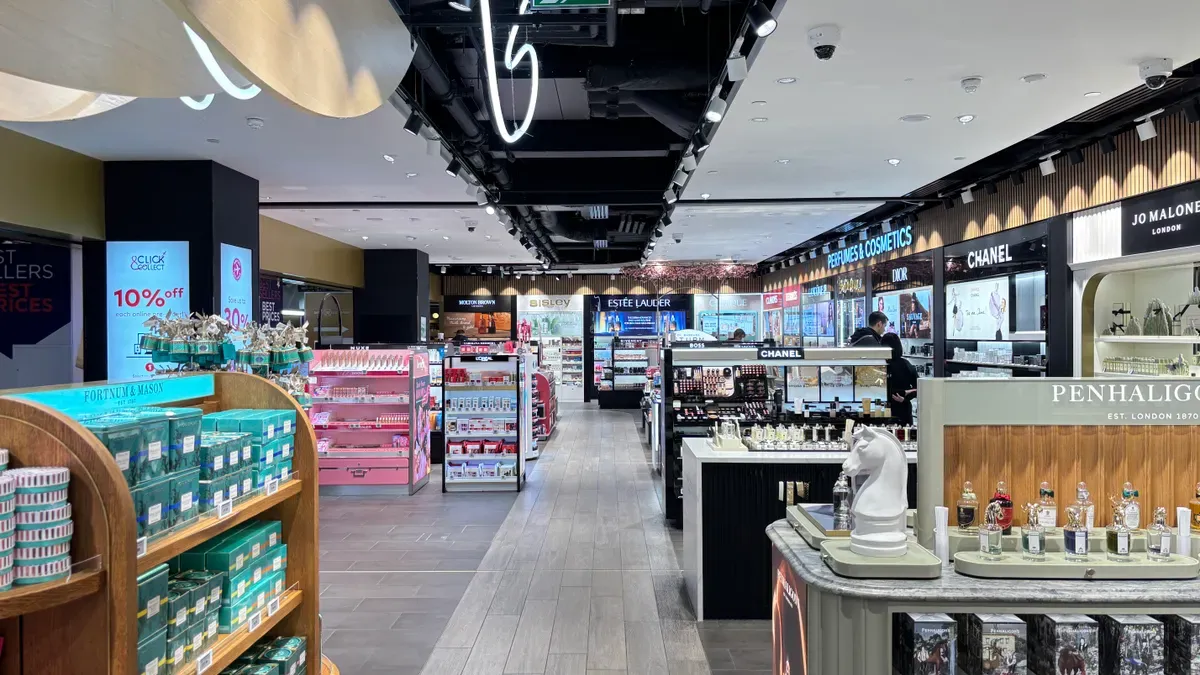
You need to focus on best practices from the very start when launching an autonomous store in airports or transportation hubs. Airports and transportation hubs create unique challenges. You face regulatory uncertainty, high pedestrian traffic, strict safety rules, and potential cybersecurity risks. Align your business goals with what travelers want and what technology can support. Best practices help you deliver a smooth experience for every traveler and keep your operations secure. When you plan with best practices, you prepare for high capital costs, complex environments, and the best possible customer experience.
Key Takeaways
Define clear business goals for your autonomous store. Align them with airport needs to create a strong foundation.
Set measurable success metrics to track progress. Use KPIs like sales growth and customer satisfaction to guide decisions.
Study passenger flow and demographics to choose the best store location. This helps avoid crowding and enhances safety.
Ensure compliance with airport regulations. Work closely with airport authorities to meet security and operational requirements.
Collect real-time feedback from travelers. Use this information to make quick adjustments and improve the customer experience.
Best Practices & Objectives
Define Business Goals
You need to start with a clear vision for your pilot autonomous store. Airports and transportation hubs have unique needs. You must decide what you want to achieve. Some stores focus on increasing sales. Others want to improve the passenger experience or test new technology. You should ask yourself questions like:
Do you want to reduce waiting times for travelers?
Are you aiming to boost sales with AI-powered personalization?
Is your goal to showcase innovation in airport retail?
Do you want to collect data on passenger preferences?
You can talk to airport authorities and transportation partners to understand their priorities. Many airports look for ways to make travel smoother and faster. They also want to see new technology that sets their airport apart. When you align your goals with airport and transportation needs, you create a strong foundation for your pilot.
Tip: Write down your main objectives. Share them with your team and airport partners. This helps everyone stay focused and work toward the same results.
Set Success Metrics
You need to measure your progress. Success metrics, or KPIs, help you see if your pilot works. Airports and transportation hubs use data to make decisions. You should do the same. Here are some KPIs you can track:
KPI | What It Measures | Why It Matters |
|---|---|---|
Sales Growth | Change in total sales | Shows if the store attracts travelers |
Passenger Throughput | Number of customers served per hour | Measures efficiency |
Average Transaction Time | Time from entry to payment | Shorter times mean happier travelers |
Customer Satisfaction | Ratings or feedback from passengers | Tracks experience and loyalty |
Operational Efficiency | Staff hours saved or tasks automated | Shows cost savings |
Repeat Visits | Number of returning customers | Measures loyalty and value |
Many airports report strong results after launching autonomous stores. You can expect to see:
Over 20% of retailers in airports report higher sales because of AI-powered personalization.
Autonomous stores in airports reduce waiting times by 20%. This makes the passenger experience better.
You should review your KPIs often. Share results with airport partners and your team. If you see a drop in sales or longer wait times, you can make changes fast. This approach helps you keep up with airport trends and stay ahead in innovation.
Note: Choose KPIs that match your business goals. If you want to lead in airport innovation, track new technology adoption and customer feedback on new features.
Airports Location & Format
Passenger Flow & Demographics
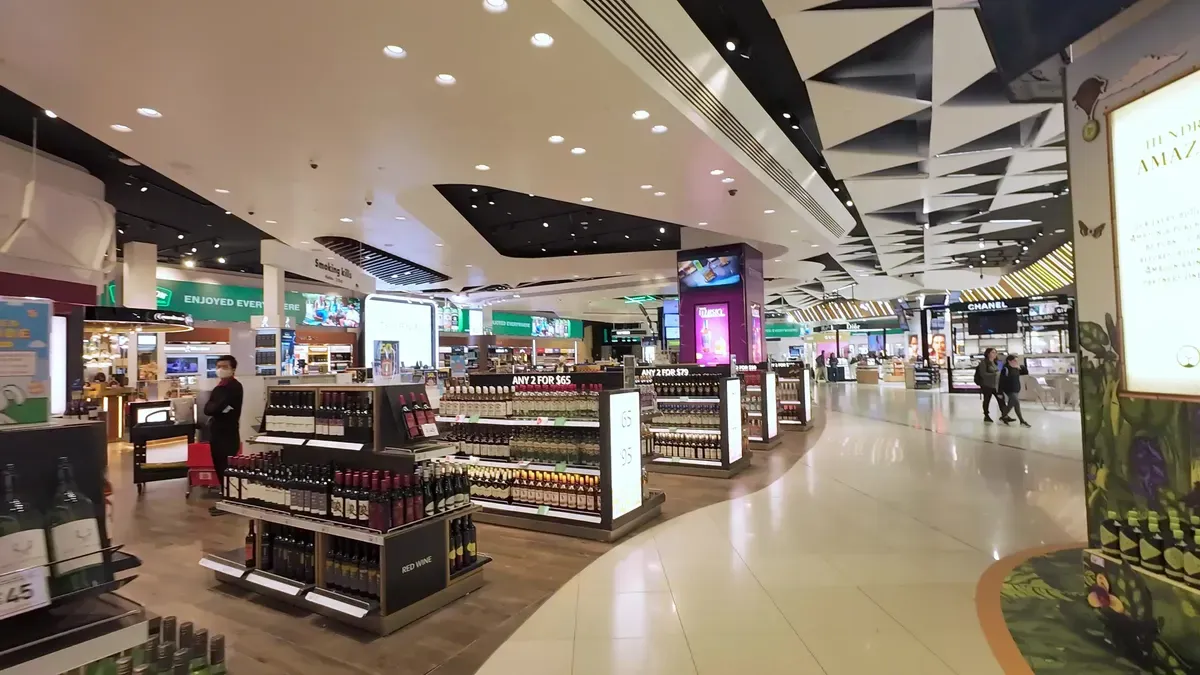
You must study passenger flow before choosing a location for your autonomous store in airports. Passenger flow data shows you where travelers move and when they pass certain areas. This information helps you avoid crowding and maximize safety. You can place your store where queues stay short and asset use stays high. Airports use this data to guide passengers past stores at the best moments. This increases non-aeronautical revenue and improves the experience for travelers.
Passenger flow data helps you avoid crowding and maximize safety.
You can enhance efficiency with shorter queues and better asset utilization.
Airports use flow data to guide passengers past stores at optimal moments, boosting revenue.
You must also understand the demographics of airport passengers. Airports welcome a diverse group of travelers from many backgrounds. The rise in global air travelers means you see more diversity in airports. The growing middle-class population makes air travel more affordable, so purchasing power shifts. Travelers want unique and culturally relevant products. You must move away from a one-size-fits-all approach. Airports need to create inclusive experiences for passengers with disabilities and neurodiversity. You must consider race, culture, size, and age when designing products and services.
Store Size & Layout
You must choose the right store size and layout for airports. Passenger flow and demographics guide your decisions. Small stores fit well in busy terminals where travelers move quickly. Larger stores work in areas where passengers wait longer, such as near gates or lounges. You must design layouts that allow easy movement for passengers with luggage. Airports require clear paths and accessible spaces for all travelers. You can use open layouts to reduce bottlenecks and make shopping faster. Airports benefit from flexible layouts that adapt to changing passenger needs. You must place products where travelers can see them easily. Airports need layouts that support quick transactions and easy navigation.
Tip: Test your store layout with real passengers before launching. You can gather feedback and make changes to improve the experience for travelers.
Airport Compliance & Security
Regulatory Coordination
You must work closely with airport authorities when launching an autonomous store. Airports have strict rules for security and access. You need to understand how airport operations affect your store. Airport authority access controls who can operate stores and vehicles. State permits do not guarantee access to airports. The airport authority decides who can enter and operate. Most airports keep the right to deny access, but they must follow rules about economic nondiscrimination. You must follow grant assurance compliance to avoid problems with airport operations. The table below shows key regulatory aspects for airports and transportation hubs:
Regulatory Aspect | Description |
|---|---|
Airport Authority Access | The airport authority controls permitting AV operators, which can include conditional access or denial based on revenue structures. |
State AV Permits | State AV permits do not extend to airport access, meaning airport authorities have the final say. |
Grant Assurance Compliance | Approximately 94% of airports retain denial authority, subject to economic nondiscrimination rules governing access fees. |
You must coordinate with airport operations teams to meet all security requirements. Airports use intelligent airport systems to monitor compliance and security. You should keep records of your permits and approvals. This helps you respond quickly if airport operations request information.
Data Privacy & Payments
You must protect customer data and payment information in airports. Security is a top priority for airport operations and transportation hubs. Airports follow strict data privacy regulations. You must comply with rules like the General Data Protection Regulation (GDPR) and the German Federal Data Protection Act (BDSG). The airport operates payment terminals, but payment service providers handle central payment processing. They manage authorization and risk assessment. You must process personal data only when needed for contracts or legal obligations. The table below explains important data privacy and payment aspects for airports:
Aspect | Details |
|---|---|
Relevant Regulations | General Data Protection Regulation (GDPR) and German Federal Data Protection Act (BDSG) |
Payment Processing Responsibility | The airport operates payment terminals, while payment service providers handle central payment processing, including authorization and risk assessment. |
Legal Basis for Data Processing | Personal data is processed based on the necessity for contract fulfillment (GDPR Art. 6 para. 1 p. 1 lit. b) and legal obligations (GDPR Art. 6 para. 1 p. 1 lit. c). |
You must train your staff to follow airport security protocols. Airports use intelligent airport systems to detect risks and protect sensitive information. You should use secure payment systems and encrypt customer data. Security checks help you prevent breaches and keep airport operations safe. You must review your security measures often to stay ahead of threats in airports and transportation hubs.
Tip: Work with airport IT teams to test your security systems before launch. This helps you find weak spots and improve your store’s protection.
Automation Technology
Evaluate Solutions
You must choose the right automation solutions for your airport store. Start by looking at ai-powered systems that support virtual checkout, virtual inventory management, and virtual customer service. These tools help you run your store with less staff and faster service. You can use ai to track products, predict demand, and personalize offers for travelers. Virtual assistants answer questions and guide passengers through the store. You should compare different technology providers. Look for systems that work well with airport wi-fi and security networks. Some airports need robust hardware to handle ai calculations. You must check if the technology can process data quickly and keep virtual transactions secure.
Tip: Test ai and virtual solutions in a small area before expanding. This helps you see how automation works with real passengers.
Integration with Infrastructure
You must connect your automation technology to the airport’s existing systems. Airports have complex infrastructure. You need to make sure your ai and virtual tools fit with current data networks, payment systems, and security controls. Many airports face challenges when adding new technology. The table below shows common issues:
Challenge | Description |
|---|---|
Computing or data requirements | ai technologies need fast calculations, so airports must invest in strong hardware and data resources. |
Data integration | Airports may lack centralized data collection, making it hard for ai and virtual systems to access information. |
Privacy concerns | Passengers and staff must trust ai and virtual automation. You need clear privacy policies. |
Cost of early adoption | Airports spend a lot to bring in new ai and virtual technology. |
Regulatory compliance | You must follow airport rules for legal and ethical ai automation. |
Job loss | Automation can reduce jobs, so airports must plan for workforce changes. |
You should work with airport IT teams to solve these problems. Make sure your ai and virtual automation tools follow all airport regulations. You can use secure networks to protect passenger data. You must update your systems often to keep up with new airport technology trends. Virtual solutions help you adapt quickly and improve the passenger experience.
Note: Keep your automation flexible. Airports change fast, so your ai and virtual technology must grow with new demands.
Customer Experience
Onboarding & Payment
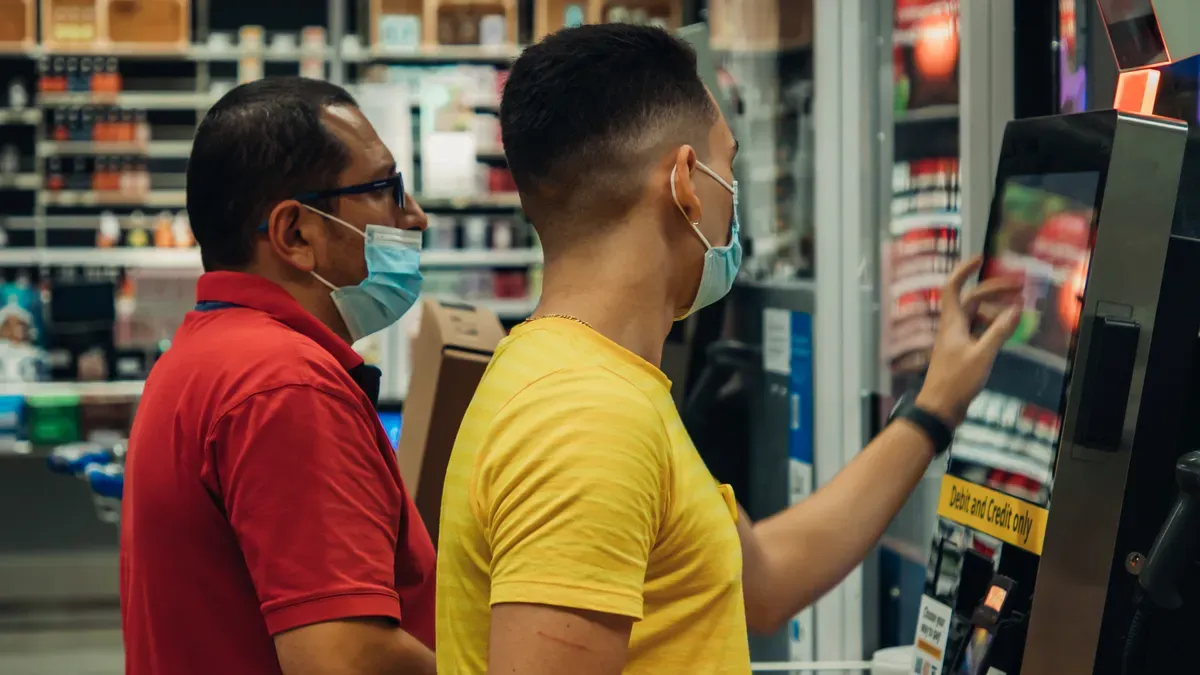
You want every traveler experience in your autonomous store to feel smooth and easy. Many travelers move quickly through airports and do not want to waste time queuing. You can improve the passenger experience by offering fast onboarding and payment options. Contactless technology helps you reduce wait times and make shopping easier. Most travelers prefer contactless payments because they are quick and secure. You can use self-service kiosks to guide travelers through the process. Virtual queueing systems also help you manage crowds and keep lines short.
Here is a table showing the most popular payment methods for travelers in autonomous stores:
Payment Method | Description | Popularity Among Travelers |
|---|---|---|
Contactless Card | NFC-enabled cards that allow quick transactions with face-pay systems. | High |
Mobile Wallets | Digital payment solutions like Apple Pay and Google Pay for tech-savvy users. | Increasingly Popular |
QR Code Payments | Simple and low-cost payment method, especially in Asia Pacific. | Widely Used |
Contactless technology supports all these payment types. You can also use contactless entry to let travelers access the store without stopping. This makes the traveler experience faster and more enjoyable. Virtual queueing and contactless checkout both help you avoid long lines and improve passenger satisfaction.
Signage & Support
Clear signage plays a big role in the traveler experience. You need signs that show travelers how to use self-service kiosks and contactless payment systems. Good signs help travelers understand each step, which reduces confusion and stress. You should use large fonts, simple language, and symbols that everyone can recognize. Multilingual signs help travelers from different countries feel welcome.
Accessible support is just as important. You can place help buttons or virtual assistants near self-service kiosks. This gives travelers quick answers if they have questions. Many airports add ramps and other features to help travelers with disabilities. These changes improve passenger satisfaction and make the passenger experience better for everyone.
Clear signage and information displays help travelers understand directions and processes, which lowers anxiety.
Accessibility features, such as ramps and multilingual signage, ensure all travelers can navigate the airport and store easily.
When you focus on contactless technology, clear signage, and strong support, you create a positive traveler experience. You also help reduce queuing and make the passenger experience more efficient. These steps lead to higher passenger satisfaction and better results for your autonomous store.
Staff Training & Operations
Technology Training
You must train your staff to use new technology in airport autonomous stores. Staff need to understand how every system works. This includes self-checkout kiosks, AI-powered inventory tools, and security features. When you teach your team about these systems, you help them solve problems quickly. You also make sure your operations run smoothly. Staff should know how to reset devices, check inventory, and help travelers with questions. You can use short training sessions and hands-on practice. This helps your team feel confident with daily operations.
Mike Fogarty says, "Keeping labor and occupancy costs down are two of the largest cost drivers for autonomous stores, which allows for more aggressive pricing of groceries."
Autonomous stores can operate 24/7. This means you need staff who can handle operations at any hour. Your team should know how to monitor real-time inventory and respond to alerts. When you train your staff well, you lower labor costs and improve store operations. You also gather more data on shopper behavior, which helps you optimize your operations and reduce costs.
Contingency Planning
You must prepare for unexpected problems in your operations. Technology can fail, and security incidents can happen. You need strong contingency plans to keep your store running. These plans help you handle natural disasters, network breaches, and sudden shifts in customer demand. You should view AI as a tool to support your team, not as a replacement. Good contingency plans protect your operations from customer dissatisfaction and regulatory issues.
Develop business continuity plans for technology failures.
Prepare for unplanned downtime and data breaches.
Update and test your contingency plans often.
When you plan for these risks, you keep your operations safe and reliable. Regular training and drills help your staff know what to do in an emergency. You should review your plans with airport partners to make sure your operations meet all requirements. This keeps your store ready for any challenge and builds trust with travelers.
Tip: Always test your contingency plans before you need them. This helps you find weak spots and improve your operations.
Launch & Iteration
Real-Time Feedback
You need to collect real-time feedback as soon as your autonomous store opens. Airports use this feedback to spot issues quickly and respond before they grow. You can use digital surveys, touchscreen kiosks, or QR codes for instant passenger input. This feedback gives you a clear view of how travelers feel about your store. When you listen to travelers, you improve their experience and boost your sales.
Here is how airports use real-time feedback:
Aspect | Description |
|---|---|
Real-Time Feedback | Airports detect issues immediately and respond effectively. |
Continuous Visibility | Feedback provides ongoing insights into passenger sentiment. |
Improved Passenger Experience | Enhanced experience leads to higher retail and food and beverage revenue. |
You can use feedback to make daily decisions. For example, you might adjust cleaning schedules or restock popular items. Feedback also helps you plan bigger projects, like store upgrades, without disrupting travelers. Many airports set goals for cleaning and maintenance teams based on what passengers say. This keeps your store clean, safe, and welcoming.
Feedback guides daily operations, such as cleaning and restocking.
Data helps plan maintenance to avoid disrupting travelers.
You can set clear goals for vendors using feedback.
Operational Adjustments
You must stay flexible during your pilot launch. Many teams rush to show off new technology before testing it fully. You should always test your systems before any public demo. Train your staff so they understand every part of the store. Clear goals and realistic expectations help you avoid confusion.
Common pitfalls include:
Jumping to on-site demos before verifying performance.
Skipping baseline education for your team.
Unclear requirements and unrealistic expectations.
Not benchmarking credible suppliers.
Treating autonomous systems as plug-and-play.
You need to check that your store meets all operational needs before launch. Define the scope of your pilot and make sure it fits your goals. Test your systems with real airport workflows and safety rules. When you adjust your operations based on feedback and testing, you create a better experience for travelers and avoid costly mistakes.
Airport Technology Trends
Align with Trends
You need to keep up with airport technology trends to make your autonomous store a success. Airports change fast, and new technology shapes how travelers shop. Many airports now use smartphones to improve the passenger experience. Travelers use their phones to shop online at any time. Mobile commerce lets you offer pre-order options, book dining slots, and send personalized deals through airport apps. These features help you reach travelers before they even arrive at your store.
Airports also use technology to solve real problems. For example, Changi Airport’s FlightSaver Assurance helps travelers during flight delays. This kind of service shows how airports use technology to make travel easier and less stressful. You should watch for trends like these and add them to your store.
Smartphones drive airport retail by giving travelers 24/7 shopping access.
Mobile commerce lets travelers pre-order, book, and get special offers.
Airports use features like FlightSaver Assurance to improve the passenger experience during delays.
Future-Proofing
You must plan for the future when you invest in airport technology. Trends change quickly, so your store needs to adapt. Use these strategies to keep your store ready for what comes next:
Strategy | Description |
|---|---|
Modernize your technology and keep improving. This helps you meet new customer needs and grow your revenue. | |
Maintaining business continuity | Build a strong risk management plan. Focus on security and flexibility to protect your store from cyber threats and other risks. |
Enhancing operational efficiency | Connect different airport systems. Use AI and omnichannel tools to make your store run better and save money. |
Adopting emerging technologies | Invest in AI, new data platforms, and quantum-safe security. These tools help you stay ahead and unlock new value in airports. |
You should always look for new airport technology trends. When you follow these trends, you keep your store modern and ready for change. Airports that use the latest technology give travelers a better experience and stay ahead of the competition.
You set your autonomous store up for success when you follow best practices. Focus on clear goals, strong compliance, and a smooth customer experience. Use a data-driven approach to improve your store.
A unified data foundation helps you break down operational silos.
Real-time intelligence lets you manage passengers better.
Higher efficiency creates happier travelers.
Keep learning from feedback and adapt to new airport technology trends. You build a store that meets traveler needs and stays ahead in a changing environment.
FAQ
What is an autonomous store in an airport?
An autonomous store uses technology to let you shop without cashiers. You scan your payment, pick your items, and leave. The system tracks your purchases and charges you automatically.
How do you ensure security in an autonomous airport store?
You must use secure payment systems and encrypt customer data. Work with airport IT teams to test your systems. Regular checks help you find and fix security risks.
What are the most popular payment methods for travelers?
Payment Method | Why Travelers Like It |
|---|---|
Contactless Card | Fast and easy |
Mobile Wallet | Convenient for smartphones |
QR Code | Simple and widely accepted |
How do you help travelers who need assistance?
You can add help buttons, virtual assistants, or staff nearby. Clear signs and multilingual support make it easy for everyone to get help.
Tip:
Always test your store with real travelers before launch. Their feedback helps you improve the experience.
See Also
Launching a Low-Cost AI-Driven Convenience Store Successfully
Modern Retail Advantages of AI-Enhanced Combo Vending Machines
The PARC at Tysons: Evolving from Store to Community Space
