An Airport Terminal. A 15㎡ Nook. A Smarter Way to Boost Commuter Spend.

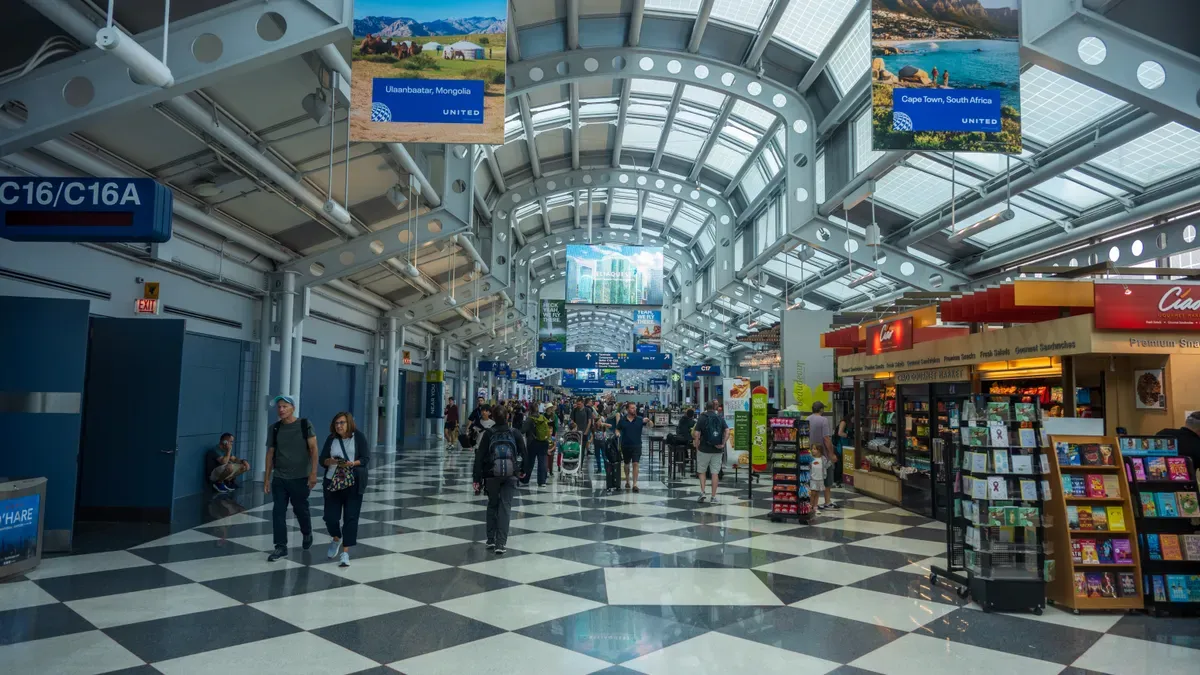
Millions of travelers pass through busy transit centers every day. High worker costs and unused empty space limit store profits in major hubs. AI-powered autonomous convenience stores fix this business problem easily. These automated tiny shops improve overall operations while keeping accurate track of items. Automatic systems provide dependable 24/7 service without needing more store workers. Setting up self-service mini shops gives fast service to today's travelers. This smooth setup improves the shopping experience for busy commuters. Smart use of small spaces greatly increases overall store profits. In 2024, non-flight sources created 36.7% of total airport income. Small automated stores catch high-profit quick purchases, creating a clear boost in money made.
Key Takeaways
Tiny smart stores use empty 15㎡ airport spots to create successful shops.
Sensors check stock all the time and lower empty store shelves by 20 percent.
Ceiling cameras bill travelers automatically so shoppers can skip long checkout lines.
24/7 automated shops boost non-flight airport income without added worker costs.
Maximizing Efficiency in 15㎡ Nooks
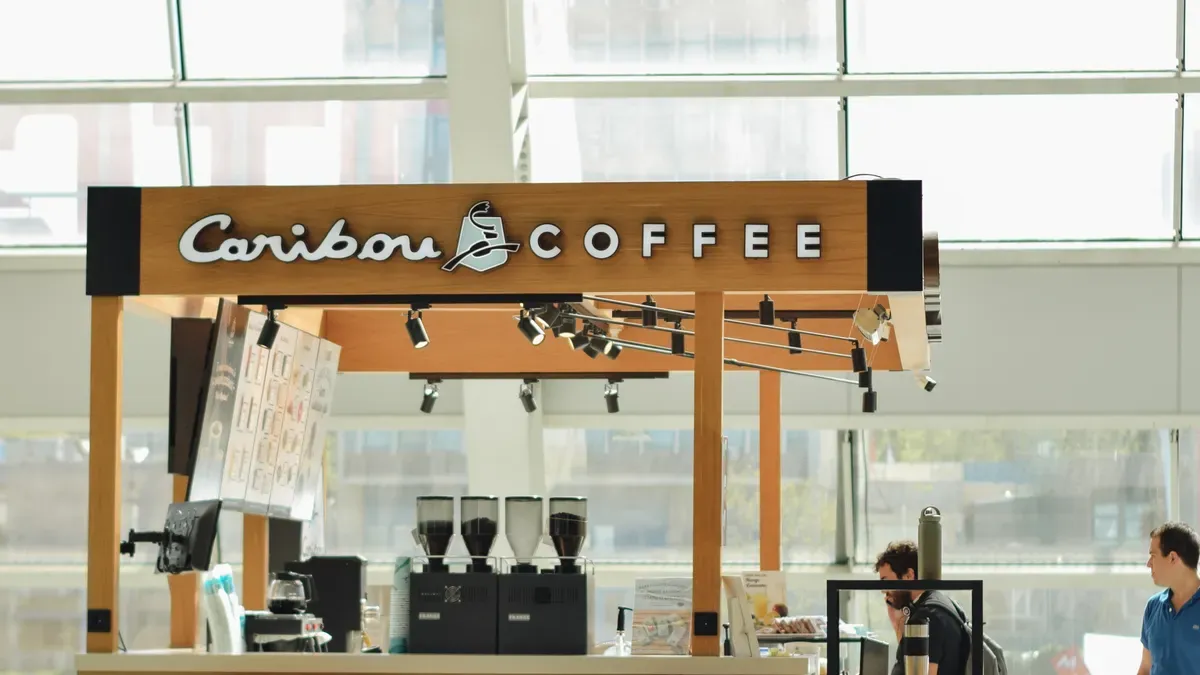
AI-Powered Autonomous Convenience Stores in Dead Space
Major transit companies struggle with unused space in busy stations. Large networks like MTR Corporation, Transport for London, and JR East manage huge transportation systems with thousands of forgotten square meters. Empty corners and small gaps near gate areas create wasted space that brings in no money. Standard retail stores need large physical areas and expensive worker salaries to run. Because of this, managers miss out on helpful sales chances in crowded transit centers every single day.
Setting up ai-powered autonomous convenience stores turns these unused spots into valuable money-makers. These tiny setups remove old-fashioned store limits entirely. Managers put autonomous micro markets straight into 15㎡ nooks to make the best use of small spaces. Busy travelers get quick access to basic items without standing in long checkout lines. These automated stores boost daily workplace productivity while increasing total product sales across busy travel centers.
Unlocking High-Traffic Transit Hub Footprints
Crowded travel centers need clever layout plans. Automated shopping setups turn thin hallway spaces into high-earning sales spots. Station managers deploy autonomous micro markets to offer non-stop shopping ease without needing full-time employees. Smart space design allows quick installation inside crowded terminal areas. As a result, passengers enjoy easy shopping options right along their walking routes.
Feature | Traditional Retail Store | Autonomous Micro Market |
|---|---|---|
Space Requirement | Large footprint (>50㎡) | Compact micro-footprint (15㎡) |
Operating Hours | Limited by shift labor | Continuous 24/7 coverage |
Restocking Workflow | Manual manual counts | Automated inventory triggers |
Modern retail ai systems watch daily crowd movements all the time. Smart sensors track remaining product supplies automatically. Connected software sends quick restocking notices before products run out completely. This automated setup keeps popular goods on store shelves for hurried passengers. Exact tracking lowers wasted stock and creates a better shopping journey for daily travelers. In the end, travel businesses grow their operations quickly by adding these autonomous micro markets across global transit systems. Automated autonomous micro markets offer handy items while making travel better for people in busy stations.
Smart Inventory and Auto-Replenishment Systems
Real-Time Tracking to Maximize Availability
Busy travel centers need smart planning to satisfy rushed passengers. Modern store platforms use smart sensors and nonstop tracking to keep goods on every small shelf. Autonomous micro markets constantly process sales to check current stock numbers. Central software updates records right away when a traveler picks up an item. This smart inventory tracking helps managers set up shelf refill plans without sending workers to do manual counts.
Smart software tracks daily shelf changes to stop unexpected item shortages. In fact, real-time stock monitoring lowers out-of-stock items by 20%. Constant digital tracking helps managers plan shelf space for popular goods like water, snacks, and chargers. The system sends fast alerts to nearby supply teams whenever shelf stock gets low. Automatic inventory tracking prevents empty shelves before busy travel hours start.
Smart computer tools make daily store tasks much easier. Systems send automatic refill ideas to workers based on flight times and past sales patterns. Travel store owners use AI tracking to simplify work across spread-out airport areas. Clever stock planning removes human mistakes during morning refill shifts. Stores keep the right amount of goods without storing costly extra products in back rooms.
Inventory Planning Workflow:
Camera sensors detect product movement -> Central AI calculates shelf levels -> System generates automated replenishment task
Frictionless Checkout and Computer Vision
Autonomous micro markets create a smooth shopping journey for busy travelers. Modern convenience store systems use smart ceiling cameras to watch items. Smart camera tools track movements accurately when travelers take items from display racks. The powerful AI system connects item picks to single shopping trips easily.
Passengers get super easy shopping during tight flight transfers. Travel stores use face scans or touchless card taps to let shoppers inside. Travelers pick their items and walk out without standing in line. Computer vision systems confirm selected goods instantly to process payments automatically. This smooth shopping process improves the customer experience while keeping store inventory records completely accurate.
Automated inventory tools improve delivery accuracy for travel business owners. Smart AI software studies live passenger crowds to plan future stock needs. Flexible stock planning helps field managers complete quick refills right before big flight arrivals. Continuous automatic refills stop lost sales from empty shelves during late-night hours. Smart AI tracking helps stores lower waste while giving great convenience to daily travelers. Smart store layouts mixed with digital planning improve the shopping experience across modern travel hubs.
Commercial Yield and Operator Benefits
Boosting Non-Aeronautical Revenue 24/7
Travel companies like Avolta, Lawson, and 7-Eleven want to earn more money from tiny spaces. Normal stores close early because paying late-night workers cuts into profits. Building ai-powered autonomous convenience stores solves this problem while increasing total sales. These smart mini shops use advanced tech to stay open all day and night. Continuous service brings in high-profit sales while traditional stores stay completely dark.
Late-Night Revenue Formula: Total Revenue = Overnight Travelers x Conversion Rate x Average Basket Size
Continuous automated retail turns late-night delays into immediate retail sales.
Late-arriving passengers stepping off delayed flights want fast access to basic items. Putting automated micro markets near gates, baggage claims, and taxi lines turns boring wait times into quick purchases. Hurried travelers buy snacks, chargers, and personal care products during late layovers. This nonstop sales system creates a big boost in money made across crowded stations.
Scalable Deployment for Travel Retailers
Store owners can expand these shop setups quickly across major transit centers. Small modular units bring better space use to tight terminal spots. Clever shop design makes daily tasks simpler for store managers. Modern camera sensors keep track of remaining items around the clock. Smart software creates automatic refill orders when stock runs low, stopping sudden item shortages.
Accurate stock tracking brings big work savings across busy travel networks. Central computer systems study passenger movement to plan better refill times. Smart planning tools organize delivery paths before busy travel hours start. This automated setup improves the overall shopping journey for rushed passengers.
Store owners grow their retail business by using connected mini shops. These smart setups send live stock information straight to supply teams. Fast alert messages keep store shelves full based on real-time sales. Automated restocking methods remove guessing and lower worker costs across global travel hubs.
Smart use of small spaces allows fast store setups near busy passenger walkways. Automated mini shops fit easily into narrow airport layouts. Nonstop restocking tasks keep shelves full during flight delays, giving travelers easy access to basic goods. Smart stock tracking helps operators improve the travel journey across busy global hubs.
Combining ai vision with compact 15㎡ footprints resolves physical space limits across busy hubs. These ai-powered autonomous convenience stores eliminate manual staffing constraints entirely. Station operators install autonomous micro markets inside dead space to capture immediate consumer spend. These automated solutions optimize smart inventory planning and drive seamless convenience near boarding gates, baggage claims, and major transportation interchanges.
Continuous automated replenishment keeps high-demand goods on store shelves constantly. Automated inventory algorithms trigger fast replenishment tasks to prevent missed product sales. Consequently, travel retailers maximize non-aeronautical revenue around the clock while improving the overall travel experience. Modern transportation hubs turn underutilized corners into profitable retail assets. Executives should request a turnkey autonomous micro markets demo today to upgrade their global travel retail operations.
FAQ
How do autonomous micro markets fit into small terminal spaces?
These modular units use tiny spaces of just 15㎡. Owners put them along busy hallways in big travel hubs to catch quick shoppers without making huge building changes.
How does computer vision technology process customer transactions?
Ceiling cameras and smart sensors track picked items automatically. Advanced AI systems charge buyers right away when travelers grab goods and leave the shop, removing normal checkout lines entirely.
How do operators prevent empty store shelves during peak travel hours?
Live stock tracking lowers empty shelves by 20%. Smart software watches store racks and sends fast supply alerts to local workers, starting quick product refills before popular goods run out completely.
What role does data software play in daily store management?
Smart data tools make daily store work much easier. Central control systems study past passenger crowds and flight times to create exact shelf refill plans for shop workers.
See Also
How The PARC At Tysons Transformed Into A Vibrant Community Hub
Boost Small Office Employee Output Using Innovative Smart Vending Solutions
The Growth Of Innovative Twenty Four Hour Vending Machine Cafes
Seamlessly Upgrade Your Retail Store With Modern Cloudpick Cashierless Technology
Deliver A Premium Starbucks Serenade Coffee Experience To Your Workplace
