Analyzing how frictionless checkout improves the airport passenger experience

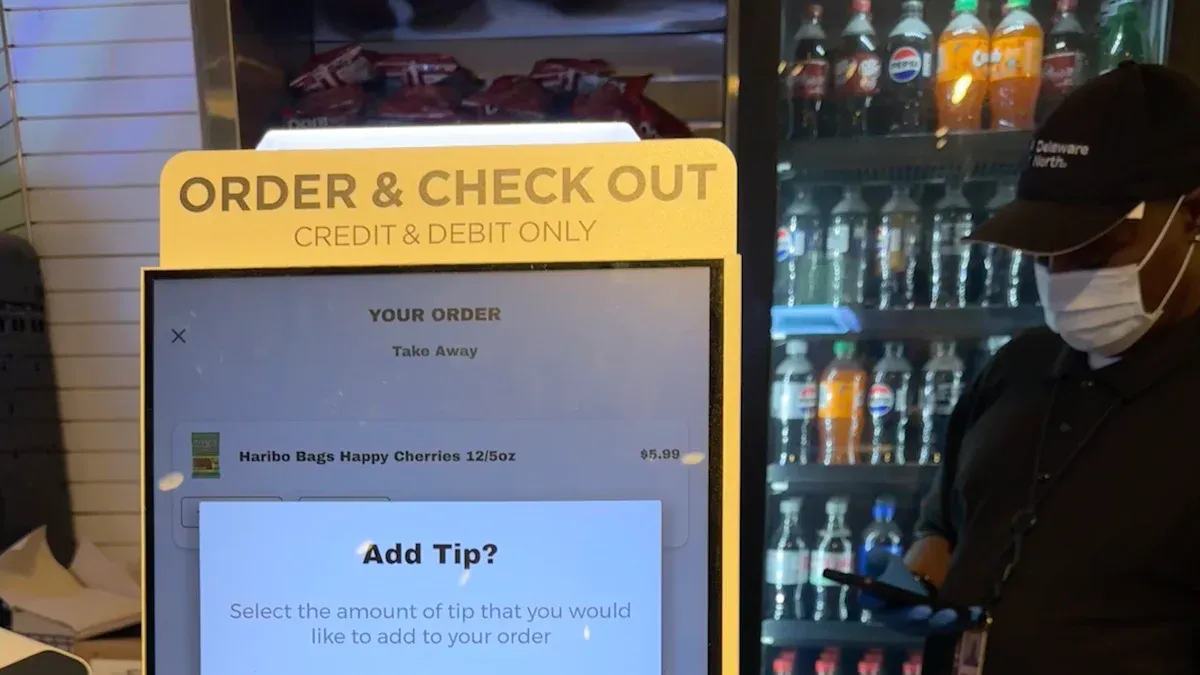
Frictionless processing converts operational delay into free time by removing physical stops across key terminal touchpoints. Modern airports replace slow queues with automated systems. Passengers often manage heavy luggage, identity documents, and payment steps simultaneously. These manual steps create high stress during travel.
Modern self-service technology resolves these bottleneck issues directly. Biometric identification and automated boarding gates clear travelers faster. These innovations elevate the overall passenger experience. Furthermore, removing physical stops gives people extra time in departure lounges. Travelers spend this newly reclaimed time at retail hubs. Ultimately, seamless frictionless checkout solutions drive higher terminal concession revenue while transforming how terminal managers control passenger flow.
Key Takeaways
Biometric bag drop kiosks swap out slow paper checks for quick digital scans.
Self-checking security lanes quickly move travelers through without needing paper tickets.
Easy checkout store technology gets rid of waiting lines and increases airport sales.
Mobile pre-ordering lets travelers buy food early so they can skip the lines.
Real-time information tools allow airport leaders to manage passenger flow and make air travel faster.
Transforming the Passenger Experience at Check-In
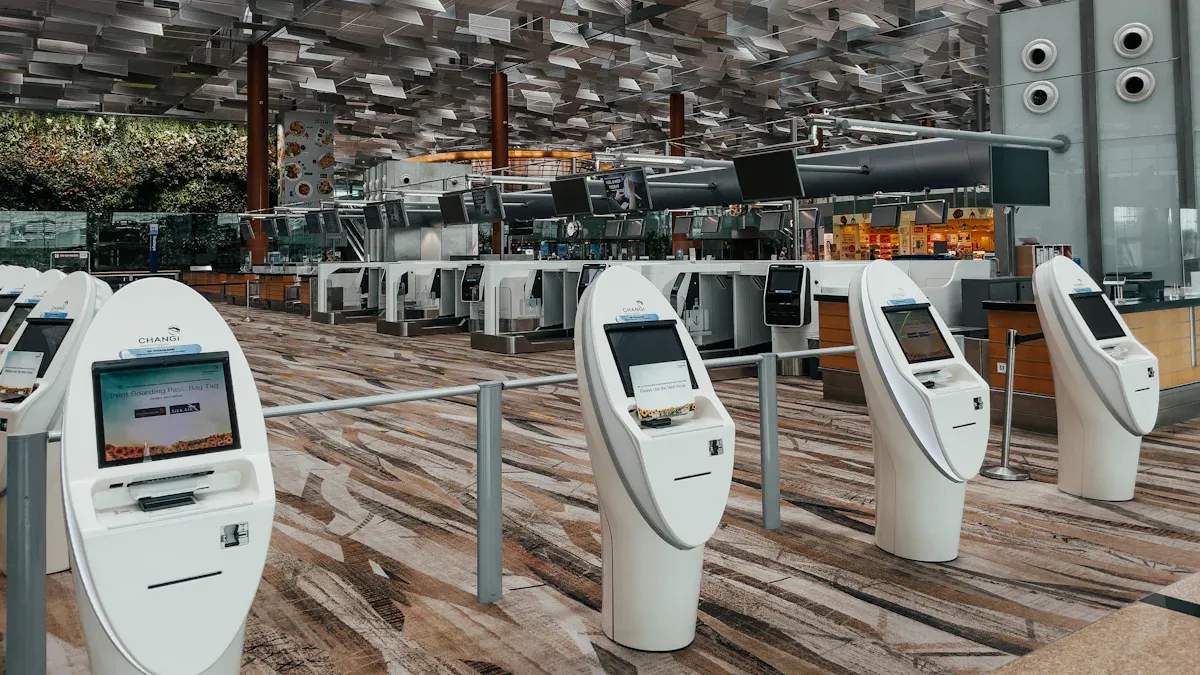
Airports face severe congestion at landside entry points every day. Travelers arrive at departure halls carrying heavy luggage, printed tickets, and passports. Managing these physical items simultaneously creates high cognitive load for incoming individuals. Handling multiple documents causes immediate confusion near busy entrance doorways. Passengers often stop in high-traffic zones to locate missing paperwork. These constant physical stops create long queues and slow down terminal operations significantly.
Biometric Verification at Bag Drop
Modern self-service bag drop solutions directly resolve landside bottleneck issues. Automated check-in terminals grant complete autonomy to travelers during initial check-in. Passengers scan their passports and print luggage tags without standing in slow lines. Biometric cameras capture facial imagery at the drop station to verify identities instantly. These systems link physical luggage directly to digital passenger profiles. This automation clears terminal concourses and eliminates physical congestion in check-in halls.
Method | Typical Check-in Time Unit |
|---|---|
Traditional Staffed Counter | Minutes |
Self-Service Bag Drop | Seconds |
As shown above, automated kiosks finish processing much faster than manual counters. Staffed desks measure transaction durations in minutes, but automated bag drop units finish identical tasks in seconds. Biometric verification increases operational throughput across landside zones. Automated systems handle high passenger volumes efficiently. Aviation authorities use biometrics to reduce physical friction during initial processing. Airport managers reassign airport staff from manual processing desks to customer assistance roles. This smart shift improves passenger experience standards while keeping high processing speeds across the check-in area.
Enabling Frictionless Travel from Curb to Gate
Biometric journeys transform how travelers move through terminal infrastructure. Airport operators replace physical queue lines with virtual queuing tools. Passengers schedule specific check-in time slots on mobile devices before arriving at the airport. This scheduling system balances terminal traffic throughout peak operational hours. Furthermore, off-site luggage processing facilities enable true frictionless travel. Passengers drop heavy luggage at off-site transit hubs, hotels, or train stations. Logistics teams transport these bags directly to the aircraft cargo hold.
Travelers walk directly from terminal curbs to security checkpoints without carrying large suitcases. Unencumbered passengers move freely through commercial zones. Removing heavy baggage eliminates physical barriers along terminal corridors. Furthermore, clear pathways create a seamless experience for every passenger. Travelers navigate departure halls without searching for physical check-in kiosks.
Integrated biometric verification systems connect every landside system into one digital framework. These touchpoints recognize passenger identities automatically as travelers walk toward security zones. Modern technology creates continuous movement across departure halls. Automated infrastructure establishes efficient travel paths from initial curb arrivals to departure gates.
Accelerating Security and Identity Clearance
Automated Biometric Screening Lanes
Security checks used to create big delays for airline passengers. Today, modern airports use electronic gates with special cameras to replace manual paper checks. These clear cameras scan facial features as people walk up to the entrance. The smart system checks these pictures right away against secure flight records. Automatic gates open quickly for every verified person. This quick check speeds up identity reviews and gets rid of long lines at security doors.
Special lanes break security steps into several fast-moving rows. Many travelers can unload their personal items at the same time using separate bin stations.
Traditional Lanes: Single lines where one slow person delays everyone behind them.
Automated Biometric Lanes: Side-by-side loading spots that let fast travelers go past slower people.
This side-by-side setup stops annoying delays at busy security checkpoints. Fast conveyor belts send empty bins back to the front without extra help. Security guards can focus on real safety risks instead of checking paper tickets. This smart change moves people faster while keeping the airport safe. Top airports update their screening areas so they can easily handle huge crowds.
Digital Identity and Touchless Processing
Digital ID programs replace real passports and paper flight passes at security gates. Smart camera systems compare live photos with safe digital passes saved on phones. Passengers enjoy smooth travel without digging through their hand luggage for paper documents. Main computer networks check security passes in real time across connected data systems. Smart tools read ID information constantly so travelers can keep moving along.
Hands-free processing keeps people healthy while speeding up identity check times. Passengers pass through security spots without touching public counter surfaces or shared ticket readers. Smart sensors check ID passes while people walk normally down the screening path. Clear digital screens show personal flight details to help travelers find their gates easily.
Also, safe computer networks lock up personal data to protect private user information. Modern airports install these linked ID systems to remove extra line stops. Faster identity checks send people into the main flight areas much quicker. In the end, easy ID checks make the whole flight experience better for every traveler.
How Frictionless Checkout Enhances Terminal Retail
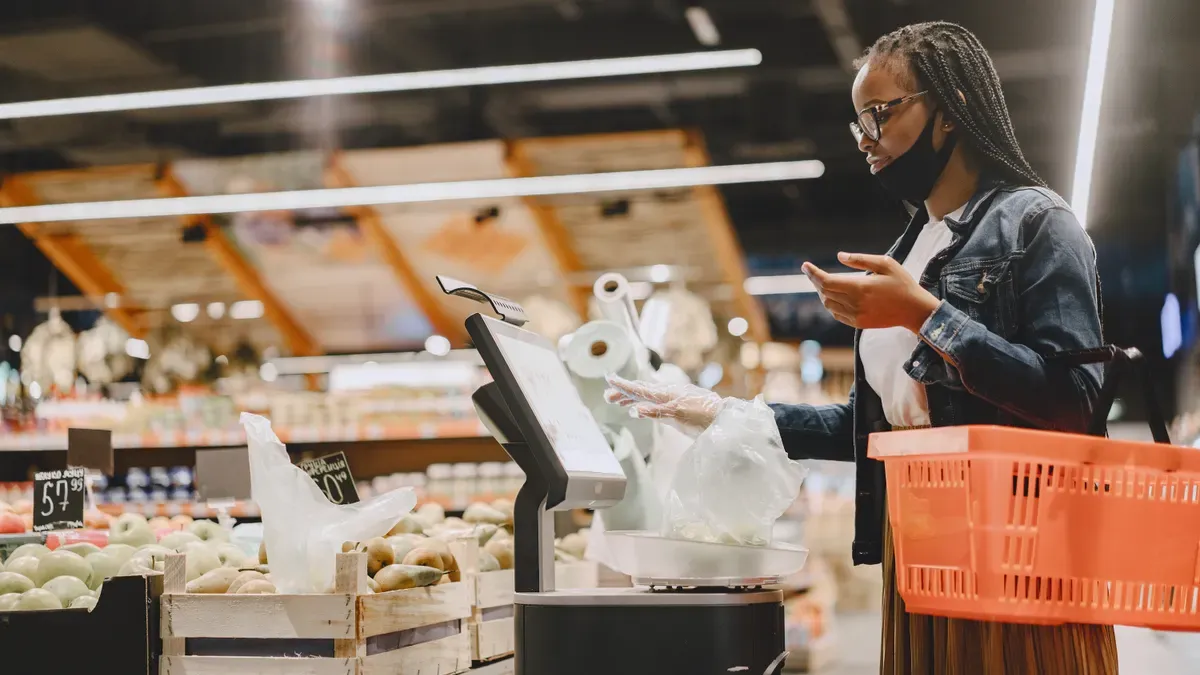
Eliminating physical store queues transforms commercial operations across departure lounges. Rushed passengers grab food, drinks, and essential travel supplies without waiting in payment lines. Advanced sensors track items automatically when shoppers select goods from display shelves. Travelers leave stores directly because payment systems charge digital accounts automatically.
Just-Walk-Out Stores and AI Marketplaces
Modern computer vision systems replace cash registers in autonomous retail locations. Cameras identify every item that customers remove from store display racks. Digital cart systems process items instantly without cashier intervention. Passengers complete retail transactions while walking out of store exit doors.
Removal of checkout lines reduces physical bottlenecks inside narrow concourse hallways. Traditional retail designs waste floor space on physical queue corridors and register counters. Autonomous layouts eliminate physical cash registers. Stores gain valuable retail footprint for expanded inventory options.
A major store implementation at Fort Worth Airport highlights the financial power of frictionless checkout. This AI-powered travel location achieved a 91% customer conversion rate during its first six months of operation. Almost every entering visitor purchased travel items. High conversion rates generate higher non-aeronautical revenue for terminal operators. Reclaimed dwell time encourages shoppers to browse longer in retail zones. Increased dwell times boost overall concession revenues directly.
Contactless Dining and Mobile Pre-Orders
Digital technology streamlines food service across busy terminal halls. Restaurant kitchens process orders faster when patrons use mobile ordering platforms. Travelers order meals on personal smartphone devices during transit through security checkpoints. Kitchen staff prepare dishes before customers reach food court counters. Diners collect pre-ordered meals quickly without standing in long counter queues.
Service Type | Current Adoption Rate | Future Willingness Rate |
|---|---|---|
Pre-order food/drink for restaurant pickup | 6% | 66% |
Delivery to the gate | 9% | 62% |
Increased spending likelihood if mobile pre-ordering is available | N/A | 37% |
Current adoption figures show significant growth potential for dining services across global airports. Mobile pre-ordering apps deliver high operational efficiency to terminal restaurants. Passengers gain complete control over meal schedules before flight departure times. Travelers order food delivery directly to departure gates while awaiting boarding calls. Gate delivery eliminates long walks back to central food courts.
Enhanced mobile dining options increase consumer spending in food zones. Passengers spend more money on concessions when mobile pre-ordering removes physical lines. Convenience factors encourage repeat purchases from travel outlets.
Airports deploy integrated digital marketplace platforms across concourse retail networks. Unified digital ordering systems link terminal restaurants, specialty stores, and duty-free shops together. Central software applications manage delivery dispatchers, kitchen notifications, and payment processing steps simultaneously. Operations personnel monitor passenger order volumes through centralized control displays. Fast order fulfillment keeps airport corridors clear of waiting crowds. Unified retail platforms optimize commercial throughput across every terminal touchpoint. Modern digital platforms raise retail performance standards while improving every travel journey.
Building a Connected Airport Experience
Optimizing Flow with Passenger Analytics
Central data engines analyze movement patterns across terminal spaces. LiDAR sensors and stereo cameras track crowding levels live. These smart tools map traveler numbers along shopping hallways and waiting areas. Analytics software spots long lines before delays mess up airport schedules. Control centers get quick alerts when crowd risks pop up near gates.
Operations teams send extra staff to busy areas using live heatmaps. Terminal managers open more security lanes fast during sudden arrivals. Automated systems guess shopping needs by watching walking speeds near store entrances. Data tools turn physical traveler movement into helpful workplace decisions. This steady tracking provides a smooth, easy trip for every passenger.
Unifying Operational Infrastructure and Systems
Modern airports link landside, airside, and store operations into one digital network. Older terminals often use separate software tools for security, bags, and shops. Unified platforms share live updates with all airport teams at once. Flight delays send instant updates to store systems and security checkpoints. Ground crews change gate assignments quickly without slow phone calls.
Linked digital platforms share security wait times, store stock, and flight schedules on one live computer screen.
A fully connected smart airport links airline data directly with shop networks. Automatic messages tell travelers about new gates and nearby food options on their phones. Stores update worker schedules easily when incoming flights land early. Smooth teamwork speeds up terminal movement while lowering traveler stress. Unified systems turn modern airports into fast, highly helpful travel hubs.
Eliminating payment and identity bottlenecks yields immediate dual benefits for global terminal operators.
Modern airports remove physical queues to elevate overall satisfaction across every passenger journey. Faster clearance steps give travelers extra free time inside departure lounges. Consequently, relaxed passengers spend more money on food, drinks, and retail goods. Connected technologies now unify landside, airside, and commercial operations into a single autonomous travel hub. Forward-thinking airport stakeholders must adopt automated identity tools and frictionless checkout frameworks today. Deploying these unified systems future-proofs terminal infrastructure and unlocks maximum non-aeronautical revenue growth. Ultimately, every smart airport transforms legacy operational delays into smooth, highly profitable terminal outcomes.
FAQ
How does frictionless checkout increase retail revenue in departure lounges?
Removing shop lines lets busy travelers buy goods fast. Smart tools bill online accounts automatically when guests leave. Extra free time helps people shop more. This easy process raises store profits for big airports.
What technologies enable touchless identity clearance at security?
Digital gates use special cameras to check faces right away. Computer networks match live pictures to flight passes without paper. These linked setups speed up identity checks while keeping terminals safe.
How do mobile pre-ordering tools improve airport dining efficiency?
Travelers order food using phones while walking through security. Kitchen workers make meals before guests reach store counters. People grab their pre-ordered food quickly without waiting in lines.
How much time do automated self-service kiosks save during bag drop?
Normal check-in desks take minutes for each person. Automatic bag drop spots do the same work in seconds. Special cameras connect bags to digital profiles fast, clearing crowded halls.
See Also
Tracing The Historic Journey And Future Of Automated Retail Checkout
Analyzing The Major Pros And Cons Of Walgreens Self Checkout
How Cloudpick Systems Revolutionize Retail Efficiency And Customer Satisfaction Levels
Solving Common Cash Register Payment Mistakes For Seamless Retail Shopping
Transforming Your Local Business With Advanced Cloudpick Cashierless Store Technology
