How autonomous stores enable new revenue models in Airports & transportation hubs

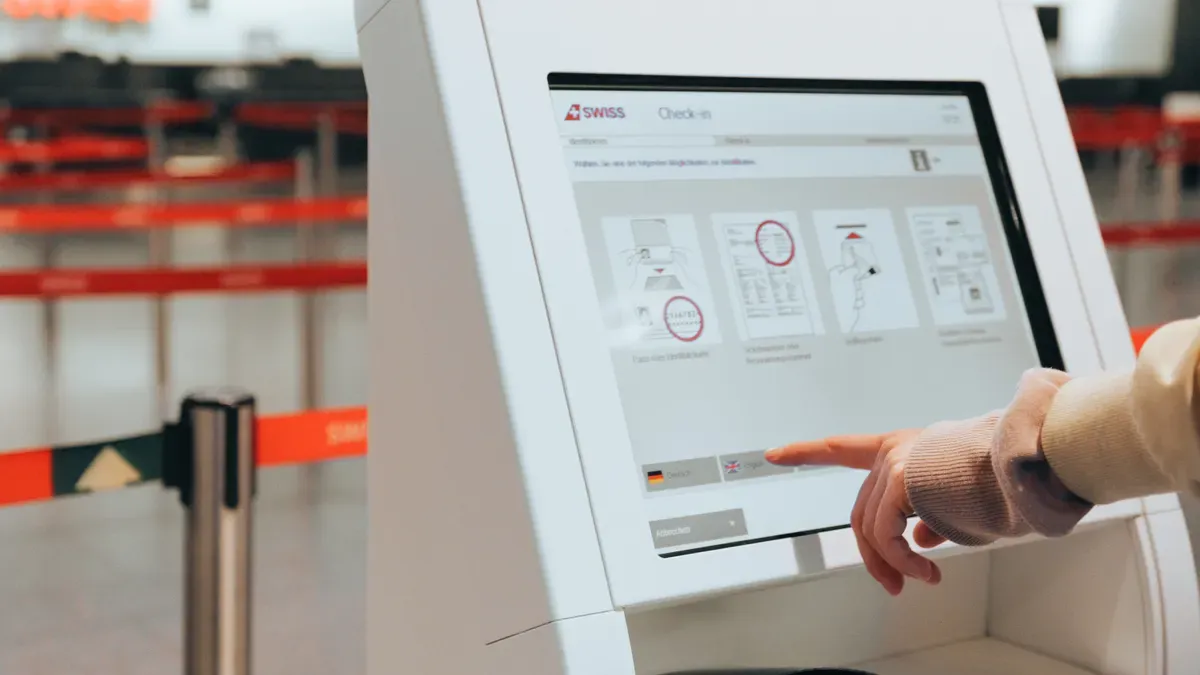
You can unlock hidden new revenue streams across modern transportation hubs today. Advanced technology shifts how leading airports capture maximum commercial value from passenger traffic. By replacing legacy storefronts with dynamic autonomous stores, you instantly convert underutilized square footage into high-yield assets.
Autonomous micro markets deliver speed and seamless convenience to hurried travelers around the clock.
These automated solutions boost total non-flight revenue while driving up average spend per visitor. They elevate the overall customer experience through effortless shopping.
Evolving mobility networks, such as robotaxi choices, bring fresh travelers directly to major airports. Deploying autonomous micro markets modernizes the entire airport retail economy. You capture spend during off-peak hours while generating steady commercial revenue. Linking smart automated retail with modern transportation infrastructure, including integrated robotaxi hubs, guarantees lasting success.
Key Takeaways
Autonomous micro markets transform unused airport spaces into profitable retail spots quickly.
24/7 automated shopping captures extra sales from late-night travelers without adding staff.
Line-free shopping saves time and encourages hurried passengers to make quick impulse buys.
Smart AI displays boost sales by showing targeted ads and personalized product suggestions.
Monetizing Unused Real Estate in Airports
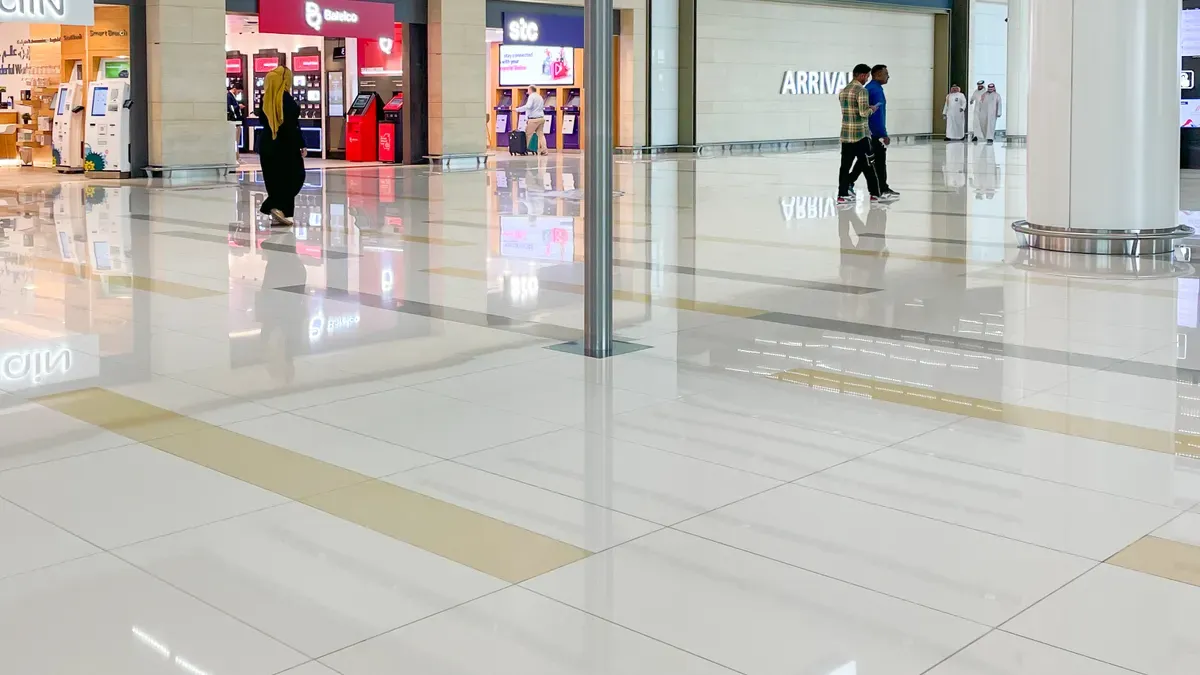
Transforming Dead Zones into Micro-Retail Outlets
Modern airports contain vast architectural dead spaces. Long corridors, passenger waiting areas, and unused alcoves cost money without generating cash flow. You can convert these structural dead zones into profitable points of sale using modern retail infrastructure. Autonomous micro markets require footprints as small as 50 square feet.
Compact autonomous micro markets eliminate traditional cashier counters, maximizing available shelf space in tight transit zones.
You can install self-service kiosks and automated hardware directly alongside major foot-traffic paths. Placing autonomous micro markets near high-volume mobility corridors allows travelers to grab essential items instantly. This smart technology captures immediate retail sales from people walking to their departure gates.
Real Estate Type | Traditional Retail Need | Autonomous Store Need |
|---|---|---|
Gate Lounge Alcoves | 300+ sq ft + Cashier | 50–100 sq ft (Fully Automated) |
Connective Corridors | Not Viable | High-Yield Kiosks Pods |
Drop-Off Plaza Access | High Staffing Costs | Unmanned Self-Service Kiosks |
These unmanned kiosks capture steady shopping revenue from daily commuters. Passengers enjoy frictionless shopping near transit pickup areas, including active robotaxi hubs. Integrating robotaxi services with automated retail kiosks helps you monetize high-volume mobility hubs smoothly.
Deploying Flexible Gate-Side Pop-Up Stores
Seasonal flight schedules alter passenger flows throughout the year. Static storefronts fail to adapt to these rapid terminal traffic shifts. Modular autonomous micro markets solve this real estate challenge. You can rapidly deploy modular kiosks to busy gates during peak travel periods.
Flexible autonomous micro markets give you full operational agility across changing terminal layouts.
You can relocate these mobile units in hours without expensive structural construction. Moving standalone robotaxi loading zones or shifting gate assignments no longer disrupts your commercial strategy. Modern transportation operators use advanced technology to align retail supply directly with real-time passenger demand.
Unmanned robotaxi drops generate localized crowd surges outside baggage claim. You can place pop-up robotaxi retail units near dedicated robotaxi pick-up areas. Arriving passengers leaving robotaxi vehicles access fast grab-and-go options immediately. Synchronizing autonomous store placements with robotaxi routes creates smooth seamless consumer journeys. Connecting robotaxi terminals with modular automated kiosks unlocks fresh commercial revenue across your facility.
Capturing 24/7 Spend from Travelers
Monetizing Off-Peak and Overnight Flight Windows
Legacy airport stores close early due to high late-night staffing costs. Shutting retail doors leaves significant revenue on the table. Autonomous micro markets solve this operational bottleneck instantly. You can keep automated kiosks open 24/7 without increasing labor budgets.
Continuous automated retail turns late-night delays into immediate retail sales.
Overnight travelers often search for snacks, electronics, and hygiene supplies. Automated retail units serve these weary travelers during midnight layovers. You capture high-margin purchases while legacy retail tenants remain dark.
Late-Night Revenue Formula:
Total Revenue = Overnight Travelers x Conversion Rate x Average Basket Size
Connecting your automated retail systems with regional mobility networks enhances late-night sales. Arriving passengers frequently step off late-night flights directly into dedicated robotaxi pick-up zones. Automated kiosks near these robotaxi areas offer quick shopping before travelers enter their autonomous vehicles. Travelers complete fast purchases in seconds while waiting for their robotaxi ride. Modern airports maximize total passenger spend around the clock by combining robotaxi services with continuous automated retail.
Serving Transit Workforce and Off-Hour Commuters
Airports and transportation hubs house massive shift workforces. Airline crews, security personnel, and facility staff work demanding off-hour shifts. These essential workers need reliable retail access during non-traditional hours. Autonomous micro markets provide uninterrupted shopping access for your entire airport team.
24/7 Access: Staff members buy fresh meal options during late-night breaks.
Frictionless Entry: Badge-tap payments let shift workers enter and exit instantly.
Targeted Inventory: Automated systems stock items tailored specifically for daily staff routines.
Off-hour commuters relying on local mobility networks also benefit from round-the-clock access. Passengers riding early-morning robotaxi services need fast caffeine and breakfast items before check-in. Placing autonomous micro markets directly along major transit walkways captures steady morning purchases from these early commuters. Modern robotaxi services drop travelers right near your automated storefronts. Integrating robotaxi access routes with smart micro markets helps you convert transit customers into reliable daily shoppers. Your hub delivers total convenience while maximizing continuous retail yield.
Boosting Passenger Spend with Autonomous Stores
Eliminating Queues to Drive Impulse Purchases
Time pressure directly suppresses passenger spending across major transit hubs. Hurried travelers constantly monitor flight boarding times and gate changes. Traditional checkout lines create severe friction for these rushed visitors. Travelers abandon high-margin retail items when they see long queues. You eliminate this major obstacle by deploying modern autonomous stores.
Frictionless checkout-free shopping removes waiting lines completely. Travelers grab grab-and-go items, walk out, and instantly complete their transactions.
Speed unlocks high-yield impulse purchases. Travelers gain complete confidence when shopping under tight schedules. They enter autonomous micro markets, select premium snacks or travel accessories, and leave in seconds. Computer vision technology tracks every item selected automatically.
Passenger Spend Formula:
Average Passenger Spend = Base Purchase Intent + (Time Saved x Impulse Propensity)
By enabling swift cashier-free transactions, you remove anxiety from the retail experience. Passengers convert dwell time into instant retail revenue. An upgraded shopping flow transforms casual window shoppers into active buyers across crowded concourses.
Retail Metric | Traditional Airport Retail | Autonomous Retail Stores |
|---|---|---|
Average Transaction Time | 3 to 5 Minutes | 10 to 15 Seconds |
Queue Abandonment Rate | High (15% - 25%) | Virtually 0% |
Peak Hour Throughput | Limited by Cashier Speed | Scalable Vision Tracking |
Speed drives remarkable bottom-line gains. Airports increase non-aeronautical revenue per traveler by removing payment bottlenecks. Seamless convenience encourages travelers to make last-minute purchases right before boarding.
AI-Driven Personalization and Dynamic Revenue Sharing
Artificial intelligence transforms simple retail layouts into highly profitable retail engines. Advanced sensors continuously collect operational data from every customer interaction. You use real-time data to adjust product assortments based on active flight destinations, weather shifts, and time of day.
Autonomous micro markets gather critical data to optimize daily inventory density. Intelligent shelves detect inventory movement instantly. Smart systems trigger automated restock alerts before high-demand items run out.
Inventory Turnover Ratio = Total Goods Sold / Average Inventory Value
AI-powered digital screens display customized recommendations to shoppers. These smart displays deliver personalized experiences directly to travelers standing near interactive product shelves. For example, the system suggests portable chargers to travelers boarding long international flights.
AI Personalization Workflow:
[Traveler Entry] -> [Sensor Data Capture] -> [Real-Time Data Processing] -> [Personalized Displays]
Tailored cross-selling maximizes average basket sizes effortlessly. Smart algorithms present complementary items, encouraging customers to add premium products. Delivering personalized experiences transforms standard airport retail into a dynamic service environment. Operators leverage data-driven insights to refine product placements continuously. These data-driven insights ensure that every product on display generates maximum cash flow.
Dynamic Shared Revenue Yield = Base Rent + (Gross Sales Volume x Performance Tier %)
Modern technology also enables flexible dynamic revenue-sharing models between airport operators and concessionaires. Landlords monitor performance metrics through centralized software dashboards. Real-time data streams provide full transparency into sales velocity and inventory turnover.
CONCESSIONAIRE REVENUE-SHARING MATRIX
[High Sales Volume] ---> Increases Revenue Share % for Operator
[Targeted Merchandising] ---> Boosts Overall Footprint Profitability
Concessionaires gain lower overhead costs, while airports capture higher sales percentages from top-performing spaces. This shared alignment strengthens the overall airport retail economy. Deploying autonomous micro markets creates an agile, scalable commercial ecosystem. You capture maximum traveler spend while driving long-term profit margins across all facility terminals.
Enhancing the Convenience and Retail Experience
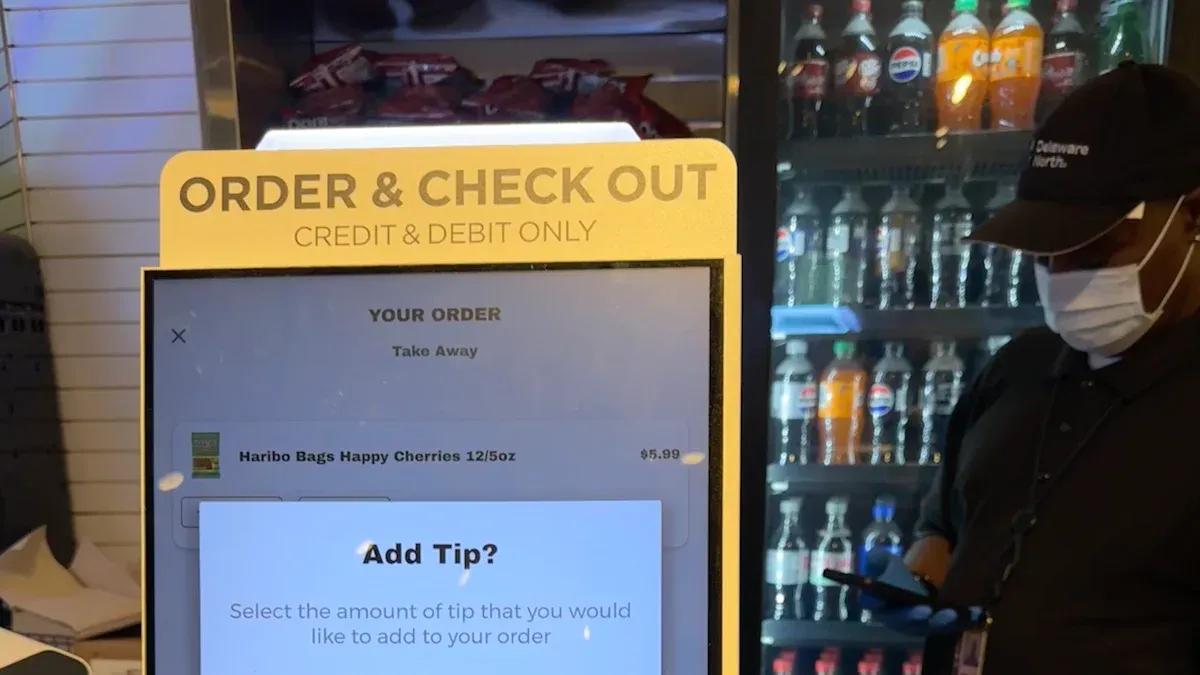
Expanding Retail-as-a-Service Footprints
You can expand retail presence rapidly without building costly traditional physical storefronts. Retail-as-a-Service platforms allow third-party brands to launch flexible products inside autonomous micro markets quickly. Passengers enjoy a friction-free experience while exploring curated items from top brands.
Integrating checkout-free shopping technology elevates the total customer experience instantly. Rushed travelers make fast impulse purchases during brief transit windows. Advanced connectivity and real-time data streaming power these modern storefronts across dynamic transportation hubs.
Total Retail Margin = Direct Product Sales + Plug-and-Play Partner Fees
However, terminal operators face distinct operational obstacles when deploying smart retail spaces into aging infrastructure.
Category | Specific Operational Challenges |
|---|---|
Financial & Staffing Pressure | High rental and running expenses, coupled with extended store operating hours and complex staff onboarding due to background checks. |
Logistics & Security Constraints | Strict security rules, additional product screening requirements, and complex delivery/replenishment scheduling within secure areas. |
Technical & Infrastructure Barriers | Outdated wiring and spotty connectivity in legacy terminals, requiring investment in private wireless networks to support real-time data flows. |
Modern airport retail operations also suffer from legacy software limitations:
Legacy store systems operate independently, leading to delayed operational reporting.
Fragmented software causes redundant workflows and higher effort during financial reconciliation.
Unintegrated technology stacks increase total operating costs and create revenue leakages.
Solving these tech barriers unlocks massive growth opportunities. Modern autonomous micro markets connect directly with local mobility services. Arriving travelers riding robotaxi vehicles seek rapid access to local goods. You can place automated kiosks right outside dedicated robotaxi drop-off points. Passengers exiting a robotaxi tap their phones, grab items, and continue seamlessly. Synchronizing robotaxi services with smart hardware turns quick visits into valuable transactions. Connecting robotaxi terminals directly with shopping kiosks delivers extreme convenience for busy commuters.
Monetizing In-Store Retail Media and Digital Ads
Smart autonomous displays turn everyday retail spaces into profitable ad channels. You transform high-traffic walkways into continuous digital media streams. HD screens capture passenger attention near high-volume transit areas.
AI algorithms process real-time data to serve targeted digital ad impressions dynamically.
Interactive screens present personalized experiences based on active mobility flows and flight departure schedules. Travelers waiting near gate areas see relevant promotional messaging.
Ad Yield Revenue = Display Impressions x Target Segment Multiplier
System sensors analyze customer interaction data securely without capturing private personal identifiers. Marketers gain granular data-driven insights into customer shopping engagement and viewing times. Modern airports monetizing digital ads unlock high-margin media revenue effortlessly.
Connecting ad screens with local mobility networks boosts impression value. Passengers step out of an autonomous robotaxi and view targeted ads instantly. Digital kiosks display dynamic messages tailored to arriving robotaxi commuters.
ROBOTAXI AD WORKFLOW
[Robotaxi Arrival] ---> [Sensor Triggers Kiosks] ---> [Targeted Digital Ad Display]
Smart screens guide incoming passengers to nearby stores, increasing total retail sales. Integrating local robotaxi networks with smart advertising boosts engagement across your entire facility. You elevate the overall shopping experience while capturing steady advertising revenue around the clock.
Deploying autonomous stores shifts transportation retail from static storefronts to dynamic, scalable revenue generators. Modern technology boosts spend from hurried travelers while reducing your daily operating costs across busy airports. Connecting automated pods with smart mobility networks, like dedicated robotaxi drop-off points, prepares your facility for the airport of the future.
This smart ecosystem transforms the entire airport retail economy and elevates the overall customer experience.
Arriving travelers stepping out of a robotaxi expect instant, queue-free purchasing options.
Conduct a comprehensive footprint audit across major airports today.
Identify prime candidate dead zones for automated micro-market deployments.
Take action today to unlock hidden commercial yield!
FAQ
How do autonomous stores increase passenger spending in airports?
You eliminate waiting lines completely. Hurried travelers make fast impulse buys before boarding. Smart inventory systems stock high-demand products using real-time operational data. Speed transforms stress into immediate sales, maximizing non-aeronautical revenue across all your terminals.
What real estate footprints do autonomous micro markets require?
You can deploy these units in spaces as small as 50 square feet. These compact footprints convert unused dead zones, walkways, and gate areas into high-yield retail points. You easily monetize low-traffic architectural spaces without costly construction.
How do smart retail units integrate with robotaxi arrivals?
You place automated kiosks right near dedicated robotaxi pickup lanes. Arriving commuters enjoy seamless grab-and-go shopping before entering their vehicles. This setup offers total convenience while connecting your physical stores directly with modern transportation networks.
How do self-service outlets improve the retail experience during off-peak hours?
You keep stores open 24/7 without extra labor costs. Overnight travelers grab snacks and electronics during late-night delays. Furthermore, sensors analyze customer interaction data to optimize product placement. This approach elevates the passenger experience during every flight window.
Can you connect digital ad networks to robotaxi drop-off points?
Yes. Dynamic screens display targeted ads to passengers exiting a robotaxi ride. You trigger real-time messages based on flight schedules and local commuter traffic, capturing immediate ad revenue around the clock.
See Also
Reasons Next Generation Artificial Intelligence Retail Stores Will Dominate Tomorrow
Comparing Global Unmanned Micro Markets Against Automated Smart Shopping Locations
Smart Combination Vending Units Offer Tremendous Advantages For Businesses
How Industrial Storage Containers Become Vibrant Urban Gathering Places
The Incredible Growth Of Continuous Self Service Automated Coffee Shops
