What Regulations Apply to Smart Retail Technology in Airports?

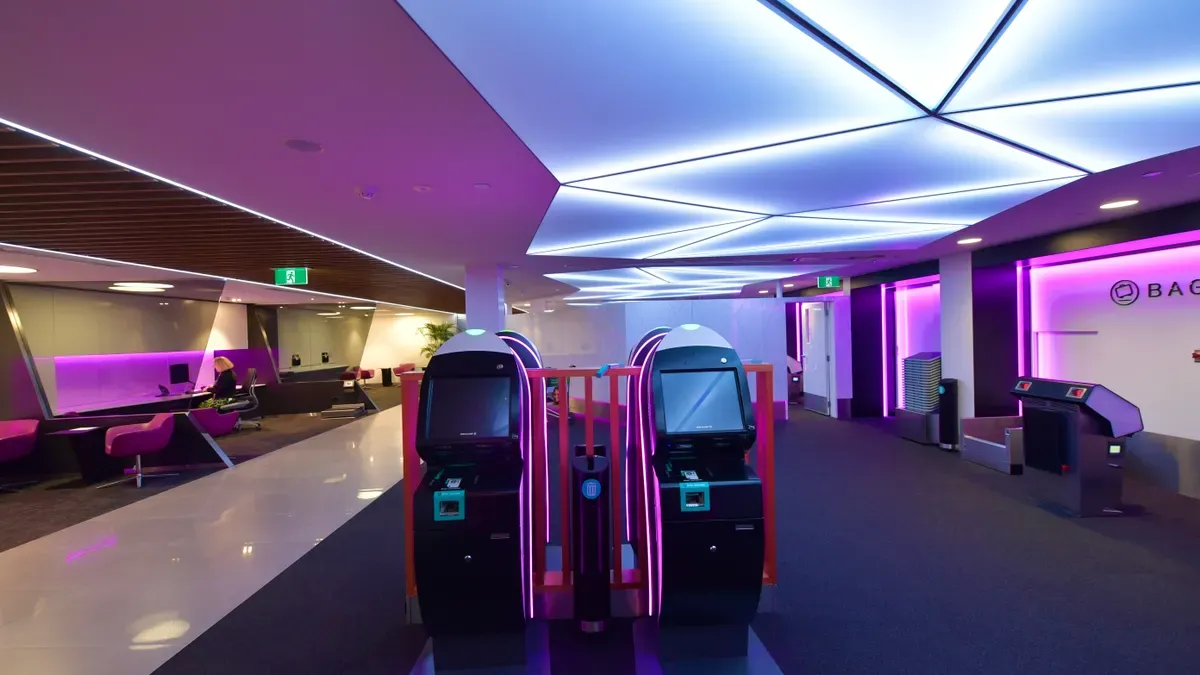
Smart retail technology in airports falls under four main rule groups: data privacy, security, consumer protection, and airport-specific rules. Key laws and standards include GDPR, CCPA, TSA directives, 49 CFR 1542, PCI DSS, 14 CFR Part 139, and concession agreements. Airports are special places. They mix federal security zones, international travelers, and private retail operators. Many layers of rules apply at the same time. These overlapping rules create a complex landscape for operators. The compliance requirements for airport smart stores – scenario [commercial] vary by location and vendor. Each group has real examples and useful compliance tips for businesses.
Key Takeaways
Smart stores in airports have to follow four sets of rules: data privacy, security, consumer protection, and rules just for airports.
Data privacy laws like GDPR, CCPA, and BIPA require clear consent, data minimization, and opt-out options for travelers.
Security rules under 49 CFR 1542 and cybersecurity standards like NIST and ISO 27001 require access control, network segmentation, and regular audits.
Payment systems have to follow PCI DSS rules, and kiosks must meet access standards under the ACAA.
Concession agreements and local ordinances control technology choices, data sharing, and design standards, so get approvals in writing.
Data Privacy Rules in Airports
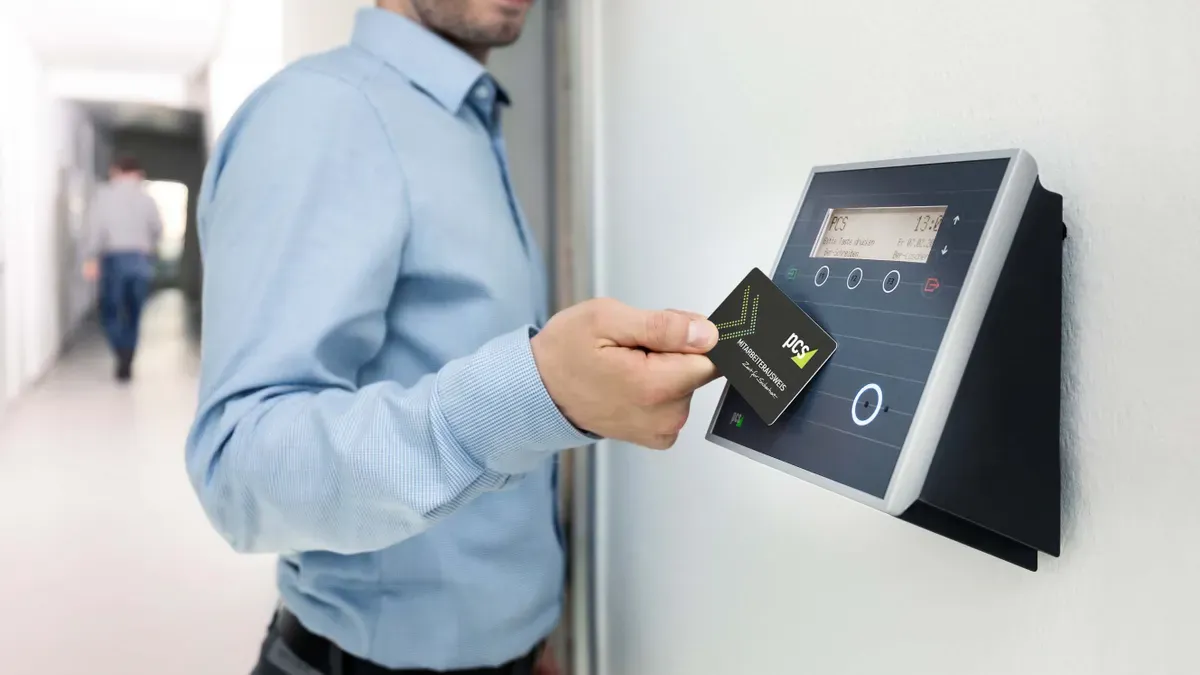
Travelers go through many places with different laws during one trip. Each place has its own privacy rules. Smart retail systems must follow all of them at the same time.
GDPR and CCPA for Airport Retail
The General Data Protection Regulation (GDPR) protects people in the European Union. It applies to any airport that serves EU travelers, even inside the United States. A store cannot collect personal data without a lawful reason. GDPR requires clear consent, data minimization, and the right to deletion. A traveler can ask a shop to erase purchase history or loyalty records. The shop must obey.
The California Consumer Privacy Act (CCPA) covers California residents. It requires disclosure of collection practices and gives opt-out rights. CCPA applies to businesses with more than $25 million in revenue or more than 50,000 customers per year. A smart kiosk in a California airport falls under this law when it profiles shoppers.
These two laws create a patchwork. A single retail operator in a major hub may need to satisfy both. Consent notices must appear in plain language. Shoppers need a clear way to say no.
Biometric Data and Facial Recognition
Facial recognition and other biometrics raise the highest stakes. Illinois passed the Biometric Information Privacy Act (BIPA), which requires written informed consent before collection. BIPA also defines retention schedules and creates a private right of action. That means individuals can sue directly without proof of actual damages, as the Rosenbach v. Six Flags decision confirmed. BIPA prohibits selling, leasing, or profiting from biometric data.
Jurisdiction | Consent/Opt-Out Requirement | Key Details |
|---|---|---|
Illinois BIPA | Written informed consent before collection | Prior notice and explicit written consent; private right of action without proof of actual damages |
GDPR (Europe) | Explicit consent, data minimization, right to deletion | Right to erasure; challenges with meaningful consent in public spaces |
CCPA (California) | Disclosure and opt-out rights | Applies to businesses with >$25M revenue or >50,000 customers/year |
Congress has proposed a ban on TSA facial recognition screening until oversight exists. This proposal signals growing scrutiny. Retail biometric analytics could face similar restrictions. Operators using biometric access control or biometric kiosks should prepare for tighter rules.
Compliance tips for any airport retailer:
Post clear consent notices before any biometric capture.
Collect only the data needed for a specific purpose.
Offer simple opt-out mechanisms at every touchpoint.
Document retention schedules and deletion procedures.
These steps protect travelers and reduce legal risk. They also build trust with a global audience.
Security Rules for Airport Retail
Airports operate like a city inside a fence. Federal agencies, local law enforcement, airlines, concessions, cargo operators, and private contractors share the same critical infrastructure. Each group maintains its own HR systems, credentialing workflows, and training requirements. These parallel processes feed into the same doors and secure perimeters. At a single access point, a jet bridge door might see airport operations staff, airline crew, cleaning contractors, catering vendors, and TSA inspectors in a single hour. When every population uses a different badge format, portal, or approval chain, consistent identity verification becomes almost impossible. This context matters for smart retail deployments because retail teams and concessions must comply with access control, identity assurance, and audit trail requirements, even though the regulation does not provide specific security rules for smart retail technology itself.
TSA Directives and 49 CFR 1542
49 CFR Part 1542 serves as the core security regulation for airport operators. It requires airports to control entry to secured areas, the Security Identification Display Area (SIDA), and the Air Operations Area (AOA). It also demands prevention and detection of unauthorized presence within secured zones. Every commercial airport must define and protect specific security zones. Each zone carries different rules for who can enter, how they are credentialed, and the level of monitoring required.
Requirement under 49 CFR Part 1542 | Description |
|---|---|
Control entry to secured areas | Airports must control entry to secured areas, SIDA, and the AOA. |
Prevent and detect unauthorized presence | Airports must prevent and detect unauthorized presence within secured zones. |
Define and protect security zones | Every commercial airport must define and protect specific security zones, including the AOA, Secured Area, SIDA, and Sterile Area. |
Different rules per zone | Each zone carries different rules for who can enter, how they are credentialed, and the level of monitoring and auditability required. |
Reliable identity assurance | Regulators expect reliable identity assurance for every person crossing secured boundaries. |
Robust audit trails | Airports must maintain robust audit trails showing who entered secured, SIDA, and sterile areas, not just badge numbers. |
Demonstrable accountability | Airports must demonstrate accountability for every person who crosses secured boundaries. |
14 CFR Part 139 also applies to airport certification and safety. This regulation intersects with retail deployment when smart stores introduce new equipment near runways or fueling areas. Operators must coordinate with airport authorities before installing any technology that could affect safety zones.
Cybersecurity Standards for Smart Stores
Smart retail systems depend on connected devices. Kiosks, RFID tags, and real-time tracking systems all communicate over networks. Each connection creates a potential entry point for attackers. The National Institute of Standards and Technology (NIST) provides a cybersecurity framework that many airports adopt. ISO 27001 offers another standard for information security management. Both frameworks emphasize risk assessment, access controls, and continuous monitoring.
An attacker who breaches a smart kiosk might reach broader airport networks. That scenario threatens airport security beyond the retail space. Operators must segment retail networks from operational systems. They should also deploy iot sensors with built-in security features. These iot sensors collect foot traffic and inventory data, but they also expand the attack surface. Each sensor needs authentication, encryption, and regular patching.
Threat detection becomes essential in this environment. Smart retail systems should include threat detection tools that monitor unusual activity. Another layer of threat detection watches for unauthorized access attempts. A third threat detection mechanism reviews network traffic patterns for anomalies. Together, these tools support end-to-end security across the retail operation.
An encrypted network forms the backbone of secure retail operations. All communication between kiosks, sensors, and backend systems should travel through this encrypted network. Real-time inventory management depends on reliable data flows, but those flows remain vulnerable without proper protection. Operators who build cyber resilience into their architecture recover faster from incidents. They also protect traveler data and maintain trust.
Retail operators should conduct regular security audits. They should test their systems against known attack methods. They should also train staff to recognize phishing attempts and other social engineering tactics. These practices strengthen the overall security posture and reduce risk across the airport environment.
Consumer Protection and Payment Rules

Smart retail payment systems must follow strict rules. These rules protect travelers and businesses. Payment security and consumer rights are the base of airport commerce.
PCI DSS and Payment Card Compliance
The Payment Card Industry Data Security Standard (PCI DSS) controls all payment transactions. Cashierless checkout systems, AI kiosks, and mobile payments all must follow this standard. Merchants must prove compliance based on yearly transaction volume. Level 1 merchants process over 6 million transactions each year and need an on-site audit by a Qualified Security Assessor. Level 2 merchants handle 1 million to 6 million transactions and complete a Self-Assessment Questionnaire. Level 3 covers 20,000 to 1 million transactions, while Level 4 applies to fewer than 20,000. Each level requires quarterly network scans by an Approved Scanning Vendor.
PCI Level | Annual Card Transactions | Required Validation |
|---|---|---|
Level 1 | 6 million+ | QSA audit producing a Report on Compliance |
Level 2 | 1 million to 6 million | Self-Assessment Questionnaire by an ISA |
Level 3 | 20,000 to 1 million | Self-assessment using the appropriate SAQ |
Level 4 | Fewer than 20,000 | Self-assessment using the relevant SAQ |
Point-of-sale systems in airport stores must protect cardholder data at every step. Encryption, access controls, and regular security testing are required. Contactless payment systems add convenience but also create new ways for attackers to get in. Operators must secure each payment pathway the same way.
Pricing, Advertising, and Disclosure Rules
The Federal Trade Commission (FTC) enforces consumer protection rules in all states. Pricing transparency is a core requirement. Stores cannot hide fees or lie about product costs. Advertising claims must match actual product performance. Refund policies must appear clearly before purchase. State laws add another layer of protection for travelers. Each state may impose stricter disclosure rules than federal standards.
Airport retail operators should display prices clearly. They should explain any dynamic pricing models in plain terms. They should also post refund procedures in visible locations. These practices build trust with international travelers who may not speak English as their first language.
Accessibility Requirements for Automated Kiosks
The Air Carrier Access Act (ACAA) sets specific accessibility requirements for automated kiosks. Airlines operating at U.S. airports with 10,000 or more yearly enplanements must comply. At least 25% of automated kiosks in each airport location must be accessible. This rule applies to every cluster of kiosks and all stand-alone units.
Accessible kiosks must provide all functions available on standard kiosks.
Passengers with disabilities receive priority access to accessible units.
Each accessible kiosk must display visual and tactile identification markers.
Kiosks must operate without requiring users to attach assistive technology.
Clear floor space must comply with section 305 of the 2010 ADA Standards.
Operable parts must follow section 309 standards, including tactile discernibility.
Self-service kiosks in airports must meet these standards. Ada-compliant machines ensure equal access for all travelers. Retail operators share liability with airlines for kiosk compliance. They must keep accessible units in proper working condition at all times.
These consumer protection rules create a complete framework. Payment security, honest advertising, and accessibility work together. Airports that follow these rules protect travelers and build lasting trust.
Rules for Airport Smart Stores – Scenario [Commercial]
Concession Agreements and Lease Terms
Concession agreements are the contract between retail operators and airport authorities. These agreements set technology standards, branding rules, and data-sharing duties. An operator who wants to use smart kiosks must first get approval from airport authorities. The agreement may require certain point-of-sale systems or ban some vendors. Data-sharing clauses often require operators to give sales data to the airport. This data helps airports track performance and plan terminal improvements. Operators must also meet design standards that match the terminal's look and feel. A smart store with mismatched branding may face penalties or lease termination.
Lease terms also cover iot sensors and network infrastructure. An operator cannot install iot sensors without permission. The airport may require separate network segments for retail systems. This separation protects security systems from retail traffic. Operators should review every clause before signing. They should also write down all technology approvals in writing.
Local Ordinances and International Recommendations
Local ordinances add another layer of rules. Terminal authority rules may limit operating hours, noise levels, or signage. Each airport sets its own requirements for smart retail deployment. Operators must check city codes and county regulations before launch.
International recommendations often shape new technology adoption at airports. ICAO Annex 9 and Annex 17 provide the legal framework for digital identity and security. These standards enable secure passenger processing that supports smart retail personalization. GDPR governs data privacy and shapes how airports collect passenger data for retail optimization. ICAO Doc 9303 and DTC specifications enable digital identity verification. This streamlining frees time for retail engagement. IATA One ID provides a collaborative framework for airlines and airports to implement digital identity. IATA has also established digital accessibility standards adopted by over 200 airports worldwide. These standards ensure that smart retail technologies remain accessible to all travelers.
Market growth data shows strong momentum. A forecast indicates that more than 65% of airports will implement integrated digital retail and passenger experience platforms by 2025. These platforms support real-time inventory visibility, dynamic pricing, and contactless payments with mobile ordering. Operators who understand these trends can plan better compliance strategies.
Smart retail technology in airports must satisfy four rule groups: data privacy, security, consumer protection, and airport-specific mandates. Compliance is not optional. Federal, international, state, and local rules overlap, so businesses should build a compliance checklist early in the planning process. Operators should consult legal counsel and airport authorities before launching any smart retail system. The compliance requirements for airport smart stores – scenario [commercial] grow stricter each year. Biometric mandates and programs like the EU Entry/Exit System will keep reshaping retail deployments. Continuous compliance and ongoing monitoring remain essential as technology and regulations evolve together.
Rules will keep changing. Teams that track them will stay ahead.
FAQ
Which privacy laws apply to smart retail systems at an airport?
GDPR protects EU travelers, and CCPA protects California residents. Illinois BIPA requires written consent before collecting biometric data. Operators must follow every law that applies to each traveler passing through the airport. Consent notices, data minimization, and opt-out options lower legal risk for any retail deployment.
How does 49 CFR Part 1542 affect retail technology?
This rule requires airport operators to control entry to secured areas, the SIDA, and the AOA. Smart retail teams need proper credentials and audit trails. The regulation does not name retail technology directly. Operators must still meet access control and identity assurance requirements at every secured boundary.
What payment standards govern cashierless retail checkout?
PCI DSS controls all card transactions. Cashierless checkout, AI kiosks, and mobile payments must follow this standard. Merchants validate compliance based on yearly transaction volume. Level 1 merchants need an on-site audit. Lower levels complete a Self-Assessment Questionnaire. Quarterly network scans apply to every level.
Do accessibility rules apply to smart retail kiosks?
Yes. The ACAA requires at least 25% of automated kiosks in each airport location to be accessible. Accessible units must offer all standard functions. They need visual and tactile markers. Retail operators share liability with airlines for keeping these kiosks in working condition.
How do concession agreements shape retail technology choices?
Concession agreements set technology standards, branding rules, and data-sharing duties. Operators need airport approval before installing smart kiosks or iot sensors. Data clauses often require sales data sharing. Design standards must match the terminal. Operators should document every technology approval in writing before launch.
See Also
Smart Electronics Vending Machines Are Transforming Retail Through Advanced Technology
Walmart Self-Checkout Access Changes: What Is Different In 2025?
Micromarkets Versus Smart Stores: How Automated Convenience Retail Operates Globally
Vending Machine Evolution: From Simple Snacks To Intelligent Smart Technology
Small Tabletop Snack Vending Machines: Space-Saving Solutions For Modern Environments
