How Cashierless Checkout Systems Track Shoppers Through Deep Learning

You walk into new stores with no cashiers. You see how people will shop tomorrow. Now, these cashierless checkout systems use many cameras at once. They also use weight sensors and deep learning.
You start at the gate with your app.
This first scan opens the gate for you. Right away, smart networks start watching your moves. Overhead cameras follow you around the store floor. Shelf sensors know what you pick or return. Neural networks look at all the video data. They also check the sensor information right away. They turn your actions into digital cart events. This mix of tech creates a smooth shopping trip. You shop without stopping at a check-out line. The technology changes your regular trip into fast shopping. These cashierless checkout systems improve your whole shopping time completely.
Key Takeaways
Top cameras and smart tech map your location.
They track you without saving your personal data.
Shelf scales and smart cameras spot your movements.
They see when you grab or return items.
Advanced 3D pose estimation tracks your hands easily.
It works well even in busy store aisles.
Smart systems link scale drops with camera views.
They make sure to bill the right cart.
Tracked sensors and web payments speed your exit.
You leave the store with instant digital receipts.
Shopper Ingress in Cashierless Stores
Session Initialization and Access Control
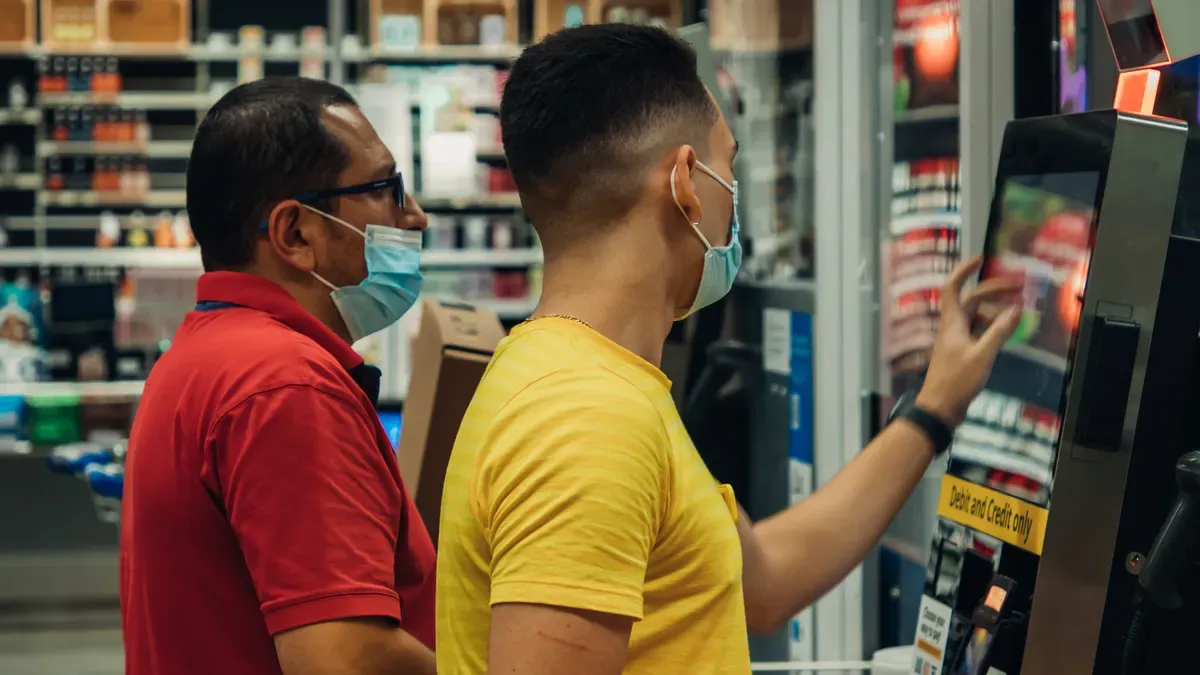
Gates check your info when entering cashierless stores. You scan QR codes or use face scans. This fast step starts your store visit quickly. You enter easily without stopping for checks. Smart stores link scans to your digital account. Quick entry replaces old self-checkout lines today. Modern stores use this setup for fast entry.
Turnstiles link your account to visual tracking fast.
Tracking Shoppers with Cashierless Computer Vision
Ceiling cameras turn on as you walk through. These cameras help cashierless shopping work using algorithms. Smart tech makes a temporary profile for you. Person re-identification (Re-ID) builds a unique tracking ID. It does not need saved PII data.
The cashierless tracking system uses this clear process:
Visual Crop Extraction: The system cuts your image from video streams. It looks at your appearance, not PII.
Feature Embedding Generation: Smart networks change images into small number vectors. They show clothing textures, shapes, and colors.
Cross-Camera Gallery Matching: Cameras do not overlap across the store. The system compares vectors against saved shopper lists. It uses simple math metrics like Euclidean distance.
ID Assignment: High similarity scores let trackers keep your ID. Systems link separate views using number vectors alone.
This smart process protects privacy during visual tracking.
Spatial Mapping and Multi-Camera Hand-offs
You walk down different store shopping aisles. Camera networks track your location in cashierless stores. The system builds a 3D floor map. One camera sends your tracking vector to another. This tech runs cashierless checkout systems today. Shoppers prefer smooth visits over slow checkout lines. New just walk out technology keeps sessions active. Stores use just walk out technology for speed. This automated retail setup needs just walk out technology. Cashierless stores depend on exact visual maps. Automated systems track paths near every store display. These cashierless stores offer instant freedom for shoppers. Overall, this smart system changes store shopping completely. Ultimately, cashierless stores give you true convenience.
Item Interaction in Cashierless Checkout Systems
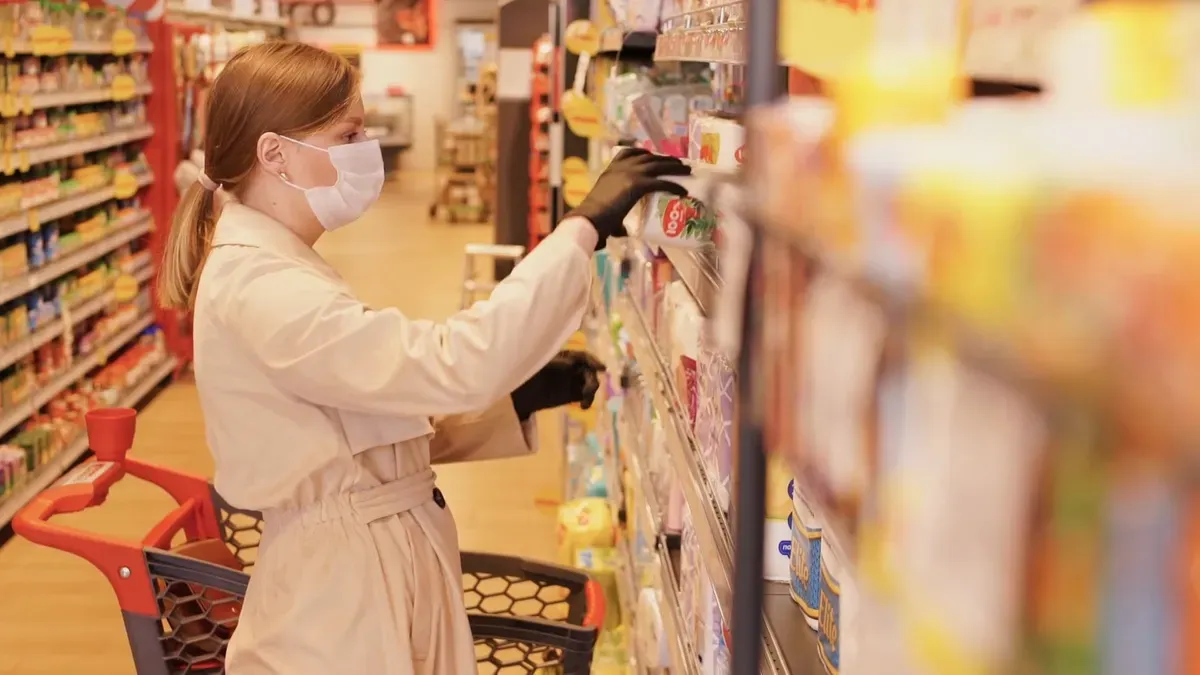
You move your hand toward a shelf. Cameras watch your quick movements right away. Cashierless checkout systems skip old barcodes. Smart models track your physical movements live. Deep learning helps make store shopping faster.
Computer vision turns physical picks into cart updates. 🛒
Object Detection Using YOLO and SSD
Top cameras film high-resolution video streams fast. Neural networks check frames to find products. Fast detectors process product images very quickly.
Systems use You Only Look Once (YOLO). They also use Single Shot MultiBox Detector (SSD). These models spot goods in one fast step.
Input Video Frame ➡️ Convolutional Backbone ➡️ Feature Grid Maps ➡️ Bounding Boxes + Product Class Scores
YOLO splits video frames into grid maps. It calculates product boxes and class scores fast. SSD checks boxes across many feature map layers.
These small models spot tiny items fast. Cameras see you grab or return goods.
Integrating Shelf Sensors and RFID Readers
Cameras work with hardware sensors on shelves. Weight sensors sit under product display shelves. They measure micro-gram changes when you pick items.
Many stores use ultra-high frequency RFID systems. Power management keeps signals inside store areas. Lower reader power stops bad signal overlap. This step prevents duplicate reads and signal reflections.
These smart tricks stop interference on crowded shelves:
Frequency Hopping & Time Multiplexing: Readers share time and bands to stop collisions.
Directional Antennas: Antennas direct radio signals toward shelf zones.
RFID Shielding Materials: Barriers block or absorb unwanted radio signals.
Special antennas control signal areas in store shelves:
Feature | Function in Dense Retail Shelves |
|---|---|
Short-Range Near Field Zone | Focuses radio energy to stop accidental reads nearby. |
Low Gain Antenna Design | Limits scanning ranges to stop signal bleed. |
Shelf weight changes show product removals fast. RFID tags confirm exact item codes automatically. This full setup keeps store tracking reliable.
Hand-Trajectory Tracking and Grasp Detection
Networks track hand movements near shelf displays. Pose models spot wrist, palm, and fingers. The system follows hands inside shelf boundaries.
Systems check hand poses to spot grabs. Models check if hands pick up items.
Hand Trajectory Coordinates: (X, Y, Z)
Grasp Status: Active ✊
Cart Update: Item Added 📦
The system links your ID to goods. Hand tracking removes old checkout lines completely. You shop easily with just walk out technology.
Our system updates your cart right away. You skip old self-checkout lines today. Modern tech changes retail operations completely. Just walk out technology makes shopping fast. Shoppers get speed with just walk out technology!
Loss Prevention and Edge Case Resolution
Stores stop theft using smart tech. Smart networks watch store shelves. Deep learning finds bad actions fast.
AI Anomaly Detection and Loss Prevention
Software tracks your moves inside stores. The system sees item grabs. It expects digital cart updates. Vision AI spots bad store moves. Models find hidden unpaid goods fast.
Shopper Movement ➡️ Spatial Pose Tracking ➡️ Concealment Pattern Match ➡️ Real-time Flag
Shoppers put items into personal bags. Computer vision flags this act fast. Networks mix CNN and LSTM models. Systems track item paths over time. Tech checks normal shopping steps fast.
Computer Vision Technique | Technical Functionality | Role in Concealment Detection |
|---|---|---|
Hybrid Neural Networks (CNN + LSTM) | CNNs read frames; LSTMs track sequential patterns. | Combines dynamic data to track history and flag theft. |
Pose Estimation | Evaluates posture, body angles, and physical moves. | Decodes body moves to spot hidden items fast. |
Behavioral Movement Analysis | Tracks customer paths and physical moves live. | Flags weird actions like hiding store goods. |
Networks send alerts for bad moves. This protects stock and saves time. Systems fix theft risks using code.
Resolving Occlusions with 3D Pose Estimation
Crowds block camera views of goods. Shoppers gather around popular shelves. One shopper blocks views of others.
3D pose estimation calculates skeleton joints to track hands behind obstacles. 🔍
Deep learning builds 3D skeleton maps. Tech spots shoulders, elbows, and wrists. Algorithms find hidden hand locations fast.
2D Camera Inputs ➡️ Keypoint Estimation ➡️ 3D Skeleton Reconstruction ➡️ Occlusion Resolution
Cameras merge angles to map space. Video feeds remove visual blind spots. Engines keep your unique ID active. Systems give continuous visual tracking always.
Multi-Sensor Fusion for Item Handovers
Shoppers hand store items to friends. You give drinks to a child. Systems pick the right virtual cart.
Logic checks three main hardware inputs:
Shelf Weight Sensors: Detect weight drops as hands lift goods.
Overhead Cameras: Track physical paths and hand locations.
RFID Readers: Confirm item tags near shelf edges.
Bounding Box Alignment + Weight Delta Verification + Tag ID Signal = Accurate Cart Assignment
Systems check math scores during bugs. Weight drops mean item picks. Camera feeds confirm shelf touch events. Hand tracking follows item physical paths. Systems charge the first item picker.
Smart code fixes odd store cases. Networks total carts behind the scenes. Deep learning keeps shopping trips reliable.
Automated Settlement and Cashier Less Convenience
Real-Time Virtual Cart Consolidation
You finish picking store items. Smart servers update your record. Algorithms merge visual and sensor data. Computers track product moves accurately. Smart algorithms confirm choices quickly. Cloud software adds items to baskets. Old checkout lines vanish completely. You avoid self-checkout lanes today. This setup offers convenience and speed.
Exit Access Control and Geofenced Triggers
You walk toward exit gates. Tracking zones detect your location. Cameras verify your visual identity. Sensors measure your movement speed. You exit without stopping anywhere. Systems close active sessions smoothly.
Geofenced sensors trigger exit gates as you approach the exit area. 🚪
You feel convenience when barriers open. Options use just walk out technology. Shoppers enjoy faster store visits. Autonomous store systems improve efficiency.
Automated Billing and Cloud Payment Gateways
Cloud systems process total charges. You exit without touching wallets. Systems send receipts to phones.
Virtual Cart ➡️ Cloud Payment Gateway ➡️ Automatic Digital Receipt
Modern cashierless checkout systems process complex financial transactions safely. Secure software handles cashless payments. Gateways charge stored payment cards. You receive accurate purchasing records. Advanced stores deliver instant alerts. Smart servers complete sales automatically. Today, just walk out technology replaces old payment methods in cashierless stores. Modern cashierless stores use just walk out technology to simplify daily shopping.
Deep learning, computer vision, weight sensors, and RFID work together inside cashierless checkout systems today. You see physical barcode scanners vanish completely from cashierless stores. Smart networks observe your movements and automatically track your items. This contextual tracking creates a fast cashierless shopping trip. Modern cashierless stores change your total retail experience completely. You grab items easily with just walk out technology.
Smart cameras and deep networks power your cashierless visit. 💡
Modern automated retail replaces manual work with smart software. You experience cashierless speed using just walk out technology. In the future, powerful edge computing will drive autonomous retail deployments. Edge devices process data locally to bring increased efficiency to cashierless stores. Fast real-time inference will boost system efficiency across all autonomous cashierless stores.
FAQ
How do cashierless systems identify you?
You enter cashierless stores by scanning a code. Deep networks build a unique visual vector. Overhead cameras track your path across cashierless spaces. They do not save personal data. This cashierless setup links your movement to your account.
How does cashierless tracking beat traditional self-checkout?
You do not scan barcodes manually anymore! 🛒
Old self-checkout lines make you scan barcodes manually. Cashierless systems track your items automatically. They use ceiling cameras. You experience just walk out technology when picking items. These self-service stores offer faster visits without delays.
How do cashierless stores update your virtual cart?
Weight sensors and cameras watch your hands. They monitor store shelves. Cashierless algorithms remove items when you return them. They update your list immediately. The server updates your balance before payment processing. You enjoy seamless cashierless shopping in cashierless stores.
How do cashierless systems complete your checkout?
You walk through exit gates after grabbing items. Cloud servers calculate your final basket total fast. Cashierless software processes financial transactions automatically. It works through your app. This modern checkout method sends digital receipts. Receipts go straight to your phone.
Can an autonomous system manage crowded cashierless stores?
Yes! An autonomous retail store uses 3D pose estimation. It tracks crowded areas. Multi-camera networks resolve visual blocks when shoppers gather. This cashierless tracking maintains accuracy across busy cashierless stores. Advanced just walk out technology protects your trip.
See Also
How Self-Checkout Technology Has Transformed Modern Retail Shopping Experiences
Transform Your Retail Business Using Cloudpick Innovative Cashierless Solutions
Analyzing Convenience And Operational Challenges Of Walgreens Self-Checkout Systems
Important Updates To Walmart Self-Checkout Access Policy Coming In 2025
Solving Self-Checkout Cash Handling Errors For Faster Customer Transactions
