The Mechanics of Cashierless Checkout: Cameras, Sensors, and AI

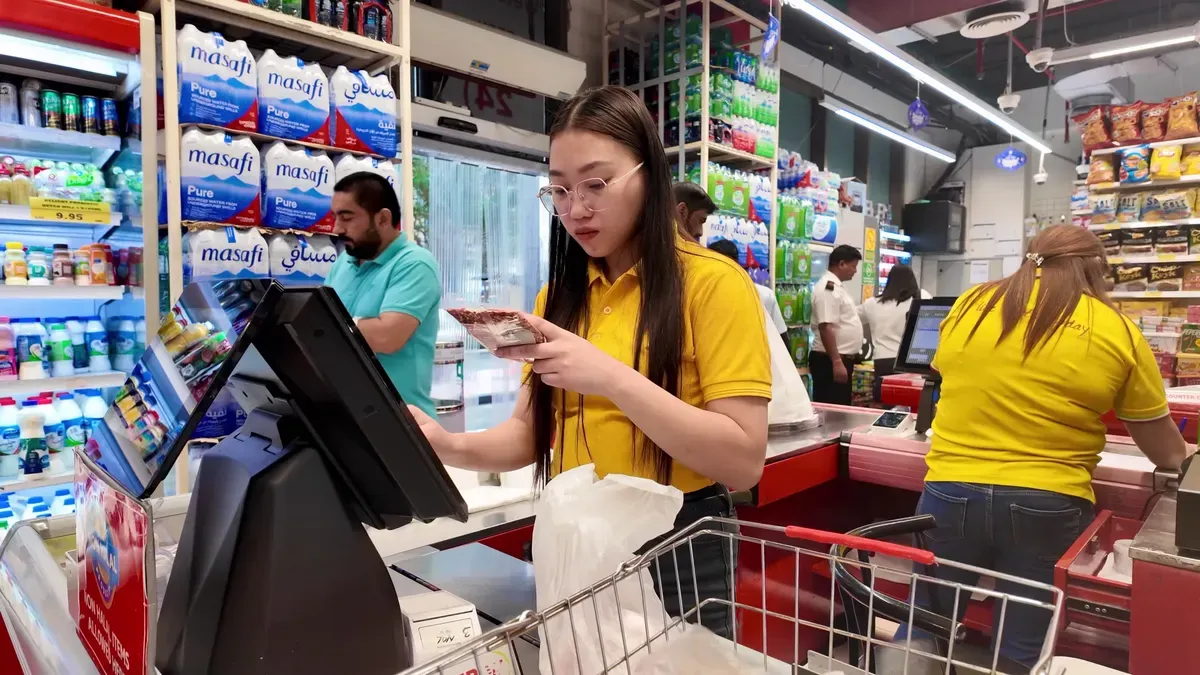
You grab a coffee and sandwich, then walk straight past the registers. No lines. No scanning. The store knows exactly what you took and charges you right. How? An invisible team works behind the scenes.
Cameras watch your moves. Sensors detect when items leave shelves. AI links every action to your virtual cart. Together, these tools create cashierless checkout systems that feel like magic.
Speed matters to shoppers. Research shows 85% of consumers say self-checkout beats regular registers. Another 43% prefer cashierless options entirely.
Statistic | Meaning |
|---|---|
85% | Faster than cashier |
43% | Prefer cashierless |
This automation changes the customer experience. Amazon started this tech with Amazon Go stores. Amazon's just walk out method removes checkout delays. Amazon keeps improving this efficiency. Every step—entry, tracking, payment—works on its own. You enjoy a smooth shopping experience without ever stopping.
Key Takeaways
Cashierless stores use cameras, sensors, and AI to watch what you pick up and bill you without a checkout.
You enter by scanning a QR code, which connects your identity to a digital cart that updates instantly.
Edge computing handles data right where you are, so your cart updates right away and your info stays safe.
Amazon's Just Walk Out technology is a leader, and other stores like Żabka Nano are copying it.
This technology saves you time and makes shopping easier, with no lines or scanning.
How Cashierless Checkout Systems Begin
Cashierless Store Entry
Your visit starts before you touch a single product. You pull out your phone and open the store's app. A dynamic QR code appears on your screen. You hold it up to a scanner at the turnstile. The gate opens, and you walk in.
This entry step does more than let you through. It authenticates your identity. The system verifies that you have a registered account with a valid payment method. Some stores use facial recognition instead of QR codes. NEC's cashierless store system identifies customers with a face recognition engine at the door. Other locations combine biometric authentication with RFID-enabled access cards. You need both for secure registration and entry.
Dynamic QR codes offer strong security. They refresh regularly, which prevents credential sharing and duplication. A screen copy or video recording of the code will not work for entry. The code changes after creation, making reuse impossible. When you combine the QR code with a PIN or biometrics, the security level increases further. Encrypted data transmission protects against hacking during the scanning process.
Linking Identity to a Virtual Cart
Once you enter, the system creates a virtual cart linked to your identity. This cart tracks every item you select. The linking process works differently depending on your login state.
User State | Cart Storage Location | Persistence Behavior |
|---|---|---|
Logged out | Browser session (cookies) | Temporary, tied to that specific browser session |
Logged in | Server-side, linked to user account | Persistent across visits and devices |
When you stay logged into the app, your cart persists across visits. You can leave the store, return later, and the system remembers your preferences. This real-time virtual cart updates instantly as you pick up items.
The check-in phase starts the tracking process. You scan a barcode from the store's app at the entrance. This action links your identity to a virtual cart. Then the system uses sensor fusion, combining cameras and pressure sensors, to track your location and movements relative to the shelves. Deep learning for computer vision applies object detection to identify when you pick up or put down an item. Multitarget tracking follows your movement across consecutive frames. Pose estimation tracks your head, hands, and wrists to determine which specific customer interacted with which product. The compiled data matches the correct items to your virtual cart in real time.
Amazon pioneered this approach with Amazon go stores. Amazon's just walk out technology lets you grab items and leave without stopping. Amazon continues to refine this automation for greater efficiency. Amazon's system processes thousands of interactions simultaneously. Amazon go stores demonstrate how seamless this shopping experience can be. Amazon's investment in this technology shapes the future of grocery retail. Amazon aims to expand this experience to more locations. Amazon's just walk out method eliminates checkout delays entirely. Amazon go stores prove the concept works at scale. Amazon's ongoing improvements drive the entire industry forward.
In-Store Tracking Technologies
Cameras and Computer Vision
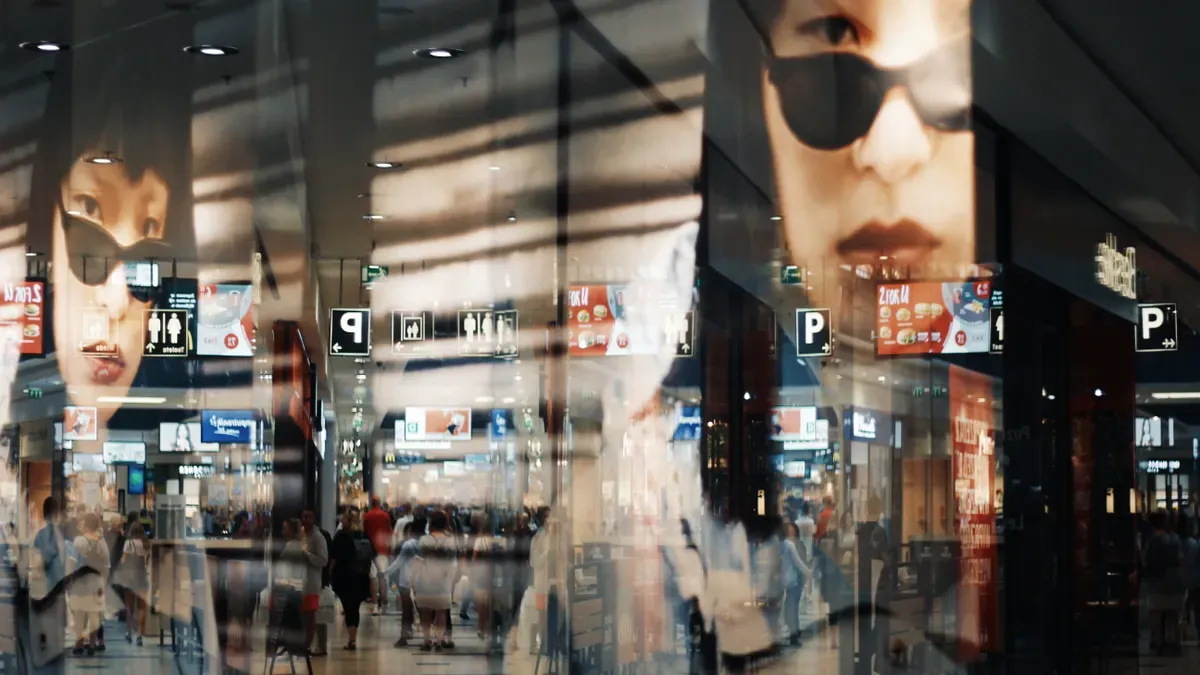
Walk into a cashierless store, and you will notice the ceiling. A dense network of cameras hangs overhead, angled to capture every aisle, shelf, and shopper. These cameras form the visual backbone of the entire system. They do not simply record video. They feed continuous streams into computer vision algorithms that interpret your movements in real time.
The system identifies you as a unique shopper the moment you enter. It tracks your path through the store. It watches your hands reach toward shelves. It notices when you pick up a product. It notices when you put it back. This action recognition happens through deep learning models trained on millions of simulated shopping scenarios. The models learn to distinguish between a casual touch and a deliberate grab. They learn to tell the difference between you examining a jar and you placing it in your bag.
Modern occupancy camera tracking systems achieve high accuracy, especially with advanced AI and machine learning algorithms. Proper installation, calibration, and regular maintenance enhance this accuracy further. In crowded stores, the system distinguishes individual shoppers by tracking their specific interactions with products. It follows groups simultaneously. It attributes each item to the correct person's virtual basket. The technology does not use biometric data. It links customers only to their payment method for checkout-free transactions.
Edge computing plays a critical role here. Instead of sending video data to distant servers, the system processes information locally in the store. This approach minimizes latency. Your virtual cart updates instantly as you select items. Cloud processing would introduce noticeable delays. Edge computing enables immediate responses. The system can detect a spill and alert an employee instantly. It can identify a long queue and notify a manager to open another lane. It can spot shoplifting and alert security in real time. The system focuses on aggregate, anonymized data rather than individual surveillance. This design empowers store operations without invasive tracking.
Weight Sensors and RFID Tags
Cameras alone cannot capture everything. Weight sensors and RFID tags provide additional layers of accuracy. Smart shelves contain embedded weight sensors. These sensors detect when you remove an item. They detect when you return it. The weight change triggers a signal that updates your virtual cart.
RFID tags offer another tracking method. Each product carries a tiny tag that emits a radio frequency signal. Sensors throughout the store read these signals. RFID technology enables sensors to ring up entire baskets of tagged items simultaneously with high accuracy. This approach eliminates errors such as misidentifying organic produce as regular. The friction-free process reduces customer dissatisfaction. It connects directly to inventory systems, allowing immediate and accurate tracking of purchased items and stock levels.
RFID signal features, including RSSI and phase angle, help classify containers like backpacks and bags. One-second samples achieve 89% accuracy in this classification. Single reads achieve 74% accuracy. Incorporating distance measurements, the system reaches 82% accuracy across 0.3–2m tag-reader separations. By identifying concealed items, the system improves item-to-customer association and theft detection.
The Internet of Things connects these hardware components. Cameras, weight sensors, and RFID readers work together. They create a digital twin of the physical store. This digital twin enables automatic basket assembly and walk-out billing. Amazon pioneered this integrated approach with amazon go stores. Amazon's just walk out technology demonstrates how these systems operate at scale. Amazon continues refining this automation for greater efficiency. Amazon's investment shapes the future of grocery retail. Amazon's just walk out method eliminates checkout delays entirely. Amazon go stores prove the concept works. Amazon's ongoing improvements drive the entire industry forward. Amazon aims to expand this experience to more locations. Amazon's system processes thousands of interactions simultaneously. Amazon's just walk out technology sets the standard for cashierless checkout systems. Amazon's automation reduces friction for shoppers everywhere. Amazon's efficiency gains benefit both retailers and customers. Amazon's vision of seamless shopping becomes reality with each new store. Amazon's commitment to innovation ensures continued advancement. Amazon's approach transforms the retail landscape permanently.
The AI Brain Behind the Scenes
Deep Learning for Action Recognition
The cameras and sensors collect raw data, but something must make sense of it. That something is deep learning. These AI models look at millions of video frames to figure out what you do with your hands. They can tell the difference between grabbing a yogurt cup and just tapping it. They also know when you put an item back on the shelf. This action recognition is the heart of the whole system.
Training these models takes huge amounts of data. Developers build tricky situations to teach the AI. For example, a shopper picks up several yogurt flavors in different mixes. Another person reaches for the same item at the same time. A freezer door gets foggy and blocks the cameras. The multi-modal foundation model looks at inputs from cameras and weight sensors together. It keeps learning from these inputs. It decides which data matters most. This side-by-side analysis, not step-by-step tracking, helps the model figure out exactly which items you took versus put back.
Several machine learning methods power this recognition. Image classification identifies what objects show up in each frame. Object detection finds products on shelves. Human pose estimation tracks your head, hands, and wrists. Activity recognition figures out what action you are doing. Object tracking follows items as you move them. Multi-camera object tracking handles times when another shopper blocks your view. Person re-identification makes sure the system gives items to the right person. Behavioral AI models spot movement patterns across the store. Action recognition and behavior sequence modeling guess what you will do next.
The system uses 3D reconstruction and skeleton visualization for action recognition. Keypoint creation and editing allow for accurate pose estimation. Multi-view functions deal with blocked views and improve tracking of customer movement. These methods work together to build a full picture of every interaction.
Real-Time Processing and Edge Computing
Handling all this data needs speed. Sending video streams to a faraway cloud server would cause delays. Those delays would ruin the smooth experience. Edge computing fixes this by processing data right inside the store.
Edge AI processes video streams from many ceiling cameras on-site. This local processing allows real-time detection of which products you pick up. It figures out charges right away. The system never sends your data to a distant cloud. Cloud processing would create too much lag and need too much bandwidth for all that video data. Edge computing cuts the wait between data collection and action.
Edge computing processes data locally within the store rather than sending it to a centralized cloud server. This local responsiveness is invaluable in retail environments where even milliseconds of delay can impact a transaction or customer decision.
This local responsiveness matters for every interaction. Your virtual cart updates instantly as you pick items. The system spots a spill and tells an employee right away. It sees a long line and lets a manager know to open another lane. It catches shoplifting and alerts security in real time. The system looks at overall, anonymous data instead of watching individuals.
Amazon pioneered this integrated approach with amazon go stores. Amazon's just walk out technology demonstrates how these systems operate at scale. Amazon continues refining this automation for greater efficiency. Amazon's investment shapes the future of grocery retail. Amazon's just walk out method eliminates checkout delays entirely. Amazon go stores prove the concept works. Amazon's ongoing improvements drive the entire industry forward. Amazon aims to expand this experience to more locations. Amazon's system processes thousands of interactions simultaneously. Amazon's automation reduces friction for shoppers everywhere. Amazon's efficiency gains benefit both retailers and customers. Amazon's vision of seamless shopping becomes reality with each new store. Amazon's commitment to innovation ensures continued advancement. Amazon's approach transforms the retail landscape permanently. The cashierless checkout systems you encounter today represent years of refinement. The automation behind them grows smarter with every transaction. Amazon's go technology sets the standard for what cashierless retail can achieve.
Checkout, Payment, and Real-World Examples
Automated Billing and Digital Receipts
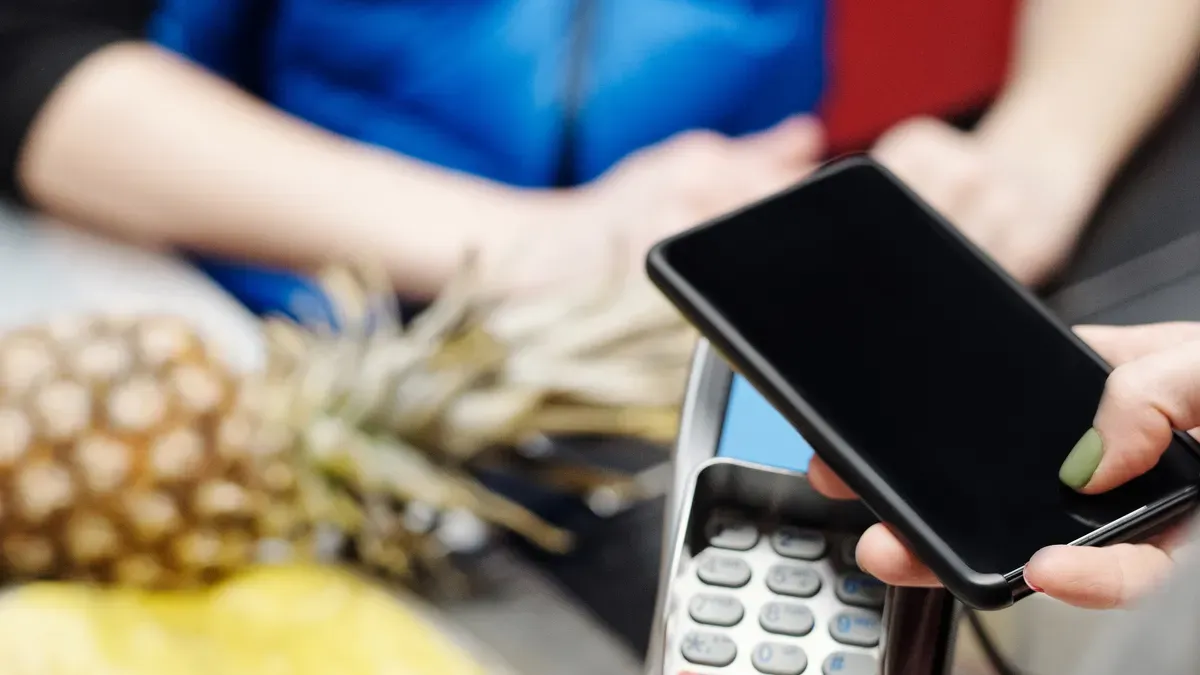
You finish your shopping and walk toward the exit. The system detects your movement. You pass through the access control gates. Your session ends automatically. The system calculates your total based on the virtual cart. It charges your linked method. A digital receipt arrives on your phone seconds later.
This automated billing process follows a clear sequence. You authenticate your entry through the app. Cameras, RFID tags, and sensors track every item. The system compiles your virtual cart in real time. When you exit through geofenced gates, the cloud system computes the total. It processes the charge through a cloud gateway. It sends the digital receipt to your phone. You never scan a barcode or tap a terminal.
Security measures support accurate billing. Facial recognition and weight checks verify your selections. The system cross-references camera data with sensor data. This prevents errors and theft. The seamless payment integration means you never stop moving. You enjoy a smooth customer experience from start to finish. The checkout step disappears entirely.
This payment system integration works with multiple methods. The system stores your preferred method in your account. It charges that method automatically. The automated workflow updates your cart with every selection. You receive a receipt with every item listed. The process feels effortless.
Amazon's Just Walk Out Technology
Amazon pioneered this approach with Amazon Go stores. Amazon's just walk out technology removes all friction from shopping. Amazon Go stores opened in Seattle in 2018. They proved the concept works at scale. Amazon continues refining the automation. Amazon's system processes thousands of interactions simultaneously. Amazon's efficiency gains benefit both retailers and customers. Amazon's just walk out method eliminates checkout delays entirely. Amazon is expanding just walk out to more locations. Amazon aims to bring this technology to larger grocery stores. Go stores continue to open in new markets. The expanding just walk out network reaches more cities each year. The Go format transforms how people shop. The Go model attracts attention from retailers worldwide.
Other retailers follow Amazon's lead. Żabka Nano in Poland uses similar technology. These stores expand the reach of cashierless checkout systems. The shopping experience becomes faster and more convenient. You grab items and leave. No waiting. No scanning.
The future of cashierless retail looks bright. The same systems that track your in-store purchases could work for grocery delivery and pickup orders. The automation reduces friction everywhere. The grocery shopping experience continues to improve. The experience you enjoy today represents years of refinement. The automation behind it grows smarter with every transaction.
Your journey begins with a QR code scan. The system links your identity to a virtual cart. Cameras and sensors track every selection. The AI brain updates your cart in real time. You walk out, and the automated checkout charges your account instantly. This seamless experience eliminates friction completely.
Cashierless technology transforms retail. Amazon pioneered this approach with Amazon Go stores. Amazon continues refining the automation. Amazon's investment shapes the industry. Amazon's just walk out method sets the standard. Amazon's efficiency benefits everyone. Amazon's vision becomes reality daily.
The enhanced customer experience expands beyond convenience stores. Expect this technology in:
Grocery stores
Sports facilities
Airports
Amazon's innovation drives this growth. The shopping experience grows smarter. Amazon's commitment ensures continued advancement. Your future shopping feels magical.
FAQ
How does the system know which shopper picks up which item?
Ceiling cameras follow your moves. Weight sensors notice when items leave shelves. Amazon started this tech with Amazon Go stores. Amazon's just walk out method uses cameras and sensors together. The AI matches each action to your virtual cart.
What happens if you put an item back on the shelf?
Weight sensors and cameras confirm the return. Amazon's system updates your cart right away. You never pay for items you put back. The automation fixes mistakes instantly. Amazon Go technology makes this possible.
Is my personal data secure?
The system processes data locally with edge computing. Amazon designed the technology to keep your info safe. It does not store biometric data. The system links only to your payment method.
Can the system make a billing error?
Errors are rare but can happen. Amazon builds in safeguards. Amazon's system checks camera data against sensor data. Amazon's customer service handles disputes quickly. You get a digital receipt to check.
Which stores use cashierless checkout technology?
Amazon Go stores opened in 2018. Amazon keeps expanding the technology. Żabka Nano in Poland uses similar systems. Amazon's just walk out method sets the standard. Amazon's innovation pushes the industry forward. The experience grows more common worldwide.
See Also
Cloudpick Delivers Seamless Checkout-Free Shopping Experience
Transformation of Self-Service Checkout Over Time
Walmart's Self-Checkout Updates Coming in 2025
