Cashierless Checkout Systems Explained for Modern Shoppers

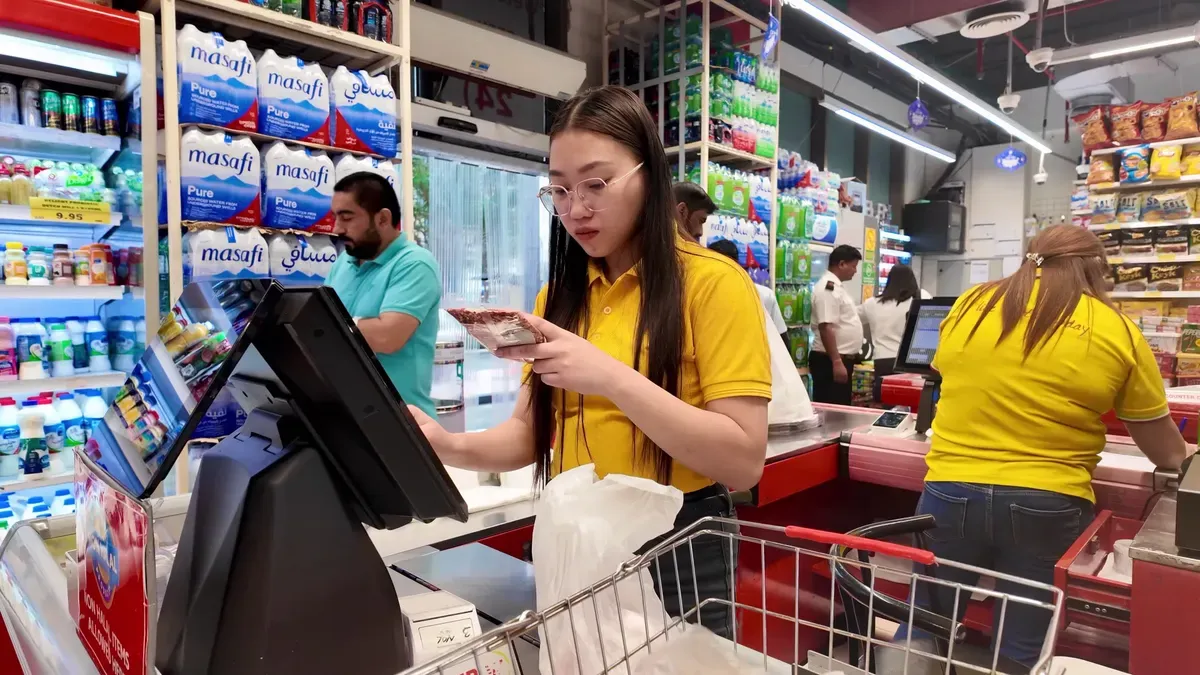
A cashierless checkout system lets you pick up items and leave a store without waiting in line or going to a register. You skip the wait, save time, and have an easier trip. A Morgan Stanley survey found that 77% of U.S. shoppers say convenience is a key factor in what they buy. Younger shoppers care about speed even more.
Generation | Willing to pay extra for faster service |
|---|---|
Millennials | 78% |
Gen Z | 74% |
Baby Boomers | 32% |
These systems are growing fast, and they are changing the shopping experience. A cashierless store promises a smooth shopping trip. Curious shoppers often ask one big question: how cashierless checkout systems work. This shopping experience with no people feels like magic, but real technology powers every step.
Key Takeaways
You enter a cashierless store by scanning your phone or card, then just pick items and leave.
Cameras, weight sensors, and AI keep track of each item you pick up and charge your payment on their own.
Big stores like Amazon, ALDI, and Carrefour already have cashierless shops in many places.
By removing checkout lines and sending a digital receipt to your app, this technology saves you time.
Future upgrades will focus on protecting privacy and being very accurate to earn shopper trust.
How Cashierless Checkout Systems Work
Entry and Item Selection
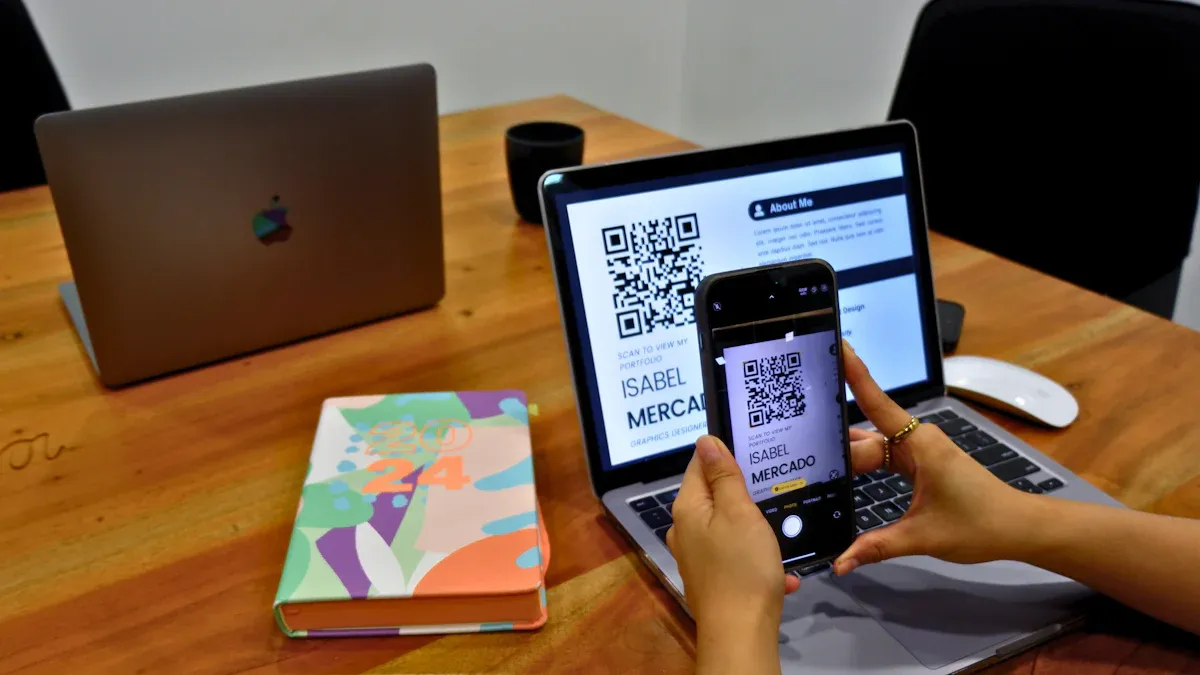
Learning how cashierless checkout systems work starts with the entry process. Your trip begins before you even walk into the store. Download the store's app if it needs one. For example, install the Amazon Go app and link your payment method. This step builds the link between you and your virtual cart. The app keeps your payment details safe. It turns into your digital key to the store.
When you get to the entry gate, you prove who you are. Several entry methods exist:
Entry Method | Authentication Function |
|---|---|
Scanning QR code from retailer's app | Links payment method to shopping session |
Tapping phone at turnstile | Links payment method to shopping session |
Tapping credit card at turnstile | Links payment method to shopping session |
Mobile app authentication | Authenticates customer upon entry |
These methods check your identity. They connect your payment method to the shopping session. After you verify yourself, you walk into the cashierless store. Your shopping session starts right then. The system now follows where you are and how you move.
Now you begin picking products. Put items in your basket or bag. You do not scan anything at a terminal. You do not go to a register. The system tracks everything you take. Cameras watch your movements from above. Shelf sensors notice when you lift an item. Weight sensors track changes in real time. These sensors are part of an iot network. This network links every shelf to the central system. This network of iot devices shares weight changes and product movements right away. Computer vision recognizes each product you pick up. Deep learning models study the video feed. They match the item's shape, color, and label to a product database. Some stores use RFID tags on products. RFID stands for radio frequency identification. Each tag holds a unique code. Readers at the exit spot these tags. The system cross-checks RFID data with visual data.
The system tracks your session from entry to exit. It builds a virtual cart of everything you take. Some stores require you to scan a product barcode on a screen. Others use full sensor fusion to remove all scanning. The technology does the work. You just shop. You pick up an item and put it in your bag. The system adds it to your cart. You put an item back on the shelf. The system takes it out of your cart. This happens without you doing anything.
Payment and Exit
When you finish shopping, walk toward the exit. Skip the checkout line completely. Do not talk to a cashier or use a register. The system senses you coming to the exit. Sensors pick up that you are there. The exit gate opens for you.
Leaving starts the cashierless checkout process. The AI models identify every product you took. They confirm the items in your virtual cart. They figure out the total cost. Sensor fusion mixes data from cameras, shelf weights, and RFID readers. This keeps things accurate. The system runs a final check. It compares your virtual cart against the inventory taken from shelves.
As the customer exits the store, the system triggers the cashierless checkout process. By software, I mean the AI models used to identify your products, track the customers, and trigger accurate billing at exit.
Payment goes through on its own. The system charges the payment method you linked at entry. You can use credit or debit cards. You can use mobile payments like Apple Pay or Google Pay. Some systems also take cash. The market splits into two groups. Cashless self-checkout systems hold 52.0 percent market share. They handle contactless cards, smartphone wallets, QR-code services, and loyalty-linked payment tools. Cash-based systems hold 48.0 percent market share. They deal with coin and note-handling parts. You get a digital receipt in the app. You look at your order history later. You see every item you bought and the total cost.
This is how cashierless checkout systems work. Your shopping trip becomes faster and smoother. You save time. You skip lines. The technology works behind the scenes. You walk out and go on with your day.
Technology Behind Cashierless Checkout
Computer Vision and RFID
Computer vision is the main part of most cashierless stores. Cameras on ceilings and shelves watch everything you do. These cameras send video to deep learning models. The models identify products by shape, color, and label. They also follow your hands when you reach for an item. This visual layer gives the system a steady stream of data about what leaves the shelf.
RFID tags add a second layer of certainty. Each tag has a unique code. Readers can scan many tags at once without a direct line of sight. This makes RFID great for batch scanning and real-time tracking. The tags also work as anti-theft devices. When you walk out, readers pick up every tag in your bag. The system removes those items from inventory right away. This keeps stock counts accurate and lowers stockouts.
Weight sensors complete the picture. Each shelf section has embedded pressure sensors. These sensors notice a weight change the moment you lift a product. The system checks that change against the camera event. This fusion confirms which product moved and who moved it. If you put an item back on the wrong shelf, weight sensors flag the discrepancy. This stops incorrect billing. Together, these three tools form a reliable tracking network.
AI and Sensor Fusion
AI and machine learning turn raw sensor data into accurate billing. Amazon Go stores use AI to combine computer vision and machine learning. Cameras and sensors track both customers and products as they move. AI algorithms study this data to identify products and figure out what you took. This lets you leave the store with purchases charged to your Amazon account. The amazon go app links your payment method before you enter.
AI-driven computer vision achieves a product identification accuracy rate exceeding 99.9%. This beats alternatives like RFID alone or static computer vision. The system learns continuously from sensor inputs. It uses transformer-based models and generative AI to improve over time. Multi-modal foundation models help the system adapt to new products and store layouts.
Sensor fusion merges data from many sources. Here is how the layers work together:
Computer vision handles the visual analysis layer, while weight sensors provide the physical confirmation layer. Each shelf section contains embedded pressure sensors that register a weight change when a product is removed. The system cross-references that weight change with the corresponding computer vision event to confirm which product moved and which shopper moved it. This fusion reduces false positives in the virtual cart, especially under conditions like crowded shelves, nearly identical packaging, or partial occlusion.
The iot network connects every sensor to edge servers. These servers run inference in real time. When camera tracking and a simultaneous weight reduction align, your virtual cart updates instantly. The iot devices share data across the store. This internet of things backbone makes just walk out technology possible. The automation runs behind the scenes. You never see the ai-powered checkouts working. You just pick up items and leave.
Where to Find a Cashierless Store
Major Retailers and Grocery Chains
Many big grocery chains now use cashierless technology. Amazon is a leader with its Amazon Go, Amazon Fresh, and Whole Foods stores. You use the Amazon Go app to get in and shop. Other stores are also using this technology. Here are some big chains that use cashierless checkout:
Grocery Chain | Technology | Details |
|---|---|---|
ALDI | ALDIgo (Grabango & AiFi) | Uses computer vision and AI; Greenwich store now hybrid |
Amazon | Just Walk Out / Dash Cart | Public launch in 2018; 360+ third-party locations |
Carrefour | Carrefour City+, Flash 10/10 | Automated stores in Dubai, Paris, and Belgium |
Lidl | Lidl & Go | Mobile self-scanning via Lidl Plus app; 44 stores in Scotland and England |
Shufersal | Shop&Go (Trigo Vision) | First autonomous store in 2022; plans 2,000 AI carts by 2025 |
SPAR | Skippen, Scan.Pay.Go. | Solutions in Netherlands, Ireland, Belgium, Switzerland |
International stores like Tesco and Kroger are also joining in. Tesco opened GetGo stores. They use cameras and shelves that can weigh items. Kroger is testing Caper Carts. These are AI smart carts that become a checkout you can roll along. 7-Eleven tried out a cashierless store at its Texas headquarters. Every cashierless store uses an IoT network. This network links cameras, sensors, and shelves right away.
Small Format Stores and Venues
You can also find checkout-free stores in smaller places and public areas. Airports like JFK Terminal 4 and Minneapolis-Saint Paul Terminal 2 have them. Sports stadiums use this tech to serve fans more quickly. The IoT system in each store updates your virtual cart right away when you pick up items.
Venue Type | Venue Name | Provider |
|---|---|---|
Stadium | St. Louis CityPark | Zippin |
Stadium | Lumen Field (Seattle) | Amazon Just Walk Out |
Stadium | Commanders Field (DC) | Amazon Just Walk Out |
Stadium | Crypto.com Arena (LA) | Amazon Just Walk Out |
Airport | JFK Terminal 4, New York | Amazon Just Walk Out |
Airport | Minneapolis-Saint Paul Terminal 2 | Not specified |
When Nissan Stadium in Tennessee opens in 2027, it will have 52 Amazon Just Walk Out stores. Intuit Dome in Los Angeles will be the first venue with no checkout at all. You can also find cashierless stores on college campuses, in hospitals, and at other partner locations. Amazon lists more than 180 partner locations around the world. Towson University uses Zippin technology on its campus. These stores are open 24 hours a day. You can grab a snack or meal anytime without waiting for a worker. These small stores give you a new shopping experience in places you go every day.
The Future of Cashierless Checkout
Expansion into New Markets
Cashierless technology will grow past grocery stores and into new retail areas. Fashion stores are one new frontier. An AI system can watch what you do as you look around. It sees when you try on a jacket many times but do not buy it. The store can then send a special deal to your phone. Fast-food restaurants are another area that will grow. Self-order kiosks already use some automated retail ideas. The next step links those kiosks to a full just walk out technology setup. You order, grab your food, and leave without paying in a separate step.
High-touch categories like fashion, beauty, and electronics thrive on staff expertise. … The future of retail isn't ghost stores. It's well-equipped humans backed by connected systems.
Cashierless systems help workers instead of taking their jobs. Staff get real-time data about what shoppers do. They can help you in better ways. The shopping trip becomes faster and more personal.
Challenges and Improvements
Privacy is still the biggest problem for a cashierless store. Sensors gather data about how you move. An iot network links every device in the store. Each iot sensor on a shelf tracks weight changes. Another iot device reads RFID tags near the exit. A central iot server handles all this information. You should know what data the system collects and how long it keeps that data. Laws like GDPR in Europe require strict data handling. Amazon faced these rules in Germany and had to make changes. Stores must spend on cybersecurity to protect your payment details. Many stores now use hybrid models that mix convenience with privacy.
System accuracy also needs to get better. Common errors include wrong item identification, scanning glitches, and AI confusion with bulk produce. The table shows how technology fixes these issues:
Mechanism | How It Improves Accuracy |
|---|---|
AI Algorithms | Cut wrong charges, keeping billing errors below 1% in stores |
Sensor Fusion | Merge camera, RFID, and weight-sensor data to boost overall accuracy |
Automated Detection | Use cameras and shelf sensors to track items picked up or returned in real time |
Hybrid sensor approaches reach over 99% accuracy in testing. This automation cuts down human scanning mistakes. You get fewer billing errors and faster service. Digital receipts let you check every purchase. These improvements build shopper trust over time. An internet of things backbone makes real-time accuracy possible. As the technology grows, you can expect even fewer errors and stronger privacy protections.
Cashierless checkout replaces long lines with cameras, sensors, and AI. You now understand how cashierless checkout systems work. This technology tracks your items and charges you automatically. The result is a faster, more convenient shopping experience. You skip the wait and walk out. Every cashierless store uses this system to save you time.
This technology will likely become a standard part of future retail. It will fundamentally change how you shop. Stores will keep improving accuracy and privacy. You can expect a smoother trip every time. The future of shopping moves toward speed and ease.
FAQ
Is my payment information safe in a cashierless store?
Yes. Stores use encryption to protect your data. The app keeps your payment details secure. Laws like GDPR require strict handling of your information. You link your payment before entry.
What happens if the system charges me incorrectly?
Mistakes are rare. The system achieves over 99.9% accuracy. You receive a digital receipt in the app. You can check every item. Contact customer support for any billing problems.
Do I need a smartphone to shop at a cashierless store?
Not always. You can tap a credit card at the entry gate. Some stores require their app. Check the store's entry options before your first visit.
How do I get a receipt for my purchase?
The system sends a digital receipt to your app. You see every item and the total cost. You can view your order history anytime.
See Also
Cloudpick Delivers Cashierless Convenience To Your Retail Store
The Progress Of Self-Checkout Technology Through The Years
Examining The Walgreens Self-Checkout Convenience And Retail Hurdles
How To Prevent Self-Checkout Cash Errors And Ensure Smooth Payments
