Designing the ideal product assortment for autonomous stores in Airports & transportation hubs.

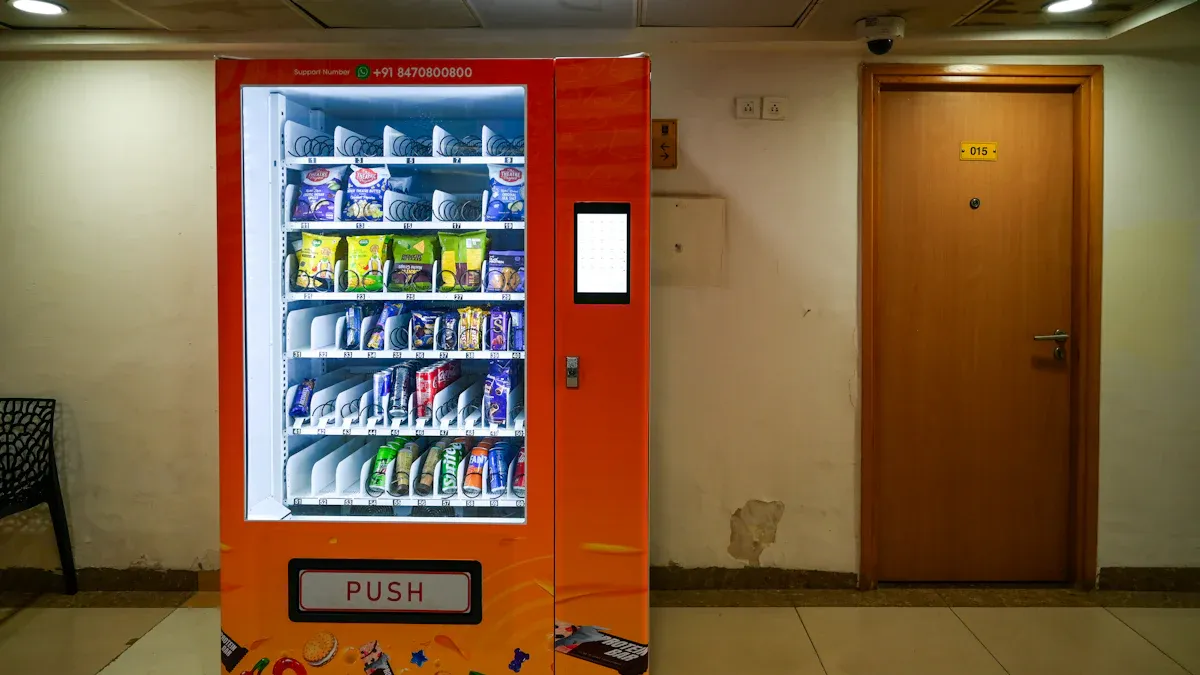
You need to design the ideal product assortment for autonomous stores in airports and transportation hubs with speed and convenience in mind. Technology offers real-time insights and data collection tools that help you manage inventory and improve sales performance. Accessibility and universal design ensure every traveler can easily shop.
Evidence Type | Description |
|---|---|
Real-time Insights | Technology tracks passenger behavior, helping you respond quickly to changing needs. |
Data Collection Tools | Sensors and cameras monitor sales and movement for better inventory management. |
Passenger Flow Mapping | Analyzing movement helps place kiosks in busy areas, boosting sales. |
Quantitative Metrics | Automation reduces costs and increases revenue with improved customer experiences. |
Qualitative Metrics | Real-time feedback shows customer sentiment and drives retail revenue. |
Key Takeaways
Focus on core categories like food, beverages, and essentials to meet travelers' immediate needs and drive sales.
Utilize real-time data and analytics to adjust product offerings based on passenger flow and preferences, ensuring relevance.
Design for accessibility and universal use, making shopping easy for all travelers, including those with disabilities.
Implement modular shelving and layouts to enhance convenience, allowing for quick adjustments based on traffic patterns.
Leverage technology like AI and smart inventory systems to maintain stock levels and improve the overall shopping experience.
Understanding Traveler Experience in Airports
Traveler Demographics and Needs
You see many types of passengers in airports every day. Each group brings a unique experience to the terminal. Younger passengers, such as Millennials and Gen Z, look for more than just products. They want an experience that feels new and exciting. These passengers enjoy digital engagement and often seek out wellness services or gaming zones. You notice that Gen Z passengers especially value VIP shopping experiences. They want luxury and personalized service.
Millennials and Gen Z passengers search for innovative experiences.
These passengers spend more on wellness and gaming than on traditional shopping.
Gen Z passengers show interest in VIP and luxury experiences.
You must design your autonomous store to meet these needs. When you offer digital touchpoints and unique experiences, you attract these passengers. You also create a memorable experience that encourages them to return. Every passenger wants a smooth and enjoyable experience, but younger passengers expect more from their time in the airport.
Journey Types and Time Constraints
Passengers travel for many reasons. Some passengers feel excited, while others feel tired or confused. These emotions shape their experience in the airport. Your store can help improve their experience or make it worse. When you design your store to support passengers’ emotions, you build trust and encourage spending.
Passengers’ emotions affect their attention and willingness to spend.
A well-designed store can turn a stressful experience into a positive one.
Passengers with limited time need quick and easy shopping experiences.
You should place your store in high-traffic areas. This gives passengers more time to relax and shop. An attractive design and helpful service can turn idle time into a shopping experience. When you focus on convenience and experience, you help passengers make the most of their time. Every passenger values a store that understands their journey and offers a positive experience.
Building the Ideal Product Assortment
Core Categories: Food, Beverages, Essentials
You must focus on the core categories when you design the ideal product assortment for autonomous stores in airports and transportation hubs. Food, beverages, and essentials drive the highest sales and meet the immediate needs of travelers. You see that the food and beverages segment will hold the largest market share in the coming years. This growth comes from more air travel and the rise of low-cost carriers, which bring more people into airports.
During the holiday season, you notice a spike in demand for hot beverages and baked goods. Warm meals and comfort dishes also become popular. Festive bundles and gifting SKUs increase the average transaction value. You should always keep these items in your grab-and-go selection. Essentials like travel pillows, chargers, and hygiene kits help travelers feel prepared and comfortable. You can boost satisfaction by making these items easy to find and purchase.
Hot beverages and baked goods
Warm meals and comfort dishes
Festive bundles and gifting SKUs
Travel pillows and blankets
Chargers and adapters
Personal hygiene kits
You should keep these categories well-stocked in your autonomous stores. This approach ensures that every traveler finds what they need quickly.
Dynamic and Curated Selections
You can set your autonomous stores apart by offering dynamic and curated selections. Travelers have different needs based on their journey, age, and travel purpose. You should rotate your grab-and-go assortment to match the season, time of day, or special events. For example, you can add sunscreen and sunglasses in summer or offer cozy socks and scarves in winter.
Curated selections make your ideal product assortment more attractive. You can include:
Kids’ toys and activity kits for families
Personal hygiene products for long-haul travelers
Travel essentials like neck pillows, reusable water bottles, and sleep masks
Tech accessories such as headphones, power banks, and universal adapters
Local souvenirs and snacks for international travelers
You can use real-time data to adjust your grab-and-go offerings. This strategy helps you respond to changing passenger flows and preferences. You create a flexible retail environment that keeps your autonomous stores relevant and profitable.
Tip: Use digital signage to highlight new arrivals and best-sellers. This draws attention and increases impulse purchases.
Accessibility and Universal Design
You must ensure that your autonomous stores serve all travelers, including those with disabilities or special needs. Accessibility and universal design are not just legal requirements; they also improve the shopping experience for everyone. You should follow established guidelines and use features that make your grab-and-go retail space easy to navigate.
Accessibility Feature | Description |
|---|---|
Self-service kiosks | Kiosks must meet design specifications, including accessibility features like voice activation and touchless options. |
Seating arrangements | Provide accessible seating with armrests and charging stations, ensuring comfort for older travelers and those with reduced mobility. |
Sensory rooms | Designated quiet areas to support travelers with hidden disabilities, enhancing their travel experience. |
You should also stay up to date with regulations that affect autonomous stores in airports. These rules help you create an ideal product assortment that everyone can access.
Regulation/Guideline | Description |
|---|---|
Outline requirements for self-service kiosks to ensure accessibility for individuals with disabilities, including technical specifications for design and usability. | |
DOT Standards | Require that new airport kiosks meet accessibility standards until a quarter of all kiosks are accessible, applying to U.S. and foreign air carriers. |
Revised Section 508 Standards | Address technical requirements for hardware with user interfaces, ensuring accessibility features like speech output and clear display screens. |
You build trust and loyalty when you make your autonomous grab-and-go stores inclusive. Every traveler should feel welcome and able to shop with ease.
Data-Driven Planning for Convenience
Using Passenger Flow Data
You can improve your autonomous store by understanding how travelers move through the airport. Passenger flow data gives you a clear picture of where people go and when they shop. You collect this data from airport traffic reports, heat maps, and peak-hour metrics. These tools help you see busy times and quiet periods.
You analyze passenger behavior to optimize product placement and assortment.
Airport traffic data and heat maps show you where travelers spend the most time.
Peak-hour metrics help you forecast product needs and adjust staffing.
You place promotions at key decision points to increase purchases.
You tailor your product offerings to match the flow—quick snacks during rush hours, relaxed dining options when it is quieter.
Tip: Use passenger flow insights to rotate products and highlight best-sellers at the right time of day. This keeps your store relevant and boosts sales.
Real-Time Analytics for Inventory
You need to keep your shelves stocked with the right products at all times. Real-time analytics make this possible. You use AI models to count items and compare them to inventory records. These systems alert you instantly if something does not match.
RFID technology tracks items quickly and accurately, making shopping seamless.
Advanced cameras and sensors monitor what customers pick up, reducing errors.
Autonomous checkout systems collect data on buying habits, so you can adjust inventory fast.
Integrated inventory management links to checkout, helping you keep popular items in stock.
Computer vision and sensors watch shopper movements, giving you real-time updates.
You rely on these technologies to maintain a smooth shopping experience. When you use real-time data, you respond to trends and keep your store ready for every traveler.
Maximizing Customer Convenience and Space
Modular Shelving and Layouts
You want every traveler to experience maximum convenience when shopping in your autonomous store. Modular shelving gives you the flexibility to change your layout quickly. You can move shelves to create new zones or open up space for high-traffic times. This approach improves convenience for travelers who need to find products fast. The AutoStore system shows how you can save up to 75% of space by stacking bins and removing aisles. This method lets you store more products in a smaller area, which increases convenience for both you and your customers.
Automated storage and retrieval systems help you use every inch of your store. These systems use machines to store and retrieve items, so you can fit more products in less space. You do not waste space on wide aisles. Instead, you focus on convenience by making products easy to reach. Dynamic storage options also let you adjust your inventory as demand changes. This means you always offer the right products at the right time, which boosts convenience for travelers.
Modular layouts also improve passenger flow. You can create clear zones and paths that guide travelers through your store. This design reduces crowding and makes shopping more convenient. You can adapt your layout for peak times or special events. When you use modular shelving, you make convenience your top priority.
Modular layouts enhance passenger flow with clear zones.
They adapt to changing demand and traffic patterns.
Efficient design reduces walking distances and increases convenience.
Seasonal and Best-Seller Rotation
You need to keep your product assortment fresh to maintain convenience. Rotating seasonal items and best-sellers ensures that travelers always find what they need. During holidays, you can highlight festive snacks or travel gifts. In summer, you can display sunscreen and cold drinks near the entrance. This rotation increases convenience by matching your offerings to traveler needs.
You should use real-time sales data to identify best-sellers. Place these items in high-visibility spots to maximize convenience. When you rotate products based on season or demand, you keep your store relevant. This approach supports customer convenience because travelers can always find popular and timely products.
Tip: Use digital displays to promote seasonal specials and best-sellers. This draws attention and adds to the convenience of the shopping experience.
You create a store that values convenience above all. Modular shelving and smart product rotation work together to deliver unmatched customer convenience in every visit.
Technology for Enhanced Store Experience
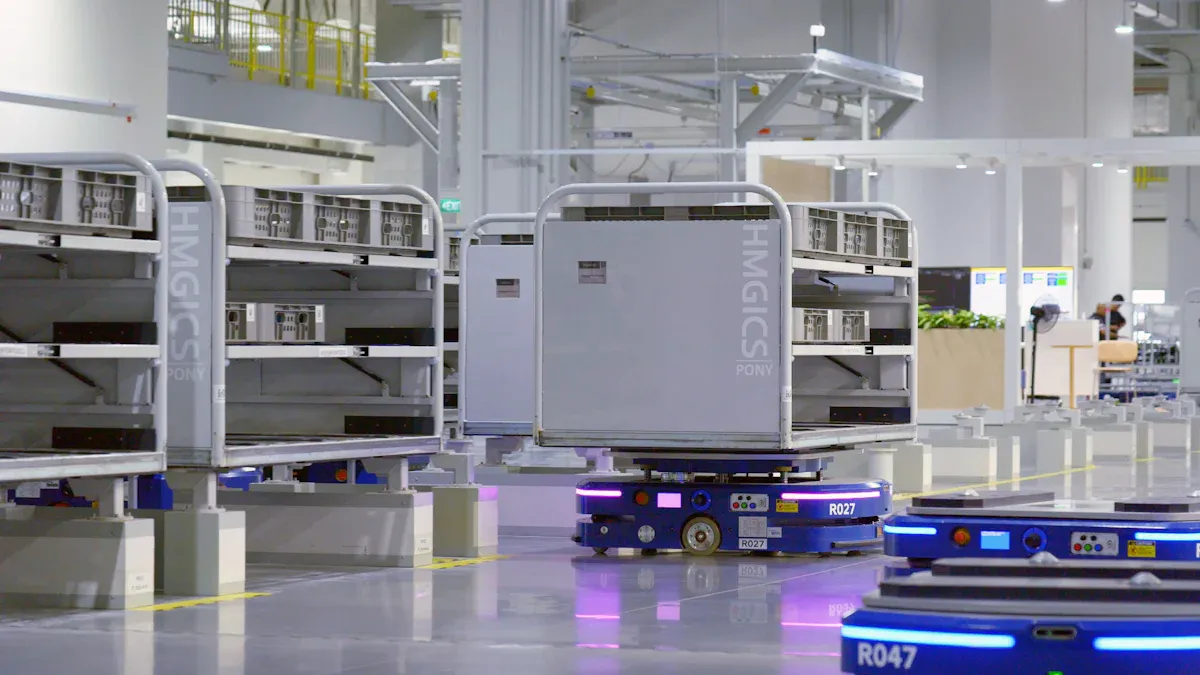
AI and Smart Inventory
You rely on advanced technology to create seamless connectivity in your autonomous store. AI automates data collection and digitization, which saves time and improves accuracy. With strong connectivity, AI-driven robots scan shelves and warehouses to keep inventory counts current. This connectivity gives you a unified view of inventory across all channels and locations. You can track products in real time, which helps you avoid stockouts and overstock situations.
AI reduces inventory carrying costs by 20% and stockouts by up to 50%.
Smarter replenishment keeps shelves full and prevents markdowns.
You optimize storage space and labor allocation with better connectivity.
The measurable outcomes of smart inventory systems show the power of connectivity in your store:
Outcome | Measurement |
|---|---|
Reduction in asset loss | |
Decrease in inventory overspend | Approximately 30% |
Improvement in labor productivity | Up to 30% |
Faster response times | Improved service levels |
You see faster customer service, fewer stockouts, and more focused teams. Connectivity between systems ensures that every product is where it should be, ready for travelers at any time.
Responding to Traveler Needs
You use technology to respond quickly to traveler needs. Connectivity allows your store to operate 24/7, giving travelers constant access to essential items. AI learns from real-time buying behavior, which enhances the shopping experience. Robotic arms identify products with 99% accuracy, and automated systems process multiple orders at once. This level of connectivity reduces wait times and keeps travelers moving.
The analytics engine uses connectivity to gather insights from every interaction. You can anticipate demand shifts and adjust your offerings in real time. This proactive approach ensures that your store always meets traveler needs. With strong connectivity, you maintain product availability and reduce the chance of stockouts. Your store becomes a reliable stop for travelers who value speed and convenience.
Note: Consistent connectivity across all systems is the backbone of a successful autonomous store. It supports AI, inventory management, and customer service, making your store efficient and traveler-friendly.
Case Studies and Best Practices in Airports
Successful Autonomous Store Examples
You can learn a lot from airports that have adopted autonomous stores. These locations focus on efficiency and safety to improve the customer experience. Many airports now use autonomous systems to reduce wait times and keep operations smooth. You see that human factors and user acceptance play a big role in how well these systems work. When you design your store, you must consider how the customer interacts with technology.
Airports redesign spaces to fit autonomous vehicles and self-service kiosks.
You find sensors and special lanes for autonomous carts that help move products quickly.
Staff members now supervise systems instead of doing manual tasks, which lets them focus on customer service.
The airport culture changes as people get used to new technology and smarter ways to shop.
You notice that these changes help the customer feel more comfortable and in control. When you make the shopping process simple, you build trust and loyalty.
Lessons from High-Traffic Hubs
You can see valuable lessons in high-traffic transportation hubs like Mumbai Metro and Wembley station. These places show that you need a wide range of products to meet every customer’s needs. Mobility-focused kiosks offer snacks, hygiene items, and travel accessories. You also see that combining retail with transportation services creates a better customer experience and increases revenue.
Multi-use transit hubs serve both travelers and the local community.
You must create spaces that let the customer relax, shop, and move easily.
City planners now design hubs that support both travel and daily life.
Aspect | Best Practice |
|---|---|
Capacity Optimization | Expand infrastructure and use sustainable practices to handle more customer traffic. |
Passenger Experience | Offer seamless, stress-free, and personalized service using technology like AI and biometrics. |
Ground Transportation | Invest in training and new technology to improve customer safety and standards. |
You see that these strategies work because they put the customer first. When you focus on convenience, variety, and safety, you create a store that meets every customer’s expectations.
You can design the ideal product assortment by focusing on what travelers need most. Use real-time feedback and AI analytics to adjust your offerings and improve the airport experience. Track passenger flow to plan your store layout and measure retail performance. Keep your assortment flexible and use technology to boost operational efficiency. When you adapt quickly, you create a better airport experience for every traveler. Continuous improvement ensures your store always delivers a top airport experience.
FAQ
What makes autonomous checkout important for airports?
You improve passenger experience with autonomous checkout. This technology reduces wait times and supports 24/7 access. You help travelers move quickly through airports. You also support airport operations by making shopping faster and more efficient.
How do kiosks support self-service convenience in transit hubs?
You use kiosks to give travelers self-service convenience. These kiosks offer quick access to food, beverages, and travel essentials. You help passengers save time and enjoy a smoother journey through airports and transit hubs.
Why is sustainability important for the future of airports?
You focus on sustainability to reduce waste and energy use in airports. Automated retail and unattended retail solutions help you lower your environmental impact. You support the future of airports by making travel more eco-friendly and efficient.
How does 24/7 access benefit travelers and airport operations?
You provide 24/7 access so travelers can shop anytime. This supports airport operations by meeting passenger needs at all hours. You improve passenger experience and help airports serve more customers, even during late-night or early-morning flights.
What role does technology play in the future of airport retail?
You use technology to shape the future of airports. AI, autonomous checkout, and smart kiosks improve passenger experience. You make airport operations more efficient and prepare for the future of travel and transit.
See Also
Exploring Global Trends in Automated Retail: Micromarkets vs Smart Stores
The Future of Retail: Embracing AI-Driven Store Innovations
Enhancing Office Efficiency Through Smart Vending Solutions
Space-Efficient Snack Vending Machines for Contemporary Environments
