A step-by-step guide to improving retail staff happiness with smart stores

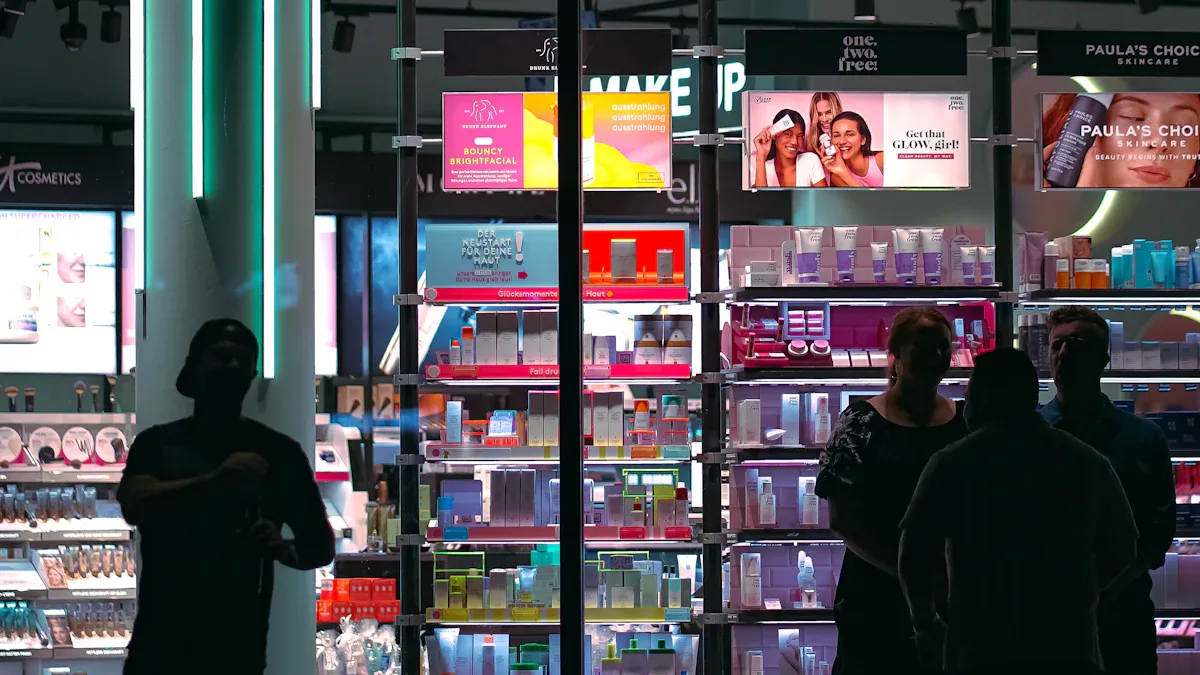
Happy workers help your store do well. When you care about staff happiness, customers get better service. Sales also go up. Smart stores use tech to solve staff problems. For example, VF Corporation used smart data capture. Their teams saved time and had more products ready. This made sales go up and workers feel better. Good schedules, clear talk, and real praise help your team feel important. This keeps them interested in their work.
Area of Improvement | Description |
|---|---|
Get the basics right | Make sure scanning works well in real stores, even with bad light or hard angles. |
Scan smarter | Use multi-barcode scanning and other ways to capture data. |
Focus on user experience | Make hardware and app screens easy to use for scanning. |
Key Takeaways
Happy employees give better customer service. This can help your store sell more. Make staff happy to help your store do well.
Use smart technology to make jobs easier. Let employees have more control. This helps them feel more interested and happy at work.
Ask your team questions often to find problems. Talk openly with them to know what they need. This helps make their work better.
Use automated scheduling tools to make work hours steady. This lowers stress. It helps employees balance work and life.
Notice and celebrate when employees do well. Give feedback and praise often. This helps staff feel important and want to do a good job.
Smart Stores And Employee Satisfaction

What Are Smart Stores
You may ask what makes a store “smart.” Smart stores use technology to make shopping and working easier. These stores have tools that help customers and staff. Some features you might see are:
Shelves with sensors and cameras that check inventory
Automated payment options for fast checkout
Personalized shopping journeys using technology
Smart fitting rooms with mirrors that give advice or show styles
Smart carts that guide shoppers and offer deals
Self-service systems for quick transactions
Unmanned areas where technology does most tasks
24/7 self-service so customers can shop anytime
Contactless service for safety and speed
Smart stores help customers and make your job easier. You spend less time on boring tasks. You get more time to help people.
Why Satisfaction Matters
When you feel happy at work, you do a better job. Smart stores can make tasks simpler and give you more control. Research shows engaged employees give better service. This leads to happier customers who come back again and again. Stores with high employee engagement often have:
Higher sales and profits
Better customer satisfaction scores
Fewer mistakes with inventory
Lower shrink (less loss from theft or errors)
One study found stores with the happiest teams had 70% higher net sales. These stores also had better operating margins and fewer losses. Another report showed companies with high employee engagement were 22% more profitable. When you feel valued and supported, you help create a great experience for every shopper.
Tip: When your store uses smart technology, you get more time to focus on what matters—helping customers and enjoying your work.
Assess Satisfaction And Engagement
Survey Staff And Identify Pain Points
You can’t fix what you don’t know. Start by asking your team how they feel about their work. Use surveys with open-ended questions. This lets your staff share real thoughts and stories. You can also talk with your sales team about what happens when a sale doesn’t go through. Sometimes, the best ideas come from these honest talks.
Don’t forget to check online reviews. Customers often mention things that bother them. These reviews can show you what your staff faces every day. You can also look at what your competitors do. This helps you see where your store stands and what you can do better.
Here are some smart ways to find out what your team needs:
Ask open-ended questions in surveys.
Encourage your sales team to share stories from lost sales.
Read online reviews for clues about staff challenges.
Study your competitors to spot gaps.
You might notice some common pain points. Here’s a quick look:
Pain Point | Description |
|---|---|
Inventory Management Issues | Staff struggle with stock levels, which can lead to lost sales or too much inventory. |
Customer Engagement | Staff may find it hard to connect with customers, which can cause people not to return. |
Analyze Engagement Levels
Once you know the pain points, you need to measure how engaged your team feels. You can use simple tools and scores to do this. For example, you can ask, “Would you recommend working here to a friend?” This is called the Employee Net Promoter Score (eNPS). You can also track how many people stay with your store, how often they miss work, and how involved they are in team activities.
Here’s a table with some helpful metrics:
Metric | Description |
|---|---|
Employee Net Promoter Score (eNPS) | Shows if staff would recommend your store as a workplace. |
Employee Satisfaction Score | Measures how happy staff feel day to day. |
Employee Retention Rate | Tracks how many people stay over time. |
Turnover Rate | Shows how often staff leave. |
Absenteeism Rate | Counts how often staff miss work. |
Participation in Engagement Activities | Measures how involved staff are in store events or programs. |
Internal Mobility Rate | Tracks staff moving to new roles. |
Performance and Productivity Scores | Looks at how well staff do their jobs. |
Feedback and Recognition Frequency | Counts how often staff get feedback or praise. |
When you keep your team engaged, they stay longer. Gallup found that stores with high engagement have up to 51% lower turnover. If you focus on engagement, you keep your best people and save money.
Implement Smart Store Solutions
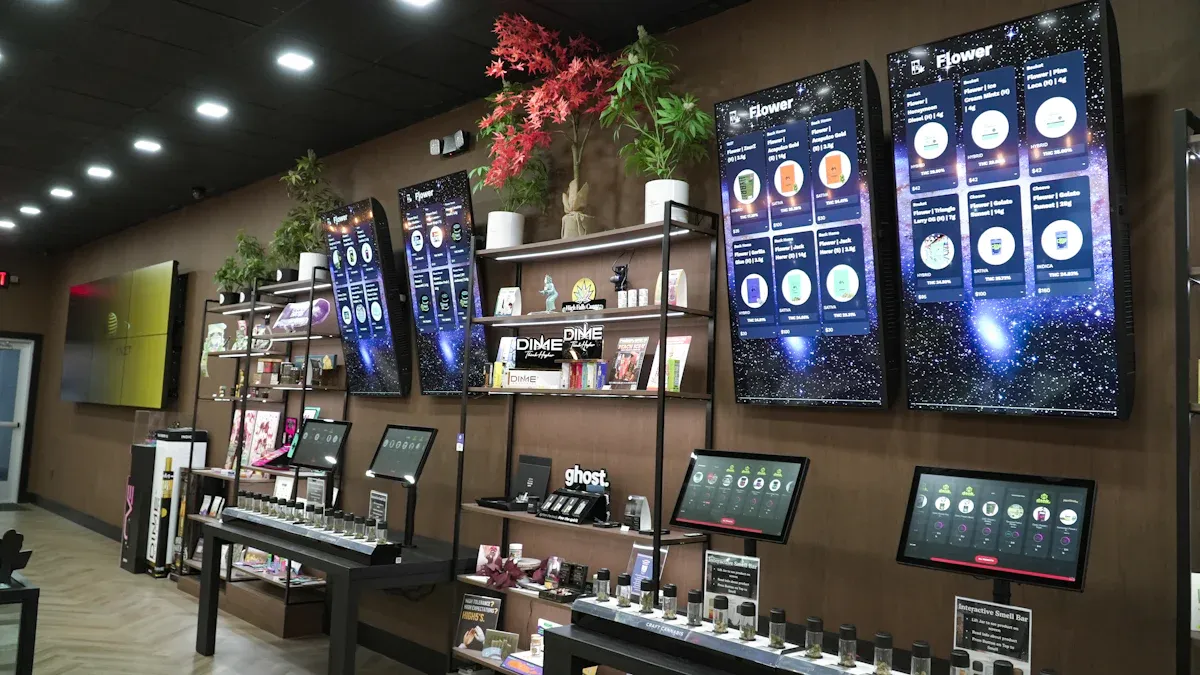
Automated Scheduling For Stability
You know how hard it is when your work schedule keeps changing. It can make life stressful. Smart stores use automated scheduling tools to fix this problem. These tools help you get a stable schedule. You can plan your life better. You feel less stress and more control.
A study at Gap stores showed that stable scheduling led to a 7% increase in sales.
Labor productivity went up by 5%.
Stores made almost $3 million more in revenue with stable schedules.
Automated scheduling tools let you swap shifts or pick up extra hours. You can adjust your schedule to fit your needs. This makes work-life balance easier. When you have control, you feel happier at work. Here’s what workers say:
Evidence Type | Description |
|---|---|
Flexibility | |
Satisfaction | 86% of companies see higher employee satisfaction with scheduling software. |
Work-life Balance | 75% of hourly workers say balance is key for job happiness. |
Tip: When you use automated scheduling, you get more freedom and less stress. You can focus on helping customers and enjoying your job.
Digital Tools For Communication
Good communication keeps your team strong. In smart stores, digital tools make it easy to talk and share ideas. You can use apps like Slack, Zoom, and Dropbox. These tools help you chat, share files, and work together, even if you are not in the same place.
Collaboration tools like Zoom and Dropbox let you talk in real time. You can send updates, ask questions, and solve problems fast. You do not have to wait for a manager to pass on a message. You get information right away. This makes your work smoother.
Evidence Type | Statistic/Case Study |
|---|---|
Communication Challenge | 71% of retail staff say communication is their biggest challenge. |
Connection to HQ | 72% feel more connected to HQ with updates on their smartphones. |
Productivity Increase | 76% believe digital communication boosts productivity and eases workload. |
Poor Communication Impact | 36% say poor communication lowers job satisfaction. |
Engagement and Turnover | Better communication means less turnover and more loyalty. |
Productivity and Engagement | High engagement leads to better productivity. |
Case Studies | Digital communication builds community and belonging. |
You can see how important communication is. When you get updates on your phone, you feel connected. You know what is happening in the store. You can ask for help or give feedback. This makes you feel like part of the team.
Note: If you want to feel more engaged, use digital communication tools every day. They help you stay informed and make your job easier.
Task Management And Recognition
Smart stores use digital tools to track tasks and give recognition. You can see what you need to do each day. You can check off tasks as you finish them. This helps you stay organized and feel proud of your work.
Recognition is a big deal. When your manager or team says “good job,” you feel valued. You want to work harder. You want to help your team. Here’s what happens when you get recognition:
83.02% become more engaged after recognition.
79.25% say they would be more productive if recognized more often.
You can get recognition through apps or messages. You might get a shout-out in a team chat. You might see your name on a leaderboard. This makes you feel special. You know your work matters.
Callout: Recognition is not just a nice thing. It makes you happier, more engaged, and more productive.
Empowerment Through Technology
Smart stores give you tools to make decisions. You do not have to wait for a manager to tell you what to do. You can help customers right away. You can solve problems on the spot. This makes you feel trusted and important.
Here are some ways technology empowers you:
You can review and update store policies to remove old rules that slow you down.
You get clear guidelines for making quick decisions.
You can explain your choices to customers, so they understand.
You learn how to show your skills and decisions to shoppers.
You give feedback to managers, so your ideas help the store.
When you feel empowered, you do your best work. You learn faster. You help customers better. Smart stores see big results:
Outcome | Measurement |
|---|---|
Reduction in onboarding time | 25% |
Increase in employee satisfaction | 50% |
Tip: When you use technology to make decisions, you feel more confident. You help your team and your customers. You grow as a retail professional.
Boost Employee Engagement And Recognition
Training And Coaching Programs
You want to feel ready for anything at work. Training and coaching programs help you learn new things. In a smart store, you need more than just basic skills. You must know how to use new tools. You also need to help customers and work with your team. When you join these programs, you grow faster. You feel important and valued.
Here are some of the best programs for smart stores:
Program Name | Description |
|---|---|
Retail Store Leadership | Teaches people skills and how to run a smart store well. |
Store Support Leadership (SSL) | Helps managers connect teams and keep things running smoothly, even when it gets busy. |
Retail Sales Service | Gives you real selling skills and helps you handle daily problems with confidence. |
Retail Multiunit Leadership | Shows district leaders how to support many stores and get good results, no matter where they are. |
When you take these programs, you see big changes. You get more done and do your job better. You also feel happier and more interested in your work. Training helps you stay with your company longer. It makes your store stronger and ready for new challenges. It helps you build a good place to work.
Many leaders now see how important employee engagement solutions are. Almost half want to spend more on these programs. They know that helping you grow leads to better results for everyone. You get new skills, and your store becomes a better place to work.
Tip: Training is not just about learning new things. It helps you feel good, grow your career, and make your store a place where everyone wants to work.
Feedback And Recognition Systems
You want to know when you do a good job. Getting feedback and praise makes a big difference. When you get noticed for your hard work, you feel proud. This helps you stay focused and happy at work.
Recognition is more than just saying thank you. It helps you see how your work matters. When you get feedback often, you know what you do well. You also learn where you can do better. This keeps you on track and helps you grow.
Here is why feedback and recognition are important:
Getting praise often helps you match your actions with your store’s values.
Regular feedback gives you a steady routine, which is important in busy jobs.
Employees who get good recognition are less likely to leave their jobs.
In 2024, people who get strong praise are 65% less likely to look for a new job.
You can use digital tools to make recognition easy and fun. Apps let you give shout-outs, track wins, and celebrate together. These employee engagement solutions help you feel connected and valued. When you see your name on a leaderboard or get a message from your manager, you know your work matters.
A good recognition system builds a happy place to work. It lifts spirits and keeps everyone working hard. Employee recognition is not just about feeling good. It helps you stay longer, work better, and enjoy your job more.
Note: If you want to feel good and build a happy team, make recognition a daily habit. Use employee engagement solutions to give feedback, celebrate wins, and help each other grow.
Employee engagement solutions that focus on feedback and recognition really work. You feel closer to your team. You see your own growth. Your store becomes a place where everyone wants to stay and do well.
Monitor And Improve Results
Track Satisfaction Metrics
You want to see if your smart store changes work. The best way is to track satisfaction metrics. These numbers show how your team and customers feel. They help you find problems before they get worse.
Here are some important metrics to watch:
Metric | Description | Importance |
|---|---|---|
Net Promoter Score (NPS) | Measures if customers will recommend your product to others. | Shows customer loyalty and helps you find ways to improve. |
Customer Satisfaction Score (CSAT) | Shows the percent of customers who say they are satisfied. | Tells you how happy customers are with each visit or interaction. |
Customer Lifetime Value (CLV) | Estimates the total money a customer spends over time. | Helps you decide where to focus your efforts for long-term success. |
You can also check referral rates, conversion rates, and engagement rates. These numbers tell you if smart store tools help staff and customers. For example, higher CSAT scores mean people like your changes. If NPS goes up, more customers want to tell friends about your store. When you track support volume and resolution times, you can fix problems faster and keep everyone happy.
Tip: Look at your metrics often. Small changes in these numbers show what works and what needs more attention.
Adjust Strategies For Engagement
Do not stop after tracking results. Use what you learn to make your store better. When you listen to feedback and change your plans, your team feels heard and valued.
Try these steps to keep your engagement strategies strong:
Watch and review feedback from staff and customers.
Make small, regular changes based on what people say.
Update your engagement plan to match new goals and challenges.
Set up regular feedback channels, like quick surveys or one-on-one chats.
Act on the feedback you get. Show your team their ideas matter.
Create a system to review and use employee suggestions.
AI tools can help you spot changes in mood or trust early. This lets you fix problems before they get big. Always be open about how you use data and respect privacy. This builds trust and keeps your team happy.
Companies that change their engagement strategies often see big results. Engaged employees miss less work and get more done. Stores with high engagement have less turnover and higher sales. When you keep improving, you build a place where people want to work and shop.
Note: Keep listening and keep improving. Your smart store will stay ahead. Happy teams lead to happy customers and better results for everyone.
You can make staff happier by using smart store tools. Here is what one store did:
Step | Action Taken | Outcome |
|---|---|---|
1 | Used Access PeopleXD Evo for rostering and payroll | Made work easier |
2 | Swapped over 8,500 shifts in three months | Got more done faster |
3 | Managers saved 5 hours each week | Worked better and faster |
4 | Staff managed work-life balance on their phones | Felt more satisfied |
5 | Saved money and got real-time updates | Teams felt happier |
Want to try? Here are some ideas:
Start a “Challenge Week” to bring excitement and celebrate wins.
Hold “Listening Sessions” so your team can share thoughts.
Keep making things better. Show off your wins. Happy teams help your store stand out! 🚀
FAQ
How can smart stores improve employee engagement?
Smart stores give you digital tools to help with work. You get clear tasks to do each day. You get feedback quickly. You also get noticed right away when you do well. These things make you want to do your best. You can see how your work helps the store.
What are the best ways to support employee well-being in retail?
You can have flexible work hours. Stores can give you nice places to rest. A good breakroom helps you relax. These things make it easier to balance work and life. When you feel cared for, you are happier and work better.
Why does employee engagement matter for retail success?
When you care about your job, you help customers more. Stores sell more when workers are happy. You feel part of the team and want to stay. Stores with happy workers lose fewer people. This helps the store grow and do well.
How do smart stores help with work-life balance?
Smart stores use tools to plan your shifts. You can trade hours or change your schedule. This gives you more control over your time. You feel less stress and enjoy your job more.
What opportunities can retail employees expect from smart stores?
You can get training and coaching to learn new things. Smart stores give you chances to try new jobs. You can build your skills and feel proud. These chances help you reach your goals and enjoy your work.
See Also
The Future of Retail Lies in AI-Driven Stores
Transforming Online Retail Management with AI E-Commerce Solutions
Essential Insights for Retailers on AI-Enhanced Corner Shops
Understanding Global Automated Retail: Micromarkets and Smart Stores
Boosting Office Efficiency with Intelligent Vending Machines
